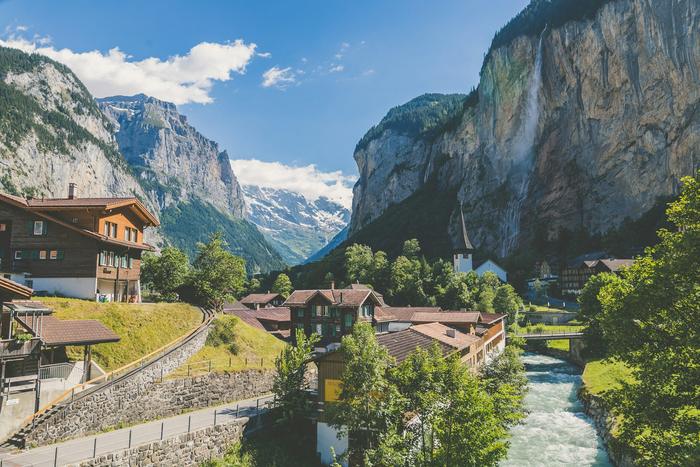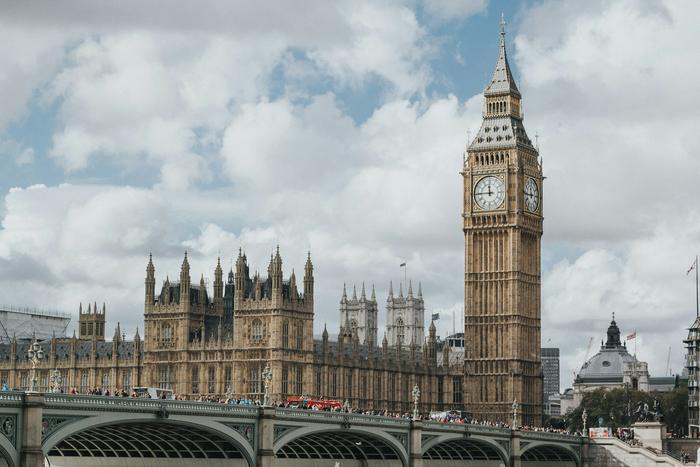
Bulgaria vs Greece

Two Balkan neighbours on the same peninsula, worlds apart in fame and price. Greece is the icon — the Acropolis and the classical world, hundreds of islands to hop between, and some of the most famous beaches and sunsets on Earth, at the prices that fame brings. Bulgaria is the quiet neighbour — a Black Sea beach coast, some of Europe’s cheapest skiing, UNESCO monasteries and mountains, and a fraction of the crowds or cost. One is the Mediterranean dream; the other its under-the-radar, budget cousin.

Eastern Europe

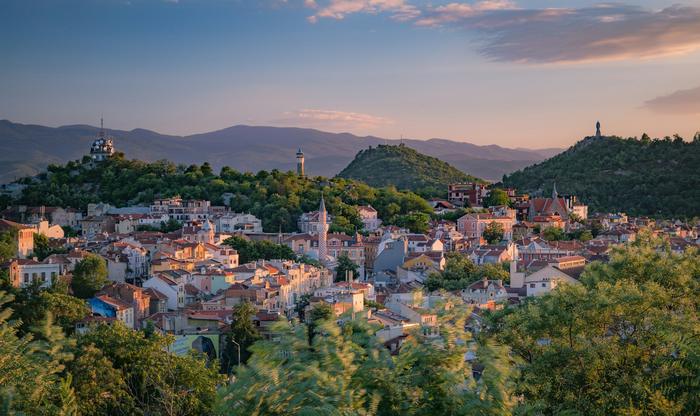
Bulgaria

Frescoed monasteries, Roman old towns, and empty mountains at prices Europe forgot.

Best time to visit
  1. January: fine
  2. February: fine
  3. March: fine
  4. April: avoid
  5. May: peak
  6. June: peak
  7. July: fine
  8. August: fine
  9. September: peak
  10. October: fine
  11. November: avoid
  12. December: fine
Peak Fine Avoid
Southern Europe

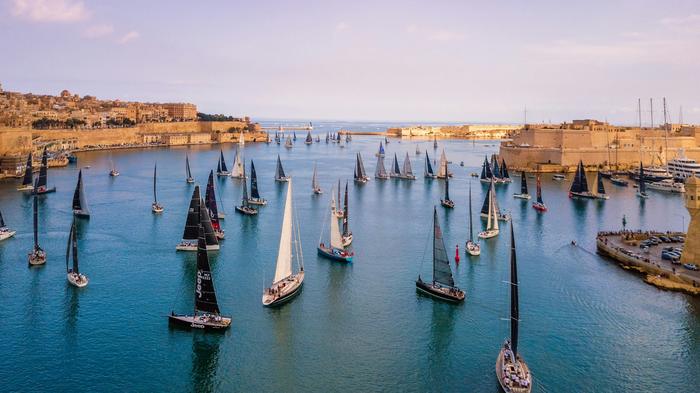
Greece

Ruins in the morning, a swim by noon, taverna until dark.

Best time to visit
  1. January: avoid
  2. February: avoid
  3. March: fine
  4. April: peak
  5. May: peak
  6. June: peak
  7. July: fine
  8. August: avoid
  9. September: peak
  10. October: peak
  11. November: fine
  12. December: avoid
Peak Fine Avoid

Read our full guides about Bulgaria and Greece.

Side by side

Emphasised where they differ. Muted rows are much the same either way.

Bulgaria Greece
Best time May, June, September April–June, September, October
Climate mild warm
Budget Very cheap — among the EU’s best value; the one real budget winner here Moderate — island-hopping and the famous isles cost most in peak summer
Trip length 1–2 wks 1–4 wks
Visa EU member and in the Schengen Area; visa-free for most Western passports. Schengen — visa-free for most Western passports (90 days).
Currency EUR (€) — Bulgaria adopted the euro in 2026, replacing the Lev. EUR (€)
Language Bulgarian, written in Cyrillic script; English mainly among younger people and in cities. Greek. English widely spoken.
Tap water Tap water safe in cities. Tap water safe in mainland; bottled on smaller islands.
Safety Very safe; the main annoyance is taxi drivers overcharging. Very safe.

General guidance — visas, safety, and health change, so check your government's travel advisory and the official sources before you go.

The split

The icon, or the budget neighbour

Both are sunny Balkan neighbours — but one is the famous, island-hopping Mediterranean, the other its cheap, under-the-radar cousin.

Famous vs quietthe profileWorld-icon sights and islands, or low-key monasteries and coast
Islands vs valuethe headlineHundreds of isles to hop, or Europe’s best-value skiing and prices
Pay vs savethe moneyGreece costs for the icons; Bulgaria is far cheaper

Greece is the icon — the Acropolis and the classical world, hundreds of islands linked by ferries, and some of the most famous beaches and sunsets anywhere, at the prices that fame commands. Bulgaria is the quiet neighbour: a Black Sea beach coast, some of Europe’s cheapest skiing, the UNESCO Rila Monastery and mountains inland, and a fraction of Greece’s crowds or cost, now priced in euros.

The operational detail — Bulgaria’s euro adoption, Schengen status and ski seasons; Greece’s island-ferry logistics and entry — lives on the two guides: Bulgaria, know before you go and Greece, know before you go. This page is the head-to-head.

The real difference

Famous icons, or cheap variety

The trade: Greece offers the classical icons, islands and famous beaches; Bulgaria offers far lower prices, skiing and fewer crowds.

Greece wins on icons, islands and fame. The classical sights and the island-hopping are bucket-list travel, and nothing in Bulgaria competes with the Acropolis or Santorini — this is the Mediterranean dream, and you pay for it, most of all on the famous islands in summer.

Bulgaria wins on value, skiing and quiet. It delivers a cheap Black Sea coast, genuinely good budget skiing, monasteries and mountains, and far smaller crowds — a lot of holiday for very little money, if without the world-famous headliners. Choose the icons, or the value.

Who suits which

Who each actually suits

Both are sunny and Balkan — but one leans famous icons and islands, the other value and skiing.

If you want…BulgariaGreece
The lowest pricesWins. Among the EU’s cheapestPays for the icons
World-famous classical sightsMonasteries, not iconsWins. The Acropolis and more
Island-hopping and famous beachesA single coastWins. Hundreds of isles
Budget skiingWins. Bansko, BorovetsNot a ski trip
Fewer crowdsWins. QuieterBusy in peak summer
A bucket-list Mediterranean tripLow-keyWins. The dream

Doing both

Neighbours you can pair

Road and short flights link them — a longer trip can take in both.

Bulgaria and Greece are neighbours, connected by road and short flights, so a longer trip can pair Athens or Thessaloniki with Sofia and the Rila Monastery or the Bulgarian coast. They’re separate itineraries rather than one circuit, so allow extra time. Each also compares with its other neighbours (see Greece vs Turkey, Greece vs Italy and Bulgaria vs Romania).

What we leave out

What we deliberately leave out

Exact prices beyond the structural comparison — Greece’s peak-summer island costs and Bulgaria’s across-the-board cheapness both move with season — so the figures here are the shape of the difference, not a quote; the country guides carry the live detail. The entry mechanics (both now in Schengen and on the euro) and Greece’s ferry logistics are covered on the guides rather than restated here.

Bulgaria or Greece, month by month

Which of the two is the better bet for each month of the year, scored on how well the season suits each place.

Which to choose

Choose Bulgaria if:

  • Value is the priority — you want to spend far less.
  • Budget skiing or a cheap Black Sea coast appeals.
  • Monasteries, mountains and fewer crowds over famous icons.

Choose Greece if:

  • The classical icons and island-hopping are the whole reason to go.
  • You want the famous Greek-island experience and beaches.
  • A bucket-list Mediterranean trip over pure value.

Common questions

Is Bulgaria or Greece better value?
Bulgaria, by a wide margin — it’s among the cheapest countries in the EU, so food, lodging, transport and especially skiing cost far less than in Greece. Greece is moderately priced but its famous islands in peak summer are where costs climb most. If spending less is the priority, Bulgaria wins clearly; Greece is where you pay for the icons and the island experience.
Which has the bigger sights?
Greece, decisively — the Acropolis, Delphi, Olympia and Knossos make it the home of the classical-icon sight, and its islands (Santorini, Mykonos, Crete) are world-famous in their own right. Bulgaria’s headliners — the Rila Monastery, the Black Sea resorts, the ski towns — are rewarding but far lower-profile. For world-famous sights and islands, Greece; for quieter monasteries and mountains, Bulgaria.
Which is better for the beach — and can you ski?
For beaches, Greece wins on sheer choice and the island-hopping experience, though Bulgaria’s Black Sea coast offers a perfectly good, far cheaper summer-resort holiday. For skiing, it’s no contest the other way: Bulgaria (Bansko, Borovets, Pamporovo) is among the best-value skiing in Europe, while Greece isn’t a ski destination for most visitors. Greece for island beaches; Bulgaria for a cheap coast and real winter skiing.
Do the entry and currency rules differ?
They’re now aligned. Both are in the EU and full Schengen members (Bulgaria since 2025), so days in either count against the shared 90-in-180 allowance, the EU’s biometric EES applies, and ETIAS is expected in 2027 (not required in 2026). And since Bulgaria adopted the euro on 1 January 2026, both now use the euro. The country guides carry the detail: Bulgaria and Greece.
Can I combine them?
Yes — they’re neighbours, linked by road and short flights, so a longer trip can pair, say, Athens or Thessaloniki with Sofia and the Rila Monastery or the Bulgarian coast. They’re separate itineraries rather than one circuit, so a combined trip wants extra time. Each also compares with its other neighbours — Greece with Turkey and Italy, Bulgaria with Romania.

Still undecided

Take the quiz

Three matches. Often answers comparison questions for you.

Start the quiz