Greece vs Italy

Two Mediterranean giants, two different holidays. Greece is islands — ferries, whitewashed villages, a swim-and-taverna rhythm you switch off into. Italy is a whole civilisation of cities, art and food, done by train and planned in advance.

Southern Europe

Greece

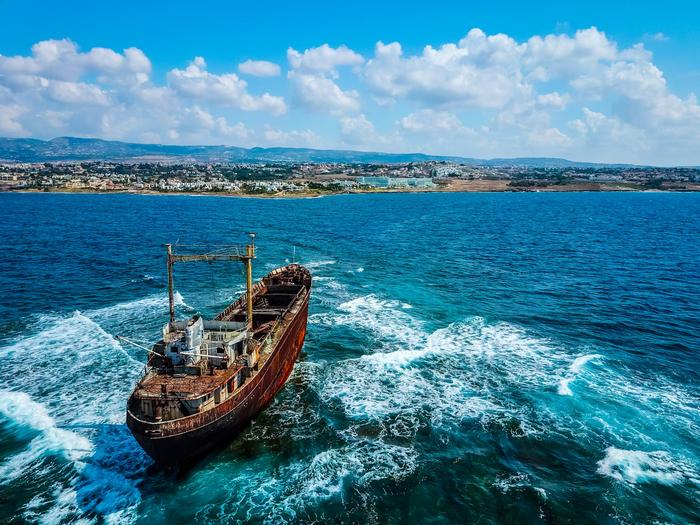
Ruins in the morning, a swim by noon, taverna until dark.

Best time to visit
  1. January: avoid
  2. February: avoid
  3. March: fine
  4. April: peak
  5. May: peak
  6. June: peak
  7. July: fine
  8. August: avoid
  9. September: peak
  10. October: peak
  11. November: fine
  12. December: avoid
Peak Fine Avoid
Western Europe

Italy

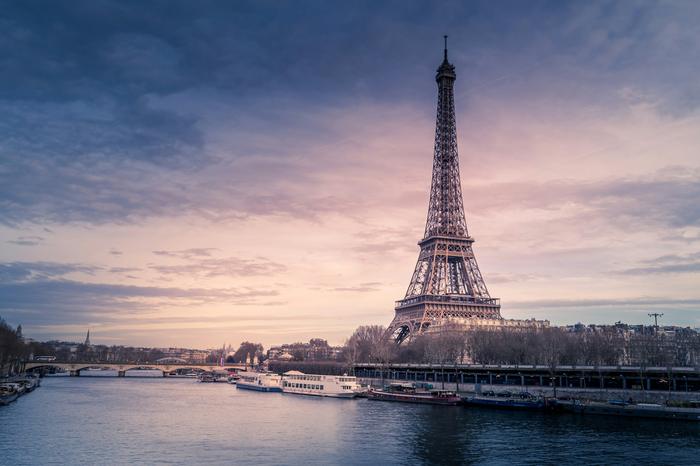
The benchmark for food, history, and beauty.

Best time to visit
  1. January: fine
  2. February: fine
  3. March: fine
  4. April: peak
  5. May: peak
  6. June: peak
  7. July: fine
  8. August: avoid
  9. September: peak
  10. October: peak
  11. November: fine
  12. December: fine
Peak Fine Avoid

Read our full guides about Greece and Italy.

Side by side

Emphasised where they differ. Muted rows are much the same either way.

Greece Italy
Best time April–June, September, October April–June, September, October
Climate warm mild
Budget Good value — bar the Santorini and Mykonos outliers Pricier in the marquee cities; cheaper in the south
Trip length 1–4 wks 1–4 wks
Visa Schengen — visa-free for most Western passports (90 days). Schengen — visa-free for most Western passports (90 days).
Currency EUR (€) EUR (€)
Language Greek. English widely spoken. Italian. English in cities and tourism, less in the south.
Tap water Tap water safe in mainland; bottled on smaller islands. Tap water safe and good.
Safety Very safe. Very safe. Pickpocketing in Rome, Naples, Florence.

General guidance — visas, safety, and health change, so check your government's travel advisory and the official sources before you go.

The split

Islands to switch off, or cities to take in

Both are Mediterranean icons — but one is a ferry trip and the other a rail trip.

Ferries vs trainshow each trip actually movesIsland-hopping by boat, or city-hopping by high-speed rail
Switch off vs take inthe mood of eachA slow beach-and-taverna rhythm, or a dense culture circuit
Book little vs book lotsthe planning each needsGreece is relaxed; Italy’s sights sell out weeks ahead

Greece is about the islands: whitewashed villages, ferry-hopping, beaches and a relaxed, sun-soaked rhythm you switch off into — all eurozone, at generally good value. Italy is a whole civilisation: cities of art from Rome to Florence to Venice, Roman and Renaissance history, and the food benchmark of Europe, gliding between them by train. Greece is the easier, slower holiday; Italy the bigger, deeper, more planned one.

The way each trip works — Greece’s island-group ferries and the meltemi wind, Italy’s high-speed rail and book-everything-ahead sights — lives on the two guides: Greece, know before you go and Italy, know before you go. This page is the head-to-head.

How each works

One trip is set by the sea; the other by the timetable

The practical difference is the whole difference — how you spend the days.

Greece runs on ferries and the weather. You base in one island group — the Cyclades, say — and hop by boat between islands, with the pace set by the sailing schedule and, in July–August, the meltemi wind that cancels crossings. It rewards low planning and a swim-and-taverna rhythm; the mistake is trying to string together islands from different groups, which forces you back through Athens.

Italy runs on trains and bookings. The high-speed network glides you between Rome, Florence, Venice and Naples, and the trip is a culture circuit — but nearly every marquee sight now needs a timed, pre-booked ticket, and Milan’s Last Supper books out months ahead. It rewards planning and gives back the densest concentration of art, history and food in Europe. Choose the trip you want to have: switch off, or take it all in.

Who suits which

Who each actually suits

They answer different holidays — so these rarely invert.

If you want…GreeceItaly
To switch off on a beachWins clearly. Islands, swimming, a slow taverna rhythmBeaches are not the point here
Cities, art and deep historyAthens and the ancient sites, but not the rangeWins clearly. Rome, Florence, Venice — a whole civilisation
A low-planning, relaxed tripWins. Base on one island and driftThe big sights now book out weeks ahead
The best food in EuropeSimple, sunny, great valueWins. The global benchmark, endlessly regional
To keep costs downWins. Good value outside Santorini/MykonosPricey in the marquee cities, cheaper in the south
To travel by train, not by boatFerries and the wind set the paceWins. Fast rail links the whole circuit

Doing both

They pair well — as two halves, not a blur

Culture then decompression is the natural shape — if you give each room.

They’re a short flight apart — and a ferry links the Italian heel to western Greece — so combining them is easy and complementary: Italy’s cities for the art and the food, then a Greek island to switch off at the end. The one caution is not to rush it: each country fills its own holiday, so treat a combination as a deliberate two-part trip rather than a whistle-stop. Both share the summer heat and crowds, so the shoulder months suit a combined trip best.

What we leave out

What we deliberately leave out

Exact prices beyond the structural comparison — both are eurozone countries where fares, tickets and lodging move within a season, so the figures here are the shape of the difference, not a quote; the country guides carry the live detail. Italy’s sight-booking rules and Greece’s ferry seasons in particular change, so check those before you travel.

Sources

Where this comes from

The detail above was read off primary sources on — operator timetables, municipal ordinances, regional tourism boards, national statistics offices and first-hand traveller reports, rather than other travel articles. Researched and maintained by Dmitrii Romashchin — how we research.

Greece or Italy, month by month

Which of the two is the better bet for each month of the year, scored on how well the season suits each place.

Which to choose

Choose Greece if:

  • You want to switch off — beaches, ferries, whitewashed villages and a slow taverna rhythm.
  • Island-hopping is the appeal, and you’ll happily base in one group and swim your way round it.
  • Value matters and you’ll skip the Santorini/Mykonos premium for the quieter Cyclades.

Choose Italy if:

  • You want depth — cities of art, Roman and Renaissance history, and the best food in Europe.
  • You’d rather glide between cities by train than plan ferries around the wind.
  • You’re happy to pre-book the big sights weeks ahead for what they deliver.

Common questions

Is Greece or Italy cheaper?
Greece, generally, day to day — tavernas and island lodging undercut Italy’s marquee cities. But it’s close and it depends where: Santorini and Mykonos are as pricey as anywhere in Italy, while Italy’s south (Naples, Puglia) is genuinely cheap. Both have excellent-value food.
Is Greece or Italy better for a first trip?
Depends what you want. Greece for a switch-off beach-and-islands holiday with a relaxed rhythm; Italy for a culture-first trip through the great cities, done efficiently by train. Greece is the easier holiday; Italy is the bigger, deeper journey — and needs more planning, since its sights now book out.
Which has better food, Greece or Italy?
Italy is the global benchmark — regional, endlessly varied, and cheap done right (a Naples pizza, a standing espresso). Greek food is simpler and lighter — taverna grills, seafood, salads — and superb value. Italy wins on range and depth; Greece on easy, sunny, good-value eating.
How do the two trips actually differ?
Greece is a ferry trip: base in one island group and swim, eat and hop by boat, at a slow pace set by the sea and the wind. Italy is a rail trip: move between cities on fast trains, pre-book timed tickets for the sights, and cover a lot of art and history. One is switch-off; the other is take-it-all-in.
Should I do both Greece and Italy in one trip?
You can — they’re a short flight or a ferry (from the Italian heel to western Greece) apart, and they pair well: Italy’s cities for culture, then a Greek island to decompress. But each easily fills its own holiday, so it’s better as a deliberate two-part trip than a rushed combination.

Still undecided

Take the quiz

Three matches. Often answers comparison questions for you.

Start the quiz