Austria
The Alps done properly — skiing, hiking, and Vienna for the culture.
Austria is small, polished, and built for two very different trips. In winter it's one of the best ski destinations in Europe; in summer the same mountains turn into world-class hiking. Vienna anchors it with imperial architecture, coffee houses, and a music history few cities can touch. Salzburg and the lakes fill the gap between the two.
Austria rewards a split itinerary: three days in Vienna for the Kunsthistorisches, the opera, and Sachertorte in a grand coffee house, then west by ÖBB rail into the mountains. In winter that means St Anton or the Zillertal; in summer, hut-to-hut hiking in the Tyrol or swimming the Salzkammergut lakes. Everything runs on time, distances are short, and the schnitzel-and-beer baseline is reliably good. Costs sit comfortably below Switzerland for a similar level of polish.
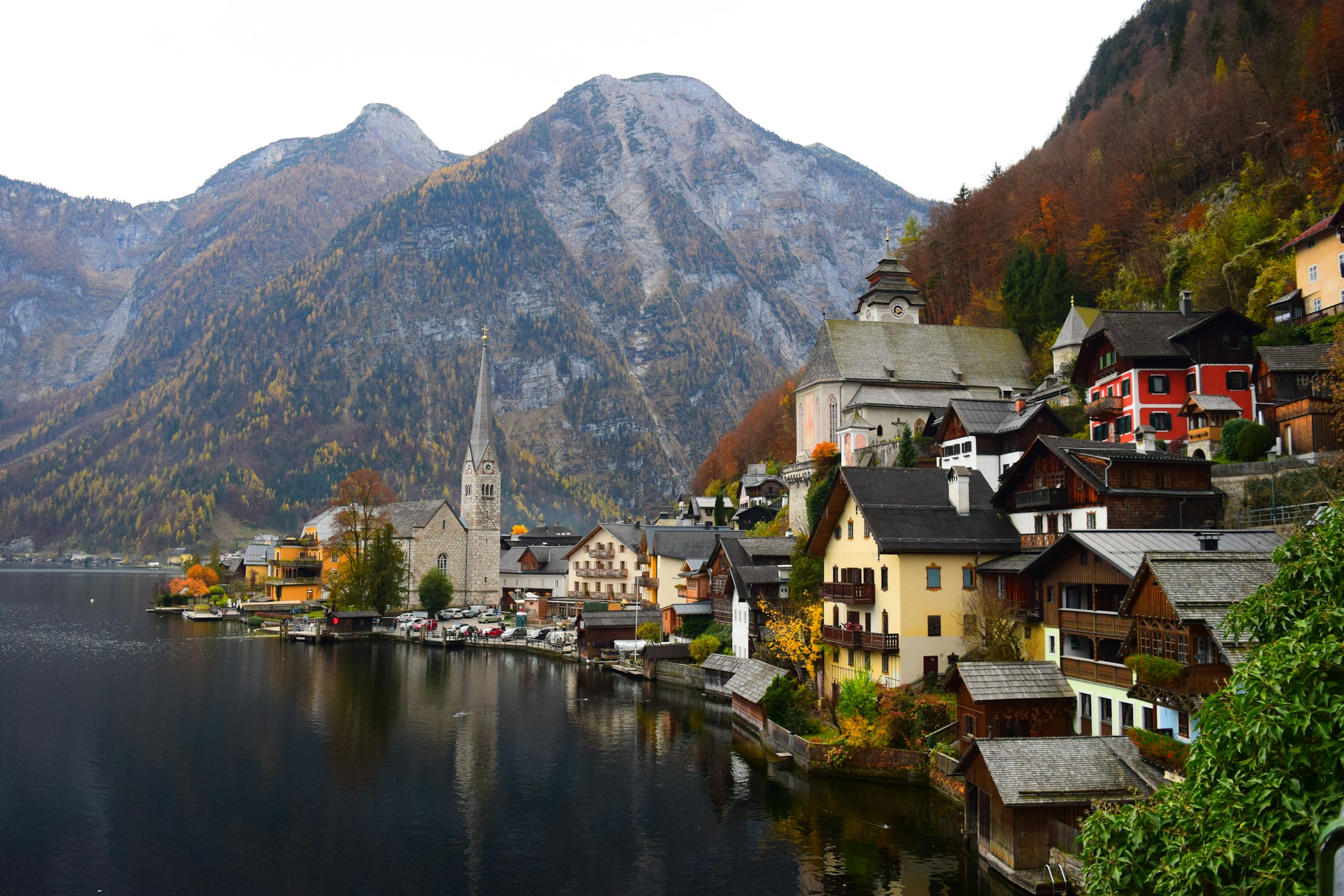
Don't expect edge. Austria is tidy, conservative, and occasionally dull — nightlife outside Vienna is thin, and Sundays shut down nearly everything. Hallstatt has become a cautionary tale of overtourism: arrive after mid-morning and you're queuing with tour buses for a photo. Ski weeks during European school holidays get crowded and expensive. But if you want mountains with flawless logistics and real culture at one end of the train line, Austria is hard to beat.
Highlights
-
Vienna
Imperial palaces, coffee houses, and a serious classical music scene.
-
The Tyrol
Innsbruck and the alpine heartland — skiing in winter, hiking in summer.
-
Salzburg
Baroque old town, Mozart, and the gateway to the lakes.
-
The Salzkammergut
Lake district of villages like Hallstatt — go early to beat the crowds.
-
Graz
The underrated second city, with a strong food and student scene.
Practical info
- Visa
- Schengen — visa-free for most Western passports (90 days).
- Currency
- EUR (€)
- Language
- German. English widely spoken in cities and resorts.
- Safety
- Very safe.
- Getting around
- ÖBB trains are excellent; a car helps for alpine valleys and lakes.
- Tap water
- Tap water safe and excellent — much of it is alpine spring water.
- Plug type
- Type C Type F 230V
- Money
- Cards widely accepted; carry cash for mountain huts and small towns.
General guidance — visas, safety, and health change, so check your government's travel advisory and the official sources before you go.
Common questions
- Is Austria cheaper than Switzerland?
- Yes — around 35–40% cheaper across hotels, meals and lift passes for an equivalent trip. A restaurant main is €15–20 against CHF 25–45, a beer €3–5 against CHF 6–9, and top ski passes cluster at €62–80 a day where Zermatt starts at CHF 89 and climbs. Austria also has a genuine budget tier — Gasthöfe, supermarket meals, sub-€25 advance train fares — that barely exists in Switzerland.
- When is the best time to visit Austria?
- Summer (July–August) for alpine hiking and the lakes, winter (December–April) for skiing, and the cities year-round. Avoid the alpine shoulder — mid-April to late May and November — when lifts, mountain huts and the Grossglockner road close and resort villages largely shut.
- How do you avoid the crowds at Hallstatt?
- Time it. The village of 780 people takes up to 10,000 visitors on a peak day, and the crush is day-tripper coaches: arrive before about 10am or stay after 4–5pm — ideally overnight — and it’s near-empty. Coach groups face regulated time slots, but individuals arriving by car, train or boat face no cap or charge.
- Do you need a car in Austria?
- Not for the cities and the main rail corridor — ÖBB is excellent and Vienna–Salzburg is about 2h20, twice an hour. A car helps for the Salzkammergut lakes and remote alpine valleys, which public transport reaches with changes and lower frequency. If you drive the motorways you need a vignette (€106.80 a year, or a €12.80 ten-day) — skip it and you risk an on-the-spot substitute toll.
- Is Austria or Switzerland better for the Alps?
- Austria for value and culture — nearly-as-good scenery at 30–40% less, plus Vienna and Salzburg. Switzerland for the single most iconic peaks, if budget is no object. See our full comparison.
The value
Nearly-as-good Alps, for a third less
This is the case for Austria over Switzerland in one section: the scenery holds up, and the bill doesn’t.
~37% cheaper than Switzerland, like for like
The value is real because Austria has a genuine budget tier that Switzerland lacks — family Gasthöfe, supermarket lunches, €3–5 beer, and advance ÖBB “Sparschiene” train fares that drop below €25. A mid-range day runs €80–130 against CHF 150–250 across the border. The scenery trade-off is smaller than the price gap: the Tyrol and the Salzkammergut hold their own; what Switzerland keeps is the single most iconic peaks.
When to go
Two seasons, and a dead zone between them
The cities run all year. The mountains switch off twice a year — and people keep getting caught.
Austria works in two modes: summer (July–August) for hiking, lake swimming and open huts and lifts, and winter (roughly early December to mid-April) for skiing. Vienna, Salzburg and Innsbruck function fully every month. The trap is the alpine shoulder — mid-April to late May, and November — when lifts shut after the ski season, most mountain huts don’t reopen until June, and resort restaurants and hotels close for staff breaks. The Grossglockner road doesn’t open until 25 April; the Innsbruck Nordkette’s summer season starts the same day — concrete proof of the gap.
One date to plan around in the cities: the Salzburg Festival runs 17 July to 30 August in 2026, and across those six weeks Salzburg books out and rates surge — reserve months ahead or stay outside the city.
Getting around
Trains for the cities, a car for the lakes
ÖBB does the heavy lifting; the one place it strains is the Salzkammergut.
ÖBB rail is the backbone and it’s excellent — the Railjet links Vienna and Salzburg in about 2h20, twice an hour, and the main corridors need no car. A car earns its keep for the Salzkammergut lakes and remote alpine valleys, which the Postbus reaches but with changes and lower frequency. The national Klimaticket (€1,400 a year) is for residents, not a one-week trip — point-to-point or advance saver fares are the tourist’s ticket.
If you drive the motorways, buy the vignette before you cross the border: the classic trap is German and Italian drivers hitting Austrian motorway without one and paying an on-the-spot substitute toll of around €120. Note the Grossglockner and Brenner and several tunnels charge their own tolls on top.
The big sights
Book the palace, time the postcard village
Two of Austria’s headline sights reward planning — one for the queue, one for the crowds.
Vienna’s Schönbrunn Palace is timed-entry — the Grand Tour of 40 rooms from €38 — and slots sell out days to weeks ahead in summer and at weekends, so book online and aim for the 8:30 opening before the coaches. Salzburg’s Hohensalzburg fortress is reached by the FestungsBahn funicular (from €12.80), and the Sound of Music tour is the standard four-hour outing. Hallstatt is the one to time rather than book: the crowds are day-trippers, so early morning or an overnight stay buys you the near-empty village the postcards promise.
For the scenery, the Grossglockner High Alpine Road (car toll €46.50, open late April to early November) and the Innsbruck Nordkette cable-car chain — city centre to 2,300 m in about 20 minutes — are the accessible showpieces; the Salzkammergut lakes around the Wolfgangsee are the gentler counterpoint, best with a car.
Skiing
The same mountains, louder and cheaper in winter
Austria’s summer hiking regions are its marquee ski resorts — with an après-ski culture Switzerland doesn’t match.
From December to mid-April the identity flips: St Anton (part of the 305 km Ski Arlberg, unpretentious and hard-partying), Ischgl (the polished, clubby “Ibiza of the Alps”), plus Kitzbühel, Sölden and Zell am See. The après-ski is a genuine differentiator from the quieter Swiss resorts — and the lift passes are meaningfully cheaper (see the value section). For the shoulder months, the Sölden and Hintertux glaciers open earliest and latest — Hintertux runs most of the year — though warming has ended the truly year-round glacier season.
Good to know
Euro, English, and shut on Sundays
The easy part of an Austria trip — with one planning catch.
Austria uses the euro and is in Schengen, so most Westerners travel visa-free for 90 days in any 180 (the EU’s ETIAS pre-authorisation is due to phase in around late 2026 — check at booking). German is the language but English is widely spoken in tourism, and the tap water is excellent, piped to Vienna straight from Alpine springs. The one catch is Sunday closing: by law shops shut on Sundays and holidays — stations, bakeries and petrol stations excepted — so stock up on Saturday. And carry cash for mountain huts and small rural Gasthöfe, which are often cash-only even though the cities are card-friendly.
Sources
Where this comes from
The detail above was read off primary sources on — operator timetables, municipal ordinances, regional tourism boards, national statistics offices and first-hand traveller reports, rather than other travel articles. Researched and maintained by Dmitrii Romashchin — how we research.
Compare Austria with
If you like Austria, also consider
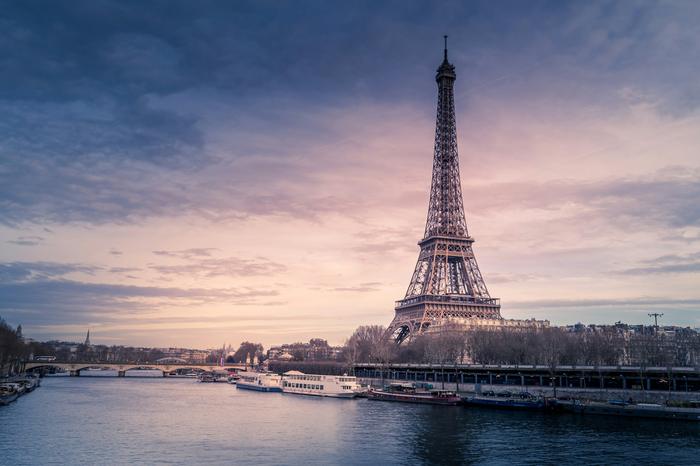
France
Paris is only the opening act — wine country, the Alps, and two coastlines.
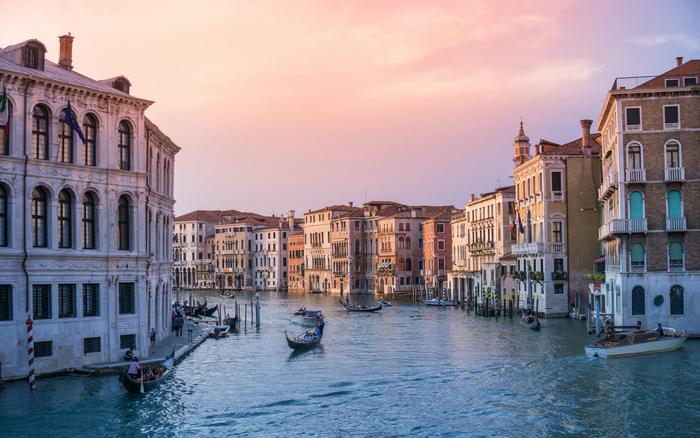
Italy
The benchmark for food, history, and beauty.
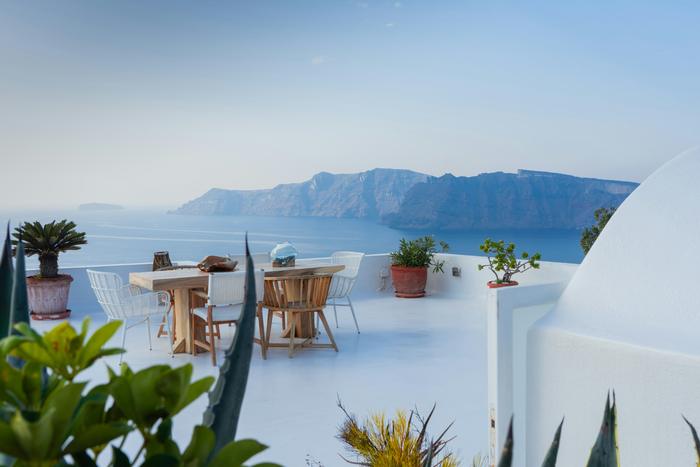
Greece
Ruins in the morning, a swim by noon, taverna until dark.
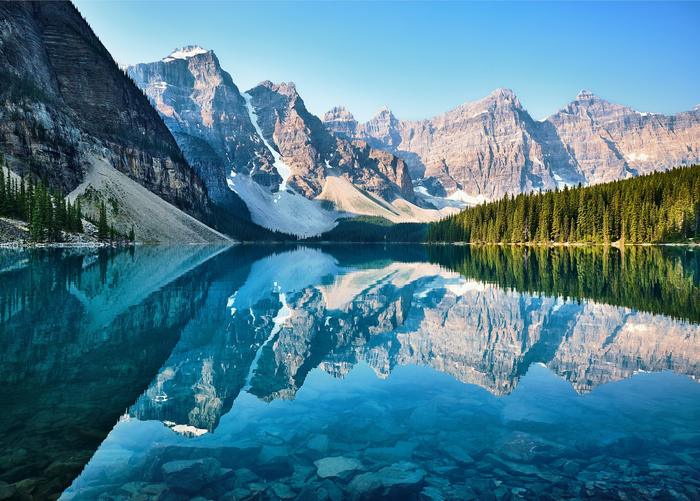
Canada
Wilderness on a continental scale — Rockies, coast, and the cities between.
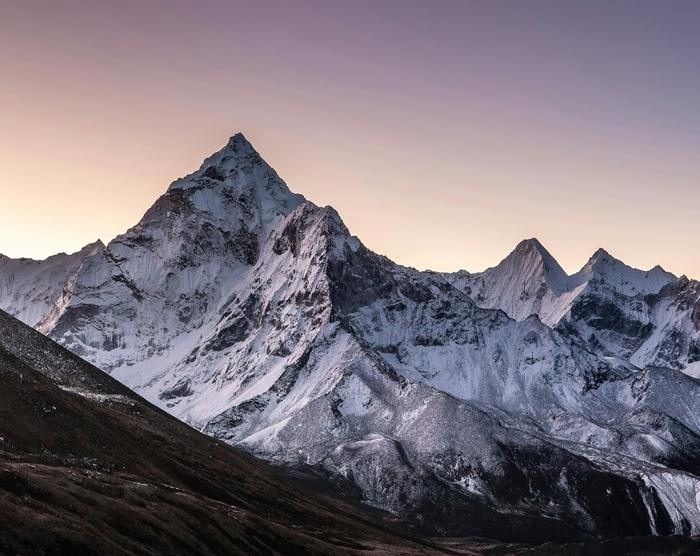
Nepal
The Himalayas. Trekking that changes how you see scale.
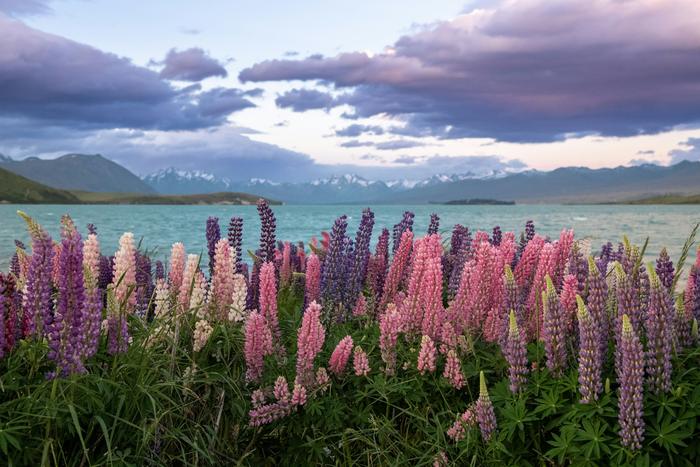
New Zealand
Fjords, volcanoes, glaciers, beaches — in one country.
Not sure where to go
Take the 5-minute quiz
Answer a few honest questions and get matched to destinations that actually fit how you travel.
Start the quiz