Jamaica
The most characterful island in the Caribbean — and the one that asks a little more of you.
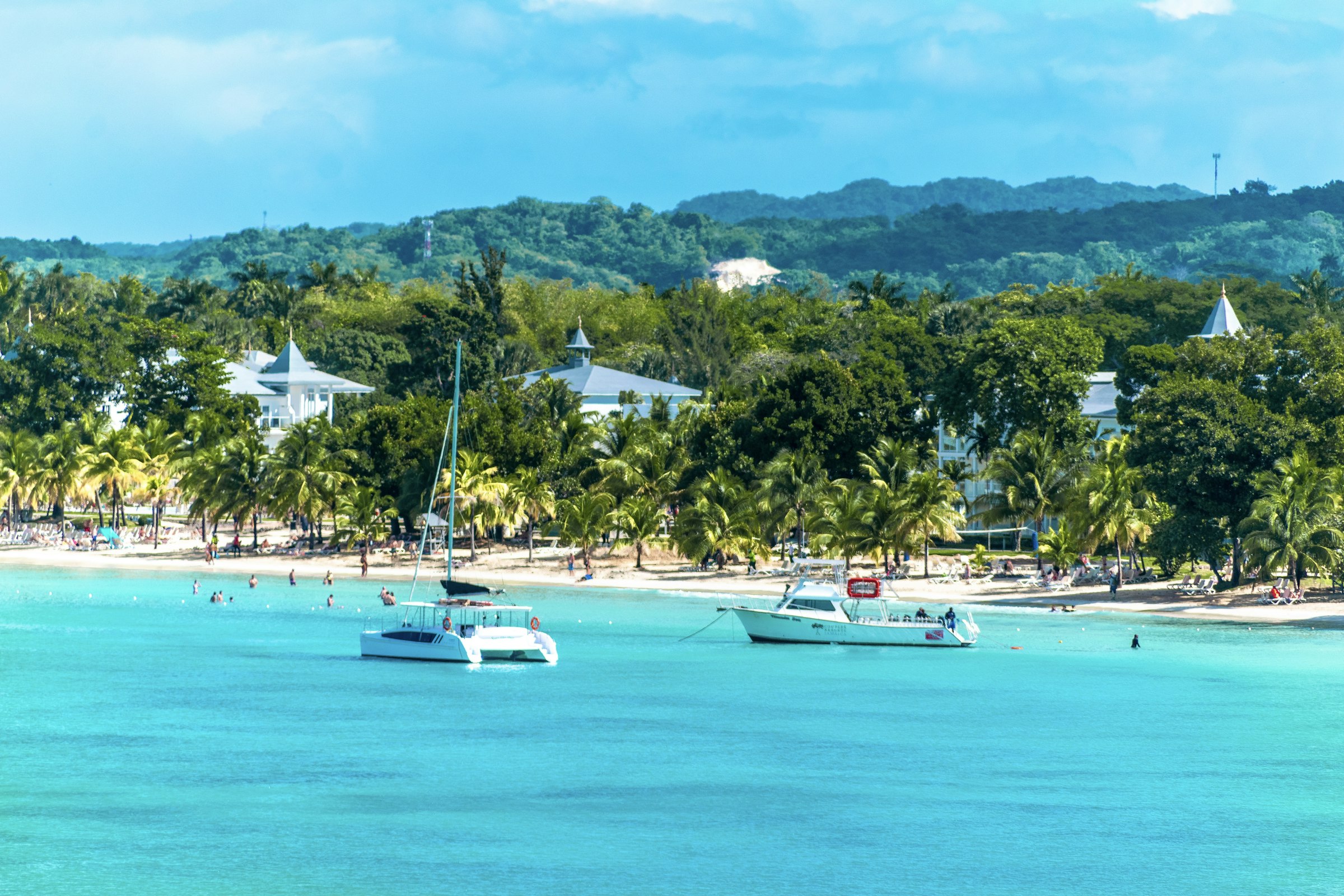
Jamaica runs on its own frequency. You base on the north or west coast for the beaches, take day trips inland to waterfalls and up into the Blue Mountains, and everywhere you go the culture is louder and more distinct than anywhere else in the region — the music, the food, the Patois lilt. It is not the polished, interchangeable Caribbean of resort brochures, and that is exactly why it sticks.
Set up on the north or west coast — Negril's Seven Mile Beach, Montego Bay, or Ocho Rios — and use it as a base. The days out are the point: climb the terraces of Dunn's River Falls, watch the cliff jumpers at Rick's Café over a sunset, hike or sip your way through the Blue Mountains where the coffee comes from, or head east to quieter Port Antonio and the Blue Lagoon. What separates Jamaica from every other island is the outsized culture — reggae and its Kingston roots, jerk cooked over pimento wood, the rhythm of Patois — which makes even a beach week feel like somewhere specific rather than a generic strip of sand.
The honest part: this takes more care than the neighbours. Jamaica has a high crime rate, and while the resort areas are fine, you should not wander into non-tourist urban zones at night and should book reputable transport rather than flag down whatever. Outside the resorts the hustle is real and constant — someone is always selling something — and prices run higher than the Dominican Republic for a comparable trip. Driving yourself means the left-hand side and rough roads, so most people stick to private transfers or the Knutsford Express coach. The trade-off is straightforward: manage the friction and you get the most characterful culture and coastline in the Caribbean.
Highlights
-
Negril & Seven Mile Beach
The long soft-sand west coast, with Rick’s Café cliff jumping at sunset.
-
Blue Mountains
Cool highland hikes and the estates behind Jamaica’s famous coffee.
-
Dunn’s River Falls
Climb the tiered waterfall to the sea — the classic Ocho Rios day out.
-
Montego Bay
The main resort hub and easiest arrival point, with beaches and nightlife.
-
Port Antonio & Blue Lagoon
The quieter east: lush, low-key, and the deep blue lagoon.
-
Kingston music heritage
Reggae’s home, from Trench Town to the Bob Marley Museum.
Practical info
- Visa
- Visa-free for most Western passports. Verify before travel.
- Currency
- JMD (Jamaican Dollar); USD widely accepted.
- Language
- English (official); Jamaican Patois widely spoken.
- Safety
- Resort areas (Negril, Montego Bay, Ocho Rios) are fine, but Jamaica has a high crime rate. Avoid non-tourist urban areas at night and book reputable transport.
- Getting around
- Private transfers or the Knutsford Express coach. Renting a car means left-hand driving on rough roads.
- Tap water
- Tap water generally safe in tourist areas; bottled to be safe.
- Plug type
- Type A Type B 110V
- Money
- Cards at resorts; carry cash everywhere else.
General guidance — visas, safety, and health change, so check your government's travel advisory and the official sources before you go.
Common questions
- When is the best time to visit Jamaica?
- Jamaica is at its best in December–April. It's best to avoid August, September, October.
- How many days do you need in Jamaica?
- Most trips run 1–2 weeks, depending on how much ground you want to cover.
- Is Jamaica expensive?
- Plan for budget – mid-range daily spend, depending on how you travel.
- Is Jamaica safe for travelers?
- Resort areas (Negril, Montego Bay, Ocho Rios) are fine, but Jamaica has a high crime rate. Avoid non-tourist urban areas at night and book reputable transport.
- Do you need a visa for Jamaica?
- Visa-free for most Western passports. Verify before travel.
Compare Jamaica with
If you like Jamaica, also consider
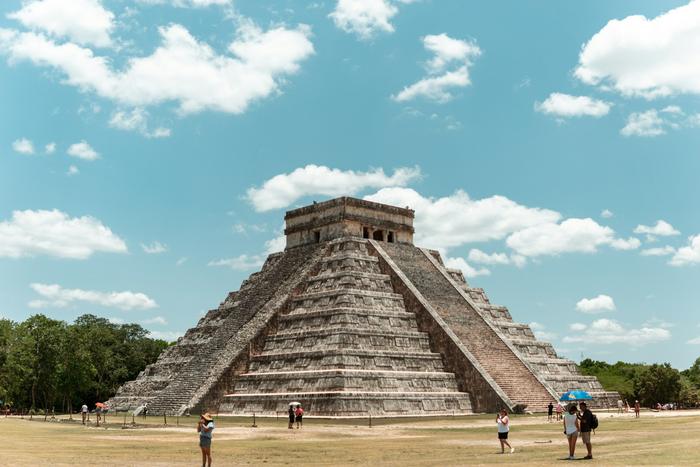
Mexico
Mexico City is world-class. Add the coast, ruins, and food culture.
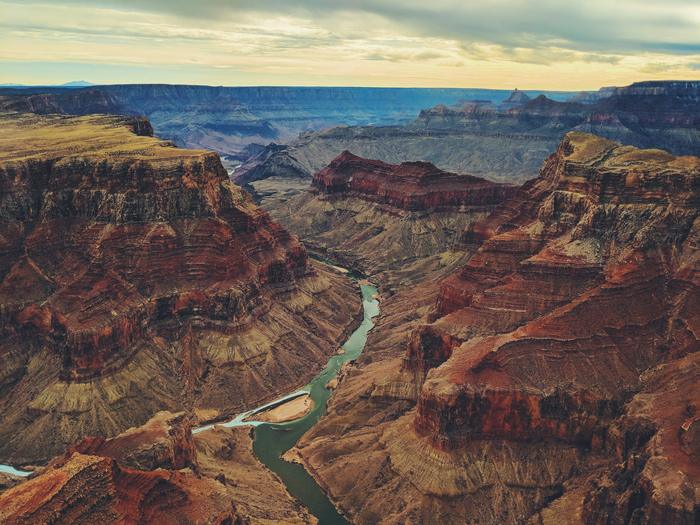
United States
A continent pretending to be a country — cities, deserts, and the best national parks anywhere.
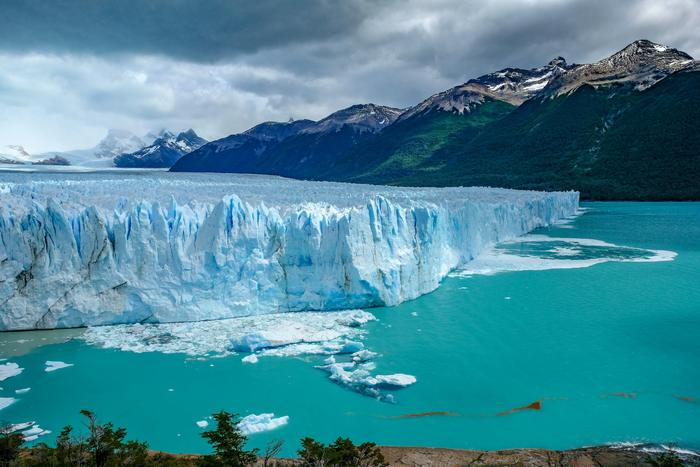
Argentina
Buenos Aires has the best steakhouses and nightlife in South America.
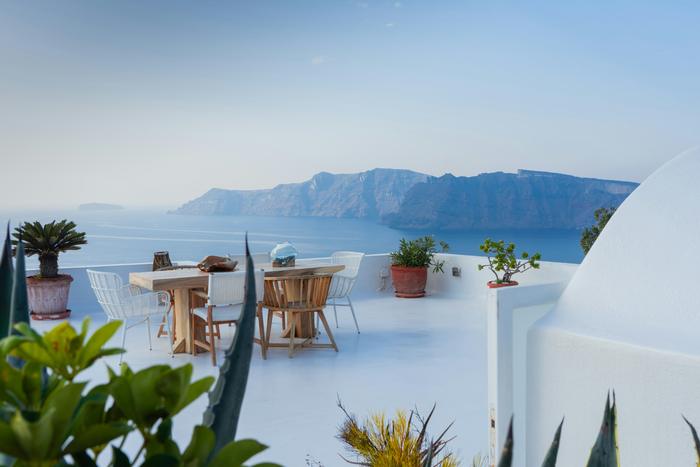
Greece
Ruins in the morning, a swim by noon, taverna until dark.
Spain
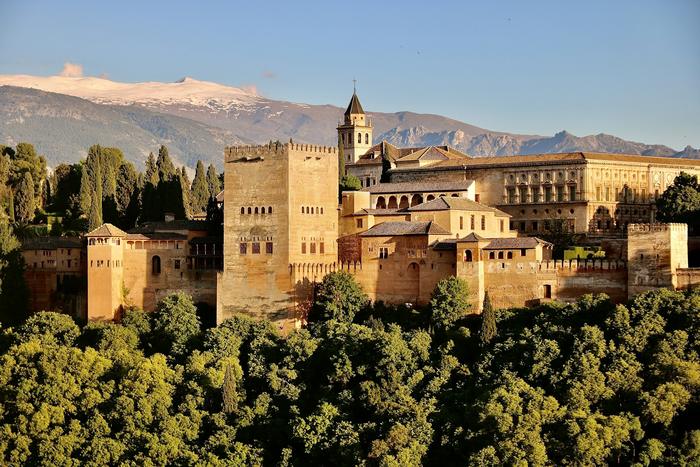
Food, beaches, and three or four cities that each justify the trip.
Thailand
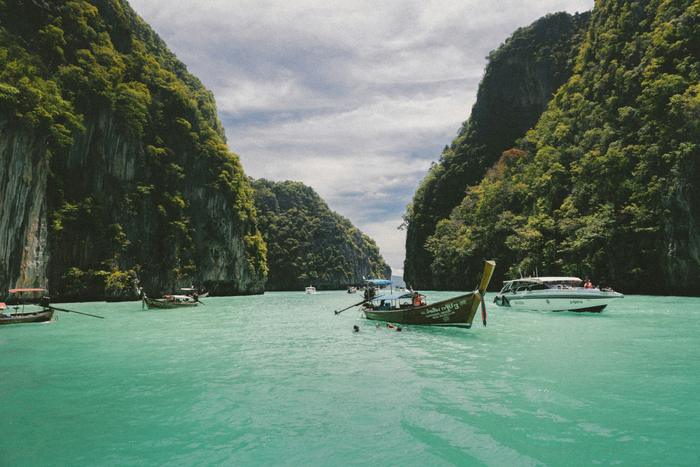
The complete package for warm-climate travel.
Not sure where to go
Take the 5-minute quiz
Answer a few honest questions and get matched to destinations that actually fit how you travel.
Start the quiz