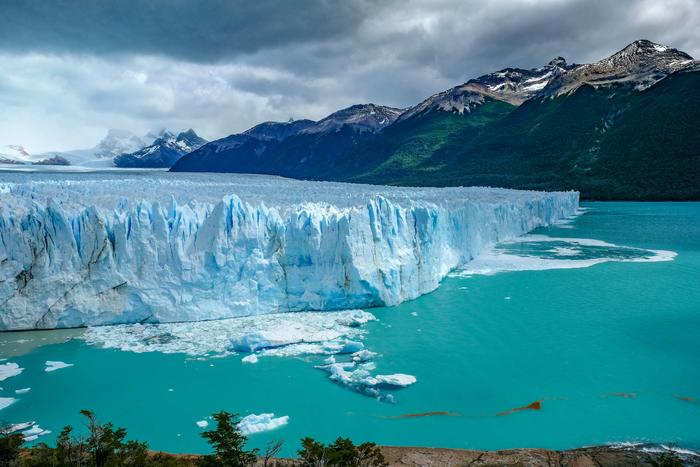
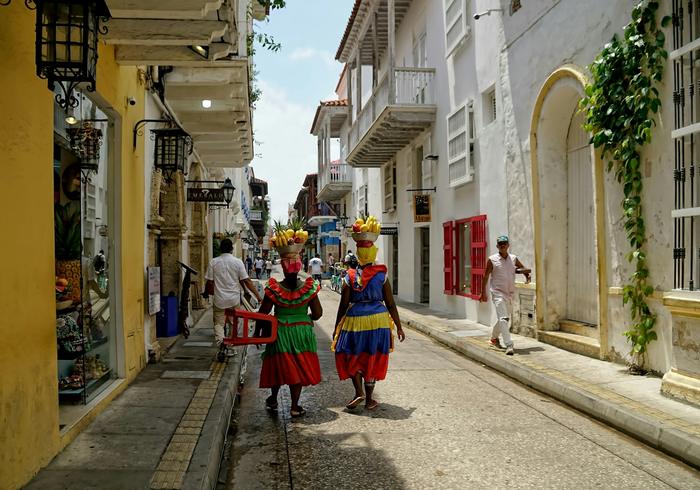
Two of South America’s giants, at opposite ends of the continent and opposite ends of the mood. Argentina is the vast, temperate, European-feeling south — Buenos Aires and tango, the glaciers and granite of Patagonia, Mendoza’s Malbec country, Iguazú’s falls, and steak-and-wine evenings, across enormous distances and southern-hemisphere seasons. Colombia is the warm, tropical-to-Andean north — Cartagena and the Caribbean, Medellín and Bogotá, the coffee region, and a music-and-food culture that never stops, in a country that’s warm year-round. One is wine, ice and European elegance; the other coffee, coast and tropical energy.
Both are South American giants — but one is the vast, temperate, European-feeling south, the other the warm, tropical-to-Andean north.
South vs norththe continent’s endsPatagonia and the southern cone, or the Caribbean and the Andes
Temperate vs tropicalthe climateFour seasons and a cool far south, or warm year-round
Elegance vs energythe moodEuropean café culture and tango, or salsa, coast and coffee
Argentina is the vast, temperate south — Buenos Aires and tango, the glaciers and granite of Patagonia, Mendoza’s Malbec country, Iguazú’s falls, and steak-and-wine evenings, across enormous distances and real southern-hemisphere seasons. Colombia is the warm, tropical-to-Andean north: Cartagena and the Caribbean, Medellín and Bogotá, the coffee region, and a music-and-food culture in a country that stays warm all year.
The operational detail — Argentina’s distances, seasons and (now-settled) money picture; Colombia’s yellow-fever rules, Check-Mig form and safety picture — lives on the two guides: Argentina, know before you go and Colombia, know before you go. This page is the head-to-head.
The real difference
European-feeling south, or tropical north
The trade: Argentina offers Patagonia, wine and European elegance; Colombia offers Caribbean warmth, coffee and vivid culture.
Argentina wins on dramatic landscapes, wine and atmosphere. Patagonia and Iguazú are bucket-list nature, Mendoza is world-class wine country, and Buenos Aires brings a European elegance few places match — a trip for big scenery and sophisticated cities, if one that demands long travel and the right season.
Colombia wins on warmth, variety and energy. Caribbean beaches, the coffee region, reinvented cities and an irrepressible music-and-food culture come in a warmer, more compact, year-round package — a vivid, good-value trip, with the caveat of its safety and health homework. Choose wine and ice, or coffee and coast.
Who suits which
Who each actually suits
Both are South American giants — but one leans temperate scenery and elegance, the other tropical warmth and energy.
If you want…
Argentina
Colombia
Patagonia and dramatic nature
Wins. Glaciers, Iguazú
Lush, but no Patagonia
Caribbean coast and tropical warmth
Temperate, cool south
Wins. Cartagena and the coast
World-class wine country
Wins. Mendoza Malbec
Coffee, not wine
Vivid music-and-food culture
Tango and steak
Wins. Salsa and energy
Warm weather year-round
Seasons matter
Wins. Warm all year
A grand, big-distance country
Wins. Vast and varied
More compact
Doing both
Opposite ends of the continent
Far apart — usually separate trips on a grand tour.
Argentina and Colombia sit at opposite ends of South America with no direct overland route, so they connect by a long flight and are usually separate itineraries rather than one circuit — though a grand continental tour with plenty of time could take in both. Each pairs more naturally with its own neighbours (see Argentina vs Peru, Chile vs Peru and Colombia vs Panama).
What we leave out
What we deliberately leave out
Exact prices beyond the structural comparison — Argentina’s Patagonia costs and shifting money picture, and Colombia’s good-value ground costs — all move, so the figures here are the shape of the difference, not a quote; the country guides carry the live detail. Each country’s volatile specifics (Argentina’s currency situation, Colombia’s yellow-fever and safety picture) are covered on its guide, to be checked before you commit, rather than restated here.
Argentina or Colombia, month by month
Which of the two is the better bet for each month of the year, scored on
how well the season suits each place.
Caribbean coast, coffee and tropical warmth top the list.
You want vivid culture, music and food, and better year-round weather.
A warmer, more compact, more energetic trip over a vast cool one.
Common questions
Is Argentina or Colombia better for landscapes?
It depends which landscapes. Argentina has the more dramatic, bucket-list nature — the glaciers and granite towers of Patagonia, the thundering Iguazú falls, the high-altitude northwest — spread across enormous distances. Colombia’s nature is warmer and greener — the coffee region’s wax-palm valleys, Caribbean beaches, the Andes and the Amazon — and more compact. For big, dramatic, cool-climate scenery, Argentina; for lush, tropical variety close together, Colombia.
Which has the better cities and culture?
Different flavours. Argentina’s Buenos Aires is one of the world’s great cities — grand, European-feeling, with tango, café culture and a famous nightlife. Colombia’s cities are warmer and more vivid — Cartagena’s colonial romance, Medellín’s reinvention and energy, Bogotá’s museums — wrapped in a salsa-and-food culture. For European elegance, Argentina; for tropical energy and a vibrant street culture, Colombia.
Which has better weather and when should I go?
Colombia is warm year-round (climate varies by altitude, not season), so it’s a reliable any-time trip, with December–March and July–August the driest windows. Argentina has real southern-hemisphere seasons and huge climatic range — Patagonia is a summer trip (roughly November–March), Buenos Aires is pleasant in spring and autumn, and the far south shuts in winter. For year-round warmth and flexibility, Colombia; for Argentina, the season dictates the region.
Which is better value, and are there money quirks?
Both are good value for South America. Colombia is cheap on the ground, with domestic flights the main cost. Argentina is also good value, with Patagonia the pricey leg — and its money situation has settled since 2025 (the old “blue dollar” parallel-rate gap has largely closed, so cards now charge a fair rate). Colombia’s cautions are more about safety and the yellow-fever requirement than money. The country guides carry the current detail: Argentina and Colombia.
Can I combine them?
They’re far apart — opposite ends of the continent, with no direct overland route — so you’d connect by a long flight, and they’re usually separate trips rather than one circuit. A grand South America tour could take in both with plenty of time. Each pairs more naturally with its own neighbours — Argentina with Peru and (via the far south) Chile, Colombia with Panama.