Colombia vs Cuba

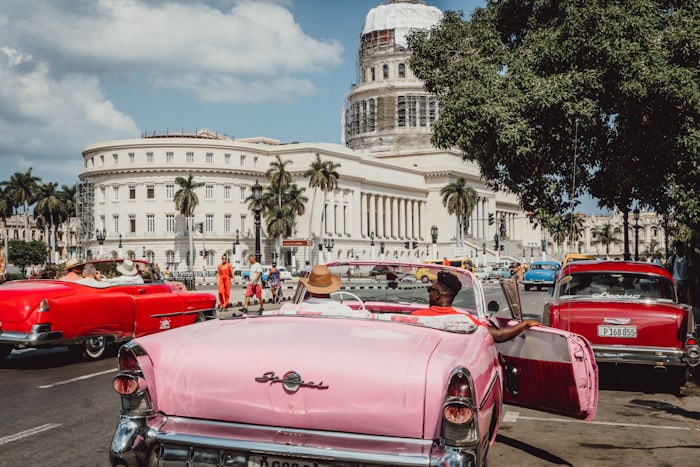
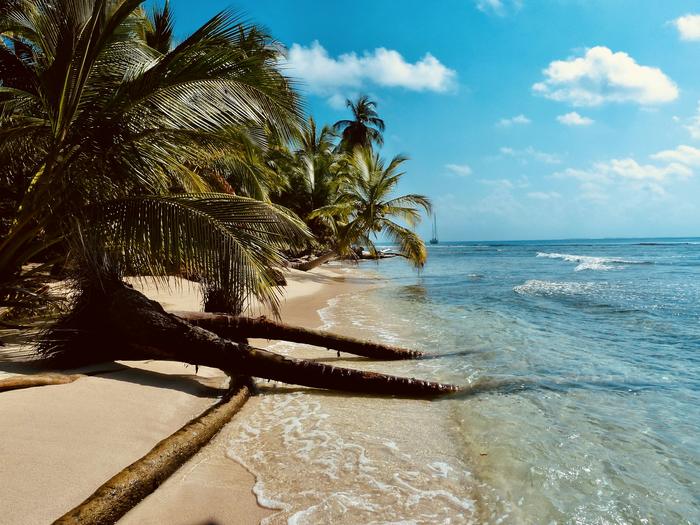
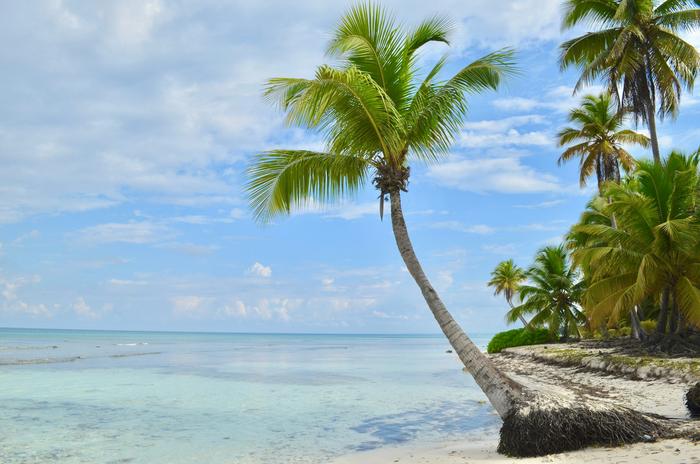
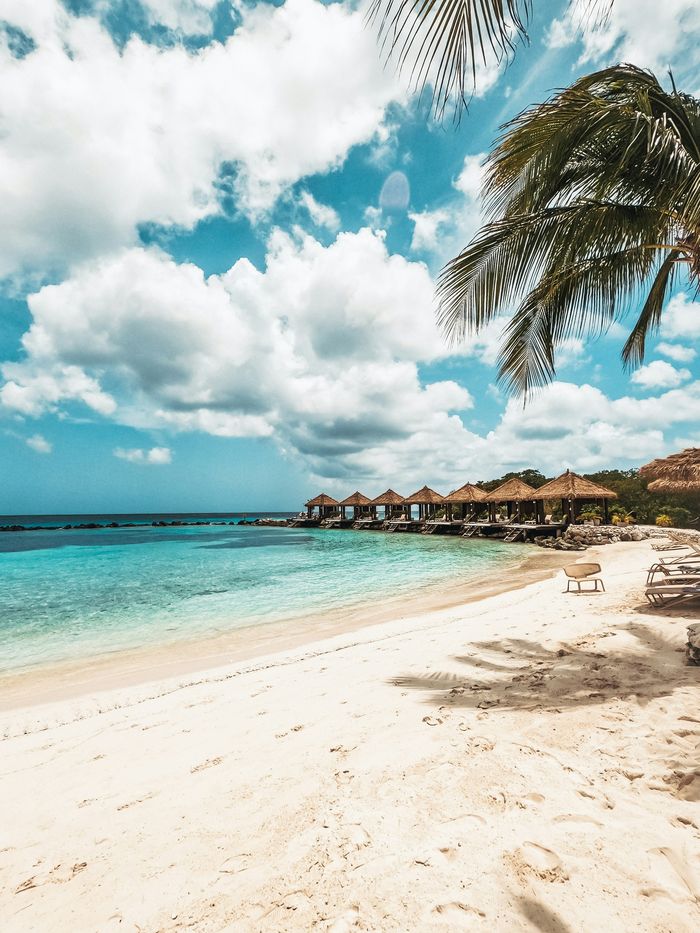
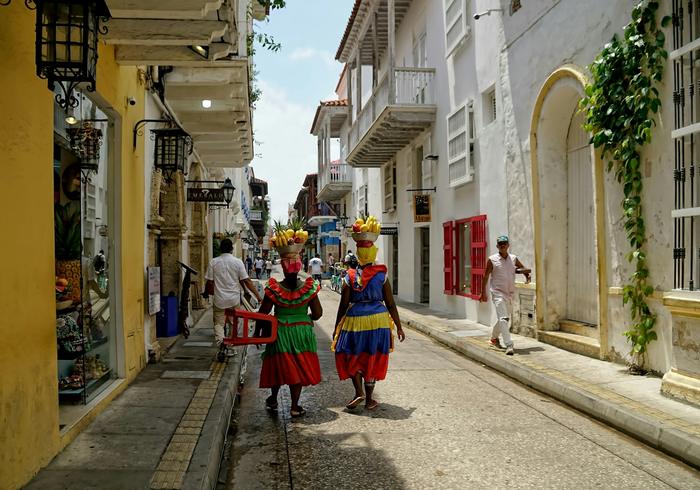
Two Caribbean-facing Latin destinations with very different realities. Colombia is the big, vibrant one — a Caribbean coast, Andean cities (Cartagena, Medellín, Bogotá), the coffee region, and an irrepressible music-and-food culture — developing fast and easy to travel, with some safety homework. Cuba is the time-capsule — Havana’s classic cars and crumbling grandeur, music everywhere, tobacco valleys and beaches — intoxicating in atmosphere but, in 2026, a country in deep economic crisis. One is a varied, forward-moving trip; the other a singular, challenging cultural experience.

South America

Colombia

Medellin is one of the most exciting cities in the world right now.

Best time to visit
  1. January: peak
  2. February: peak
  3. March: peak
  4. April: fine
  5. May: fine
  6. June: fine
  7. July: peak
  8. August: peak
  9. September: fine
  10. October: fine
  11. November: fine
  12. December: peak
Peak Fine Avoid

Caribbean

Cuba

Music, classic cars, and crumbling grandeur — go for the country, not the comfort.

Best time to visit
  1. January: peak
  2. February: peak
  3. March: peak
  4. April: peak
  5. May: fine
  6. June: avoid
  7. July: avoid
  8. August: avoid
  9. September: avoid
  10. October: fine
  11. November: peak
  12. December: peak
Peak Fine Avoid

Read our full guides about Colombia and Cuba.

Side by side

Emphasised where they differ. Muted rows are much the same either way.

Colombia Cuba
Best time July, August, December–March November–April
Climate warm warm
Budget Good value on the ground — cards work; domestic flights the main cost Cash-only — bring every euro/dollar you’ll need; cards don’t work
Trip length 2–6 wks 1–2 wks
Visa Visa-free for most Western passports (90 days). Tourist card required for most Western passports; buy before travel. Verify rules first.
Currency COP (Peso). Roughly 4,200 COP ≈ 1 USD. CUP (Cuban Peso). Bring cash (USD or EUR); most Western cards do not work.
Language Spanish. Limited English outside tourism. Spanish. Limited English.
Tap water Tap water safe in Medellin and Bogota; bottled elsewhere. Tap water not safe to drink; stick to bottled.
Safety Much improved. Stay in good areas, no flashy phones, no street drugs. Low violent crime; watch for scams and petty theft in Havana.

General guidance — visas, safety, and health change, so check your government's travel advisory and the official sources before you go.

The split

Vibrant and forward-moving, or a time-capsule in crisis

Both are Latin and Caribbean-facing — but one is a big, developing, easy country, the other a singular time-capsule under great strain.

Developing vs crisisthe realityFunctional, forward-moving travel, or shortages and blackouts
Variety vs atmospherethe drawCoast, coffee and cities, or Havana’s cars and music
Cards vs cash-onlythe moneyColombia’s cards work; Cuba needs all cash up front

Colombia is the big, vibrant one — a Caribbean coast, Andean cities, the coffee region, and an irrepressible music-and-food culture — developing fast and easy to travel, with some safety homework. Cuba is the time-capsule: Havana’s classic cars and crumbling grandeur, music everywhere, tobacco valleys and beaches — intoxicating, but in 2026 a country in deep economic crisis.

The operational detail — Colombia’s yellow-fever rules, Check-Mig and safety picture; Cuba’s US-travel rules, cash-only reality, shortages and ESTA knock-on — lives on the two guides: Colombia, know before you go and Cuba, know before you go. This page is the head-to-head.

The real difference

Easy variety, or singular hardship

The trade: Colombia offers vibrant variety and functional travel; Cuba offers a one-of-a-kind atmosphere at the cost of real hardship.

Colombia wins on ease, variety and value. Coast, coffee, cities and a vivid culture come in a functional, forward-moving country where cards work — a rewarding trip with fewer of the frictions a Cuba visit involves (the caveats being safety and health homework).

Cuba wins on singular atmosphere — with eyes open. Nothing feels like Havana, and the music and faded grandeur are unforgettable, but in 2026 it means genuine hardship: shortages, blackouts, all-cash budgeting and an “all but essential travel” advisory. Choose vibrant variety, or the singular time-capsule.

Who suits which

Who each actually suits

Both are Latin and Caribbean-facing — but one leans variety and ease, the other atmosphere and accepted hardship.

If you want…ColombiaCuba
Easy, functional travelWins. Cards workIn deep crisis
A one-of-a-kind atmosphereVibrant and modernWins. Havana time-capsule
Coast, coffee and citiesWins. Great varietySmaller spread
Working cards and infrastructureWins.Cash-only, blackouts
Music and classic-car romanceSalsa and energyWins. Son and old cars
No US-travel complicationsWins. Simply visa-freeOFAC rules + ESTA knock-on

Doing both

Close, but different demands

Linkable by a short flight; usually treated separately.

Colombia and Cuba are relatively close across the Caribbean and can be linked by a short flight on a longer trip, but they make very different demands, so most people treat them separately. Colombia pairs more naturally with its mainland neighbours (see Colombia vs Panama, Colombia vs Peru and Argentina vs Colombia); Cuba also features in Argentina vs Cuba.

What we leave out

What we deliberately leave out

Exact prices beyond the structural comparison — Colombia’s good-value ground costs and Cuba’s cash budgeting both move — so the figures here are the shape of the difference, not a quote; the country guides carry the live detail. Each country’s volatile specifics (Colombia’s yellow-fever and safety picture, Cuba’s US rules, rates, shortages and advisory) are covered on its guide, to be checked before you commit, rather than restated here.

Colombia or Cuba, month by month

Which of the two is the better bet for each month of the year, scored on how well the season suits each place.

Which to choose

Choose Colombia if:

  • Coast, coffee, cities and vibrant culture are the draw.
  • You want easy, forward-moving travel with working cards.
  • Variety and modern energy over time-capsule atmosphere.

Choose Cuba if:

  • Havana’s atmosphere, classic cars and music are the whole point.
  • You accept real hardship and logistics for a singular trip.
  • A Caribbean time-capsule over a big developing country.

Common questions

Which is easier to travel right now?
Colombia, clearly. It’s a developing but functional country with working cards, domestic flights and generally smooth logistics (the caveats are safety-related). Cuba is in a deep economic crisis in 2026 — severe shortages of food, fuel and medicine, repeated nationwide blackouts, a cash-only economy where foreign cards don’t work, and the UK advising against all but essential travel. For ease, Colombia overwhelmingly; Cuba is for those who accept the difficulty for the experience.
What does each offer that the other doesn’t?
Colombia offers variety and momentum — Cartagena and the Caribbean coast, Medellín’s reinvention, the coffee region, and a vivid, modern culture. Cuba offers a singular, frozen-in-time atmosphere — Havana’s classic American cars and faded splendour, live son and salsa, the tobacco valleys of Viñales and colonial Trinidad. One is forward-moving variety; the other pure time-capsule culture.
How does money work in each?
Very differently. In Colombia, cards work normally and it’s good value on the ground (domestic flights are the main cost). In Cuba, you must bring enough physical cash (euros or US dollars) for the whole trip — US cards don’t work at all and even non-US cards are unreliable — amid severe inflation and a big official-vs-informal exchange gap. The guides carry the specifics: Colombia and Cuba.
Are there US-travel catches?
With Cuba, yes. US citizens can’t visit Cuba as pure tourists (they need an OFAC category, tightened in 2026), and — for any nationality — having visited Cuba since January 2021 removes US ESTA visa-waiver eligibility, so a later US trip would need a full visa. Colombia has none of this; it’s simply visa-free with a Check-Mig form and a yellow-fever requirement for much of the country. Detail is on the Cuba guide.
Can I combine them?
They’re relatively close across the Caribbean and can be linked by a short flight on a longer trip, but they make very different demands, so most people treat them separately. Colombia pairs more naturally with its mainland neighbours (see Colombia vs Panama, Colombia vs Peru and Argentina vs Colombia); Cuba with Argentina vs Cuba.

Still undecided

Take the quiz

Three matches. Often answers comparison questions for you.

Start the quiz