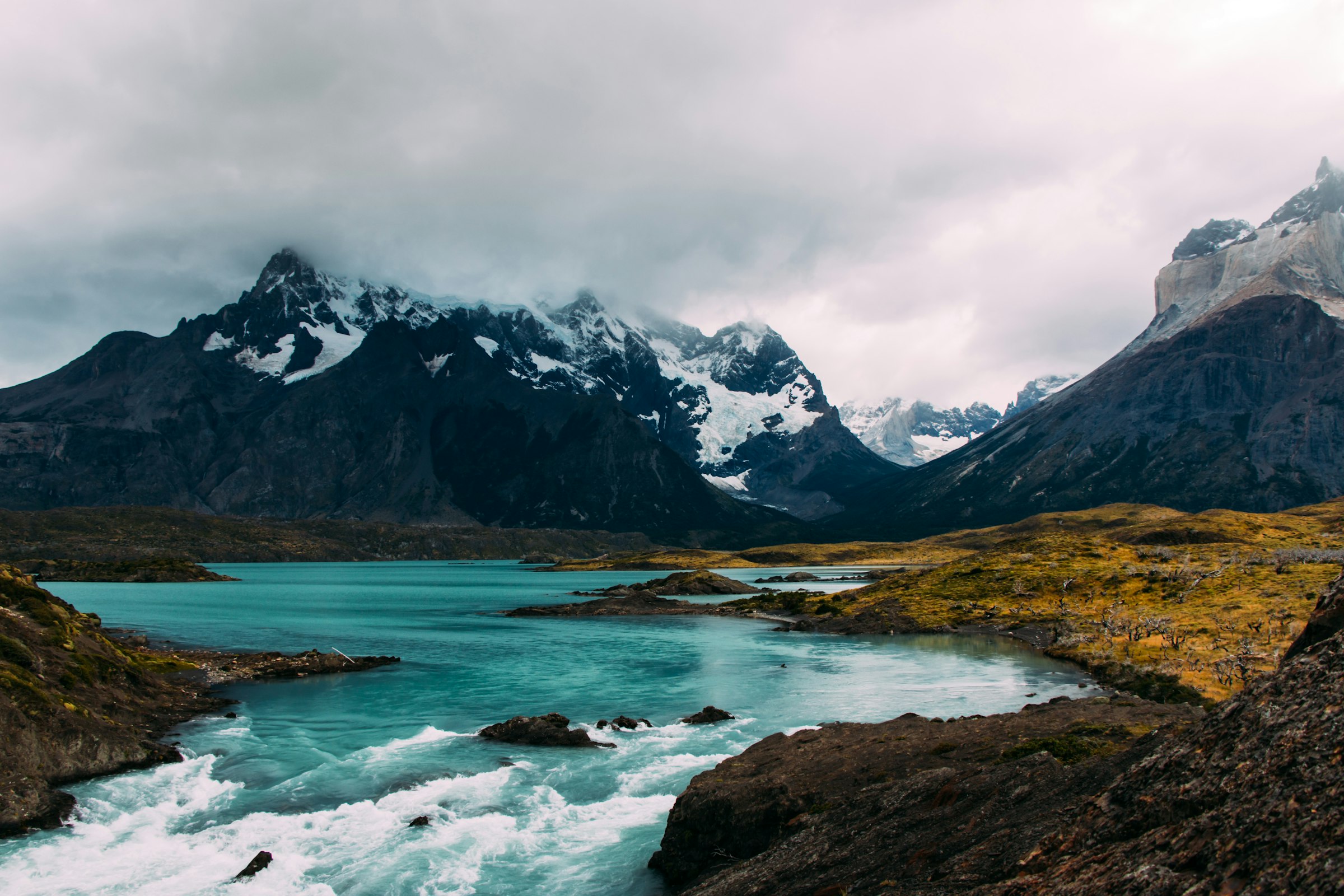
Patagonia isn’t a country — it’s a vast wilderness region shared between southern Argentina and Chile, and a trip here almost always crosses the border. It rewards the long flight and the harder logistics: Torres del Paine (Chile) is the famous trek, while El Chalten and the Fitz Roy region (Argentina) are arguably more striking, and the southern fjords by ferry are a separate experience entirely. The window is short (Nov–Mar) and weather is the dominant variable.
You fly into El Calafate or Punta Arenas and ride long-distance buses between hubs — distances are real, and a 'short hop' is five hours. El Chalten is the best base in the region: free trails straight out of town, with Laguna de los Tres as the brutal, perfect day hike. Torres del Paine needs refugio bookings months ahead. Evenings are asado, Malbec, and comparing wind stories. The money goes to refugios, park fees, and simply getting there.
The honest part: the wind is constant and occasionally knocks adults over, the clouds can hide Fitz Roy or the Torres for your entire stay, and nobody refunds the view. Refugio prices sting for what is essentially a bunk bed. Argentine currency logistics still reward carrying US dollars. If you need certainty from a trip, this place will punish you. If you can gamble a few days on weather, the payoff is the most dramatic terrain you will ever walk through.
Highlights
-
Torres del Paine (Chile)
The W trek or the longer O circuit. Book the refugios early.
-
El Chalten (Argentina)
Fitz Roy and Cerro Torre — day-hike base for serious peaks.
-
Perito Moreno Glacier
One of the few advancing glaciers — calving in real time.
-
Tierra del Fuego
The end of the road. Ushuaia, plus boats to Antarctica if you have $.
Practical info
- Visa
- Argentina/Chile — visa-free for most Western passports (90 days each).
- Currency
- ARS / CLP. USD useful for some payments.
- Language
- Spanish. Limited English outside tourism.
- Safety
- Very safe. Wind and weather are the real risks.
- Getting around
- Fly to El Calafate or Punta Arenas. Hire car or join organized treks.
- Tap water
- Tap water generally safe in towns.
- Plug type
- Type C Type I 220V
- Money
- Bring USD cash. Cards work in tourism but not always.
General guidance — visas, safety, and health change, so check your government's travel advisory and the official sources before you go.
Common questions
- Do I need a visa for Patagonia?
- No — both Argentina and Chile are visa-free for up to 90 days for US, UK, EU, Canadian and Australian tourists, and the old reciprocity fees are abolished. A trip typically crosses between the two countries, with strict no-fresh-food border controls. See entry.
- How hard is it to arrange Torres del Paine?
- The binding constraint is beds: you cannot hike without pre-booked refugios or campsites (via CONAF, Fantástico Sur and Vértice), and popular ones sell out within weeks of opening — book 4–6 months ahead. The "W" is ~4–5 days, the "O" circuit 7–10. See the Chilean side.
- Perito Moreno or Fitz Roy?
- Both, on the Argentine side — the Perito Moreno glacier (boardwalks, calving) from El Calafate, and Fitz Roy with the Laguna de los Tres day hike from El Chaltén, the trekking capital. See the Argentine side.
- Is the Argentine "blue dollar" still worth chasing?
- No — by 2026 the parallel-rate gap has collapsed to a few percent under reform, so cards and ATMs now give near-market rates and carrying US-dollar cash no longer pays. (The peso stays volatile — re-check.) See money.
- When should I go?
- The austral summer (November–March) is the season — long days, open treks, the glaciers at their best, and the fiercest wind. Winter mostly shuts the trekking down. See when to go.
- Is Ushuaia worth the detour?
- Ushuaia — the "end of the world" and the main Antarctica cruise port — is memorable, but it’s a separate leg far from the glaciers. See the far south.
Entry
Two countries, one trip
Visa-free on both sides — you’ll cross the border.
Patagonia isn’t a country — it’s the far south of both Argentina and Chile, and almost any trip crosses between them. Happily both are visa-free for up to 90 days for US, UK, EU, Canadian and Australian visitors, and the old reciprocity entry fees have been abolished on both sides. Chile issues a PDI tourist card on arrival — keep it for exit.
The practical border fact is agriculture: crossings (such as between El Calafate and Puerto Natales) enforce strict controls — no fresh fruit, meat, dairy or seeds — and everyone disembarks the bus for immigration on both sides.
Plan the itinerary as a two-country loop — typically El Calafate/El Chaltén (Argentina) with Torres del Paine/Puerto Natales (Chile) — and allow time for the border crossings. Don’t carry fresh food across, keep your Chilean PDI card, and if hiring a car to cross, arrange the notarised cross-border permit in advance.
The Chilean side
Torres del Paine, booked in advance
The granite towers — and a reservation system to master.
The "W" Torres del Paine — Chilean Patagonia’s great trek
The Chilean side’s crown jewel is Torres del Paine — a national park of sheer granite towers, glacier-fed lakes and roaming guanacos, and one of the world’s great trekking destinations. The two classic routes are the "W" (four or five days of the headline valleys) and the full "O" circuit (a week or more, adding the wild back side).
The thing to understand early is that it’s a reservation system, not a wilderness free-for-all: every night needs a pre-booked refugio or campsite across three operators, and the good ones vanish within weeks of opening. Puerto Natales is the base town for logistics and gear.
| Trek / booking | What | Note |
|---|---|---|
| The "W" trek | ~4–5 days, the three main valleys | The popular route |
| The "O" circuit | ~7–10 days, the full loop | Adds the remote back side |
| CONAF / Fantástico Sur / Vértice | The three booking bodies | You cannot hike without pre-booked beds |
| Puerto Natales | The gateway town | ~2–2.5 h from the park; gear rental |
Bookings open around 1 September and popular refugios sell out within weeks — reserve 4–6 months ahead, plus the separate park ticket.
If Torres del Paine is your goal, book the refugios/campsites 4–6 months ahead (bookings open ~September 1) — this is the single biggest planning task of a Patagonia trip, and leaving it late means no trek. Base in Puerto Natales for gear and transfers, and buy the separate park entry ticket online in advance.
The Argentine side
A calving glacier and Fitz Roy
Los Glaciares: one glacier to watch, one mountain to walk to.
Perito Moreno Los Glaciares — a glacier you watch calve
The Argentine side centres on Los Glaciares National Park and two very different experiences. Perito Moreno, reached from El Calafate, is that rare thing — an accessible, advancing glacier you simply stand and watch, as house-sized blocks calve off its face into the lake, with boat trips and ice-walks on offer.
A few hours north, El Chaltén is the trekking capital, built at the foot of the spires of Fitz Roy and Cerro Torre. Its best day hikes — above all the climb to the Laguna de los Tres — start right from the village, are free and need no permit, the easy counterpoint to Torres del Paine’s booking maze.
Pair El Calafate (Perito Moreno) with El Chaltén (Fitz Roy) — they’re a ~3-hour bus apart and complement each other perfectly, one a glacier day-trip, the other free self-guided trekking. Chaltén’s weather is notoriously fickle, so give it buffer days to catch a clear Fitz Roy.
The far south
The end of the world
Beyond the treks: Tierra del Fuego and the gateway to Antarctica.
At the very bottom sits Ushuaia, the self-proclaimed "end of the world" on Tierra del Fuego — a scrappy, scenic port beneath snow peaks, with its own national park and Beagle Channel cruises. It’s also the main embarkation point for Antarctica, whose expedition ships cross the Drake Passage through the austral summer (November–March).
Far to the north, a different Patagonia begins: Bariloche and the Lake District, a more temperate land of alpine lakes, chocolate shops and winter skiing — a reminder of just how vast and varied this region is.
Wildlife & wind
Pumas, whales and relentless wind
Big skies, big animals — and an ever-present gale.
Patagonia’s wildlife is as grand as its scenery. Torres del Paine is now one of the world’s premier places to track wild pumas, and guanacos and condors are everywhere on the steppe. On the Atlantic coast (a separate northern leg), the Península Valdés delivers southern right whales, penguins, sea lions and orcas.
Underpinning it all is the Southern Patagonian Ice Field, the largest ice mass outside Antarctica, which feeds the region’s great glaciers — and the wind, a relentless, gusting force (often over 100 km/h) that defines hiking and driving here, especially in the summer peak.
| Where / what | Draw | Note |
|---|---|---|
| Península Valdés | Whales, penguins, sea lions | Atlantic coast (~42.5°S) — a separate leg |
| Torres del Paine | A world puma-tracking destination | Plus guanacos and condors |
| Southern Ice Field | The largest ice mass outside Antarctica | Feeds Perito Moreno, Grey and Upsala |
| The wind | Relentless, especially spring/summer | Gusts over 100 km/h — a real hazard |
Guanacos and soaring Andean condors are near-constant companions on the steppe.
Getting around
Flights, buses and vast distances
An enormous, empty region — plan the logistics carefully.
Patagonia is huge and sparsely populated, so logistics are the trip. Most people fly into the key hubs — El Calafate (FTE) for the glaciers, Punta Arenas (PUQ) for Torres del Paine, Ushuaia (USH) for the far south — to skip the enormous drives.
On the ground, a good tourist bus network links the hubs, including the cross-border run between El Calafate and Puerto Natales. Hiring a car is possible (Argentina’s legendary Ruta 40 runs the Andes’ foot), but taking it across the border needs a notarised permit — many travellers simply bus across instead.
When to go
The austral summer, and only then
A short southern season — windy, long-lit and busy.
The austral summer (November–March, peak Dec–Feb) is the main season — 16+ hours of daylight, all treks and refugios open, warmest, but the windiest and most crowded. October and April are quieter shoulders; winter largely shuts the trekking infrastructure (Bariloche skis excepted).
Patagonia runs on the austral summer (November–March), peaking December–February: long days (16+ hours of light in December), every trek and refugio open, and the warmest, most settled conditions — which is also when it’s windiest and busiest, and when prices peak.
The shoulders (October and April) are quieter, with less wind and autumn colour in April, though shorter days and some services winding down. Winter (May–September) largely closes the trekking world — Torres del Paine’s circuits shut — bar the Bariloche ski season up north.
Money
Two pesos, pricey, and book ahead
Expensive and remote — with the old peso trick now dead.
Two currencies are in play — the Argentine peso and the Chilean peso — so change money as you cross. The big recent shift is on the Argentine side: the chaotic "blue" (parallel) dollar rate has essentially normalised under 2024–26 reforms, the gap down to a few percent, so cards and ATMs now give near-market rates and the old habit of hauling US-dollar cash for a better rate no longer pays (the peso remains volatile, so re-check).
Either way, Patagonia is expensive and remote by South American standards — remote logistics, imports and high demand push prices up — and supply is limited, so refugios, Antarctica cruises and peak-summer flights must be booked months ahead.
- The classic trekking tripSkiptrying to see all of PatagoniaGoEl Calafate + El Chaltén + Torres del Paine
- Glaciers without a multi-day hikeSkipcommitting to the "W"GoPerito Moreno day-trips from El Calafate
- The very end of the worldSkipassuming it’s near the glaciersGoa separate leg down to Ushuaia
| On the bill | Detail | Note |
|---|---|---|
| Currencies | Argentine peso & Chilean peso | Separate — change when you cross |
| Argentine peso | The "blue"-rate edge is gone (2026) | Cards/ATMs now give near-market rates |
| Booking | Refugios, cruises and flights fill early | Torres del Paine beds 4–6 months ahead |
Patagonia is expensive and remote by regional standards — the trip rewards planning and early booking.
Treat early booking as the golden rule — Torres del Paine beds, summer flights and any Antarctica cruise fill up far in advance. Don’t bother stockpiling US-dollar cash for Argentina any more; cards and ATMs are fine now. And budget realistically: this is the Andes’ priciest, most logistically demanding corner.
Compare Patagonia
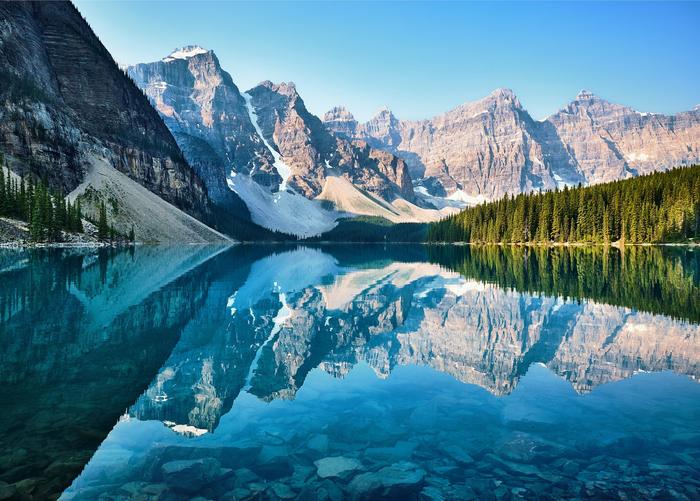
If you like Patagonia, also consider
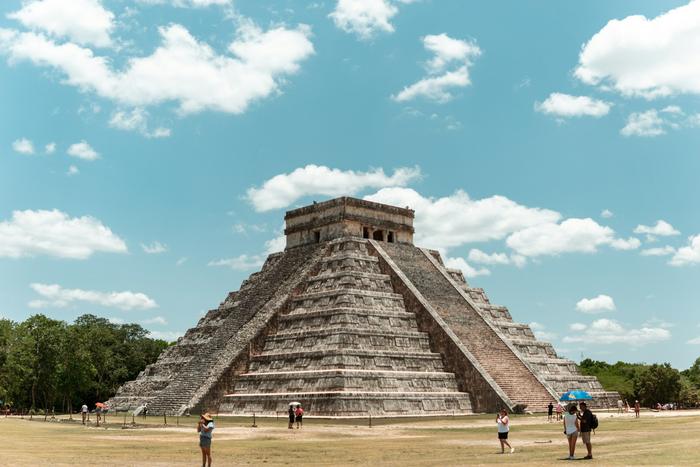
Mexico
Mexico City is world-class. Add the coast, ruins, and food culture.
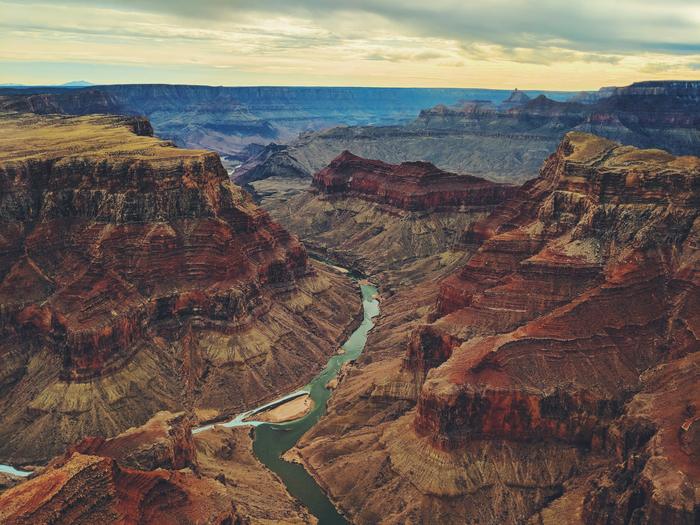
United States
A continent pretending to be a country — cities, deserts, and the best national parks anywhere.
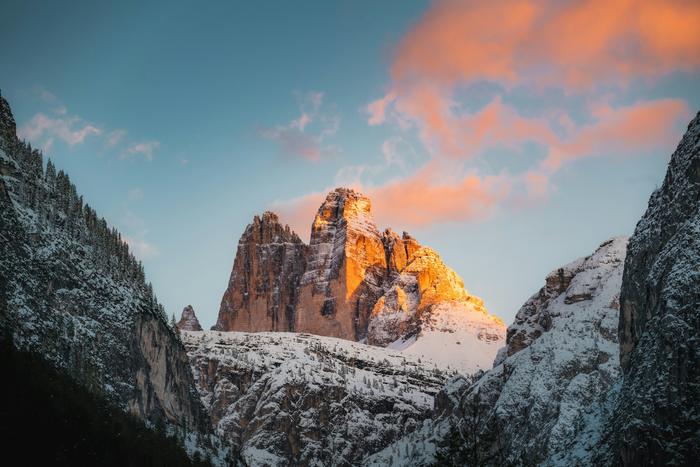
The Alps
The ski and alpine benchmark — every other mountain range is measured against this.
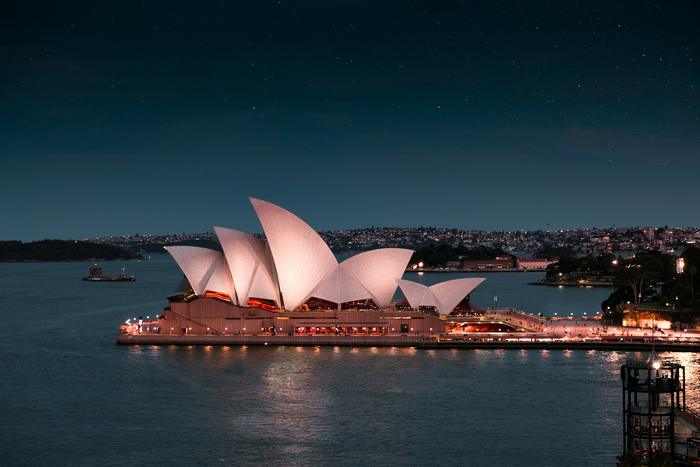
Australia
Vast, varied, relaxed. Reef, Sydney, and proper wilderness in one.
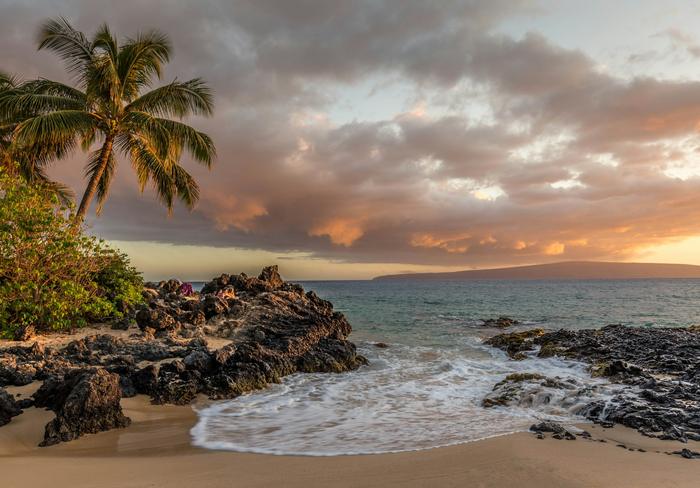
Hawaii
A handful of islands where the landscapes and the ocean genuinely earn the flight.
Not sure where to go
Take the 5-minute quiz
Answer a few honest questions and get matched to destinations that actually fit how you travel.
Start the quiz