Colombia vs Panama

Two neighbours either side of the Darién, at very different scales. Colombia is the big, varied one — Caribbean and Pacific coasts, Andean cities, a coffee heartland, a world-class food and music culture, and genuine value for money (with some safety homework). Panama is the smaller, slicker one — the Canal and a glassy capital, Caribbean islands and rainforest within easy reach, a US-dollar economy and the stability and ease of a regional hub. One is a rich, sprawling cultural country; the other a compact, easy crossroads.

South America

Colombia

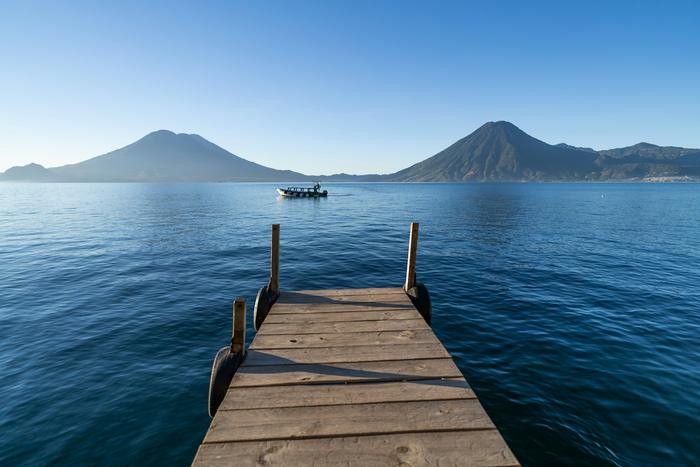
Medellin is one of the most exciting cities in the world right now.

Best time to visit
  1. January: peak
  2. February: peak
  3. March: peak
  4. April: fine
  5. May: fine
  6. June: fine
  7. July: peak
  8. August: peak
  9. September: fine
  10. October: fine
  11. November: fine
  12. December: peak
Peak Fine Avoid
Central America

Panama

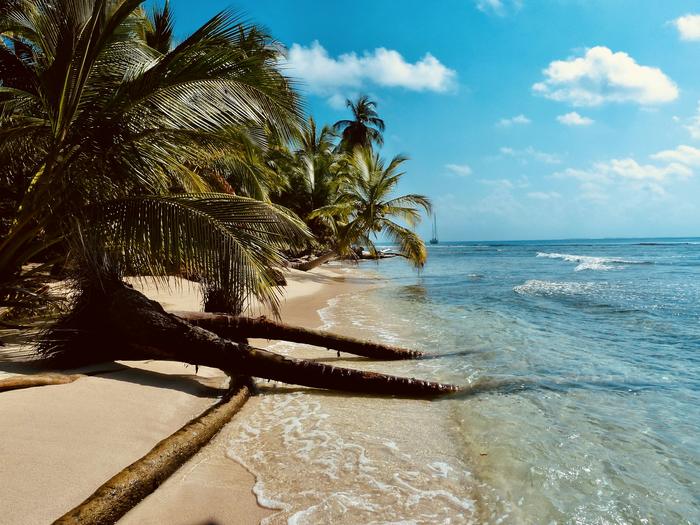
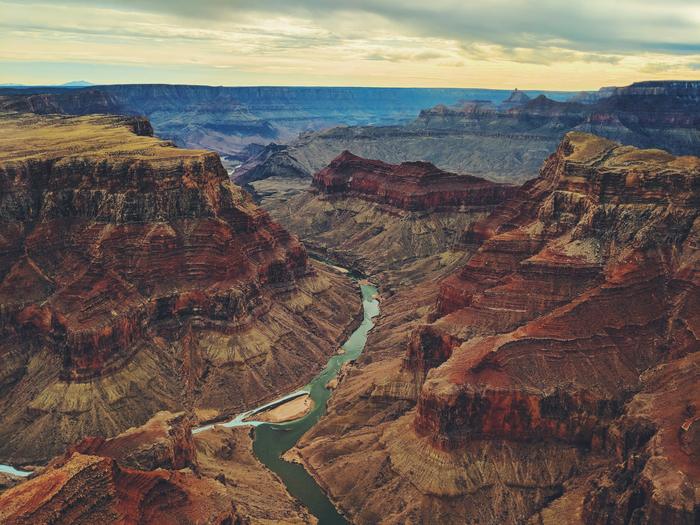
A canal, a real skyline, Caribbean islands, and cloud forest — all inside one small country.

Best time to visit
  1. January: peak
  2. February: peak
  3. March: peak
  4. April: peak
  5. May: fine
  6. June: fine
  7. July: fine
  8. August: fine
  9. September: fine
  10. October: avoid
  11. November: avoid
  12. December: peak
Peak Fine Avoid
Read our full guides about Colombia and Panama.

Side by side

Emphasised where they differ. Muted rows are much the same either way.

Colombia Panama
Best time July, August, December–March December–April
Climate warm warm
Budget Good value on the ground — domestic flights between the regions are the main cost Pricier — a US-dollar economy; the capital and islands cost most
Trip length 2–6 wks 1–2 wks
Visa Visa-free for most Western passports (90 days). Visa-free for most Western passports, up to 180 days. Verify before travel.
Currency COP (Peso). Roughly 4,200 COP ≈ 1 USD. US Dollar. The Balboa is pegged 1:1 and its coins circulate alongside dollars.
Language Spanish. Limited English outside tourism. Spanish; English is common in Panama City business and tourism.
Tap water Tap water safe in Medellin and Bogota; bottled elsewhere. Tap water safe in Panama City and most areas.
Safety Much improved. Stay in good areas, no flashy phones, no street drugs. Panama City and tourist areas are fine with normal caution. Avoid the Darién Gap entirely.

General guidance — visas, safety, and health change, so check your government's travel advisory and the official sources before you go.

The split

A sprawling cultural country, or an easy crossroads

Both are warm and tropical — but one is a big, varied, good-value country, the other a compact, stable, dollar-economy hub.

Big vs compactthe scaleCoasts, cities and coffee across a large country, or a tidy crossroads
Culture vs easethe tradeRich food, music and variety, or stability and simple logistics
Peso vs dollarthe moneyColombia’s good value, or Panama’s pricier US-dollar economy

Colombia is the big, varied one — Caribbean and Pacific coasts, the Andean cities of Medellín and Bogotá, Cartagena’s colonial old town, the coffee heartland, and a food-and-music culture that’s a genuine draw, all at good value (with some safety homework). Panama is the smaller, slicker one: the Canal and a glassy modern capital, the San Blas islands and rainforest within easy reach, a US-dollar economy, and the ease and stability of a regional hub.

The operational detail — Colombia’s Check-Mig form, yellow-fever rules and safety picture; Panama’s dollar economy, canal-centre renovation and recent earthquake — lives on the two guides: Colombia, know before you go and Panama, know before you go. This page is the head-to-head.

The real difference

Variety and value, or ease and stability

The trade: Colombia offers more culture, variety and value; Panama offers simplicity, stability and a compact crossroads.

Colombia wins on variety, culture and value. It’s far bigger and richer — cities, coasts, coffee, food and music — and cheaper on the ground, a country that rewards time and curiosity, provided you do the safety homework its current cautions require.

Panama wins on ease and stability. The Canal is a genuine one-of-a-kind sight, the dollar economy and hub infrastructure make logistics simple, and you can sample islands, rainforest and a modern capital in a short, low-friction trip — at higher prices and with less cultural depth. Choose variety and value, or ease and a crossroads.

Who suits which

Who each actually suits

Both are tropical neighbours — but one leans culture, variety and value, the other ease and stability.

If you want…ColombiaPanama
Culture, food and musicWins. A real drawLighter
The Panama CanalNo equivalentWins. The icon
Variety and a big country to roamWins. Coasts, cities, coffeeCompact
Simple logistics and stabilityMore homeworkWins. An easy hub
Lower costs on the groundWins. Good valuePricier dollar economy
Islands + rainforest in one short tripSpread outWins. All within reach

Doing both

Neighbours with no road between

Link them by air or sea — never overland through the Darién.

Colombia and Panama are neighbours, but the roadless, dangerous Darién Gap means there’s no overland route between them — you connect by a short flight or by sea. A longer Latin America trip can pair Panama’s Canal and islands with Colombia’s cities and coast. Each also compares with its other neighbours (see Costa Rica vs Panama, Guatemala vs Panama and Argentina vs Colombia).

What we leave out

What we deliberately leave out

Exact prices beyond the structural comparison — Colombia’s good-value ground costs and Panama’s dollar-economy prices both move — so the figures here are the shape of the difference, not a quote; the country guides carry the live detail. Each country’s volatile specifics (Colombia’s yellow-fever and safety picture, Panama’s canal-centre renovation and post-earthquake status) are covered on its guide, to be checked before you commit, rather than restated here.

Colombia or Panama, month by month

Which of the two is the better bet for each month of the year, scored on how well the season suits each place.

Which to choose

Choose Colombia if:

  • Culture, cities, coffee and food are the draw.
  • You want more variety and better value, and will do the safety homework.
  • A big country to roam over a compact one.

Choose Panama if:

  • The Canal, easy logistics and a stable hub appeal.
  • You want islands and rainforest within short reach of a modern capital.
  • A smaller, simpler, dollar-economy trip over a sprawling one.

Common questions

Is Colombia or Panama better for a first trip to the region?
Panama is the easier, more compact first trip — a modern, stable, dollar-economy hub where the Canal, Caribbean islands (San Blas), rainforest and a cosmopolitan capital all sit within short reach, with straightforward logistics. Colombia is the richer, more varied trip — more culture, food, cities and landscapes, and better value — but it’s much bigger and comes with more safety homework. For ease and a short trip, Panama; for depth, variety and value, Colombia.
Which has more to see and do?
Colombia, by a distance — it’s far bigger and more varied, spanning Cartagena and the Caribbean coast, Medellín and Bogotá, the coffee region and the Andes, with a music and food culture that’s a draw in itself. Panama packs a lot into a small space (the Canal, San Blas, Boquete’s highlands, Bocas del Toro), but it’s a compact country you can see quickly. For range and depth, Colombia; for a tidy highlights trip, Panama.
Which is safer and easier?
Panama is generally the more straightforward and stable — a dollar economy, a regional hub, and fewer of the security caveats that shape a Colombia itinerary. Colombia’s main destinations are broadly fine with normal city sense, but the country carries real current cautions — notably drink-spiking and dating-app robbery in Medellín, and specific rural/border regions under “do not travel” advisories — that need planning around. For the simpler, lower-homework trip, Panama; Colombia rewards the effort. Both guides carry the detail: Colombia and Panama.
Do the entry and money rules differ?
Yes, in useful ways. Both give the main nationalities generous visa-free stays, but Panama uses the US dollar (so no currency to change, and prices that feel higher), while Colombia uses the peso and is better value. Colombia also requires the free online Check-Mig form both entering and leaving, and — importantly in 2026 — a yellow-fever vaccination is effectively needed for much of the country outside the high-altitude cities. The country guides carry the current specifics.
Can I combine them?
You can, but note the quirk: the two countries are not connected by road — the roadless, dangerous Darién Gap lies between them — so you link them by air (a short flight) or by sea, never overland. A longer Latin America trip can pair Panama’s Canal and islands with Colombia’s cities and coast. Each also compares with its other neighbours — Panama with Costa Rica and Guatemala, Colombia with Argentina.

Still undecided

Take the quiz

Three matches. Often answers comparison questions for you.

Start the quiz