Argentina vs Uruguay

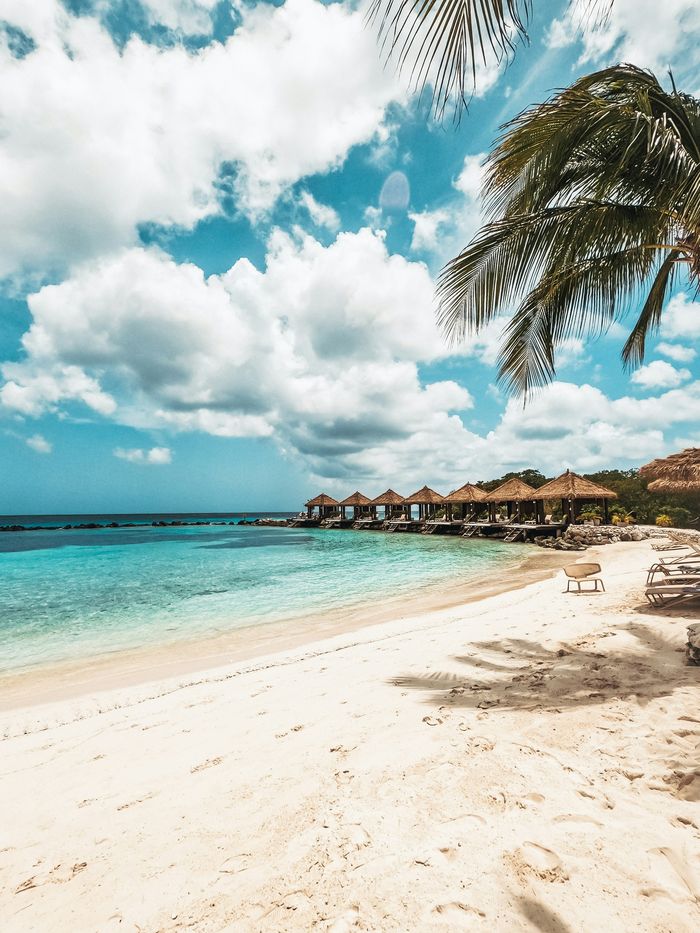
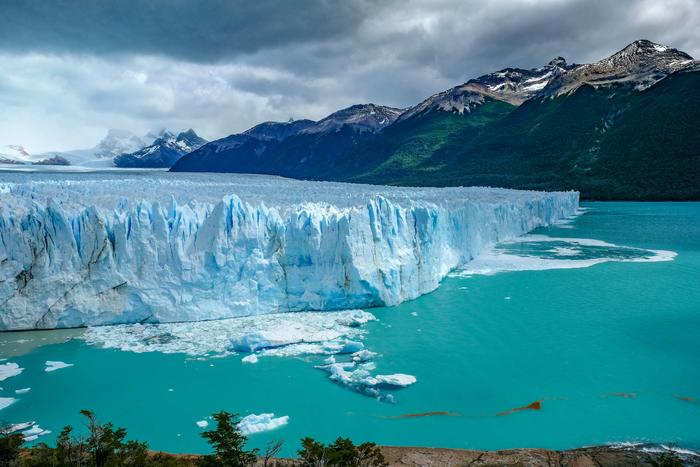
Neighbours across the River Plate, but opposite in scale and temperament. Argentina is vast and dramatic — Buenos Aires, Patagonia, the wine country, Iguazú — a continent-sized country you fly across and commit to. Uruguay is the calm, small, well-off counterpoint: beef, wine, empty Atlantic beaches and a slow pace, with no blockbuster sights and no interest in having any.

South America

Argentina

Buenos Aires has the best steakhouses and nightlife in South America.

Best time to visit
  1. January: peak
  2. February: peak
  3. March: peak
  4. April: fine
  5. May: fine
  6. June: avoid
  7. July: avoid
  8. August: avoid
  9. September: fine
  10. October: peak
  11. November: peak
  12. December: peak
Peak Fine Avoid
South America

Uruguay

The calm, safe, well-off corner of South America — beef, wine, and empty Atlantic beaches.

Best time to visit
  1. January: peak
  2. February: peak
  3. March: peak
  4. April: fine
  5. May: fine
  6. June: avoid
  7. July: avoid
  8. August: fine
  9. September: fine
  10. October: fine
  11. November: fine
  12. December: peak
Peak Fine Avoid
Read our full guides about Argentina and Uruguay.

Side by side

Emphasised where they differ. Muted rows are much the same either way.

Argentina Uruguay
Best time October–March December–March
Climate mild mild
Budget Variable and volatile — a swinging peso makes value a moving target, but big distances mean internal flights Expensive for the region — but pay by foreign card and hotels are VAT-free, restaurants taxed at 9%
Trip length 2–8 wks 1–1 wks
Visa Visa-free for most Western passports (90 days). Visa-free for most Western passports (90 days). Verify before travel.
Currency ARS (Peso). Bring USD cash for "blue rate" exchange. UYU (Uruguayan Peso); USD widely accepted in Punta del Este.
Language Spanish. Limited English outside Buenos Aires tourism. Spanish; English is limited.
Tap water Tap water safe in Buenos Aires. Tap water safe to drink.
Safety Generally safe. Pickpocketing in Buenos Aires. One of the safest countries in the Americas; normal city caution in Montevideo.

General guidance — visas, safety, and health change, so check your government's travel advisory and the official sources before you go.

The split

A dramatic continent, or a calm coast

Neighbours, but opposite — one is vast and various, the other small and slow.

Continent vs coastthe scale of eachFly across Argentina, or potter along Uruguay’s short coast
Drama vs calmthe temperamentPatagonia and Buenos Aires, or beef, wine and empty beaches
Volatile vs priceythe moneyA swinging peso, or reliably dear but card-friendly

Argentina is the vast, dramatic continent-country: Buenos Aires, the glaciers and peaks of Patagonia, Mendoza’s wine, the falls at Iguazú — spread so far you fly between them and choose a few. Uruguay is the calm, small, well-off neighbour: a short coast of beef, Tannat and empty Atlantic beaches, pointedly without must-see monuments. Epic range, or unhurried texture.

The operational detail — Argentina’s peso swings, Uruguay’s card-only VAT break and the Buenos Aires ferry — lives on the two guides: Argentina, know before you go and Uruguay, know before you go. This page is the head-to-head.

Who suits which

Who each actually suits

Dramatic-and-vast or calm-and-small — so these rarely invert.

If you want…ArgentinaUruguay
Range and drama — Patagonia, cities, wineWins clearly. A whole continentSmall and low-key
Calm, safe, slow daysBig and energeticWins clearly. Built for it
Empty Atlantic beachesNot the drawWins. The eastern coast
Glaciers, peaks and big landscapesWins. Patagonia and the AndesFlat and gentle
A short, easy add-on tripAn expedition in itselfWins. A few unhurried days
Buenos Aires energy and nightlifeWins. One of the continent’s great citiesMontevideo is quieter

Doing both

The classic River Plate two-in-one

A ferry apart — the natural pairing.

These two pair as easily as any in South America: a ferry across the River Plate links Buenos Aires to Colonia (about an hour) or directly to Montevideo, so a few calm Uruguayan days slot neatly onto an Argentina trip. Both are Southern Hemisphere, so the beach season is December–February. Treat Argentina as the main event — cities, Patagonia, wine — and Uruguay as the polished, slower coda across the water.

What we leave out

What we deliberately leave out

Exact prices and the moving pieces — Argentina’s shifting peso and internal airfares, Uruguay’s card-only VAT break and ferry fares — change within a season, so the figures here are the shape of the gap, not a quote; the country guides carry the live detail.

Argentina or Uruguay, month by month

Which of the two is the better bet for each month of the year, scored on how well the season suits each place.

Which to choose

Choose Argentina if:

  • You want range and drama — Buenos Aires, Patagonia, wine country, Iguazú.
  • A big, continent-scale trip you fly across appeals, and you’ll pick two or three regions.
  • Tango, steak, glaciers and the Andes matter more than quiet beaches.

Choose Uruguay if:

  • You want calm, safety and slow days — beef, Tannat, empty beaches.
  • A short, low-key add-on to Buenos Aires suits you better than another epic.
  • Texture over spectacle — Colonia, the rambla, José Ignacio — is exactly the point.

Common questions

Should I combine Argentina and Uruguay?
Very naturally — they’re a short ferry across the River Plate apart, and folding a few Uruguayan days into a Buenos Aires trip is the classic move. Cross to Colonia del Sacramento (about an hour) or direct to Montevideo, add the beaches at Punta del Este or José Ignacio, and come back. Argentina is the main event; Uruguay is the calm, polished coda.
Is Argentina or Uruguay a bigger trip?
Argentina, by a wide margin — it’s a continent-sized country where you fly between Buenos Aires, Patagonia, the wine country and the north, realistically choosing two or three. Uruguay is small and sleepy: Montevideo, Colonia and a strip of coast fill a few unhurried days. One is an expedition; the other is a long weekend with better beef.
Which is cheaper, Argentina or Uruguay?
It depends and it moves. Argentina’s volatile peso makes value a moving target — sometimes a bargain, sometimes not — while Uruguay is reliably expensive for South America. The twist: in Uruguay, paying by a foreign card makes hotels VAT-free and drops restaurant VAT to 9%, which narrows the gap. See the Argentina and Uruguay guides for the detail.
Which is better for beaches?
Uruguay, clearly — its Atlantic coast (Punta del Este, José Ignacio, Cabo Polonio) is the whole point of the eastern half of the country, alive December–February. Argentina’s draws are mountains, cities and glaciers rather than beaches. For sand and slow coastal days, cross the river; for drama, stay in Argentina.

Still undecided

Take the quiz

Three matches. Often answers comparison questions for you.

Start the quiz