Argentina vs United States

Two continent-sized countries you fly across rather than tour end to end. Argentina is vast and dramatic — Buenos Aires, Patagonia, the wine country, Iguazú — with a swinging peso that makes it variable but often good value. The United States is the pricey, polished counterpart: the great cities, the Southwest’s canyons, California’s coast, and the widest spread of national parks anywhere.

South America

Argentina

Buenos Aires has the best steakhouses and nightlife in South America.

Best time to visit
  1. January: peak
  2. February: peak
  3. March: peak
  4. April: fine
  5. May: fine
  6. June: avoid
  7. July: avoid
  8. August: avoid
  9. September: fine
  10. October: peak
  11. November: peak
  12. December: peak
Peak Fine Avoid
North America

United States

A continent pretending to be a country — cities, deserts, and the best national parks anywhere.

Best time to visit
  1. January: fine
  2. February: fine
  3. March: fine
  4. April: peak
  5. May: peak
  6. June: peak
  7. July: fine
  8. August: fine
  9. September: peak
  10. October: peak
  11. November: fine
  12. December: fine
Peak Fine Avoid

Read our full guides about Argentina and United States.

Side by side

Emphasised where they differ. Muted rows are much the same either way.

Argentina United States
Best time October–March April–June, September, October
Climate mild mild
Budget Variable and volatile — a swinging peso makes value a moving target; big distances mean flights Pricey and climbing — hotels, ~20% tips and sales-tax-at-the-register all stack up
Trip length 2–8 wks 2–5 wks
Visa Visa-free for most Western passports (90 days). ESTA visa waiver for most Western passports (90 days). Apply before travel.
Currency ARS (Peso). Bring USD cash for "blue rate" exchange. USD ($)
Language Spanish. Limited English outside Buenos Aires tourism. English.
Tap water Tap water safe in Buenos Aires. Tap water safe.
Safety Generally safe. Pickpocketing in Buenos Aires. Generally safe; varies sharply by city and neighborhood.

General guidance — visas, safety, and health change, so check your government's travel advisory and the official sources before you go.

The split

Dramatic and variable, or polished and pricey

Two continents you fly across — one is dramatic and volatile-value, the other vast and polished.

Volatile vs priceythe moneyA swinging peso, or reliably expensive US costs
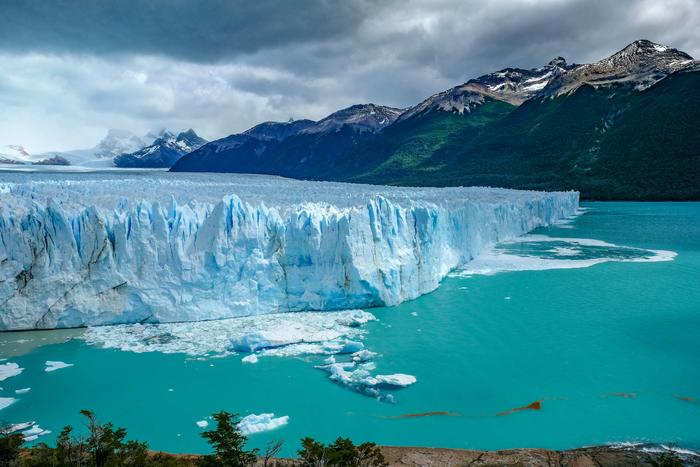
Patagonia vs the parksthe wildGlaciers and the Andes, or the widest park spread anywhere
Dramatic vs variedwhat each is really forBig South American range, or a dozen US regions

Argentina is the vast, dramatic South American country: Buenos Aires, Patagonia, the wine country and Iguazú, spread so far you fly between them — with a swinging peso that makes it variable but often good value. The United States is the pricey, polished counterpart: the great cities, the Southwest’s canyons, California’s coast and the widest spread of national parks anywhere. Dramatic and variable, or vast and reliable.

The operational detail — Argentina’s economy and internal flights, the US’s ESTA, park surcharge and timed-entry rules — lives on the two guides: Argentina, know before you go and United States, know before you go. This page is the head-to-head.

Who suits which

Who each actually suits

Dramatic-and-variable or polished-and-vast — so these rarely invert.

If you want…ArgentinaUnited States
Patagonia and raw wildernessWins clearly. Glaciers and peaksGreat parks, different
The widest national-park spreadFewer, wilderWins clearly. Dozens, varied
Possibly bargain valueWins. On a good peso swingReliably pricey
Slick, reliable infrastructureMore frictionWins. Smooth and developed
Tango, steak and wine cultureWins. Buenos Aires, MendozaDifferent draws
Marquee world citiesBuenos AiresWins. NYC and more

Doing both

An either/or across the hemispheres

A long flight apart, seasons reversed — pick one.

There’s no natural way to combine these — they’re in different hemispheres with no overland link, and each is a major continent-scale trip, so a long flight and a clear choice are the reality. They’re an either/or, and the seasons are reversed: Argentine summer, and Patagonia’s best window, is December–February. The US requires an ESTA (~$40); Argentina is visa-free for most Western visitors. Choose by appetite — dramatic, variable South America, or the polished, pricey US.

What we leave out

What we deliberately leave out

Exact prices and the moving pieces — Argentina’s shifting peso and internal airfares, the US’s park surcharge, timed-entry systems and ESTA fee — change within a season, so the figures here are the shape of the gap, not a quote; the country guides carry the live detail.

Argentina or United States, month by month

Which of the two is the better bet for each month of the year, scored on how well the season suits each place.

Which to choose

Choose Argentina if:

  • You want dramatic South American range — Buenos Aires, Patagonia, wine, Iguazú.
  • Variable-but-often-good value and tango-and-steak culture appeal.
  • Glaciers and the Andes matter more than marquee US cities.

Choose United States if:

  • You want range and polish — great cities, the Southwest, California, the parks.
  • Slick infrastructure and the national-park spread draw you.
  • You’ll pay more for scale, cities and reliability.

Common questions

Which is cheaper, Argentina or the United States?
It depends and it moves. Argentina’s volatile peso makes value a moving target — sometimes a genuine bargain, sometimes not — while the US is reliably expensive and climbing, with hotels, ~20% tips and sales tax added at the register. On a good exchange swing Argentina can be far cheaper; the US is predictably pricey. See the Argentina and United States guides.
Which has the better landscapes and parks?
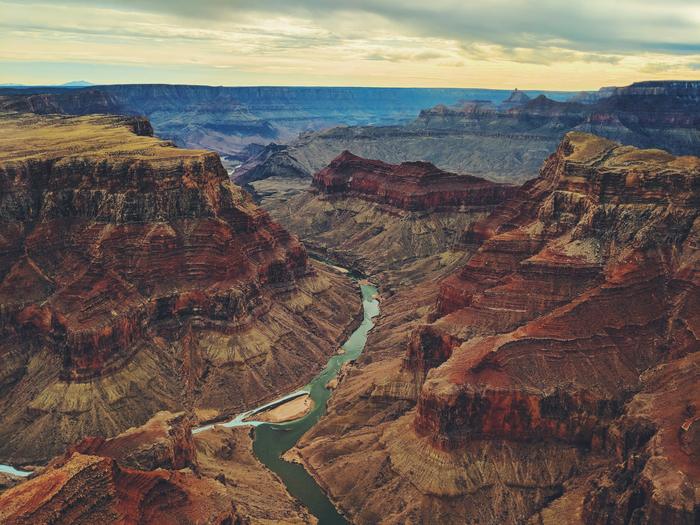
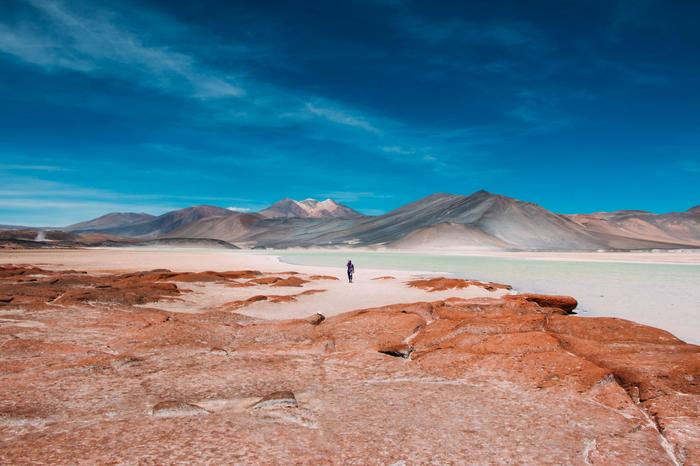
Both are extraordinary. Argentina has Patagonia — glaciers, peaks and steppe — plus Iguazú’s falls and the Andes, raw and often uncrowded. The US has the widest spread of national parks anywhere (the Grand Canyon, Yosemite, Zion and dozens more), though foreigners now pay a $100 surcharge at the 11 busiest. Dramatic Patagonian wilderness, or an unmatched park system.
Which is easier to travel?
The United States, on infrastructure — slick and reliable, if entirely car-dependent outside a few transit cities. Argentina is also a fly-between-regions country (it’s continent-sized), with good domestic flights but more economic friction (cash quirks, the shifting peso). Smooth and pricey, or dramatic and variable.
Can I combine them?
Not as a natural loop — they’re in different hemispheres with no overland link, so you’d connect by a long flight, and each is a major trip in its own right. They’re an either/or, and note the seasons are reversed: Argentine summer (and Patagonia’s best window) is December–February. The US needs an ESTA (~$40); Argentina is visa-free for most Western visitors.

Still undecided

Take the quiz

Three matches. Often answers comparison questions for you.

Start the quiz