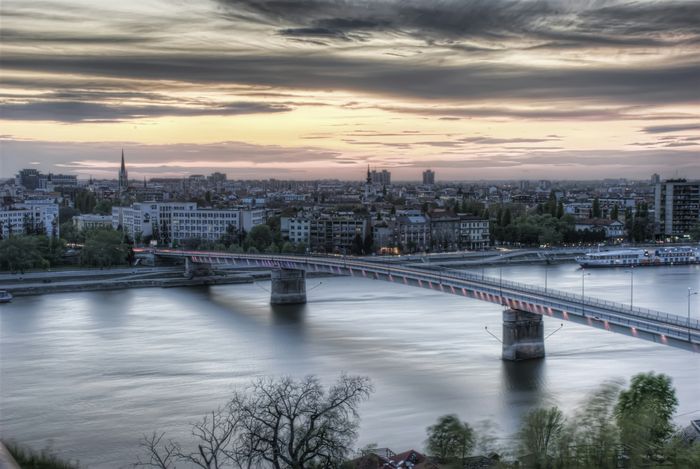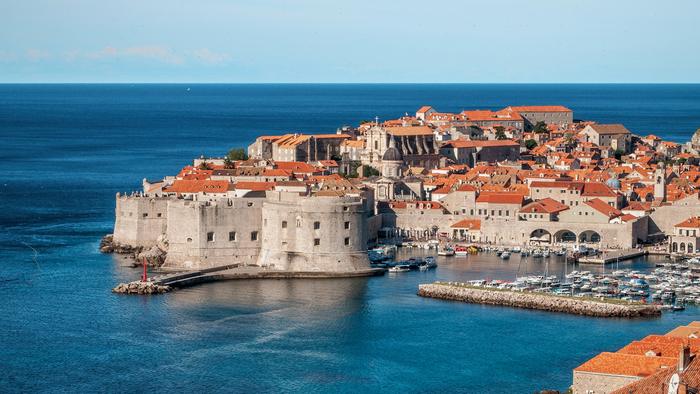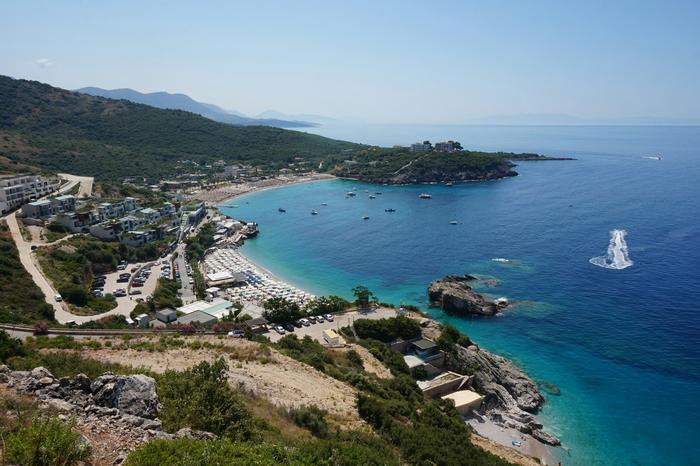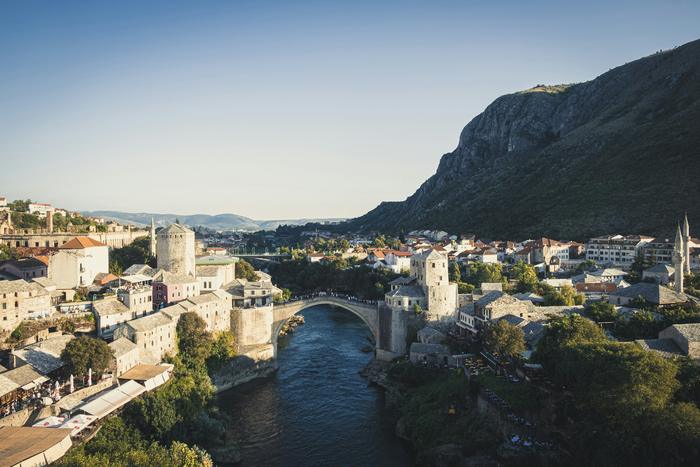
Montenegro vs Serbia

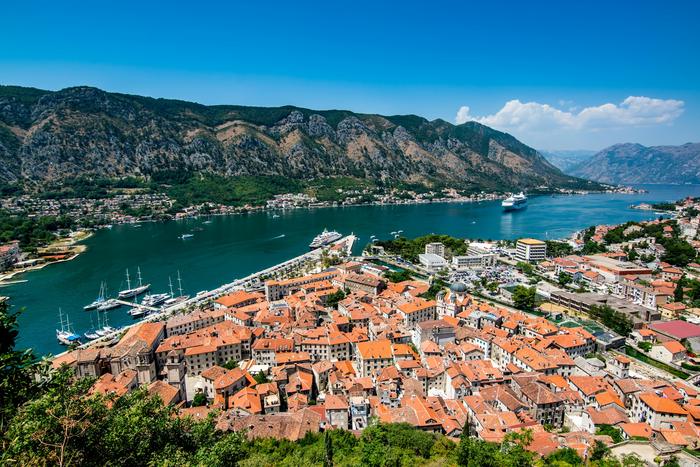
Two former-Yugoslav neighbours with opposite draws. Montenegro is the coast-and-mountains one — the fjord-like Bay of Kotor, Adriatic beaches and high peaks all within a short drive, a pocket of dramatic scenery. Serbia is the inland one — Belgrade’s famous nightlife and riverside energy, hearty food, monasteries and rock-bottom prices, well off the mainstream trail. One is a scenic Adriatic compact; the other a lively, cheap, city-and-culture discovery.

Southern Europe

Montenegro

A whole country where mountains drop straight into the Adriatic.

Best time to visit
  1. January: avoid
  2. February: avoid
  3. March: fine
  4. April: fine
  5. May: peak
  6. June: peak
  7. July: fine
  8. August: fine
  9. September: peak
  10. October: fine
  11. November: avoid
  12. December: avoid
Peak Fine Avoid

Eastern Europe

Serbia

The Balkans’ best night out — grilled meat, rakija, and river clubs, in Europe’s most underrated capital.

Best time to visit
  1. January: avoid
  2. February: avoid
  3. March: fine
  4. April: peak
  5. May: peak
  6. June: peak
  7. July: peak
  8. August: peak
  9. September: peak
  10. October: fine
  11. November: avoid
  12. December: avoid
Peak Fine Avoid

Read our full guides about Montenegro and Serbia.

Side by side

Emphasised where they differ. Muted rows are much the same either way.

Montenegro Serbia
Best time May, June, September April–September
Climate mild mild
Budget Good value — the coast in peak summer is the priciest part Very cheap — one of Europe’s best-value destinations
Trip length 1–2 wks 1–1 wks
Visa Visa-free for most Western passports (90 days). Not in the EU or Schengen. Verify before travel. Visa-free for most Western passports (90 days). Verify before travel.
Currency EUR (€). Serbian Dinar (RSD); euros accepted in some places.
Language Montenegrin. English in tourist areas. Serbian; English widely spoken by younger people and in Belgrade.
Tap water Tap water generally safe in towns; bottled is common. Tap water is safe.
Safety Generally safe; usual caution with summer crowds and coastal driving. Safe; ordinary city precautions and awareness of taxi overcharging.

General guidance — visas, safety, and health change, so check your government's travel advisory and the official sources before you go.

The split

An Adriatic compact, or an inland capital country

Both are former-Yugoslav neighbours — but one is a scenic coast-and-mountains compact, the other an inland, nightlife-and-value discovery.

Coast vs inlandthe drawThe Bay of Kotor and peaks, or Belgrade and the interior
Scenery vs nightlifethe leanDramatic landscapes, or famous clubs and city energy
Good value vs very cheapthe moneyMontenegro good value (coast pricey in summer); Serbia a bargain

Montenegro is the coast-and-mountains one — the fjord-like Bay of Kotor, Adriatic beaches and high peaks all within a short drive, a pocket of dramatic scenery. Serbia is the inland one: Belgrade’s famous nightlife and riverside energy, hearty food, monasteries and rock-bottom prices, well off the mainstream trail.

The operational detail — Montenegro’s coastal access, euro use, non-Schengen entry and 24-hour registration rule; Serbia’s non-EU status and dinar — lives on the two guides: Montenegro, know before you go and Serbia, know before you go. This page is the head-to-head.

The real difference

Scenery, or buzz and value

The trade: Montenegro offers the Bay of Kotor and quick-reach mountains; Serbia offers Belgrade’s nightlife and unbeatable value.

Montenegro wins on scenery. The Bay of Kotor and the mountains within a short drive make it a compact, dramatic coast country — good value outside the peak-summer coast.

Serbia wins on value and nightlife. Belgrade’s energy and Europe-famous clubs, plus rock-bottom prices and an off-the-trail feel, make it a lively, cheap city-and-culture discovery — just without a coastline. Choose the Adriatic compact, or the inland buzz.

Who suits which

Who each actually suits

Both are former-Yugoslav neighbours — but one leans coast and mountains, the other nightlife and value.

If you want…MontenegroSerbia
Beaches and the Bay of KotorWins. The AdriaticLandlocked
Famous nightlifeCoastal resortsWins. Belgrade
The lowest pricesCoast pricey in summerWins. A bargain
Quick-reach mountainsWins. DurmitorInland hills
A scenic drive-it-all compactWins. Small and variedAn inland country
An off-the-trail city tripScenery-ledWins. Under the radar

Doing both

Neighbours linked by a scenic railway

The Bar–Belgrade line connects them — easy to pair.

Montenegro and Serbia are neighbours, connected by road and the scenic Bar–Belgrade railway, so a Balkan trip can pair Belgrade with the Montenegrin coast. Each also compares with its neighbours (see Bosnia vs Montenegro, Albania vs Montenegro, Bosnia vs Serbia and Croatia vs Serbia).

What we leave out

What we deliberately leave out

Exact prices beyond the structural comparison — Montenegro’s coastal summer rates and Serbia’s across-the-board cheapness both move — so the figures here are the shape of the difference, not a quote; the country guides carry the live detail. The entry mechanics (both non-Schengen; Montenegro’s euro use and registration rule vs Serbia’s dinar) are covered on the guides rather than restated here.

Montenegro or Serbia, month by month

Which of the two is the better bet for each month of the year, scored on how well the season suits each place.

Which to choose

Choose Montenegro if:

  • The Bay of Kotor, beaches and quick-reach mountains are the draw.
  • You want a scenic, compact, drive-it-all coast country.
  • Adriatic scenery over inland nightlife.

Choose Serbia if:

  • Belgrade's nightlife, energy and rock-bottom prices appeal.
  • You want an off-the-trail, city-and-culture trip.
  • Value and buzz over beaches and mountains.

Common questions

Is Montenegro or Serbia better for scenery versus nightlife?
Montenegro for scenery — the fjord-like Bay of Kotor, the Adriatic coast and the Durmitor mountains pack real drama into a tiny area. Serbia for nightlife — Belgrade has a Europe-famous scene (riverside clubs, buzzing bars) and a raw, energetic character. For dramatic landscapes, Montenegro; for city energy and nightlife, Serbia.
Which is better for a beach holiday?
Montenegro, clearly — it has the Adriatic coast (the Budva Riviera, Sveti Stefan) backed by mountains. Serbia is landlocked, so it’s not a beach destination at all — it’s an inland city-and-culture country. For sea and mountains, Montenegro; for an inland trip, Serbia.
Which is cheaper?
Serbia, by a clear margin — one of the best-value countries in Europe, with cheap food, drink and lodging. Montenegro is good value too, but its coast in peak summer is where prices climb most. For the tightest budget, Serbia; for scenery at good value outside high summer, Montenegro.
Do the entry and currency rules differ?
Both are outside the EU and Schengen, offering 90-day visa-free stays that don’t touch your Schengen allowance. The money differs: Montenegro uses the euro (unilaterally), while Serbia uses the dinar. Montenegro also has a 24-hour tourist-registration rule to mind in private rentals. The guides carry the detail: Montenegro and Serbia.
Can I combine them?
Yes — they’re neighbours, connected by road and a scenic railway (the Bar–Belgrade line runs between them), so a Balkan trip can pair Belgrade with the Montenegrin coast. Each also compares with its neighbours — Montenegro with Bosnia, Albania and Croatia, Serbia with Bosnia, Romania and Croatia.

Still undecided

Take the quiz

Three matches. Often answers comparison questions for you.

Start the quiz