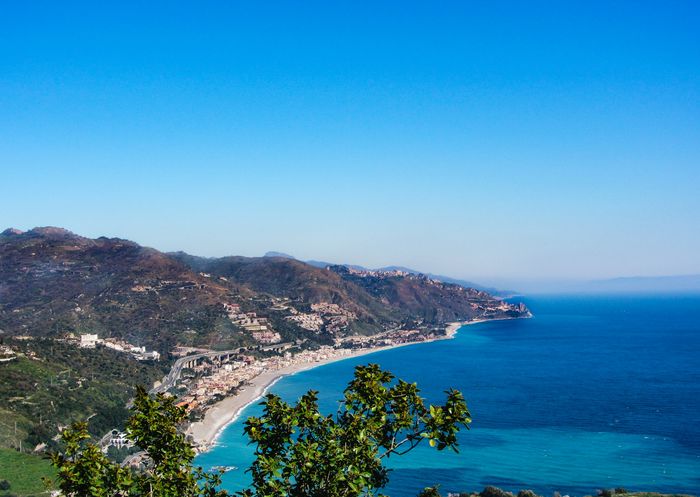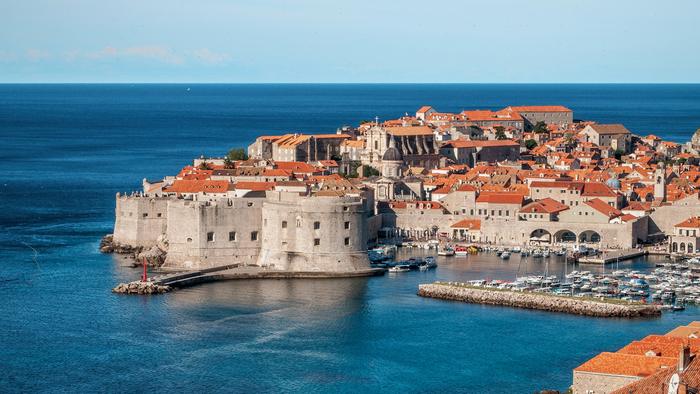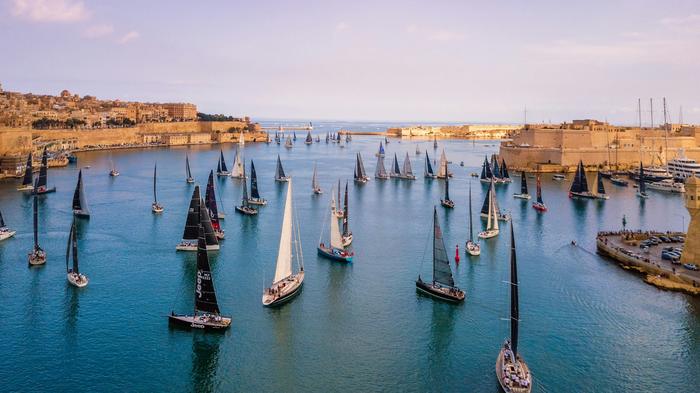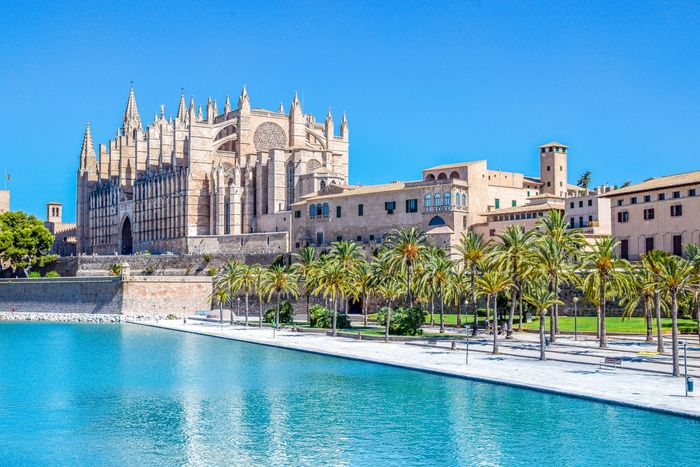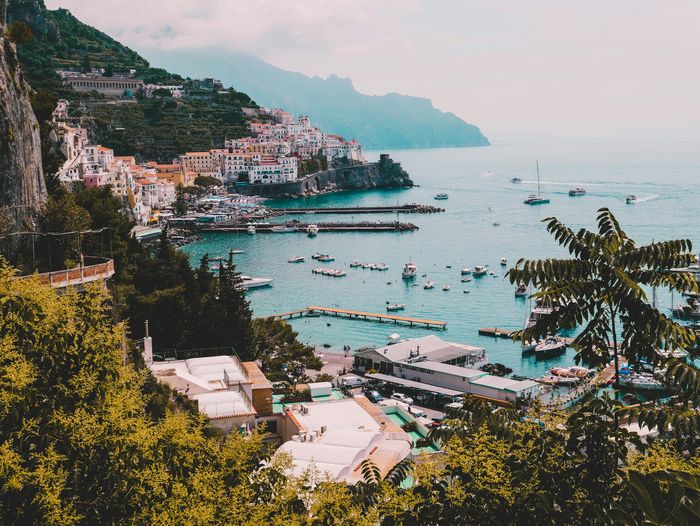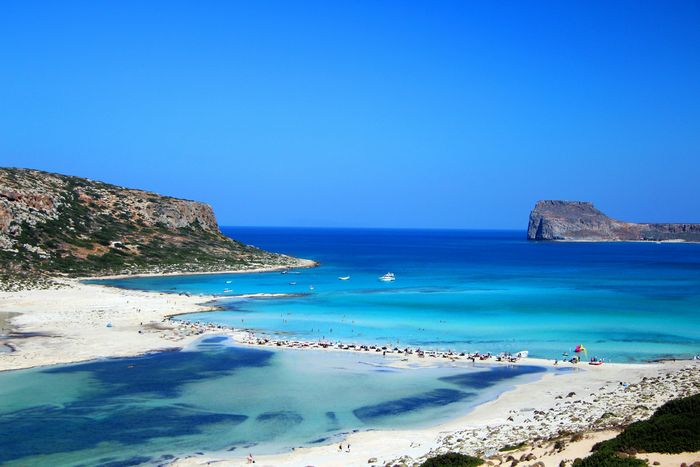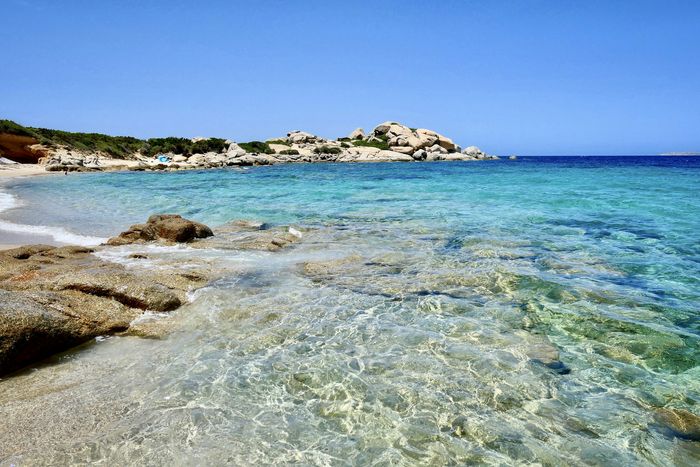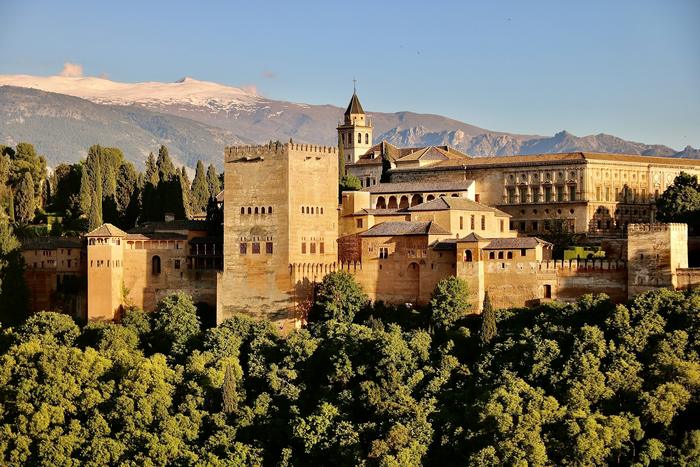
Santorini vs Sicily

Two Mediterranean islands at opposite ends of the scale. Santorini is the tiny, iconic one — whitewashed, blue-domed towns on a volcanic caldera, built for sunsets and romance, seen in a few spectacular (crowded, expensive) days. Sicily is the big, substantial one — Greek temples and Baroque towns, Mount Etna, an extraordinary food scene and layers of civilisations, enough for a fortnight with a car. One is a bucket-list image; the other a deep, varied island country-in-miniature.

Southern Europe

Santorini

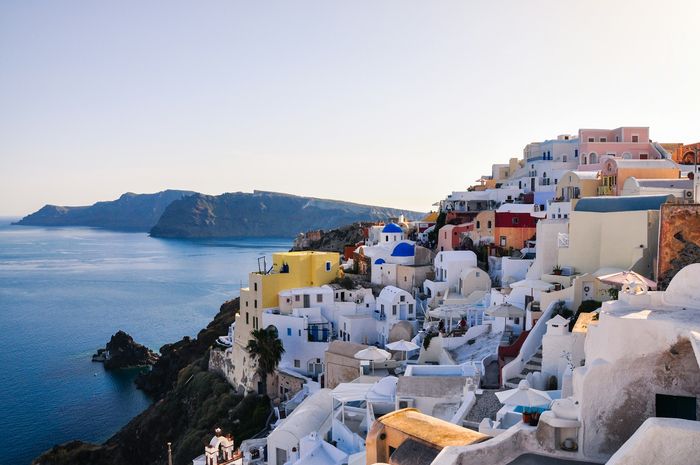
The most photographed view in Greece — a drowned volcano rim of white villages above a blue caldera.

Best time to visit
  1. January: avoid
  2. February: avoid
  3. March: fine
  4. April: peak
  5. May: peak
  6. June: peak
  7. July: fine
  8. August: fine
  9. September: peak
  10. October: peak
  11. November: fine
  12. December: avoid
Peak Fine Avoid

Southern Europe

Sicily

Italy at its most layered and intense — Greek temples, Baroque towns, street food, and a live volcano.

Best time to visit
  1. January: fine
  2. February: fine
  3. March: fine
  4. April: peak
  5. May: peak
  6. June: peak
  7. July: fine
  8. August: fine
  9. September: peak
  10. October: peak
  11. November: fine
  12. December: fine
Peak Fine Avoid

Read our full guides about Santorini and Sicily.

Side by side

Emphasised where they differ. Muted rows are much the same either way.

Santorini Sicily
Best time April–June, September, October April–June, September, October
Climate warm warm
Budget Expensive — caldera-view hotels carry a steep premium; a short, pricey stay Good value for Italy — a lot of island for the money
Trip length 1–1 wks 1–2 wks
Visa Schengen — visa-free for most Western passports (90 days). Schengen — visa-free for most Western passports (90 days).
Currency EUR (€) EUR (€)
Language Greek; English widely spoken in tourism. Italian; English patchy outside tourist areas.
Tap water Tap water safe in mainland; bottled on smaller islands. Tap water safe and good.
Safety Very safe; take care on cliff paths and with ATV rentals. Generally safe, but Palermo and Catania have real petty theft — watch bags and cars.

General guidance — visas, safety, and health change, so check your government's travel advisory and the official sources before you go.

The split

A bucket-list image, or a substantial island

Both are Mediterranean islands — but one is a tiny, iconic caldera, the other a big, varied island of history and food.

Tiny vs bigthe scaleA few scenic days, or a fortnight with a car
Icon vs substancethe drawThe caldera and the sunset, or temples, food and Etna
Premium vs valuethe costA steep caldera-view premium, or good Italian value

Santorini is the tiny, iconic one — whitewashed, blue-domed towns on a volcanic caldera, built for sunsets and romance, seen in a few spectacular days. Sicily is the big, substantial one: Greek temples and Baroque towns, Mount Etna, an extraordinary food scene and layers of civilisations, enough for a fortnight with a car.

The operational detail — Santorini’s cruise cap and levy, ferry port and seismic picture; Sicily’s car-hire and seasons — lives on the two guides: Santorini, know before you go and Sicily, know before you go. This page is the head-to-head.

The real difference

An iconic image, or deep variety

The trade: Santorini offers the icon, the sunset and the romance; Sicily offers history, food, a volcano and substance.

Santorini wins on the icon and romance. Nothing on Sicily matches the caldera view or the sunset, and for a short, scenic couples’ trip it’s unforgettable — accepting that it’s small, intensely crowded for its size, and expensive.

Sicily wins on substance, history and food. Greek temples, Baroque towns, Etna and one of Italy’s great cuisines fill a far richer, longer, better-value trip. Choose the bucket-list image, or the substantial island.

Who suits which

Who each actually suits

Both are Mediterranean islands — but one leans icon and romance, the other history, food and substance.

If you want…SantoriniSicily
The postcard caldera viewWins. The iconTaormina drama, no caldera
A substantial island week or twoHighlights in 2–3 daysWins. Fills a fortnight
Layered history and templesAkrotiriWins. Greek-Roman-Baroque
A great food sceneGood island foodWins. A destination cuisine
Romance and sunsetsWins. Built for itScenic, not the focus
Value and spaceA premium islandWins. Cheaper, bigger

Doing both

Different countries — pick one

Greece and Italy, not close — usually separate trips.

Santorini (Greece) and Sicily (Italy) are in different countries and not close, so they’re separate trips — you’d fly between them, and most people choose one: a short iconic Santorini stay or a substantial Sicily holiday. Each compares more naturally within its own country (see Mallorca vs Santorini, Malta vs Santorini, Greece vs Sicily and Crete vs Sicily).

What we leave out

What we deliberately leave out

Exact prices beyond the structural comparison — Santorini’s caldera-view premium and Sicily’s good value both move with season — so the figures here are the shape of the difference, not a quote; the country guides carry the live detail. Santorini’s operational specifics (the cruise cap and levy, the ferry port, the seismic picture) are covered on its guide rather than restated here.

Santorini or Sicily, month by month

Which of the two is the better bet for each month of the year, scored on how well the season suits each place.

Which to choose

Choose Santorini if:

  • The caldera view, the sunsets and the romance are the whole point.
  • A short, scenic, once-in-a-lifetime image over a longer trip.
  • A couples’ icon over a varied island.

Choose Sicily if:

  • Greek temples, Baroque towns, Etna and the food top the list.
  • You want a substantial, varied island for a week or two.
  • History, cuisine and a volcano over a single iconic view.

Common questions

Is Santorini or Sicily better for a longer trip?
Sicily, by a distance — it’s a big, substantial island that fills a fortnight (temples, Baroque towns, Etna, beaches, food), rewarding a hire car and real exploration. Santorini is tiny and intense: unforgettable, but most visitors see its highlights in two or three days, and a longer stay can feel limited and expensive. For a full island holiday, Sicily; for a short, scenic highlight, Santorini.
Which is more iconic and romantic?
Santorini owns the icon — the whitewashed caldera towns and the sunset over the water are among the most photographed, romantic images in travel, which is exactly why it’s a honeymoon favourite. Sicily is beautiful and dramatic (especially Taormina with Etna behind it) but has no single view with Santorini’s instant recognition. For the postcard romance, Santorini; for varied drama, Sicily.
Which has more history and better food?
Sicily, on both. It has an extraordinary layering of history — Greek temples (Agrigento, Segesta) rivalling Greece’s own, Roman mosaics, Norman cathedrals and Baroque towns — and one of Italy’s great cuisines (arancini, pasta alla Norma, cannoli, Etna wines). Santorini has the Minoan site of Akrotiri and good island food and wine (Assyrtiko), but history and cuisine are Sicily’s strong suit. For both, Sicily.
How do crowds and cost compare?
Santorini is more crowded for its size and more expensive — a tiny island under heavy cruise and tourist pressure, with caldera-view hotels at a steep premium (it now caps cruise passengers and levies a landing fee). Sicily is bigger, cheaper and absorbs crowds far better. For value and space, Sicily; accept the premium and crush for Santorini’s view. The guides carry the detail: Santorini and Sicily.
Can I combine them?
They’re in different countries (Greece and Italy) and not close, so they’re separate trips — you’d fly between them, and most people choose one. The decision is a short iconic Santorini stay versus a substantial Sicily holiday. Each compares more naturally within its own country (see Mallorca vs Santorini, Malta vs Santorini, Greece vs Sicily and Crete vs Sicily).

Still undecided

Take the quiz

Three matches. Often answers comparison questions for you.

Start the quiz