Hungary vs Poland

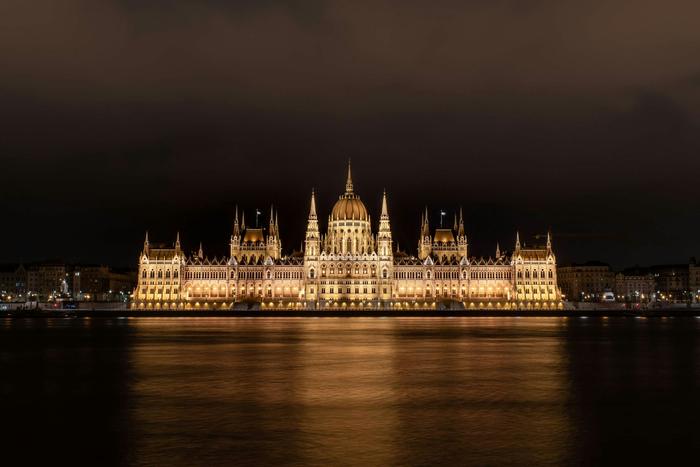
Two of Central Europe’s best-value trips, differently shaped. Hungary is essentially one magnificent city — Budapest, with its thermal baths, ruin bars and grand Danube setting — a perfect long-weekend capital. Poland is a bigger, multi-city country — Kraków’s medieval beauty, Warsaw’s rebuilt energy, Gdańsk’s Baltic charm, and a profound, sometimes sombre history (Auschwitz, the WWII story) — that rewards a longer, more varied trip. One is a single great city; the other a country of them.

Central Europe

Hungary

Budapest is the best-value great city in Europe.

Best time to visit
  1. January: fine
  2. February: fine
  3. March: fine
  4. April: peak
  5. May: peak
  6. June: peak
  7. July: fine
  8. August: fine
  9. September: peak
  10. October: peak
  11. November: avoid
  12. December: fine
Peak Fine Avoid

Eastern Europe

Poland

Europe's best-value city break, with the history to match.

Best time to visit
  1. January: fine
  2. February: avoid
  3. March: fine
  4. April: fine
  5. May: peak
  6. June: peak
  7. July: peak
  8. August: peak
  9. September: peak
  10. October: fine
  11. November: avoid
  12. December: fine
Peak Fine Avoid

Read our full guides about Hungary and Poland.

Side by side

Emphasised where they differ. Muted rows are much the same either way.

Hungary Poland
Best time April–June, September, October May–September
Climate mild cold
Budget Good value — Budapest stretches a budget Equally good value — a bigger country with more ground to cover
Trip length 1–2 wks 1–2 wks
Visa Schengen — visa-free for most Western passports (90 days). Schengen — visa-free for most Western passports (90 days).
Currency HUF (Forint), roughly 360 HUF ≈ 1 USD. PLN (Złoty), roughly 4 PLN ≈ 1 USD.
Language Hungarian. English in central Budapest. Polish. English is common among younger people and in cities.
Tap water Tap water safe. Tap water safe.
Safety Very safe; watch for taxi and bar overcharging. Very safe.

General guidance — visas, safety, and health change, so check your government's travel advisory and the official sources before you go.

The split

One great city, or a country of them

Both are cheap Central European trips — but one is a single thermal-bath capital, the other a bigger, history-rich multi-city country.

One vs manythe shapeA single great city, or several worth the trip
Baths vs historythe drawThermal spas and ruin bars, or old towns and WWII memory
Weekend vs weekthe lengthA perfect long weekend, or a longer, varied trip

Hungary is essentially one magnificent city — Budapest, with its thermal baths, ruin bars and grand Danube setting, a complete long-weekend capital. Poland is a bigger, multi-city country: medieval Kraków, rebuilt Warsaw, Baltic Gdańsk, and a profound, sometimes sombre history — Auschwitz, the WWII story — that rewards a longer, more varied trip. Both are excellent value and keep their own currency.

The operational detail — Hungary’s forint, ATM traps and bath etiquette; Poland’s złoty and the timed booking for Auschwitz and Wieliczka — lives on the two guides: Hungary, know before you go and Poland, know before you go. This page is the head-to-head.

The real difference

Spa city, or history country

The trade: Hungary offers one great relaxing capital; Poland offers multiple cities and profound history.

Hungary wins on the single-city break. Budapest is a complete, atmospheric long weekend — baths, ruin bars, the Danube panorama — with nothing else strictly needed, at low prices.

Poland wins on history and variety. Kraków, Warsaw and the coast, and the weight of the WWII and Auschwitz story, make for a richer, more moving, multi-city trip across a bigger country. Choose the spa-city weekend, or the history-and-old-towns country.

Who suits which

Who each actually suits

Both are cheap and compact-feeling — but one leans a single spa capital, the other multi-city history.

If you want…HungaryPoland
A perfect single-city weekendWins. BudapestWants more cities
Profound history1956, HabsburgWins. Kraków, Auschwitz, WWII
Thermal baths and ruin barsWins. The signatureNot its thing
Several great citiesOne great oneWins. Kraków, Warsaw, Gdańsk
A relaxing, atmospheric tripWins. Spa cityMore moving than relaxing
Low pricesStrong. Great valueStrong. Great value

Doing both

Close Central European neighbours

Easily paired on a longer trip — Budapest with Kraków.

Hungary and Poland are close (with Slovakia between), linked by road, rail and short flights, so a longer trip can pair Budapest with Kraków without much trouble — separate itineraries rather than one circuit, so allow extra days. Each compares more naturally with its other neighbours (see Poland vs Romania, Croatia vs Poland and Denmark vs Hungary).

What we leave out

What we deliberately leave out

Exact prices beyond the structural comparison — both are cheap and move with season — so the figures here are the shape of the difference, not a quote; the country guides carry the live detail. The shared entry mechanics (both in Schengen, forint vs złoty) and Poland’s timed-ticket bookings are covered on the guides rather than restated here.

Hungary or Poland, month by month

Which of the two is the better bet for each month of the year, scored on how well the season suits each place.

Which to choose

Choose Hungary if:

  • A single magnificent city — baths, ruin bars, the Danube — is enough.
  • You want a perfect long-weekend capital.
  • Thermal-spa relaxation over a multi-city history tour.

Choose Poland if:

  • Multiple cities and profound history are the draw.
  • You want a bigger, more varied trip over several days.
  • Kraków, Warsaw and the WWII story over a single spa city.

Common questions

Is Hungary or Poland better for a short city break?
For a single-city long weekend, Hungary — Budapest alone (thermal baths, ruin bars, the grand Danube panorama) easily fills three or four days and is a complete break in itself. Poland rewards a longer, multi-city trip — you’d want to see at least Kraków, and ideally Warsaw and the coast too. For a focused weekend, Budapest; for a week with more variety, Poland.
Which has the deeper history?
Poland — its history is profound and central to the trip, from Kraków’s medieval old town and the Auschwitz-Birkenau memorial nearby to Warsaw’s meticulous post-war rebuild and the WWII and Solidarity stories. Hungary has rich history too (Habsburg grandeur, 1956), but Budapest wears it more lightly, as backdrop to the baths-and-bars experience. For a history-led trip, Poland; for atmosphere and relaxation, Hungary.
What’s the signature experience in each?
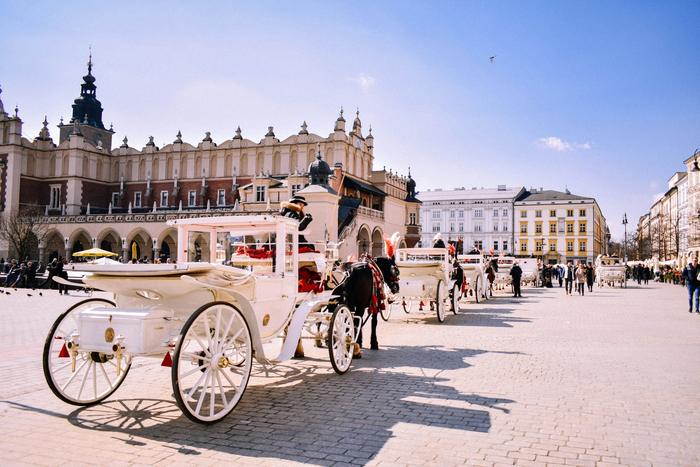
In Hungary, it’s a long soak in a Budapest thermal bath followed by a ruin-bar evening. In Poland, it’s wandering Kraków’s Rynek (Europe’s great medieval square), a sobering day at Auschwitz, and the salt-cathedral depths of Wieliczka. One is spa-and-nightlife; the other history-and-old-towns — quite different trips.
Do they use the euro, and are they cheap?
Neither uses the euro — both keep their own currency (Hungary the forint, Poland the złoty) despite being in the EU and Schengen (EES applies; ETIAS expected 2027). Both are very good value by Western-European standards. In Hungary, use bank ATMs and decline dynamic currency conversion; Poland is similarly card-friendly. The country guides carry the detail: Hungary and Poland.
Can I combine them?
Yes — they’re close Central European neighbours (with Slovakia between), linked by road, rail and short flights, so a longer trip can pair Budapest with Kraków fairly easily. They’re separate itineraries rather than one circuit, so allow extra days. Each also compares with its other neighbours — Poland with Romania and Croatia, Hungary with Denmark.

Still undecided

Take the quiz

Three matches. Often answers comparison questions for you.

Start the quiz