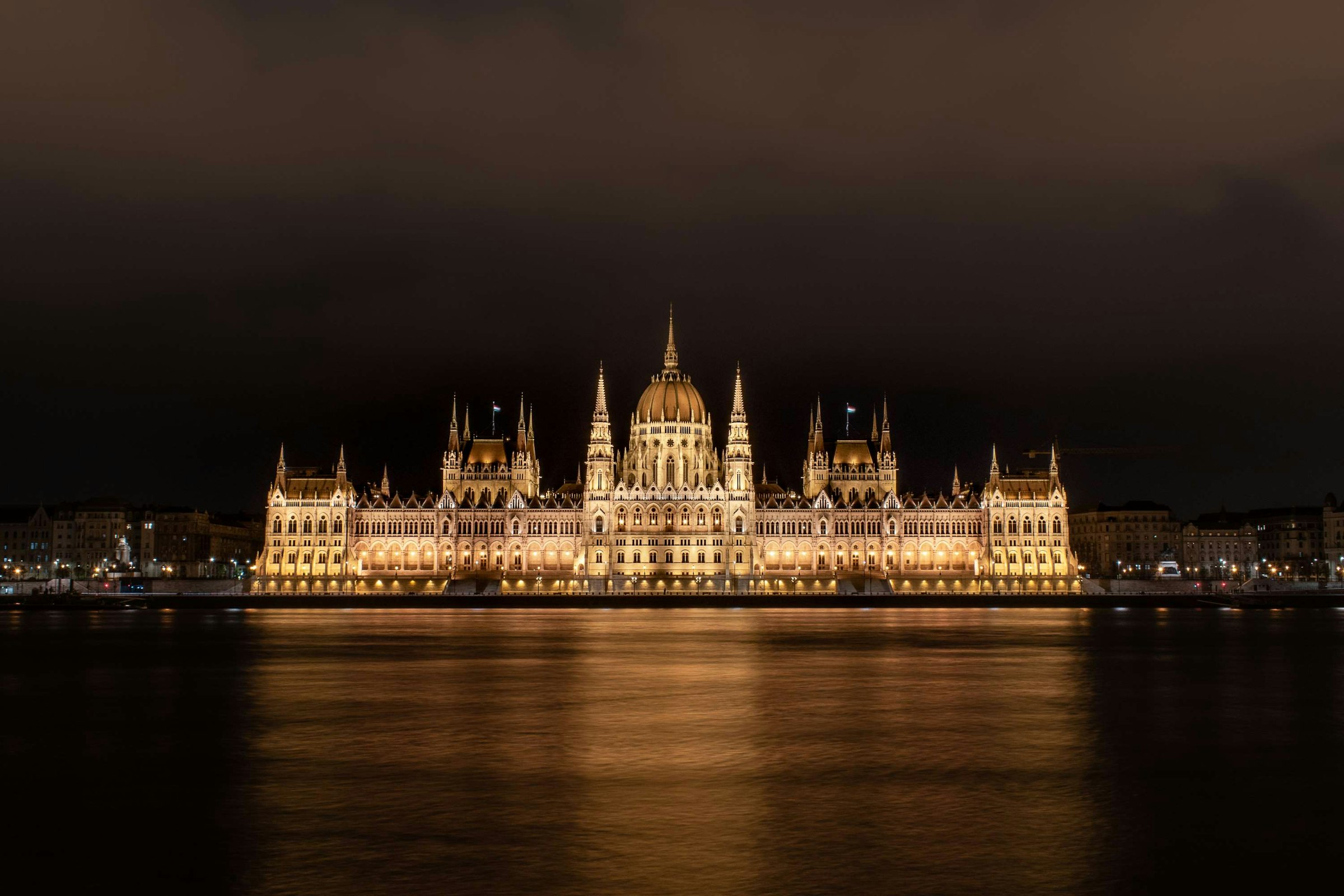
Budapest punches well above its price. Thermal baths sit on top of the city, ruin bars fill former tenements, and the Danube splits hilly Buda from flat, grand Pest. It's a long-weekend city that rewards a week. Add Lake Balaton in summer and Eger's wine cellars, and Hungary stretches further than most realise.
Budapest days fall into an easy loop: a morning soak at Széchenyi or Gellért, a heavy lunch — goulash, lángos, chicken paprikash — then walk it off along the Danube and up to Fisherman's Bastion before the ruin bars open. Most sights cluster within a few tram stops of the river. Your money stretches: the splurges here are spa treatments, a night at the Opera, and dinners that would cost double across the border in Vienna.
The honest part: the Jewish Quarter at midnight is a stag-party corridor, and Szimpla Kert is now more attraction than discovery. The food is heavy, and vegetarians will have to work for it. Outside Budapest, English thins out fast and the towns are pleasant rather than essential — for most visitors this is a one-city country. But that one city is genuinely great, and at these prices you can do it properly: the good seats, the long dinners, the private bath.
Highlights
-
Thermal baths
Széchenyi and Gellért — soak year-round, outdoors in the snow.
-
The ruin bars
Szimpla Kert and its imitators, in old Jewish-quarter buildings.
-
Buda Castle & Parliament
The two riverbanks, best seen lit at night.
-
Eger & Balaton
Wine cellars inland, lake beaches in summer.
Practical info
- Visa
- Schengen — visa-free for most Western passports (90 days).
- Currency
- HUF (Forint), roughly 360 HUF ≈ 1 USD.
- Language
- Hungarian. English in central Budapest.
- Safety
- Very safe; watch for taxi and bar overcharging.
- Getting around
- Metro and trams in Budapest; trains to the rest.
- Tap water
- Tap water safe.
- Plug type
- Type C Type F 230V
- Money
- Cards widely accepted; euros not — pay in forint.
General guidance — visas, safety, and health change, so check your government's travel advisory and the official sources before you go.
Common questions
- When is the best time to visit Hungary?
- Hungary is at its best in April–June, September, October. It's best to avoid November.
- How many days do you need in Hungary?
- Most trips run 1–2 weeks, depending on how much ground you want to cover.
- Is Hungary expensive?
- Plan for backpacker – mid-range daily spend, depending on how you travel.
- Is Hungary safe for travelers?
- Very safe; watch for taxi and bar overcharging.
- Do you need a visa for Hungary?
- Schengen — visa-free for most Western passports (90 days).
Compare Hungary with
If you like Hungary, also consider
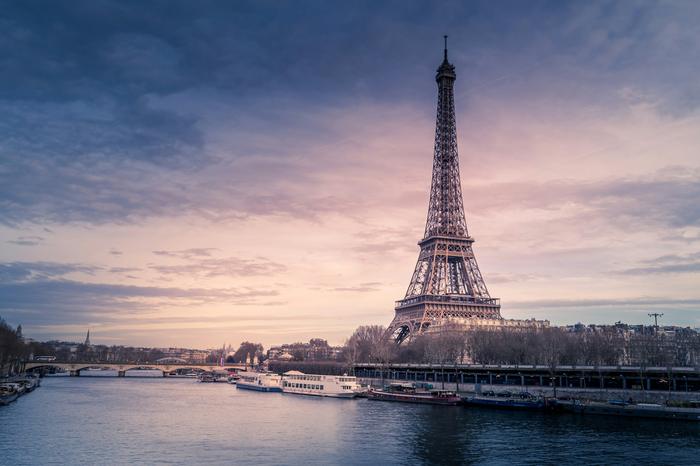
France
Paris is only the opening act — wine country, the Alps, and two coastlines.
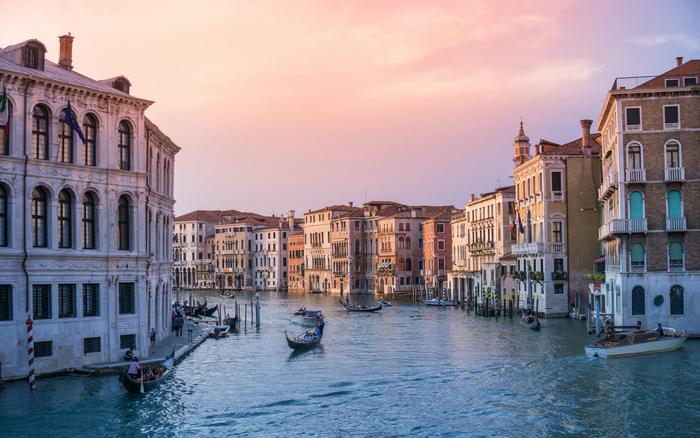
Italy
The benchmark for food, history, and beauty.
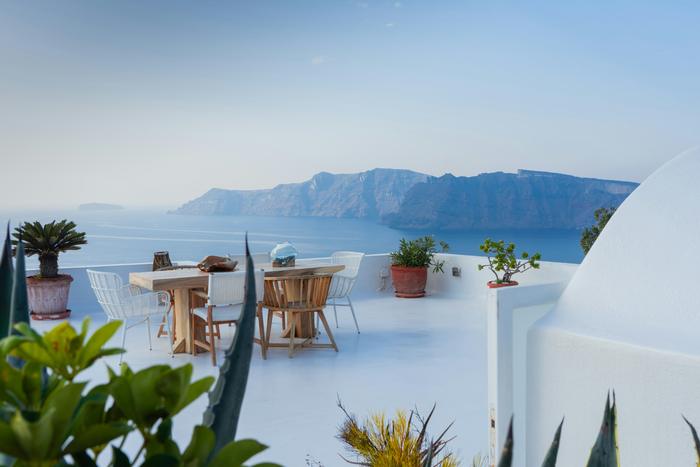
Greece
Ruins in the morning, a swim by noon, taverna until dark.
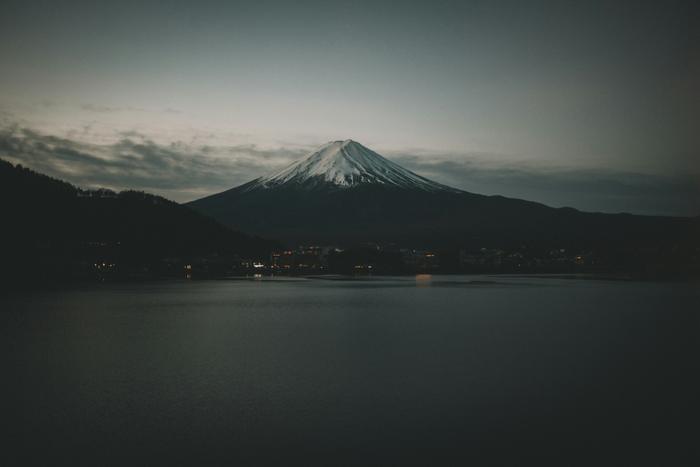
Japan
Extraordinary food, culture, and cities. Nothing quite prepares you for it.
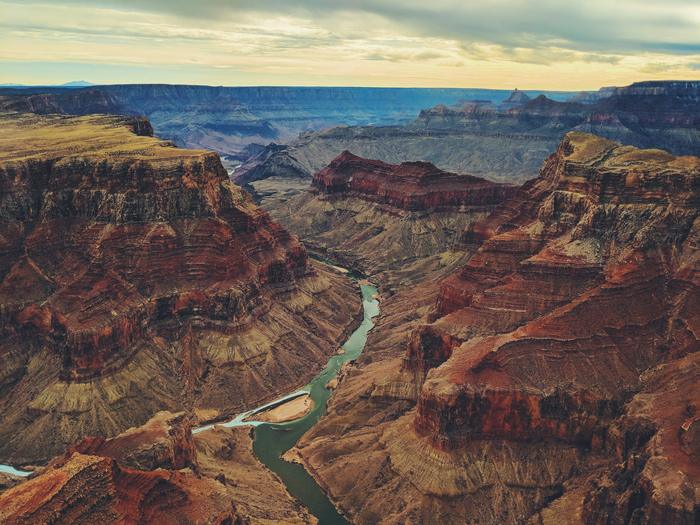
United States
A continent pretending to be a country — cities, deserts, and the best national parks anywhere.
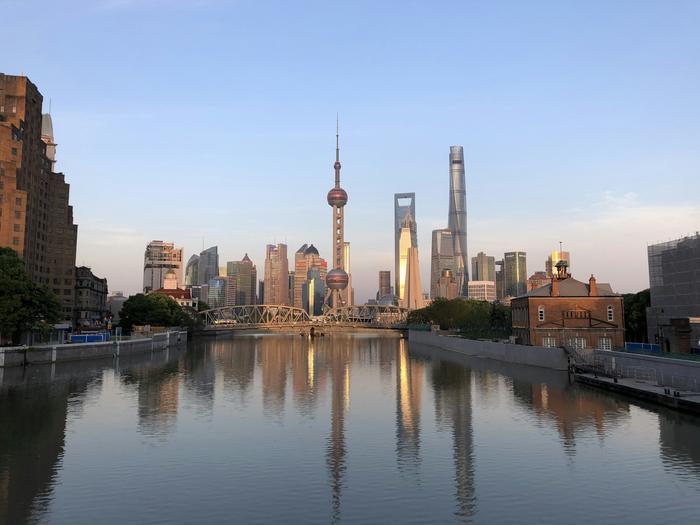
China
Ancient history and hypermodern cities at a scale that's hard to grasp until you're there.
Not sure where to go
Take the 5-minute quiz
Answer a few honest questions and get matched to destinations that actually fit how you travel.
Start the quiz