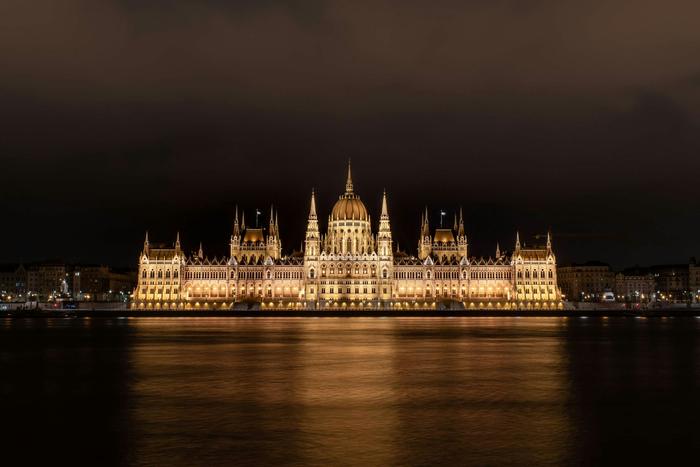
Hungary vs Slovenia

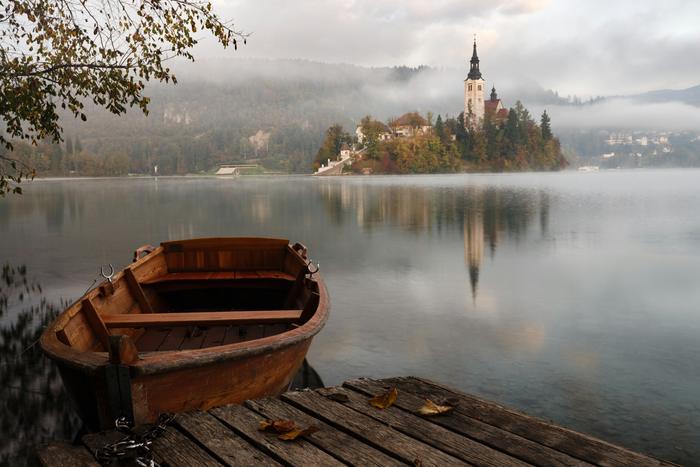
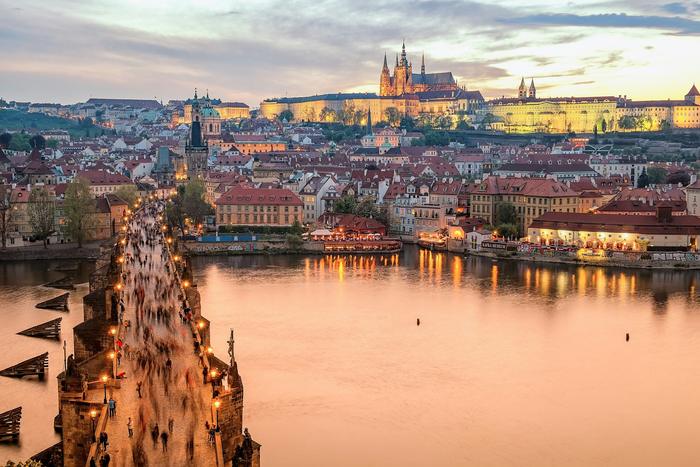
Two of Central Europe’s best-value trips, pulling in opposite directions. Hungary is really about Budapest — the best-value great city in Europe, with its thermal baths, grand Danube setting and café culture. Slovenia is the outdoorsy opposite: a compact country of Lake Bled, the Julian Alps, the Soča Valley and a sliver of coast, with only a small (if charming) capital.

Central Europe

Hungary

Budapest is the best-value great city in Europe.

Best time to visit
  1. January: fine
  2. February: fine
  3. March: fine
  4. April: peak
  5. May: peak
  6. June: peak
  7. July: fine
  8. August: fine
  9. September: peak
  10. October: peak
  11. November: avoid
  12. December: fine
Peak Fine Avoid

Central Europe

Slovenia

Alps, coast, and a capital you can cross on foot — all in one small country.

Best time to visit
  1. January: fine
  2. February: fine
  3. March: fine
  4. April: fine
  5. May: peak
  6. June: peak
  7. July: fine
  8. August: fine
  9. September: peak
  10. October: fine
  11. November: avoid
  12. December: fine
Peak Fine Avoid

Read our full guides about Hungary and Slovenia.

Side by side

Emphasised where they differ. Muted rows are much the same either way.

Hungary Slovenia
Best time April–June, September, October May, June, September
Climate mild mild
Budget Excellent value — Budapest is among the cheapest great cities in Europe (forint, not euro) Mid-priced Central Europe — good value, with Bled the one pricey spot in summer
Trip length 1–2 wks 1–2 wks
Visa Schengen — visa-free for most Western passports (90 days). Schengen area; visa-free for most Western passports (90 days). Verify before travel.
Currency HUF (Forint), roughly 360 HUF ≈ 1 USD. EUR (€).
Language Hungarian. English in central Budapest. Slovene. English widely spoken.
Tap water Tap water safe. Tap water safe and excellent.
Safety Very safe; watch for taxi and bar overcharging. Very safe, with low crime even in the capital.

General guidance — visas, safety, and health change, so check your government's travel advisory and the official sources before you go.

The split

A great-value city, or an outdoor country

Both fine value — one is a single grand city, the other a compact outdoor country.

City vs countrythe shape of a tripOne Danube capital, or a drive-across sampler
Baths vs mountainswhat each is really forThermal baths and grandeur, or lake, Alps and gorges
Cheapest vs mid-pricedthe moneyBudapest is rock-bottom value; Slovenia reasonable

Hungary is really about Budapest: the best-value great city in Europe, with thermal baths, a grand Danube setting, ruin bars and café culture. Slovenia is the outdoorsy opposite: a compact country of Lake Bled, the Julian Alps, the Soča Valley and a sliver of coast, with a small, charming capital rather than a headline city. A single grand city, or a varied outdoor sampler.

The operational detail — Budapest’s bath and attraction prices, Slovenia’s e-vignette and timed sights — lives on the two guides: Hungary, know before you go and Slovenia, know before you go. This page is the head-to-head.

Who suits which

Who each actually suits

A great city or an outdoor country — so these rarely invert.

If you want…HungarySlovenia
A deep, great-value city breakWins clearly. BudapestLjubljana is small
Mountains, lakes and gorgesFlatWins clearly. Bled, the Alps, the Soča
Thermal baths and grandeurWins. Széchenyi, GellértSpa towns, but smaller
The lowest pricesWins. Cheapest great cityMid-priced
An outdoorsy, active weekUrban-leaningWins. Hiking, rafting, gorges
A bit of coastLandlockedWins. Piran

Doing both

City break, then nature loop

Not far apart — a city-plus-country pairing.

They pair well as a contrast: a Budapest city break — baths, grandeur, nightlife — then a Slovenian nature loop around Bled, the Alps and the Soča, with Austria or Croatia often bridging the two. Both are in Schengen, so combined time draws on the same 90/180 allowance; remember Hungary uses the forint and Slovenia the euro, and buy Slovenia’s e-vignette before its motorways (see its guide).

What we leave out

What we deliberately leave out

Exact prices and the moving pieces — Budapest’s bath and attraction rates, Slovenia’s vignette and ticket prices — change within a season, so the figures here are the shape of the gap, not a quote; the country guides carry the live detail, including the EES/ETIAS border changes that apply to both.

Hungary or Slovenia, month by month

Which of the two is the better bet for each month of the year, scored on how well the season suits each place.

Which to choose

Choose Hungary if:

  • You want a great city at low prices — baths, grandeur, café culture, nightlife.
  • A single urban base you explore deeply beats a touring country.
  • Budapest’s thermal baths and Danube setting are the whole draw.

Choose Slovenia if:

  • You want the outdoors — a lake, the Alps, gorges, a bit of coast.
  • A compact, varied, drive-across country suits you better than one city.
  • Nature and activity matter more than urban culture and baths.

Common questions

Is Hungary or Slovenia better for a city trip?
Hungary, clearly — Budapest is the best-value great city in Europe, with its thermal baths, grand Danube setting, ruin bars and café culture, easily carrying a long weekend or more on its own. Slovenia’s Ljubljana is lovely but small, more a charming base than a deep city break. For urban depth and baths, Hungary; for the outdoors, Slovenia. See the Hungary and Slovenia guides.
Which is better for nature and the outdoors?
Slovenia, decisively — it’s the compact outdoorsy one, with Lake Bled, the Julian Alps, Triglav, the turquoise Soča Valley and Vintgar Gorge all close together, plus a short Adriatic coast. Hungary is flat, its draws urban and thermal (and Lake Balaton in summer) rather than mountainous. Mountains and lakes, or a great city and baths.
Which is better value?
Both are strong value, differently. Budapest is among the cheapest great cities in Europe (and Hungary keeps the forint, not the euro), while Slovenia is mid-priced Central Europe — reasonable, but dearer than Hungary and pricey at Bled in summer. For rock-bottom city value, Hungary; Slovenia buys you the nature.
Can I combine them?
You can — they’re not far apart (through or near Austria/Croatia), and a Budapest city break pairs well with a Slovenian nature loop. Both are in Schengen, so combined time counts toward the same 90/180 allowance; note Hungary uses the forint and Slovenia the euro, and Slovenia’s motorways need the e-vignette (see its guide). City-and-baths, then lake-and-Alps.

Still undecided

Take the quiz

Three matches. Often answers comparison questions for you.

Start the quiz