Czech Republic vs Hungary

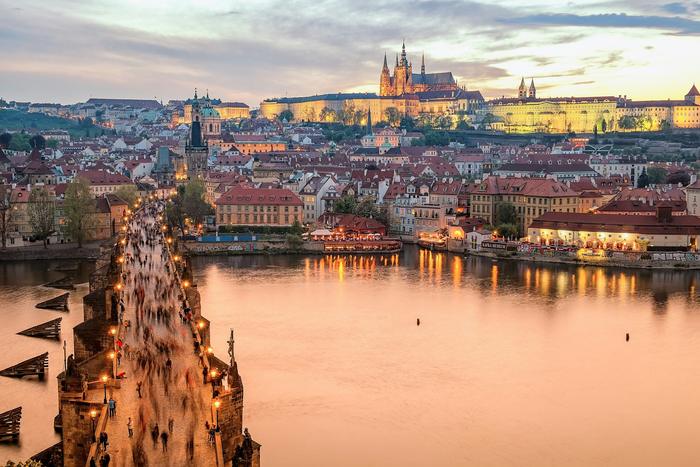
Two of Central Europe’s most beautiful and best-value city breaks, each built around a stunning capital. Czechia means Prague — a fairy-tale of spires, bridges and beer, one of the most photogenic cities in Europe. Hungary means Budapest — a grand Danube city of thermal baths, ruin bars and faded imperial splendour. Both are cheap, atmospheric and perfect for a long weekend; one is storybook Gothic-and-Baroque, the other thermal-spa-and-nightlife grandeur.

Central Europe

Czech Republic

Prague earns the crowds. The rest of the country is the bonus.

Best time to visit
  1. January: fine
  2. February: fine
  3. March: fine
  4. April: fine
  5. May: peak
  6. June: peak
  7. July: peak
  8. August: peak
  9. September: peak
  10. October: fine
  11. November: avoid
  12. December: fine
Peak Fine Avoid

Central Europe

Hungary

Budapest is the best-value great city in Europe.

Best time to visit
  1. January: fine
  2. February: fine
  3. March: fine
  4. April: peak
  5. May: peak
  6. June: peak
  7. July: fine
  8. August: fine
  9. September: peak
  10. October: peak
  11. November: avoid
  12. December: fine
Peak Fine Avoid

Read our full guides about Czech Republic and Hungary.

Side by side

Emphasised where they differ. Muted rows are much the same either way.

Czech Republic Hungary
Best time May–September April–June, September, October
Climate mild mild
Budget Good value — Prague is the priciest spot, the rest of the country cheaper Good value — Budapest stretches a budget
Trip length 1–2 wks 1–2 wks
Visa Schengen — visa-free for most Western passports (90 days). Schengen — visa-free for most Western passports (90 days).
Currency CZK (Koruna), roughly 23 CZK ≈ 1 USD. HUF (Forint), roughly 360 HUF ≈ 1 USD.
Language Czech. English in Prague tourism, less elsewhere. Hungarian. English in central Budapest.
Tap water Tap water safe. Tap water safe.
Safety Very safe; watch for pickpockets in central Prague. Very safe; watch for taxi and bar overcharging.

General guidance — visas, safety, and health change, so check your government's travel advisory and the official sources before you go.

The split

Fairy-tale Prague, or spa-city Budapest

Two great Central European capitals — one a storybook Gothic-and-Baroque city, the other a thermal-bath-and-ruin-bar grande dame.

Spires vs bathsthe signatureBeer-and-architecture, or thermal spas and ruin bars
Storybook vs grandthe beautyFairy-tale Gothic/Baroque, or Danube imperial grandeur
Koruna vs forintthe moneyBoth cheap, both on their own currency (not the euro)

Czechia means Prague — a fairy-tale of spires, bridges and beer, one of the most photogenic cities in Europe. Hungary means Budapest — a grand Danube city of thermal baths, ruin bars and faded imperial splendour. Both are cheap, atmospheric long-weekend capitals that keep their own currency.

The operational detail — Czechia’s koruna and Prague logistics; Hungary’s forint, ATM/DCC traps and thermal-bath etiquette — lives on the two guides: Czechia, know before you go and Hungary, know before you go. This page is the head-to-head.

The real difference

A storybook weekend, or a spa-and-nightlife one

The trade: Czechia offers one of the world’s most beautiful cities and great beer; Hungary offers thermal baths, ruin bars and grand scale.

Czechia wins on the fairy-tale cityscape. Prague is a complete, gorgeous long weekend of spires, bridges and beer halls, with Český Krumlov an easy add-on — the storybook choice.

Hungary wins on baths and nightlife. Budapest’s thermal baths, ruin bars and grand Danube setting make for a more sensory, lively break. Both are cheap and beautiful; choose beer-and-architecture, or baths-and-bars.

Who suits which

Who each actually suits

Two great capitals — one leans fairy-tale beauty, the other spas and nightlife.

If you want…CzechiaHungary
A storybook cityscapeWins. Prague’s spiresGrand, different beauty
Thermal baths and ruin barsNot its thingWins. Budapest
World-class beer cultureWins. Czech pivoWine and spirits
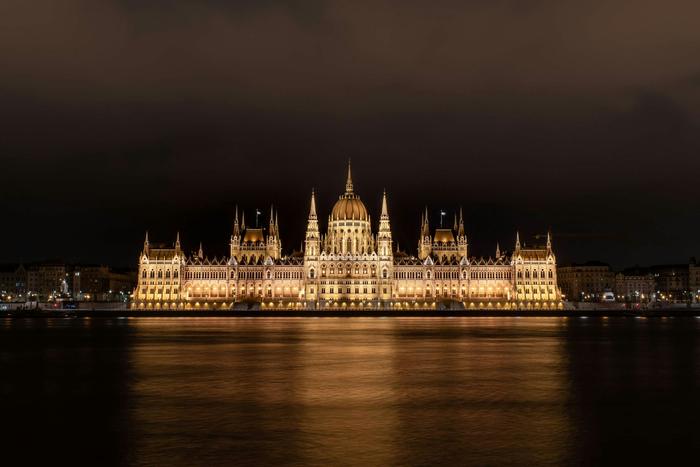
Grand Danube monumentalityVltava charmWins. Parliament, Buda Castle
A perfect long weekendStrong. PragueStrong. Budapest
Low pricesStrong. Great valueStrong. Great value

Doing both

Close capitals you can pair

Prague and Budapest combine easily, often via Vienna.

Czechia and Hungary are close Central European neighbours (with Slovakia between), linked by road, rail and short flights, so a longer trip can pair Prague with Budapest comfortably — often via Vienna. Each also compares with its other neighbours (see Czechia vs Poland, Hungary vs Poland and Denmark vs Hungary).

What we leave out

What we deliberately leave out

Exact prices beyond the structural comparison — both are cheap and move with season — so the figures here are the shape of the difference, not a quote; the country guides carry the live detail. The shared entry mechanics (both in Schengen, koruna vs forint) are covered on the guides rather than restated here.

Czech Republic or Hungary, month by month

Which of the two is the better bet for each month of the year, scored on how well the season suits each place.

Which to choose

Choose Czech Republic if:

  • One of the world's most beautiful cities — Prague — is the draw.
  • You want a storybook Gothic-and-Baroque long weekend.
  • Spires, bridges and beer over thermal baths and ruin bars.

Choose Hungary if:

  • Thermal baths, ruin bars and grand Danube scenery are the draw.
  • You want a spa-and-nightlife city break.
  • Baths-and-bars over a fairy-tale cityscape.

Common questions

Is Prague or Budapest more beautiful?
Both are gorgeous, differently. Prague is a storybook of Gothic and Baroque — the Charles Bridge, the castle, the Old Town Square — arguably the most instantly beautiful city in Central Europe. Budapest is grander and more monumental, straddling the Danube with its Parliament, Buda Castle and Fisherman’s Bastion, and a faded imperial elegance. For a fairy-tale cityscape, Prague; for Danube grandeur, Budapest.
What’s the signature experience in each?
In Prague, it’s wandering the medieval lanes and bridges and drinking the world’s best (and cheapest) beer in a historic pub. In Budapest, it’s a long soak in a thermal bath (the grand Széchenyi or Art Nouveau Gellért) followed by a night in a ruin bar. One is beer-and-architecture; the other baths-and-nightlife — both quintessentially Central European.
Which is better value?
Both are excellent value by Western-European standards — among the best city-break bargains in Europe. Prague’s centre can be a touch pricier than Budapest in peak season, and Budapest is famously cheap for food and drink, but there’s little in it: either stretches a budget far further than Paris or London.
Do they use the euro?
Neither — a shared quirk. Both are in the EU and Schengen (EES now live, ETIAS expected 2027) but outside the eurozone: Czechia uses the koruna, Hungary the forint. In Hungary especially, use bank ATMs and decline “pay in your home currency” prompts. The guides carry the detail: Czechia and Hungary.
Can I combine them?
Yes, easily — they’re close Central European neighbours (with Slovakia between), linked by road, rail and short flights, so a long trip can pair Prague with Budapest comfortably (often via Vienna). Each also compares with its other neighbours — Czechia with Poland, Italy and Spain, Hungary with Poland and Denmark.

Still undecided

Take the quiz

Three matches. Often answers comparison questions for you.

Start the quiz