Denmark vs Hungary

Two European city breaks built around their capitals, at opposite ends of the price scale. Denmark means Copenhagen — clean Scandinavian design, hygge, world-class food and a cycling culture — polished, calm and very expensive. Hungary means Budapest — a grand Danube city of thermal baths, ruin bars and faded imperial splendour — atmospheric, lively and remarkable value. Both are in the EU but keep their own currencies. One is design-led and pricey; the other characterful and cheap.

Northern Europe

Denmark

A long weekend in Copenhagen — design, cycling, and new-Nordic food.

Best time to visit
  1. January: avoid
  2. February: avoid
  3. March: fine
  4. April: fine
  5. May: peak
  6. June: peak
  7. July: peak
  8. August: peak
  9. September: fine
  10. October: fine
  11. November: avoid
  12. December: fine
Peak Fine Avoid
Central Europe

Hungary

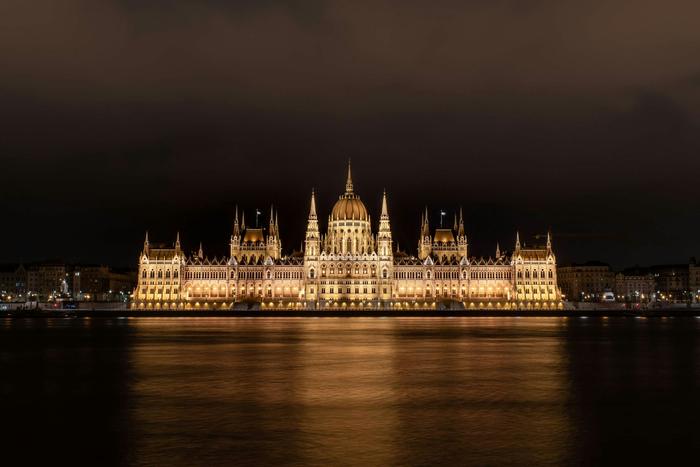
Budapest is the best-value great city in Europe.

Best time to visit
  1. January: fine
  2. February: fine
  3. March: fine
  4. April: peak
  5. May: peak
  6. June: peak
  7. July: fine
  8. August: fine
  9. September: peak
  10. October: peak
  11. November: avoid
  12. December: fine
Peak Fine Avoid

Read our full guides about Denmark and Hungary.

Side by side

Emphasised where they differ. Muted rows are much the same either way.

Denmark Hungary
Best time May–August April–June, September, October
Climate cold mild
Budget The most expensive country in the EU — dining and drinking most of all Good value — Budapest is a fraction of Copenhagen’s cost
Trip length 1–1 wks 1–2 wks
Visa Schengen — visa-free for most Western passports (90 days). Schengen — visa-free for most Western passports (90 days).
Currency DKK (Danish Krone). Not in the euro. HUF (Forint), roughly 360 HUF ≈ 1 USD.
Language Danish. English near-universal. Hungarian. English in central Budapest.
Tap water Tap water excellent. Tap water safe.
Safety Very safe. Very safe; watch for taxi and bar overcharging.

General guidance — visas, safety, and health change, so check your government's travel advisory and the official sources before you go.

The split

Design and hygge, or baths and ruin bars

Both are capital-city breaks in the EU-but-not-the-euro — but one is polished, pricey Scandinavia, the other characterful, cheap Central Europe.

Polish vs characterthe feelClean Scandinavian calm, or grand faded splendour
Cycling vs bathsthe signatureBike-and-design living, or thermal baths and ruin bars
Priciest vs valuethe moneyDenmark the EU’s most expensive; Budapest a fraction of the cost

Denmark means Copenhagen — clean Scandinavian design, hygge, world-class food and a defining cycling culture, polished and calm and the most expensive country in the EU. Hungary means Budapest — a grand Danube city of thermal baths, ruin bars and faded Habsburg splendour, atmospheric, lively and remarkable value. Both keep their own currency rather than the euro.

The operational detail — Denmark’s krone, near-cashless payment and Tivoli seasons; Hungary’s forint, ATM/DCC traps and thermal-bath etiquette — lives on the two guides: Denmark, know before you go and Hungary, know before you go. This page is the head-to-head.

The real difference

Pay for polish, or spend little for character

The trade: Denmark offers design, hygge and quality at a high price; Hungary offers grand, lively character for very little.

Denmark wins on polish, design and food. Copenhagen is calm, beautiful and effortlessly high-quality, from the cycling to the cuisine — a city break with nothing rough about it, if you can absorb the EU’s steepest prices.

Hungary wins on character and value. Budapest’s thermal baths, ruin bars and grand Danube setting make for a livelier, more atmospheric trip at a fraction of the cost. Choose design-and-hygge, or baths-and-bars.

Who suits which

Who each actually suits

Both are capital city breaks — but one leans polish and quality, the other character and value.

If you want…DenmarkHungary
The best valueThe EU’s priciestWins. A fraction of the cost
Scandinavian design and hyggeWins. CopenhagenDifferent character
Thermal baths and ruin barsNot its thingWins. Budapest
World-class foodWins. A food capitalGood, cheaper
Cycling-led city lifeWins. A cycling capitalWalkable, not cycling
Grand, lively atmosphereCalm and polishedWins. Faded grandeur

Doing both

Two separate city breaks

Different corners of Europe — usually one at a time.

Denmark and Hungary are separate city breaks in different parts of Europe, linked by a short flight, so most people pick one for a long weekend — the polished-and-pricey or the characterful-and-cheap. Each compares more naturally with its neighbours (see Denmark vs Sweden and Hungary vs Poland).

What we leave out

What we deliberately leave out

Exact prices beyond the structural comparison — Copenhagen’s high costs and Budapest’s low ones both move with season — so the figures here are the shape of the difference, not a quote; the country guides carry the live detail. The shared entry mechanics (both in Schengen, neither on the euro) are covered on the guides rather than restated here.

Denmark or Hungary, month by month

Which of the two is the better bet for each month of the year, scored on how well the season suits each place.

Which to choose

Choose Denmark if:

  • Scandinavian design, hygge and world-class food are the draw.
  • You want a calm, polished, high-quality city break and budget isn’t the issue.
  • Cycling culture and clean modern living appeal.

Choose Hungary if:

  • Thermal baths, ruin bars and grand Danube scenery top the list.
  • You want a lively, atmospheric city at low prices.
  • Great value and faded imperial character over Nordic polish.

Common questions

Is Copenhagen or Budapest better value?
Budapest, by a wide margin. Hungary is good value by Western-European standards, so food, drink and hotels cost a fraction of what they do in Copenhagen — Denmark is the most expensive country in the EU, with dining and alcohol especially steep. For a city break that stretches the budget, Budapest; Copenhagen is the splurge.
What is each city actually like?
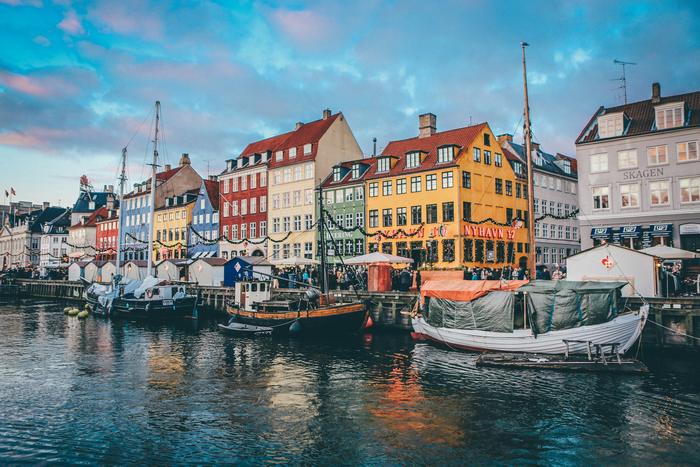
Copenhagen is polished, calm and design-led — Nyhavn’s painted harbour, Tivoli Gardens, a world-class food scene, and a cycling culture that defines daily life; the epitome of Scandinavian hygge. Budapest is grander and more atmospheric — a Danube city of thermal baths, Art Nouveau and faded Habsburg splendour, with the famous ruin bars of the old Jewish Quarter. For clean modern calm, Copenhagen; for characterful, lively grandeur, Budapest.
What’s the signature experience in each?
In Copenhagen, it’s renting a bike and gliding the city like a local, or a hygge evening in a design-perfect café. In Budapest, it’s a long soak in a thermal bath (the grand Széchenyi, the Art Nouveau Gellért) followed by a night in a ruin bar. Both are quintessential and quite different pleasures — cycling-and-design versus baths-and-bars.
Do they use the euro?
Neither does — a shared quirk. Both are in the EU and Schengen (so the EU’s EES applies and ETIAS is expected in 2027), but Denmark uses the krone and Hungary the forint. In Denmark you’ll pay by card almost everywhere (it’s near-cashless); in Hungary, use bank ATMs and decline “pay in your home currency” prompts. The country guides carry the detail: Denmark and Hungary.
Can I combine them?
They’re separate city breaks rather than a natural pairing — different corners of Europe, linked by a short flight — so most people choose one for a long weekend. The real decision is polished-and-pricey versus characterful-and-cheap. Each also compares with its neighbours — Denmark with Sweden, Hungary with Poland.

Still undecided

Take the quiz

Three matches. Often answers comparison questions for you.

Start the quiz