Greenland vs Iceland

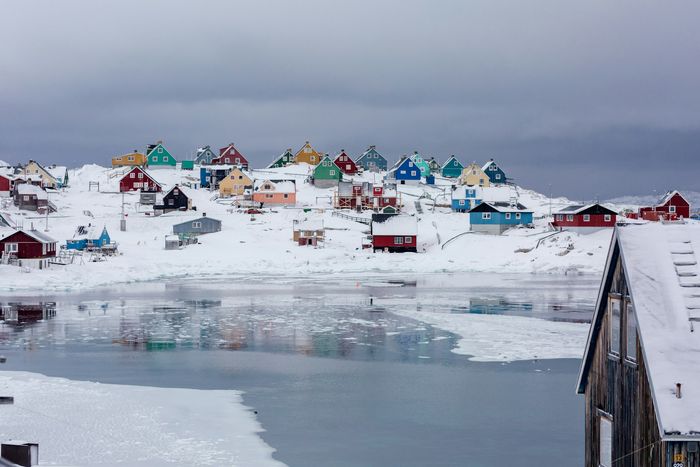
Two North Atlantic islands of ice and fire, at very different stages of tourism. Greenland is the remote, raw giant — the Ilulissat icefjord and calving glaciers, tiny colourful towns, dog sledding and the ice sheet, with no roads between settlements and sky-high prices (though new airports have just transformed access). Iceland is the accessible one — geysers, waterfalls, volcanoes and black beaches strung along a drivable ring road, with developed tourism and easy flights. One is a wild, logistics-heavy Arctic expedition; the other a smooth, bucket-list road trip.

Arctic

Greenland

The Arctic at its most overwhelming — city-sized icebergs, silent fjords, and almost no one there.

Best time to visit
  1. January: avoid
  2. February: fine
  3. March: fine
  4. April: fine
  5. May: fine
  6. June: peak
  7. July: peak
  8. August: peak
  9. September: fine
  10. October: avoid
  11. November: avoid
  12. December: avoid
Peak Fine Avoid

Northern Europe

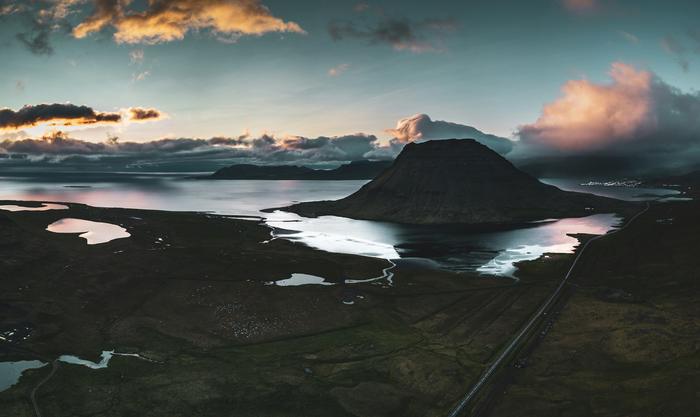
Iceland

Geysers, glaciers, northern lights, hot springs.

Best time to visit
  1. January: fine
  2. February: peak
  3. March: fine
  4. April: fine
  5. May: peak
  6. June: peak
  7. July: peak
  8. August: peak
  9. September: peak
  10. October: fine
  11. November: fine
  12. December: fine
Peak Fine Avoid

Read our full guides about Greenland and Iceland.

Side by side

Emphasised where they differ. Muted rows are much the same either way.

Greenland Iceland
Best time June–August February, May–September
Climate cold cold
Budget Extremely expensive — remote, with nearly everything flown in Expensive too, but with far more competition and options
Trip length 1–2 wks 1–2 wks
Visa Schengen visa rules apply (Danish territory) — visa-free for most Western passports. Verify before travel. Schengen — visa-free for most Western passports (90 days).
Currency Danish Krone (DKK). ISK (Krona). Roughly 138 ISK ≈ 1 USD.
Language Greenlandic and Danish; English spoken in tourism. Icelandic. English universal.
Tap water Tap water is safe — some of the purest anywhere. Tap water excellent — best in the world by some metrics.
Safety Very safe; the real risks are weather and the wilderness, not crime. Very safe. Weather and roads in winter are the real risks.

General guidance — visas, safety, and health change, so check your government's travel advisory and the official sources before you go.

The split

A raw Arctic expedition, or an easy road trip

Both are North Atlantic islands of ice — but one is a remote, no-roads wilderness, the other an accessible, drivable greatest-hits.

Remote vs accessiblethe travelFlights/ferries and buffer days, or a drivable ring road
Icebergs vs geysersthe natureThe icefjord and the ice sheet, or waterfalls and volcanoes
Expedition vs tripthe effortA logistics-heavy expedition, or a smooth bucket-list loop

Greenland is the remote, raw giant — the Ilulissat icefjord and calving glaciers, tiny colourful towns, dog sledding and the ice sheet, with no roads between settlements and sky-high prices (new airports have just transformed access). Iceland is the accessible one: geysers, waterfalls, volcanoes and black beaches along a drivable ring road, with developed tourism and easy flights.

The operational detail — Greenland’s new-airport access, no-roads reality and buffer-day planning; Iceland’s ring-road and Schengen entry — lives on the two guides: Greenland, know before you go and Iceland, know before you go. This page is the head-to-head.

The real difference

Wild remoteness, or smooth access

The trade: Greenland offers raw Arctic grandeur with real logistics; Iceland offers a dense greatest-hits with easy access.

Greenland wins on raw wilderness. The icefjord, the glaciers and the silence are on a scale and remoteness Iceland can’t match — a genuine Arctic expedition, accepting the no-roads logistics, buffer days and expense.

Iceland wins on access and variety. A drivable ring road links a dense greatest-hits of geysers, waterfalls, volcanoes and beaches, with developed tourism and easy flights — the smooth, bucket-list choice. Choose the wild expedition, or the easy road trip.

Who suits which

Who each actually suits

Both are Atlantic ice islands — but one leans raw remoteness, the other easy access.

If you want…GreenlandIceland
Raw Arctic wildernessWins. Icefjord, ice sheetDramatic, but developed
A drivable ring roadNo roads between townsWins. The ring road
Geysers, waterfalls, volcanoesIce, not geothermal varietyWins. A greatest-hits
Dog sledding and tiny townsWins. A living traditionLimited
Easy access and logisticsFlights/ferries, buffer daysWins. Seamless
The northern lightsStrong. Dark, remote skiesStrong. Easy to base

Doing both

Iceland is the gateway

Reykjavík flies to Greenland — a natural pairing.

Iceland is a long-standing hub for flights to Greenland (Reykjavík to Nuuk, Ilulissat and the east coast), so a trip can pair accessible Iceland with a Greenland leg — many travellers do exactly that. Iceland also compares with the Nordics (see Iceland vs Norway).

What we leave out

What we deliberately leave out

Exact prices beyond the structural comparison — both are expensive (Greenland especially) and move with season — so the figures here are the shape of the difference, not a quote; the country guides carry the live detail. Greenland’s volatile access (new airports, direct flights) and no-roads logistics are covered on its guide, to be checked before you commit, rather than restated here.

Greenland or Iceland, month by month

Which of the two is the better bet for each month of the year, scored on how well the season suits each place.

Which to choose

Choose Greenland if:

  • Raw Arctic wilderness, icebergs and dog sledding are the draw.
  • You want remoteness and are ready for flight-and-ferry logistics.
  • A genuine expedition over a smooth road trip.

Choose Iceland if:

  • Geysers, waterfalls, volcanoes and a drivable ring road top the list.
  • You want easy access, developed tourism and self-driving.
  • A bucket-list road trip over a remote expedition.

Common questions

Is Greenland or Iceland easier to visit?
Iceland, by far — it’s a developed, easy destination with frequent flights, a drivable ring road, abundant accommodation and seamless tourism. Greenland is remote and logistics-heavy: there are no roads between towns, so you travel by plane, helicopter or coastal ferry, prices are very high, and weather frequently disrupts flights (build in buffer days). New airports (Nuuk 2024, direct US flights from 2025) have improved access dramatically, but it remains an expedition. For ease, Iceland; for raw remoteness, Greenland.
Which has the more dramatic nature?
Both are extraordinary, differently. Greenland is about raw Arctic scale — the Ilulissat icefjord, enormous calving glaciers, the ice sheet, and silence. Iceland packs a greatest-hits of geology — geysers, waterfalls, volcanoes, glaciers, black beaches and lava fields — into an accessible loop. For sheer wild Arctic grandeur, Greenland; for a dense variety of easily-reached wonders, Iceland.
Which for the northern lights and midnight sun?
Both deliver both. Greenland and Iceland each have an aurora season (roughly late August–April) and a midnight-sun summer. Greenland’s dark, remote skies are superb for the lights; Iceland is far easier to base yourself for aurora-chasing. For wilderness aurora, Greenland; for accessible aurora and midnight-sun road trips, Iceland.
Do the entry and status rules differ?
Yes. Iceland is in the Schengen area (EES now live, ETIAS expected 2027) and uses the Icelandic króna. Greenland, though part of the Kingdom of Denmark, is outside the EU and Schengen, visa-free for the main nationalities, and uses the Danish krone. Both are expensive, Greenland more so. The guides carry the detail: Greenland and Iceland.
Can I combine them?
Yes, increasingly — Iceland is a long-standing hub for flights to Greenland (Reykjavík to Nuuk, Ilulissat and the east coast), so a trip can pair accessible Iceland with a Greenland leg. Many travellers do exactly this. Iceland also compares with the Nordics (see Iceland vs Norway).

Still undecided

Take the quiz

Three matches. Often answers comparison questions for you.

Start the quiz