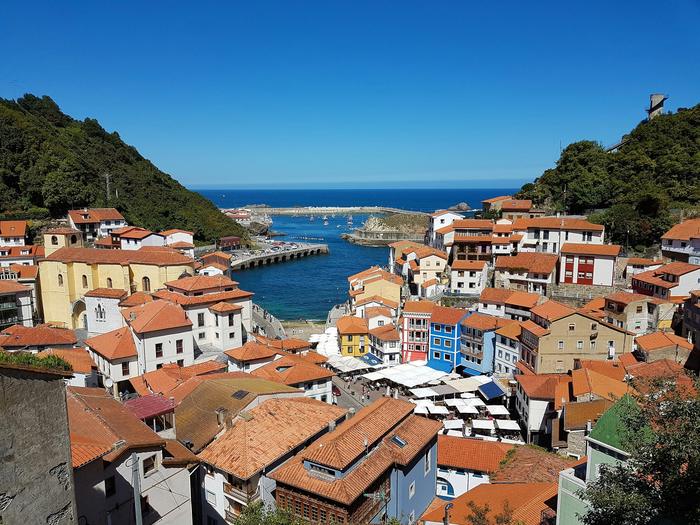
Azores
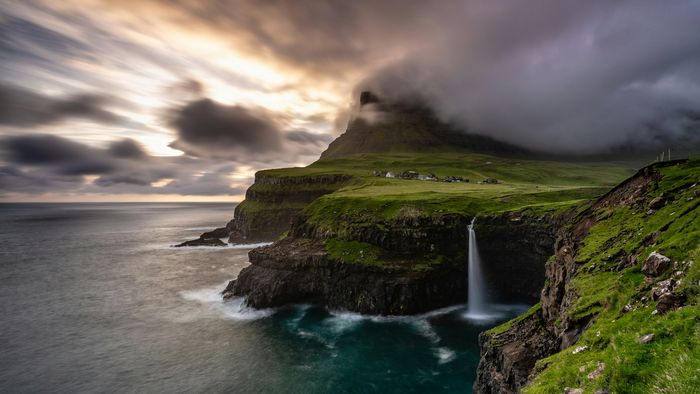
Green volcanic islands in the mid-Atlantic, half-empty and gloriously weird.
- January: avoid
- February: avoid
- March: fine
- April: fine
- May: fine
- June: fine
- July: peak
- August: peak
- September: peak
- October: fine
- November: fine
- December: avoid
Two volcanic mid-Atlantic destinations with very different temperatures and tempers. The Azores are green, mild and under-visited: Portuguese islands for whale-watching, crater lakes and hot springs, cheaper and quieter. Iceland is bigger, rawer and far more developed: glaciers, geysers, erupting volcanoes and waterfalls on a grand scale, a slick tourist machine, the Ring Road and the Blue Lagoon — colder, pricier and busier. Green, mild and quiet, or dramatic and developed.
Green volcanic islands in the mid-Atlantic, half-empty and gloriously weird.
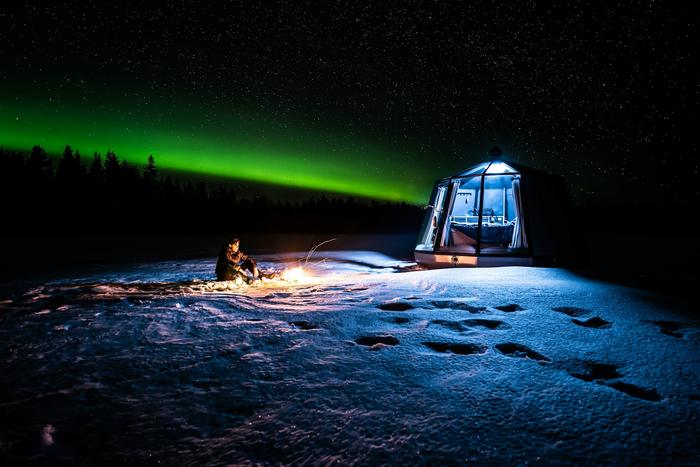
Geysers, glaciers, northern lights, hot springs.
Read our full guides about Azores and Iceland.
Emphasised where they differ. Muted rows are much the same either way.
| Azores | Iceland | |
|---|---|---|
| Best time | July–September | February, May–September |
| Climate | mild | cold |
| Budget | Moderate — cheaper than mainland-Europe hotspots and far cheaper than Iceland | High, Scandinavian — tours, the Blue Lagoon and a full tourist economy add up |
| Trip length | 1–1 wks | 1–2 wks |
| Visa | Portugal (Schengen) — visa-free for most Western passports (90 days). Verify before travel. | Schengen — visa-free for most Western passports (90 days). |
| Currency | EUR (€). | ISK (Krona). Roughly 138 ISK ≈ 1 USD. |
| Language | Portuguese; English widely spoken in tourism. | Icelandic. English universal. |
| Tap water | Tap water is safe. | Tap water excellent — best in the world by some metrics. |
| Safety | Very safe; ordinary precautions only. | Very safe. Weather and roads in winter are the real risks. |
General guidance — visas, safety, and health change, so check your government's travel advisory and the official sources before you go.
The split
Two Atlantic volcanic destinations — one green, mild and quiet, the other raw, grand and busy.
The Azores are green, mild and under-visited: Portuguese volcanic islands for whale-watching, crater lakes and hot springs, cheaper and quieter than almost anywhere comparable. Iceland is bigger, rawer and far more developed: glaciers, geysers, erupting volcanoes and waterfalls on a grand scale, with the Ring Road, the Blue Lagoon and the crowds and prices of a mature destination. Soft green calm, or otherworldly spectacle.
Operational detail — the Azores’ whale season and nature-site caps; Iceland’s eruption and road status and the Blue Lagoon — lives on the two guides: Azores, know before you go and Iceland, know before you go. This page is the head-to-head.
Who suits which
Green-mild-quiet or dramatic-developed — so these never invert.
| If you want… | Azores | Iceland |
|---|---|---|
| Grand volcanic drama | Gentler and greener | Wins clearly. Glaciers, eruptions |
| Lower cost | Wins clearly. Much cheaper | Famously expensive |
| Whale-watching | Wins. World-class | Some, not the focus |
| Easy tours and infrastructure | More independent | Wins. A full machine |
| The northern lights | Too far south | Wins. In season |
| A quiet, uncrowded feel | Wins. Under-visited | Busy honeypots |
Doing both
North Atlantic, but different trips — pick one.
They’re both North Atlantic but serve different holidays, with no easy hop between, so most people choose one. Both are in Schengen (same EES/ETIAS rules) and summer-best (Iceland also runs winter aurora trips). Choose the Azores for green, mild, cheap and quiet volcanic nature, Iceland for grand, developed drama and the northern lights.
What we leave out
Exact prices and the moving pieces — the Azores’ tourist tax and nature-site caps; Iceland’s eruption status, road closures and Blue Lagoon pricing — change within a season, so the figures here are the shape of the gap, not a quote; the country guides carry the live detail.
Which of the two is the better bet for each month of the year, scored on how well the season suits each place.
Paris is only the opening act — wine country, the Alps, and two coastlines.
The benchmark for food, history, and beauty.
Ruins in the morning, a swim by noon, taverna until dark.
Food, beaches, and three or four cities that each justify the trip.
The ski and alpine benchmark — every other mountain range is measured against this.
Dubrovnik, the Adriatic coast, ancient cities. Compact and beautiful.
Prague earns the crowds. The rest of the country is the bonus.
The best value city in Western Europe.
Still undecided
Three matches. Often answers comparison questions for you.
Start the quiz