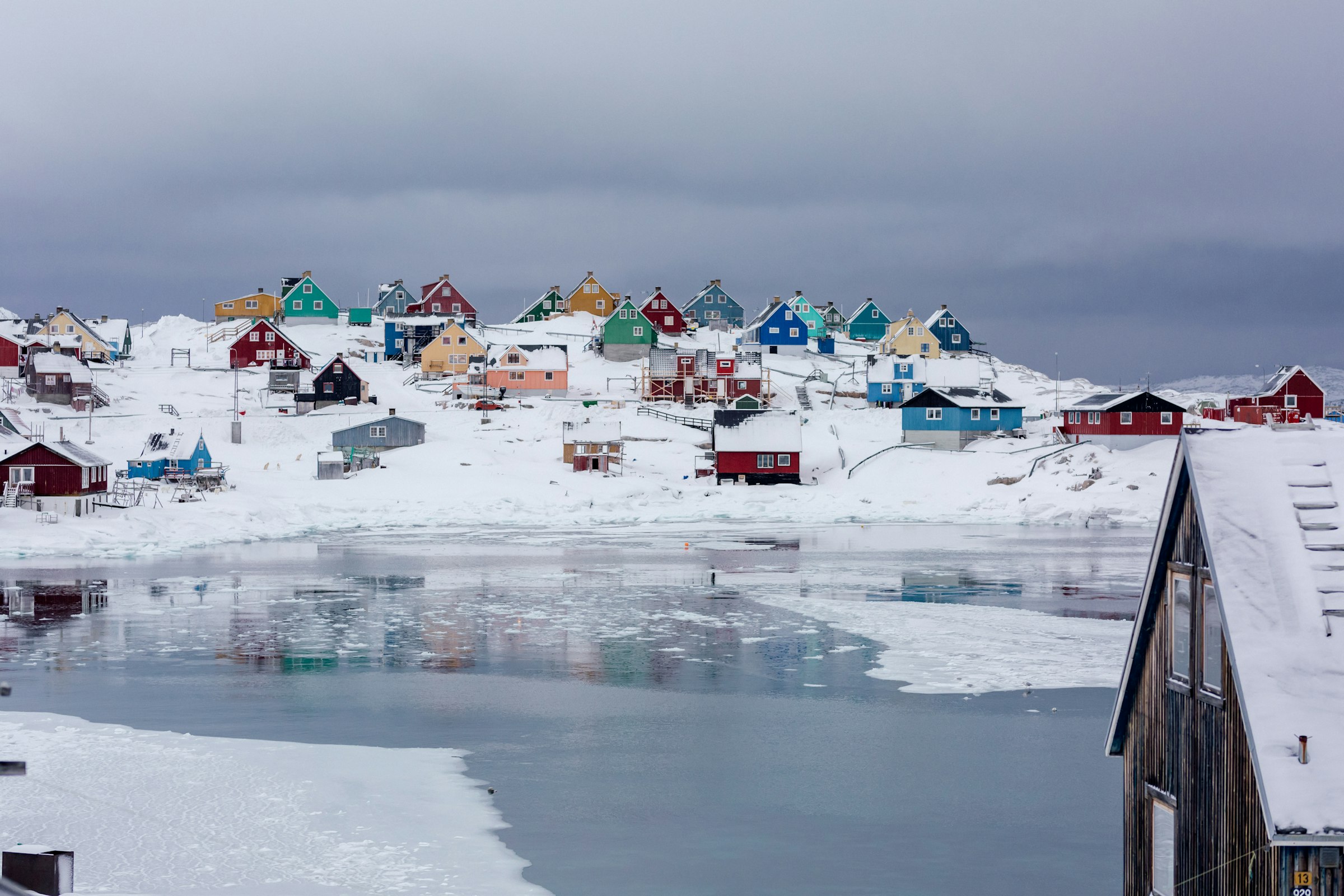
Greenland
The Arctic at its most overwhelming — city-sized icebergs, silent fjords, and almost no one there.
Greenland is one of the last places on earth that feels genuinely beyond the reach of mass tourism. The world's largest island is almost entirely ice sheet, with a thin fringe of settlements clinging to the coast, connected by boat and plane rather than road. You come for scale that resets your sense of it: icebergs the size of buildings drifting through fjords, whales surfacing between them, and a silence you don't get anywhere else. New direct flights have finally made it easier to reach.
The set-piece is Ilulissat, on the west coast, where a UNESCO-listed icefjord funnels vast icebergs from one of the fastest-moving glaciers on the planet out into Disko Bay — you watch them from the shore, from a boat, or from a kayak, and in summer humpback whales feed among them. Elsewhere it's a choose-your-own-Arctic: hiking the treeless tundra under the midnight sun, dog-sledding across the ice in the shoulder seasons, sailing the fjords, or chasing the northern lights in the dark months. The capital, Nuuk, is a small, colourful, surprisingly modern town, but most of the trip is landscape and Inuit-settlement life rather than sights.
The honest part: Greenland is expensive, remote, and weather-dependent to a degree that can wreck an itinerary — flights and boats are cancelled by fog and storms, and there are no roads between towns, so you build in buffer days and accept that plans flex. It's cold even in summer, tourism infrastructure is thin outside a few hubs, and it demands some flexibility and hardiness. What you get in return is genuinely rare: raw Arctic wilderness at a scale almost nowhere else can match, with a fraction of the visitors of Iceland or Norway.
Highlights
-
Ilulissat Icefjord
A UNESCO fjord choked with city-sized icebergs from one of the world’s fastest glaciers — the great Greenland sight.
-
Disko Bay whales
Humpbacks feeding among the icebergs in summer, watched from a boat or the shore.
-
Dog sledding
The traditional way across the ice, best in late winter and spring in the north.
-
Northern lights
Some of the clearest, darkest aurora skies anywhere, from roughly September to April.
-
Nuuk
The small, colourful, modern capital — the point of contact with contemporary Greenlandic life.
-
Hiking under the midnight sun
Treeless Arctic tundra and fjord-side trails walked in 24-hour summer daylight.
Practical info
- Visa
- Schengen visa rules apply (Danish territory) — visa-free for most Western passports. Verify before travel.
- Currency
- Danish Krone (DKK).
- Language
- Greenlandic and Danish; English spoken in tourism.
- Safety
- Very safe; the real risks are weather and the wilderness, not crime.
- Getting around
- No roads between towns — travel is by plane, helicopter, and boat, and weather causes delays.
- Tap water
- Tap water is safe — some of the purest anywhere.
- Plug type
- Type C Type F 230V
- Money
- Cards widely accepted, even in small settlements.
General guidance — visas, safety, and health change, so check your government's travel advisory and the official sources before you go.
Common questions
- When is the best time to visit Greenland?
- Greenland is at its best in June–August. It's best to avoid January, October, November.
- How many days do you need in Greenland?
- Most trips run 1–2 weeks, depending on how much ground you want to cover.
- Is Greenland expensive?
- Plan for mid-range – premium daily spend, depending on how you travel.
- Is Greenland safe for travelers?
- Very safe; the real risks are weather and the wilderness, not crime.
- Do you need a visa for Greenland?
- Schengen visa rules apply (Danish territory) — visa-free for most Western passports. Verify before travel.
Compare Greenland with
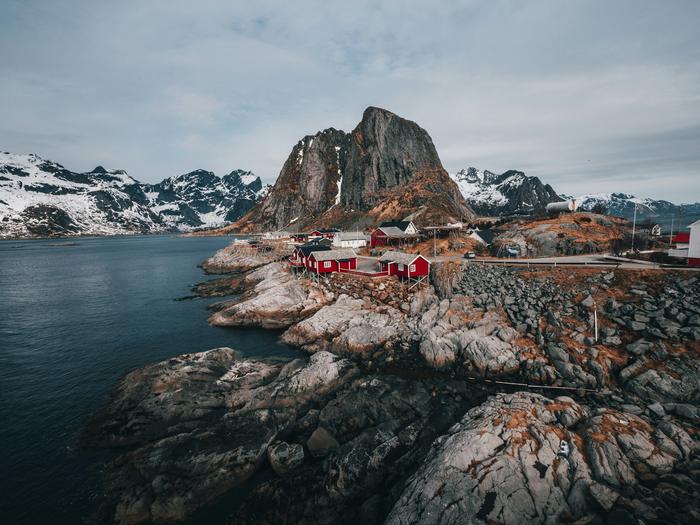
If you like Greenland, also consider
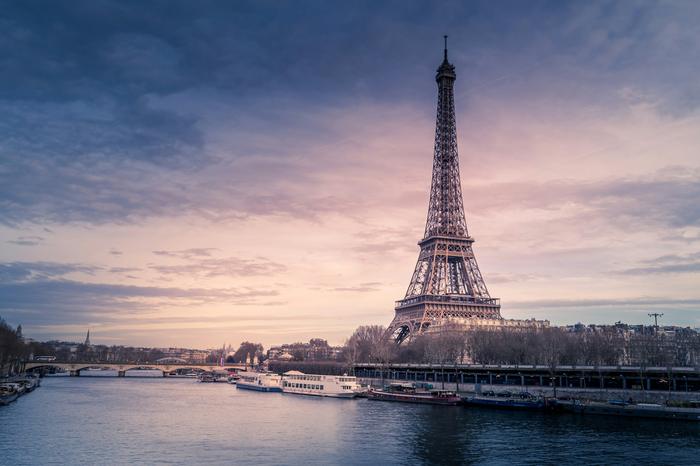
France
Paris is only the opening act — wine country, the Alps, and two coastlines.
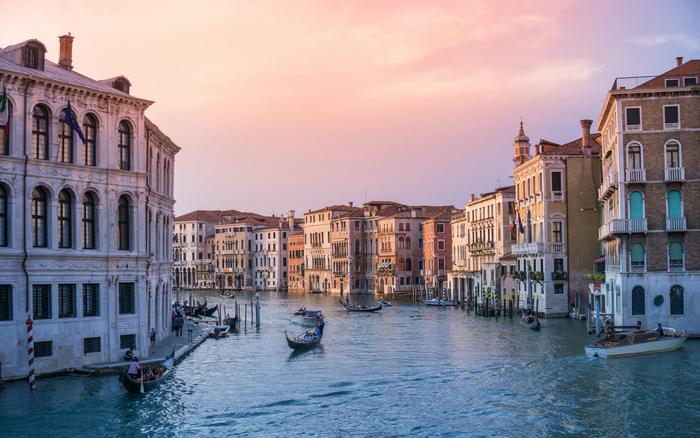
Italy
The benchmark for food, history, and beauty.
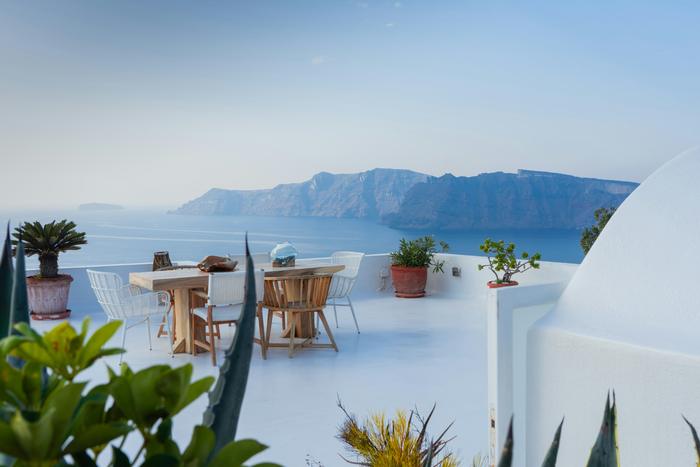
Greece
Ruins in the morning, a swim by noon, taverna until dark.
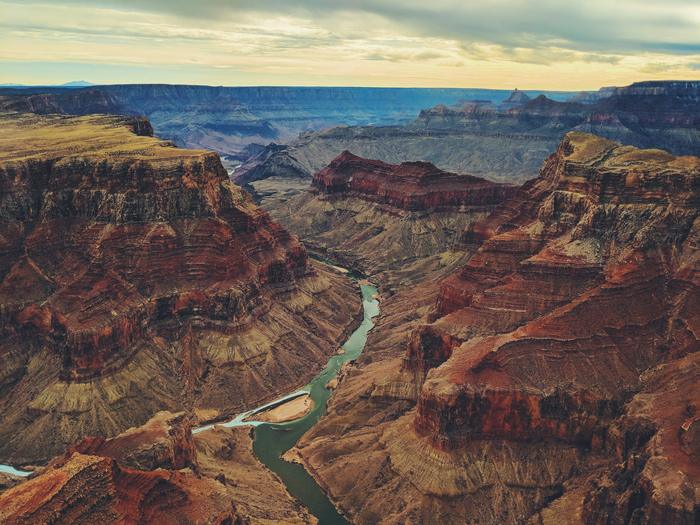
United States
A continent pretending to be a country — cities, deserts, and the best national parks anywhere.
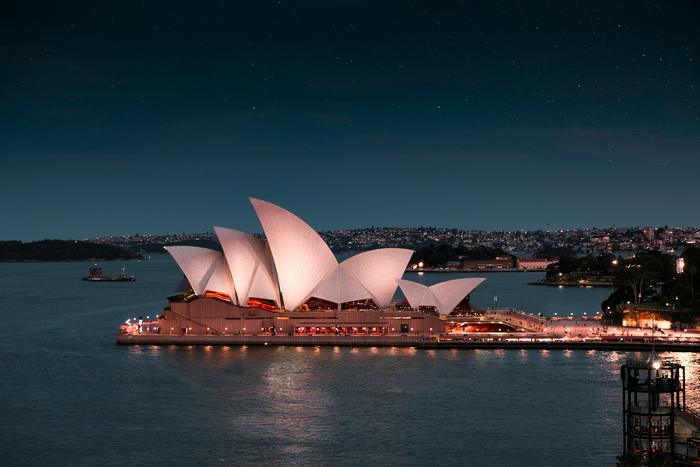
Australia
Vast, varied, relaxed. Reef, Sydney, and proper wilderness in one.
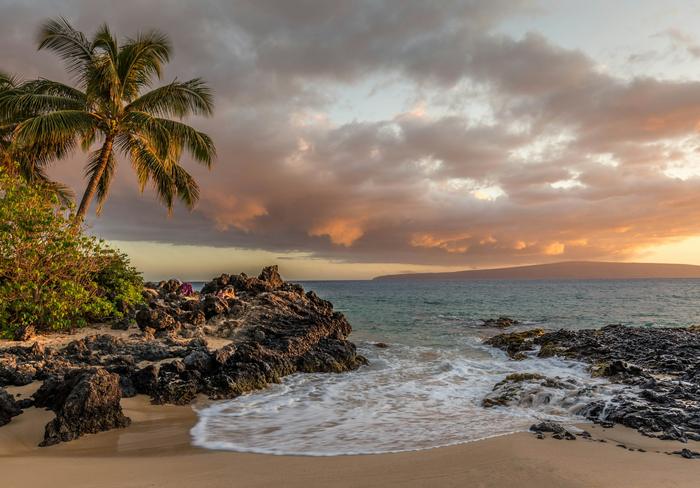
Hawaii
A handful of islands where the landscapes and the ocean genuinely earn the flight.
Not sure where to go
Take the 5-minute quiz
Answer a few honest questions and get matched to destinations that actually fit how you travel.
Start the quiz