Finland vs Iceland

Two Nordic trips with overlapping magic and different landscapes. Finland is the lakes-and-forest one — a flat land of a thousand lakes, a sauna culture that defines daily life, and Lapland in winter with its aurora, huskies and Santa. Iceland is the volcanic island — geysers, waterfalls, volcanoes, glaciers and black beaches strung along a drivable ring road, all in a compact, accessible package. Both do the northern lights and the midnight sun; one leans sauna-and-Lapland-experience, the other a geology-greatest-hits road trip.

Northern Europe

Finland

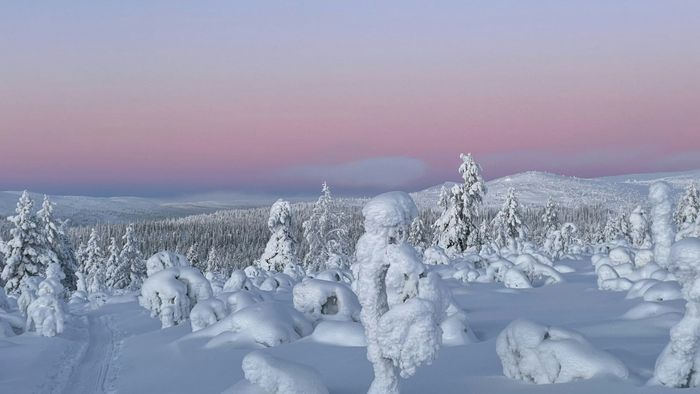
The winter trip — aurora, huskies, and snow — with saunas the whole year round.

Best time to visit
  1. January: peak
  2. February: peak
  3. March: peak
  4. April: fine
  5. May: fine
  6. June: peak
  7. July: peak
  8. August: peak
  9. September: fine
  10. October: avoid
  11. November: fine
  12. December: peak
Peak Fine Avoid
Northern Europe

Iceland

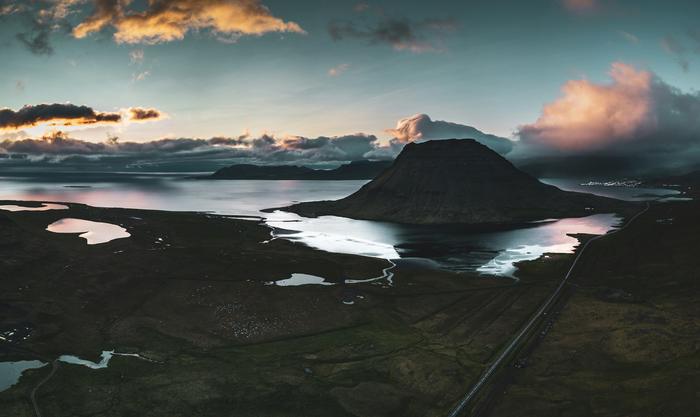
Geysers, glaciers, northern lights, hot springs.

Best time to visit
  1. January: fine
  2. February: peak
  3. March: fine
  4. April: fine
  5. May: peak
  6. June: peak
  7. July: peak
  8. August: peak
  9. September: peak
  10. October: fine
  11. November: fine
  12. December: fine
Peak Fine Avoid

Read our full guides about Finland and Iceland.

Side by side

Emphasised where they differ. Muted rows are much the same either way.

Finland Iceland
Best time June–August, December–March February, May–September
Climate cold cold
Budget Expensive — Lapland’s aurora cabins most of all Expensive too — but a compact island keeps travel distances short
Trip length 1–2 wks 1–2 wks
Visa Schengen — visa-free for most Western passports (90 days). Schengen — visa-free for most Western passports (90 days).
Currency EUR (€). ISK (Krona). Roughly 138 ISK ≈ 1 USD.
Language Finnish and Swedish. English near-universal. Icelandic. English universal.
Tap water Tap water excellent. Tap water excellent — best in the world by some metrics.
Safety Very safe. Winter cold is the main hazard. Very safe. Weather and roads in winter are the real risks.

General guidance — visas, safety, and health change, so check your government's travel advisory and the official sources before you go.

The split

Lakes-and-Lapland, or geysers-and-the-ring-road

Both are Nordic magic — but one leans sauna, lakes and the Lapland experience, the other volcanic landscapes on a drivable island.

Lapland vs ring roadthe tripA winter-experience package, or a self-drive geology tour
Lakes vs volcanoesthe landscapeFlat forest and lakes, or geysers, waterfalls and glaciers
Euro vs krónathe moneyBoth expensive; Finland on the euro, Iceland the króna

Finland is the lakes-and-forest one — a flat land of a thousand lakes, a sauna culture that defines daily life, and Lapland in winter with its aurora, huskies and Santa. Iceland is the volcanic island: geysers, waterfalls, volcanoes, glaciers and black beaches along a drivable ring road, compact and accessible.

The operational detail — Finland’s winter driving and aurora logistics; Iceland’s ring-road and geothermal sites — lives on the two guides: Finland, know before you go and Iceland, know before you go. This page is the head-to-head.

The real difference

The Lapland experience, or a geology road trip

The trade: Finland offers sauna, lakes and the full Lapland experience; Iceland offers a dense greatest-hits of dramatic landscapes.

Finland wins on the winter experience and sauna. Lapland’s aurora, huskies, reindeer and Santa, wrapped in sauna culture and lake country, make it the definitive Nordic winter-wonderland.

Iceland wins on dramatic landscapes and ease. A drivable ring road links geysers, waterfalls, volcanoes and glaciers in a compact island — the smooth, scenery-packed road trip. Both deliver aurora and midnight sun; choose the Lapland experience, or the Iceland road trip.

Who suits which

Who each actually suits

Both are Nordic — but one leans sauna and Lapland, the other volcanic landscapes and the ring road.

If you want…FinlandIceland
The full Lapland winter experienceWins. Aurora, huskies, SantaAurora + geology
Geysers, waterfalls, volcanoesLakes, not geothermal dramaWins. A greatest-hits
Sauna and lake cultureWins. A way of lifeGeothermal lagoons instead
A self-drive road tripBig distancesWins. The ring road
The northern lightsStrong. Finnish LaplandStrong. Easy to base
A compact, scenery-packed tripSpread outWins. Compact island

Doing both

Separate northern trips

Different corners of the north — usually one or the other.

Finland and Iceland are separate trips in different parts of the north, linked by a flight (often via a Nordic hub), so most people choose one — the Lapland experience or an Iceland road trip. Each also compares with its neighbours (see Finland vs Norway, Finland vs Sweden, Iceland vs Norway and Greenland vs Iceland).

What we leave out

What we deliberately leave out

Exact prices beyond the structural comparison — both are expensive and move with season — so the figures here are the shape of the difference, not a quote; the country guides carry the live detail. The shared entry mechanics (both in Schengen; euro vs króna) and the seasonal logistics are covered on the guides rather than restated here.

Finland or Iceland, month by month

Which of the two is the better bet for each month of the year, scored on how well the season suits each place.

Which to choose

Choose Finland if:

  • Sauna culture, lakes and the full Lapland winter experience are the draw.
  • You want huskies, reindeer and Santa alongside the aurora.
  • A deep winter-wonderland experience over a geology road trip.

Choose Iceland if:

  • Geysers, waterfalls, volcanoes and a drivable ring road top the list.
  • You want a dense greatest-hits of dramatic landscapes.
  • A compact island road trip over a Lapland experience.

Common questions

Is Finland or Iceland better for the northern lights?
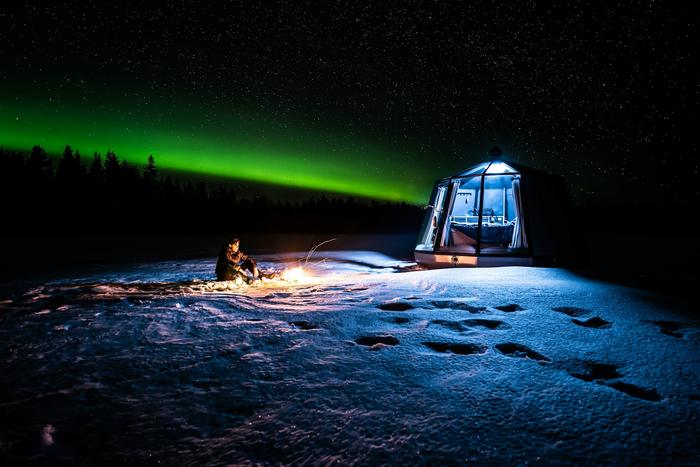
Both are excellent in their aurora season (roughly September–April). Finland wraps the lights in a whole Lapland winter-experience package — glass igloos, huskies, reindeer, Santa. Iceland pairs them with its dramatic volcanic landscapes and is very easy to base yourself for aurora-chasing from Reykjavík. For the full Lapland experience, Finland; for lights-plus-geology, Iceland — neither guaranteed on a given night.
Which has the more dramatic landscapes?
Iceland, for raw drama — geysers, waterfalls, volcanoes, glaciers and black beaches packed into a compact island, a geology greatest-hits. Finland is beautiful in a gentler, flatter way — endless lakes and forests, and the stark Arctic of Lapland. For jaw-dropping, varied scenery, Iceland; for serene northern nature and the Lapland experience, Finland.
What’s the signature experience in each?
In Finland, it’s a sauna by a frozen lake, a husky safari, and chasing the aurora (or the midnight sun). In Iceland, it’s a ring-road road trip past waterfalls and glaciers, soaking in a geothermal lagoon. One is sauna-and-Lapland; the other a self-drive geology tour.
Do the entry and money rules differ?
Entry is the same — both in the EU-or-associated Schengen area (Iceland via association), visa-free 90/180, EES now live, ETIAS expected 2027. The difference is currency: Finland uses the euro, Iceland the króna. Both are expensive. The guides carry the detail: Finland and Iceland.
Can I combine them?
They’re separate trips rather than a natural pairing — different corners of the north, linked by a flight (often via a Nordic hub) — so most people choose one. The real decision is the Lapland experience versus an Iceland road trip. Each also compares with its neighbours — Finland with Norway and Sweden, Iceland with Norway and Greenland.

Still undecided

Take the quiz

Three matches. Often answers comparison questions for you.

Start the quiz