Iceland vs Norway

Two strong destinations, different in important ways. Here's the side-by-side, then a verdict on which suits which traveler.

Northern Europe

Iceland

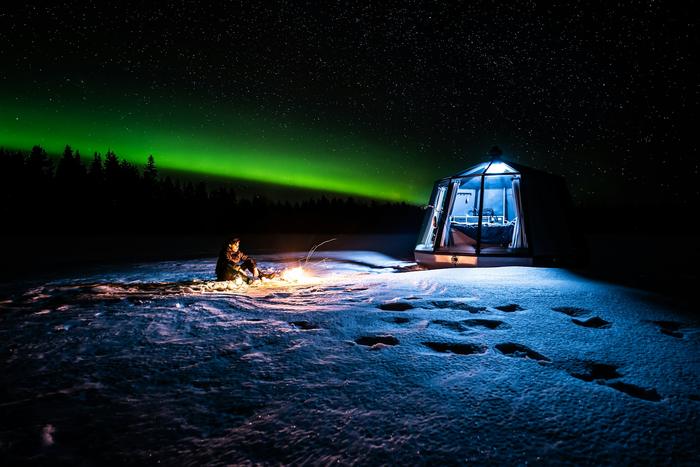
Geysers, glaciers, northern lights, hot springs.

Best time to visit
  1. January: fine
  2. February: peak
  3. March: fine
  4. April: fine
  5. May: peak
  6. June: peak
  7. July: peak
  8. August: peak
  9. September: peak
  10. October: fine
  11. November: fine
  12. December: fine
Peak Fine Avoid
Northern Europe

Norway

Fjords, northern lights, midnight sun — utterly unlike anywhere else.

Best time to visit
  1. January: fine
  2. February: peak
  3. March: peak
  4. April: fine
  5. May: peak
  6. June: peak
  7. July: peak
  8. August: peak
  9. September: fine
  10. October: avoid
  11. November: avoid
  12. December: fine
Peak Fine Avoid

Read our full guides about Iceland and Norway.

Our take

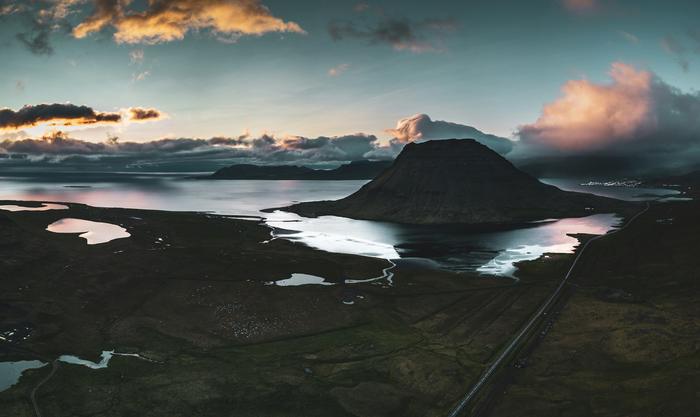
Both are jaw-dropping Nordic nature at painful prices, and the split comes down to geology versus fjords, and time. Iceland is compact and otherworldly — a treeless landscape of waterfalls, geysers, glaciers, black beaches, and volcanoes you can loop in a week on the Ring Road, with the northern lights in winter. Norway is bigger, greener, and arguably even more beautiful, but slower to cover.

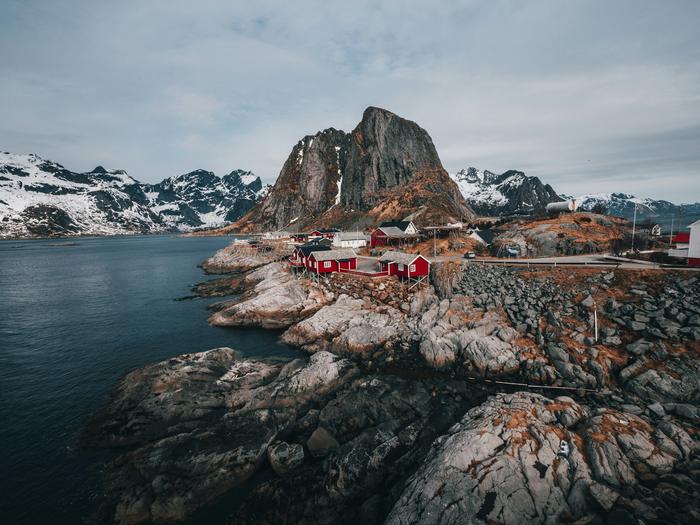
Choose Iceland for a tight, wild, week-long hit of raw earth — everything is close, dramatic, and accessible, and it's the easier trip to plan. Choose Norway if you have more time and want grand, green fjord scenery: Geirangerfjord and Nærøyfjord, the Lofoten Islands, the scenic railways, and the coastal towns. Iceland is lunar and efficient; Norway is lush and expansive. Neither is cheap, so pick by the landscape you're chasing.

Side by side

Emphasised where they differ. Muted rows are much the same either way.

Iceland Norway
Best time February, May–September February, March, May–August
Climate cold cold
Budget Mid-range – Premium · $65–130+/day Mid-range – Premium · $65–130+/day
Trip length 1–2 wks 1–3 wks
Visa Schengen — visa-free for most Western passports (90 days). Schengen — visa-free for most Western passports (90 days).
Currency ISK (Krona). Roughly 138 ISK ≈ 1 USD. NOK (Krone). Roughly 11 NOK ≈ 1 USD.
Language Icelandic. English universal. Norwegian. English universal.
Tap water Tap water excellent — best in the world by some metrics. Tap water excellent — sometimes better than bottled.
Safety Very safe. Weather and roads in winter are the real risks. Very safe. Weather is the only real risk.

General guidance — visas, safety, and health change, so check your government's travel advisory and the official sources before you go.

Iceland or Norway, month by month

Which of the two is the better bet for each month of the year, scored on how well the season suits each place.

Which to choose

Choose Iceland if:

  • You're already drawn to it — its strengths fit your trip.

Choose Norway if:

  • You want somewhere stronger for adventure.

Both deliver on nature — so on those dimensions either works.

Common questions

Is Iceland or Norway cheaper?
They sit in a similar bracket — roughly $65–130+/day in Iceland, $65–130+/day in Norway.
When is the best time to visit Iceland vs Norway?
Iceland is at its best in February, May–September; Norway peaks in February, March, May–August.
Is Iceland or Norway better in August?
Neither has a clear edge in August — they score the same that month. Iceland has the edge in September, October, November, Norway in March, and both are at their best in February, May, June, July, August.
How long do you need in Iceland vs Norway?
Plan 1–2 weeks for Iceland and 1–3 for Norway.
Should I choose Iceland or Norway?
Pick Norway if you want somewhere stronger for adventure. Both deliver on nature, so on those either works.

Still undecided

Take the quiz

Three matches. Often answers comparison questions for you.

Start the quiz