Faroe Islands vs Greenland

Two North Atlantic trips that sound similar and feel nothing alike. The Faroes are green, compact and surprisingly accessible: cliff-walled islands joined by roads and sub-sea tunnels, hikeable, self-drivable, and doable on a short break. Greenland is vast, remote and ice-bound: Arctic on an overwhelming scale, with icebergs, the ice sheet and dog sleds, no roads between towns (you fly or sail), and much higher costs. An accessible green archipelago, or a vast, remote Arctic.

Northern Europe

Faroe Islands

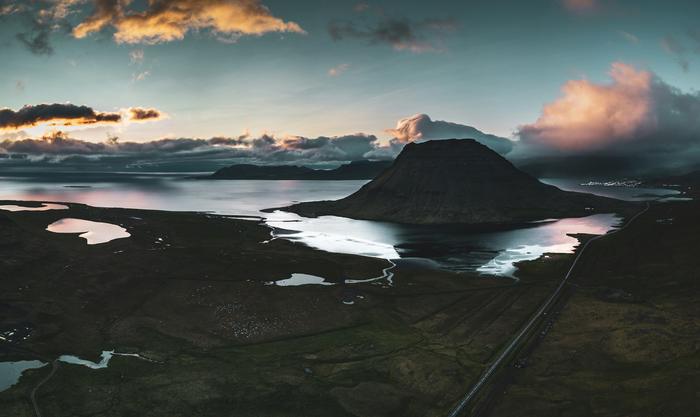
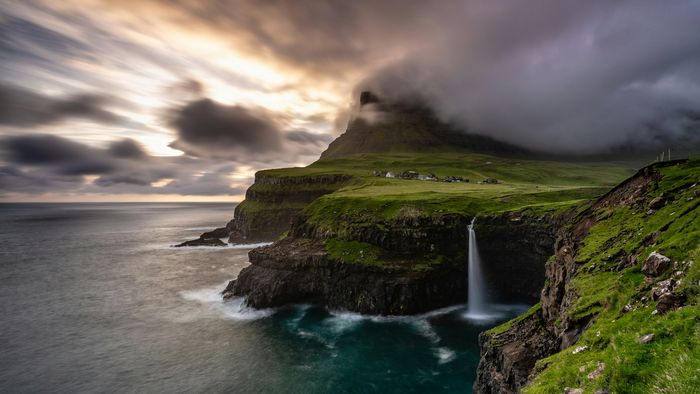
Eighteen green, cliff-walled islands in the North Atlantic — grass-roofed hamlets, waterfalls off the edge of the world.

Best time to visit
  1. January: avoid
  2. February: avoid
  3. March: fine
  4. April: fine
  5. May: peak
  6. June: peak
  7. July: peak
  8. August: peak
  9. September: fine
  10. October: fine
  11. November: avoid
  12. December: avoid
Peak Fine Avoid
Arctic

Greenland

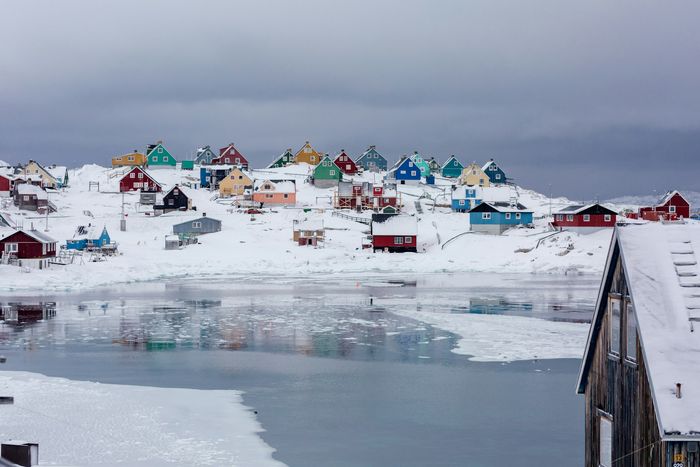
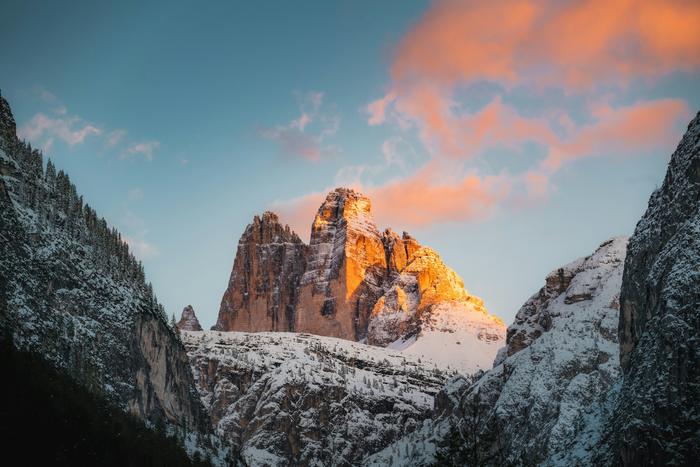
The Arctic at its most overwhelming — city-sized icebergs, silent fjords, and almost no one there.

Best time to visit
  1. January: avoid
  2. February: fine
  3. March: fine
  4. April: fine
  5. May: fine
  6. June: peak
  7. July: peak
  8. August: peak
  9. September: fine
  10. October: avoid
  11. November: avoid
  12. December: avoid
Peak Fine Avoid
Read our full guides about Faroe Islands and Greenland.

Side by side

Emphasised where they differ. Muted rows are much the same either way.

Faroe Islands Greenland
Best time May–August June–August
Climate cold cold
Budget High, Scandinavian — but compact and self-drivable, so costs stay contained Very high — remote-Arctic logistics (flights and boats between towns) drive the cost up sharply
Trip length 1–1 wks 1–2 wks
Visa Not in the Schengen Area, but visa-free for most Western passports (check requirements). Verify before travel. Schengen visa rules apply (Danish territory) — visa-free for most Western passports. Verify before travel.
Currency Danish Krone (DKK); Faroese notes also circulate. Danish Krone (DKK).
Language Faroese and Danish; English widely spoken. Greenlandic and Danish; English spoken in tourism.
Tap water Tap water is safe. Tap water is safe — some of the purest anywhere.
Safety Very safe; the hazards are weather, cliffs, and narrow roads, not crime. Very safe; the real risks are weather and the wilderness, not crime.

General guidance — visas, safety, and health change, so check your government's travel advisory and the official sources before you go.

The split

Accessible and green, or vast and ice-bound

Two North Atlantic trips — one green, compact and road-linked, the other vast, remote and Arctic.

Compact vs vastthe scaleA small archipelago, or an Arctic giant
Roads vs nonegetting aroundSelf-drive tunnels, or fly-and-sail only
Green vs icethe landscapeGrass and cliffs, or icebergs and the ice sheet

The Faroes are green, compact and accessible: cliff-walled islands joined by roads and sub-sea tunnels, hikeable, self-drivable and doable on a short break. Greenland is vast, remote and ice-bound: the Arctic on an overwhelming scale — icebergs, the ice sheet, dog sleds — with no roads between towns and much higher costs. An easy, intimate archipelago, or a vast, demanding wilderness.

Operational detail — the Faroes’ hike fees, sustainability fee and tunnel tolls; Greenland’s flights, boat access and costs — lives on the two guides: Faroe Islands, know before you go and Greenland, know before you go. This page is the head-to-head.

Who suits which

Who each actually suits

Accessible-green or vast-remote-ice — so these never invert.

If you want…Faroe IslandsGreenland
Easy, self-drive accessWins clearly. Roads and tunnelsNo roads — fly or sail
Vast Arctic wildernessDramatic but compactWins clearly. Ice sheet, icebergs
A short, contained breakWins. Compact and quickNeeds more time and money
Dog-sledding and the iceNot reallyWins. The signature
Lower costWins. Nordic but containedVery expensive logistics
Green cliffs and waterfallsWins. The signatureIce and rock

Doing both

A choice, not a pairing

Far apart, each its own logistics — pick one.

They’re far apart and each carries its own logistics, so this is a choice, not a combination. Both are outside Schengen (no EES/ETIAS) and summer-best, though Greenland also runs winter aurora-and-dog-sled trips. Choose the Faroes for accessible, green, dramatic islands on a short break, Greenland for the vast, remote Arctic at full scale.

What we leave out

What we deliberately leave out

Exact prices and the moving pieces — the Faroes’ per-site hike fees (reshaped in 2026); Greenland’s flight routes, boat access and costs — change within a season, so the figures here are the shape of the gap, not a quote; the country guides carry the live detail.

Faroe Islands or Greenland, month by month

Which of the two is the better bet for each month of the year, scored on how well the season suits each place.

Which to choose

Choose Faroe Islands if:

  • You want dramatic scenery that’s green, hikeable and easy to reach.
  • A compact, self-drive trip on a short break appeals.
  • Accessible-and-green beats vast-and-remote.

Choose Greenland if:

  • You want the vast Arctic — icebergs, the ice sheet, dog sleds.
  • Scale and remoteness are the whole point.
  • Overwhelming Arctic wilderness beats an accessible archipelago.

Common questions

How do the Faroe Islands and Greenland compare?
By scale and accessibility. The Faroes are green, compact and accessible — cliff islands joined by roads and sub-sea tunnels, hikeable and self-drivable, doable on a short break. Greenland is vast, remote and ice-bound — Arctic on an overwhelming scale, with icebergs, the ice sheet and dog sleds, no roads between towns, and much higher costs. An accessible green archipelago, or a vast, remote Arctic. See the Faroe Islands and Greenland guides.
Which is easier and cheaper to travel?
The Faroes, by a long way. They’re road-linked and self-drivable, with everything close together, so costs (while Nordic-high) stay contained and logistics are simple. Greenland has no road network between settlements — you move by plane, helicopter or boat — which makes it far more expensive and logistically involved. Easy and contained, or costly and complex.
Which has the bigger “wow”?
Different scales of wow. Greenland is overwhelming — the ice sheet, giant icebergs calving into fjords, dog-sledding, a true end-of-the-earth feel. The Faroes are intimate and dramatic — sea cliffs, waterfalls and green slopes — stunning, but on a human scale. Vast Arctic grandeur, or concentrated cliff-and-ocean beauty.
Can I combine them?
Not easily — they’re far apart and both involve their own logistics, so this is really a choice. Both are outside Schengen (so EES/ETIAS don’t apply) and both are summer-best, though Greenland also sells winter aurora-and-dog-sled trips. Decide on an accessible green archipelago, or a vast, remote Arctic.

Still undecided

Take the quiz

Three matches. Often answers comparison questions for you.

Start the quiz