Bolivia
The cheapest serious travel on the continent — and the highest.
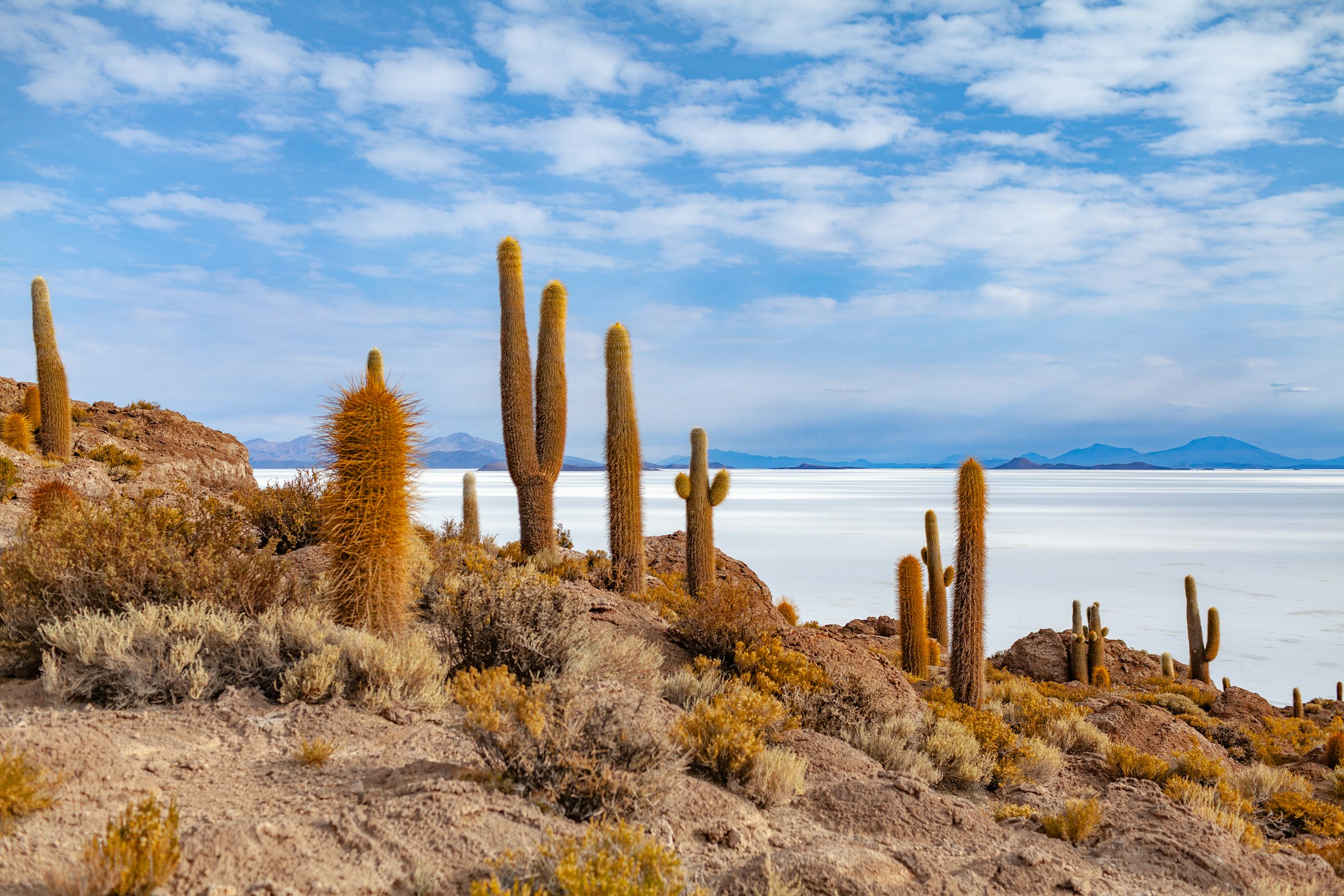
Bolivia is South America at its rawest and most affordable. The Uyuni salt flats are the obvious draw, a white horizon that turns mirror-flat after rain. Add La Paz draped across a canyon, Lake Titicaca, the Death Road descent, and a drop into the Amazon basin, and you have an unusually varied trip for almost no money.
A common loop links La Paz, where cable cars climb the canyon walls between neighborhoods, to a multi-day 4x4 tour across the Uyuni flats and the surreal lagoons and deserts of the southwest. You can ride a mountain bike down the old Death Road, take a boat across Titicaca to the Isla del Sol, or fly cheaply into Rurrenabaque for the jungle and pampas. Costs are low across the board — meals, beds, and tours all undercut anything else on the continent.
The honest part: the altitude is relentless. La Paz, Uyuni, and Lake Titicaca all sit roughly 3,600 meters or higher, and the first days leave most arrivals breathless, headachy, and slow — you have to acclimatize and it is not optional. Infrastructure is thin: roads are rough, delays are normal, blockades and strikes can shut routes without notice, and English is scarce. This is a trip for people who want reward over reliability, not a smooth one.
Highlights
-
Salar de Uyuni
The salt flats by 4x4. A mirror after rain, white desert when dry.
-
La Paz
A city in a canyon, stitched together by cable cars. Sits very high.
-
Lake Titicaca
Highest navigable lake on earth. Boat to the Isla del Sol.
-
Death Road
Mountain-bike descent from the high pass into humid valleys.
-
Amazon basin (Rurrenabaque)
Cheap flight north into jungle and pampas wildlife.
Practical info
- Visa
- Visa-free for most Western passports (90 days). US citizens need a visa. Verify before travel.
- Currency
- BOB (Boliviano).
- Language
- Spanish, Quechua, and Aymara. Limited English.
- Safety
- Generally safe in tourism. Altitude and rough roads are the bigger risks.
- Getting around
- Long-distance buses and cheap domestic flights. Roads are rough.
- Tap water
- Tap water not safe. Drink bottled or filtered.
- Plug type
- Type A Type C 220V
- Money
- Cash dominant; bring USD and small bills. Cards limited outside cities.
General guidance — visas, safety, and health change, so check your government's travel advisory and the official sources before you go.
Common questions
- When is the best time to visit Bolivia?
- Bolivia is at its best in April–September. It's best to avoid January, February, December.
- How many days do you need in Bolivia?
- Most trips run 2–4 weeks, depending on how much ground you want to cover.
- Is Bolivia expensive?
- Plan for backpacker daily spend, depending on how you travel.
- Is Bolivia safe for travelers?
- Generally safe in tourism. Altitude and rough roads are the bigger risks.
- Do you need a visa for Bolivia?
- Visa-free for most Western passports (90 days). US citizens need a visa. Verify before travel.
Compare Bolivia with
If you like Bolivia, also consider
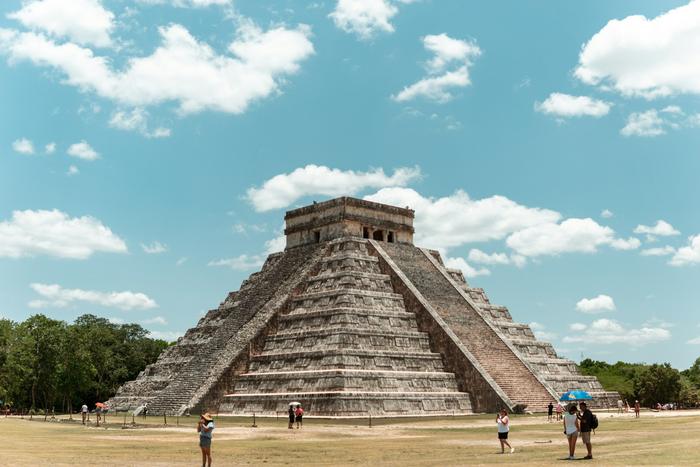
Mexico
Mexico City is world-class. Add the coast, ruins, and food culture.
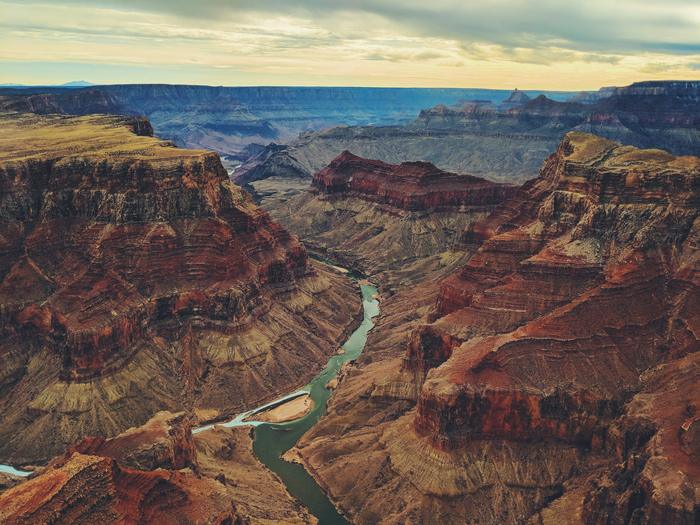
United States
A continent pretending to be a country — cities, deserts, and the best national parks anywhere.
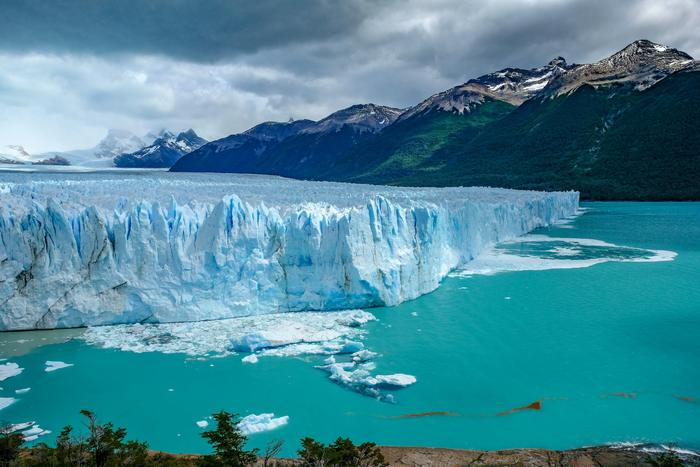
Argentina
Buenos Aires has the best steakhouses and nightlife in South America.
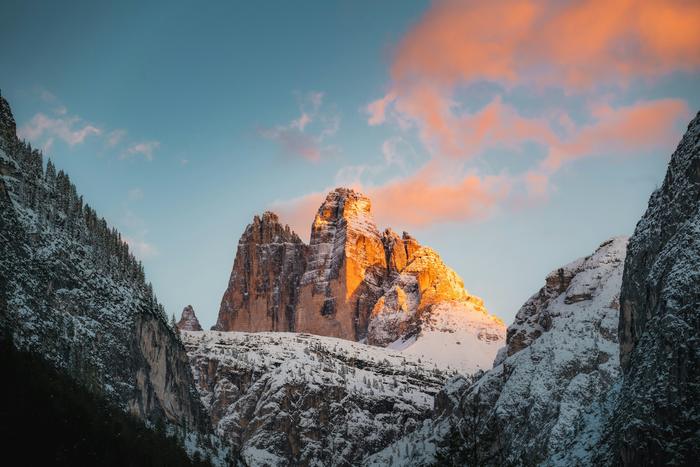
The Alps
The ski and alpine benchmark — every other mountain range is measured against this.

Australia
Vast, varied, relaxed. Reef, Sydney, and proper wilderness in one.
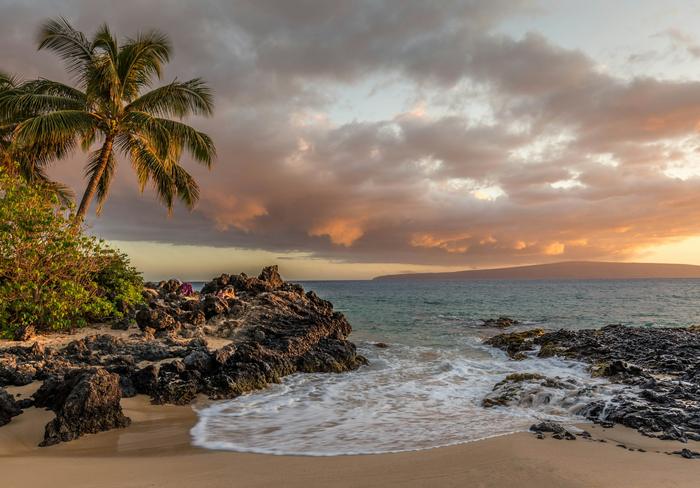
Hawaii
A handful of islands where the landscapes and the ocean genuinely earn the flight.
Not sure where to go
Take the 5-minute quiz
Answer a few honest questions and get matched to destinations that actually fit how you travel.
Start the quiz