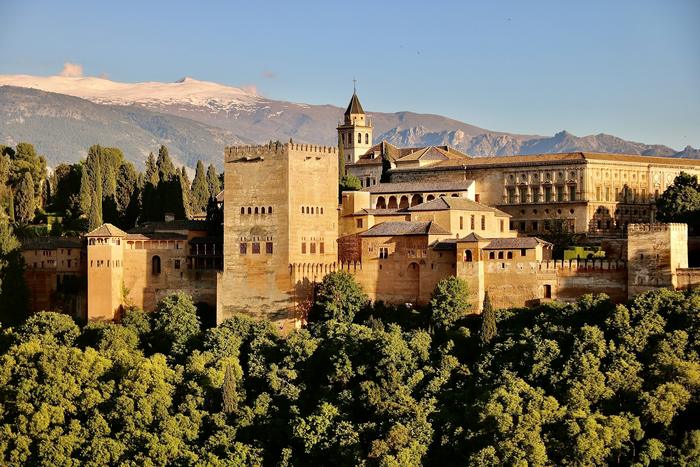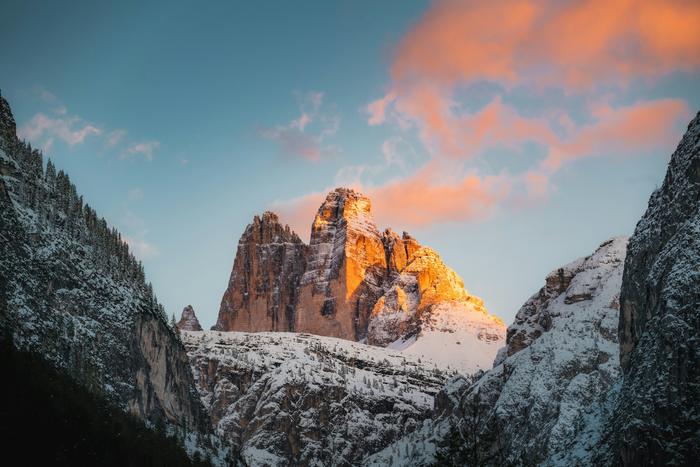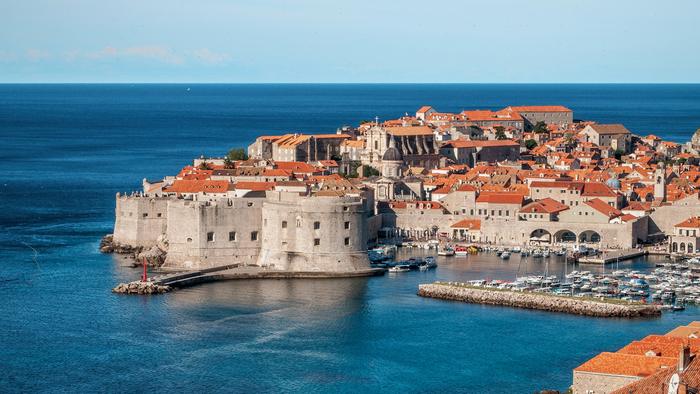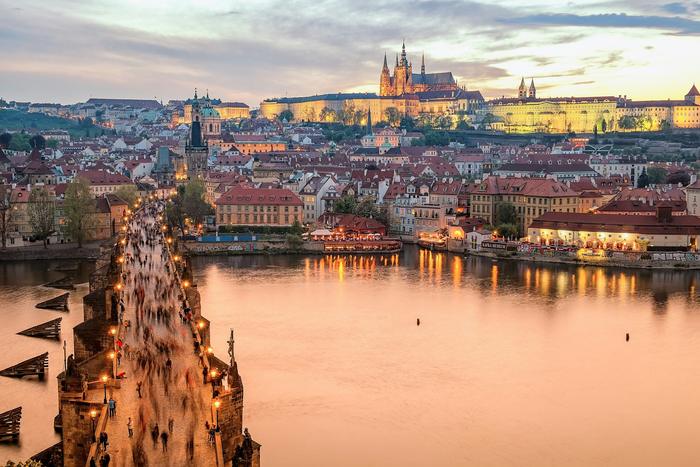
Austria vs Romania

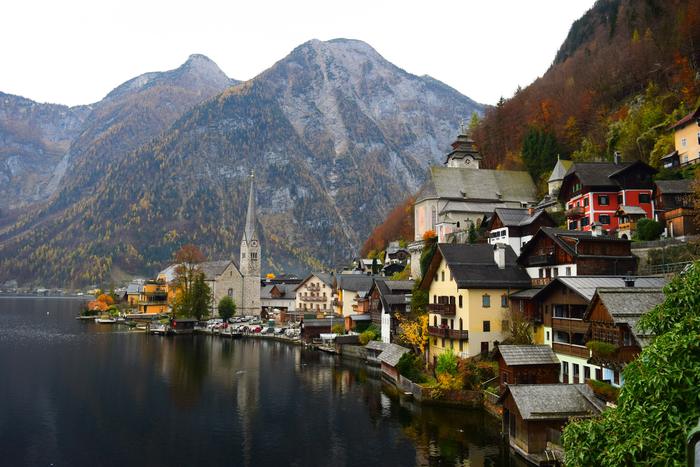
Two mountainous European countries at very different prices and polish. Austria is the Alpine one — Vienna’s imperial grandeur and musical heritage, Salzburg, and world-class mountains for skiing and summer hiking, immaculate and moderately pricey. Romania is the bigger, cheaper one — Transylvania’s castles and Saxon towns, the Carpathian driving roads, painted monasteries and Bucharest, a rawer, better-value touring country. One is polished Alpine-and-imperial; the other a castle-and-mountain road trip at a fraction of the cost.

Western Europe

Austria

The Alps done properly — skiing, hiking, and Vienna for the culture.

Best time to visit
  1. January: peak
  2. February: peak
  3. March: fine
  4. April: fine
  5. May: peak
  6. June: peak
  7. July: peak
  8. August: fine
  9. September: peak
  10. October: fine
  11. November: avoid
  12. December: peak
Peak Fine Avoid
Eastern Europe

Romania

The most atmospheric, least touristed corner of Europe — at a fraction of the price.

Best time to visit
  1. January: fine
  2. February: avoid
  3. March: fine
  4. April: fine
  5. May: peak
  6. June: peak
  7. July: fine
  8. August: fine
  9. September: peak
  10. October: peak
  11. November: fine
  12. December: fine
Peak Fine Avoid

Read our full guides about Austria and Romania.

Side by side

Emphasised where they differ. Muted rows are much the same either way.

Austria Romania
Best time May–July, September, December–February May, June, September, October
Climate mild mild
Budget Moderate — good value for Western Europe; ski resorts cost most Very cheap — one of Europe’s best-value countries
Trip length 1–2 wks 1–2 wks
Visa Schengen — visa-free for most Western passports (90 days). EU member; visa-free for most Western passports under Schengen rules (Romania joined the Schengen area in 2025). Verify before travel.
Currency EUR (€) RON (Romanian Leu) — not the euro, despite EU membership.
Language German. English widely spoken in cities and resorts. Romanian, a Romance language. English is widely spoken by younger people and in cities.
Tap water Tap water safe and excellent — much of it is alpine spring water. Tap water safe in cities.
Safety Very safe. Very safe with low violent crime; the main annoyance is taxi overcharging.

General guidance — visas, safety, and health change, so check your government's travel advisory and the official sources before you go.

The split

Polished Alps, or a cheap castle road trip

Both are mountainous — but one is immaculate Alpine-and-imperial Austria, the other a bigger, cheaper castle-and-Carpathian Romania.

Alps vs Carpathiansthe mountainsPolished skiing/hiking, or wild driving roads
Music vs castlesthe cultureClassical and imperial, or Transylvania and folklore
Moderate vs very cheapthe moneyAustria fair-priced; Romania a bargain

Austria is the Alpine one — Vienna’s imperial grandeur and musical heritage, Salzburg, and world-class mountains for skiing and summer hiking, immaculate and moderately pricey. Romania is the bigger, cheaper one: Transylvania’s castles and Saxon towns, the Carpathian driving roads, painted monasteries and Bucharest — a rawer, better-value touring country.

The operational detail — Austria’s euro and ski-and-summer seasons; Romania’s leu, full-Schengen status and summer-only mountain passes — lives on the two guides: Austria, know before you go and Romania, know before you go. This page is the head-to-head.

The real difference

Polish and music, or value and castles

The trade: Austria offers the Alps and imperial-musical polish; Romania offers castles, wild mountains and unbeatable value.

Austria wins on polish, skiing and music. The Alps for skiing and hiking, plus Vienna and Salzburg’s classical-and-imperial heritage, make it the immaculate, high-culture choice — at fair Western-European prices.

Romania wins on value and castles. Transylvania, the Carpathian driving roads and the painted monasteries give it more distinctive, atmospheric sights across a bigger country, at a fraction of Austria’s cost. Choose polished Alps-and-music, or the cheap castle road trip.

Who suits which

Who each actually suits

Both are mountainous — but one leans Alpine polish and music, the other castles and value.

If you want…AustriaRomania
Polished Alpine skiing/hikingWins. World-class AlpsWilder Carpathians
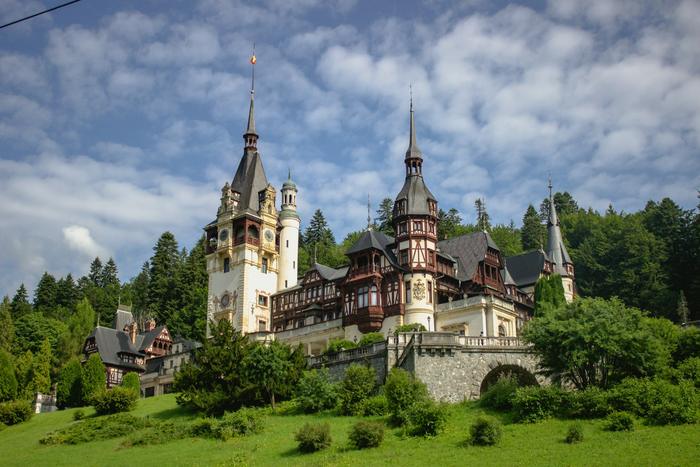
Castles and TransylvaniaPalaces, not castlesWins. Bran, Saxon towns
Classical music and imperial historyWins. Vienna, SalzburgFolklore instead
The lowest pricesFair-pricedWins. A bargain
Immaculate infrastructureWins. Spotless trainsRougher, improving
Wild mountain road tripsScenic but polishedWins. Transfăgărășan

Doing both

Not neighbours, but combinable

A Central/Eastern-Europe trip can link them via Hungary.

Austria and Romania aren’t direct neighbours (Hungary lies between), but a Central/Eastern-Europe trip can link them by road, rail or short flights (often via Vienna and Budapest) — separate itineraries, so allow time. Each also compares with its neighbours (see Austria vs Switzerland, Poland vs Romania, Bulgaria vs Romania and Hungary vs Romania).

What we leave out

What we deliberately leave out

Exact prices beyond the structural comparison — Austria’s ski-resort costs and Romania’s across-the-board cheapness both move with season — so the figures here are the shape of the difference, not a quote; the country guides carry the live detail. The shared entry mechanics (both in Schengen, euro vs leu) and Romania’s seasonal passes are covered on the guides rather than restated here.

Austria or Romania, month by month

Which of the two is the better bet for each month of the year, scored on how well the season suits each place.

Which to choose

Choose Austria if:

  • The Alps, skiing or hiking, and imperial Vienna are the draw.
  • You want polish, immaculate trains and classical culture.
  • Alpine scenery and music over castles and value.

Choose Romania if:

  • Castles, Transylvania and Carpathian road trips top the list.
  • You want a bigger, rawer, much cheaper country.
  • Dracula myth and Saxon towns over Alpine polish.

Common questions

Is Austria or Romania better for mountains?
Both are mountainous, differently. Austria has the Alps — world-class skiing and summer hiking, with immaculate infrastructure and cable cars. Romania has the Carpathians — wilder and less developed, with dramatic driving roads (the Transfăgărășan and Transalpina, summer only) and genuine wilderness (brown bears included). For polished Alpine holidays, Austria; for raw mountain road trips, Romania.
Which has the bigger cultural draw?
Different ones. Austria is the land of classical music and imperial grandeur — Vienna’s palaces, opera and coffee houses, Salzburg and Mozart. Romania leans to castles and folklore — Bran Castle, the fortified Saxon churches and painted monasteries. For music and imperial history, Austria; for castles and legend, Romania.
Which is cheaper?
Romania, by a wide margin — it’s one of the best-value countries in Europe, with cheap food, lodging and transport. Austria is moderately priced (good value for Western Europe, but its ski resorts cost most). For the tighter budget, Romania; for polish at a fair Western-European price, Austria.
Do the entry and currency rules differ?
Entry is the same — both are in the EU and full Schengen (Romania since 2025), so days count against the shared 90/180 and the EU’s EES applies; ETIAS is expected in 2027. The money differs: Austria uses the euro, Romania still uses the leu. The guides carry the detail: Austria and Romania.
Can I combine them?
They’re not direct neighbours (Hungary sits between), but a Central/Eastern-Europe trip can link them by road, rail or short flights (often via Vienna and Budapest). They’re separate itineraries, so allow time. Each also compares with its neighbours — Austria with Switzerland and Ireland, Romania with Poland, Bulgaria and Hungary.

Still undecided

Take the quiz

Three matches. Often answers comparison questions for you.

Start the quiz