Austria vs Switzerland

The same mountains, and the honest difference is money. One is the premium version — the most iconic peaks and flawless trains, at prices that shock; the other is nearly as good for a third less, and throws in grander cities.

Western Europe

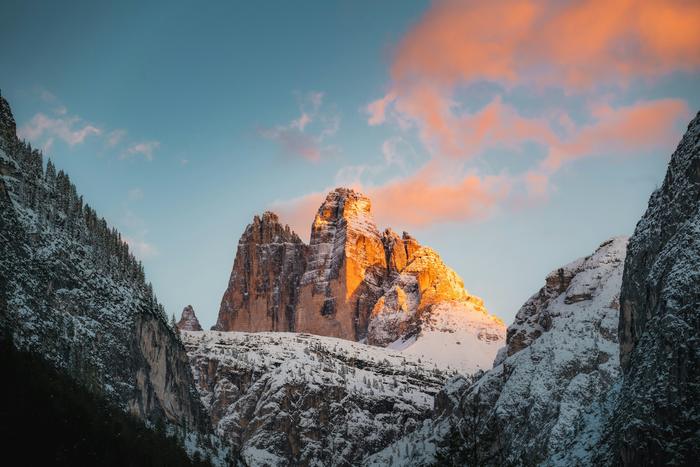
Austria

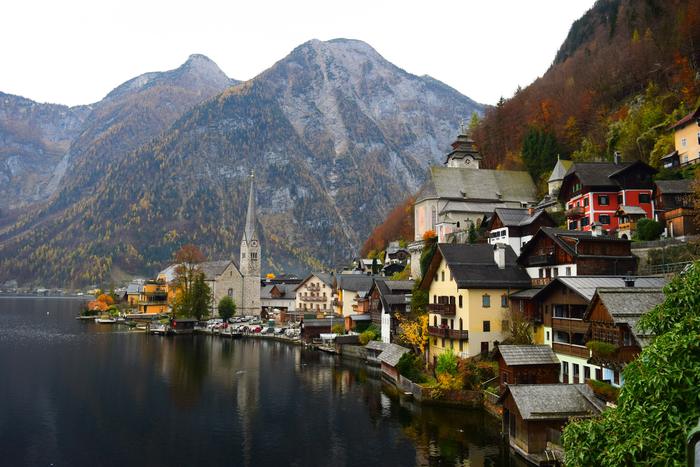
The Alps done properly — skiing, hiking, and Vienna for the culture.

Best time to visit
  1. January: peak
  2. February: peak
  3. March: fine
  4. April: fine
  5. May: peak
  6. June: peak
  7. July: peak
  8. August: fine
  9. September: peak
  10. October: fine
  11. November: avoid
  12. December: peak
Peak Fine Avoid
Western Europe

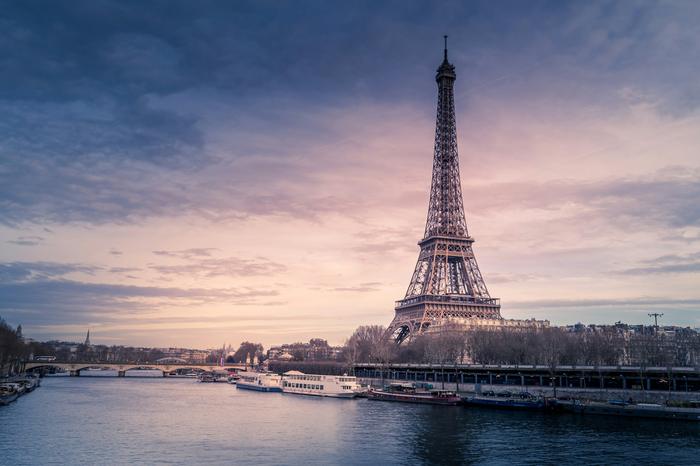
Switzerland

The most concentrated mountain scenery in Europe — and you'll pay for it.

Best time to visit
  1. January: peak
  2. February: peak
  3. March: fine
  4. April: fine
  5. May: peak
  6. June: peak
  7. July: peak
  8. August: peak
  9. September: peak
  10. October: fine
  11. November: avoid
  12. December: peak
Peak Fine Avoid
Read our full guides about Austria and Switzerland.

Side by side

Emphasised where they differ. Muted rows are much the same either way.

Austria Switzerland
Best time May–July, September, December–February Most of the year
Climate mild mild
Budget Mid-range, with a real budget tier — ~35–40% under Switzerland Premium only — the priciest Alps there are
Trip length 1–2 wks 1–2 wks
Visa Schengen — visa-free for most Western passports (90 days). Schengen — visa-free for most Western passports (90 days).
Currency EUR (€) CHF (Swiss Franc). Roughly 0.9 CHF ≈ 1 USD.
Language German. English widely spoken in cities and resorts. German, French, and Italian by region. English widely spoken.
Tap water Tap water safe and excellent — much of it is alpine spring water. Tap water safe and excellent; public fountains are drinkable.
Safety Very safe. Among the safest countries in the world.

General guidance — visas, safety, and health change, so check your government's travel advisory and the official sources before you go.

The split

The premium version, or nearly-as-good for less

Both give you the Alps at their most postcard-perfect. The honest difference is money.

~37%how much cheaper Austria runs, like for likeAcross hotels, meals and lift passes
CHF 7.20 vs €4a Big Mac each side — the shorthand for the whole gapSwitzerland has the world’s priciest; Austria is ordinary eurozone
Icons vs valuewhat you’re really choosing betweenThe Matterhorn and Jungfrau, or cities-plus-mountains for less

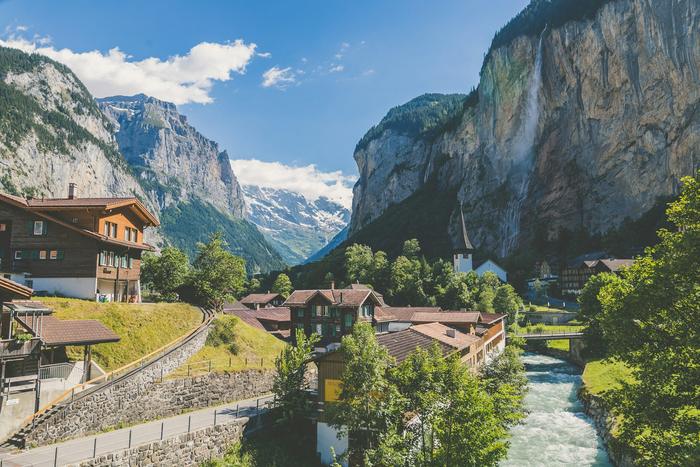
Switzerland is the premium tier: the highest, most pristine mountains — the Matterhorn, the Jungfrau region — flawless trains, and prices that genuinely shock. Austria delivers scenery that’s nearly as good for roughly 30–40% less, and adds grander cities and culture on top. The scenery trade-off is smaller than the price gap, which is the whole case for Austria.

The operational detail that shapes each trip — the pass maths, the mountain-excursion fares, the tolls, the shoulder-season closures — lives on the two guides: Austria, know before you go and Switzerland, know before you go. This page is the head-to-head.

The cost gap

Where the third actually goes

It isn’t one big line — it’s every line, all trip long.

The gap shows up everywhere. A sit-down main is €15–20 in Austria against CHF 25–45 in Switzerland; a mid-range hotel €60–120 against CHF 120–200; a mid-range day €80–130 against CHF 150–250. The cleanest apples-to-apples is the ski pass: top Austrian resorts sit at €62–80 a day — St Anton €62–72, Kitzbühel €79.50 — where Zermatt starts at CHF 89 and rises under dynamic pricing.

The deeper difference is that Austria has a genuine budget tier and Switzerland doesn’t. Family Gasthöfe, supermarket lunches, €3–5 beer and advance ÖBB fares below €25 make a real cheap trip possible; in Switzerland even the escape hatches — supermarket meals, mountain-hut dorms — still leave a careful day at CHF 120–200. Money simply evaporates faster across the border.

Who suits which

Who each actually suits

The premium isn’t wrong for everyone — but on several of these the value choice is the better trip.

If you are…AustriaSwitzerland
Watching the budget at allWins clearly. 30–40% less, and a real cheap tierThe priciest Alps there are — no budget escape
After the single most iconic peakExcellent scenery, but not the very top tierWins. The Matterhorn and Jungfrau are unmatched
Wanting cities as well as mountainsWins clearly. Vienna and Salzburg have no Swiss equalZurich and Lucerne are pleasant, not the draw
Skiing with a lively aprèsWins. St Anton and Ischgl, at lower pass pricesWorld-class terrain, quieter resorts, higher cost
Here for mountains and nothing elseSuperb — Tyrol, the SalzkammergutWins narrowly. The most concentrated scenery in Europe
Travelling car-freeÖBB covers the cities and corridors wellWins. The best transport in the world, into car-free villages

Doing both

They share a border — combining is simple

Plenty of people asking “which one?” can comfortably do both.

They’re neighbours, and the trains make it easy: Zurich to Innsbruck and on to Salzburg is a straightforward run east. The natural shape is a few days on the iconic Swiss peaks — where you pay for the very best — then east into Austria for the cities and cheaper time, which softens the overall bill. The one thing they share and you can’t dodge by hopping between them is the shoulder-season closure trap: late April–May and November shut mountain lifts and railways on both sides, so time the Alpine legs for summer or the ski season.

What we leave out

What we deliberately leave out

Current prices beyond the structural comparison — exact hotel and restaurant rates move within a season, and the mountain-railway and ski-pass fares reprice every year, so treat the figures here as the shape of the gap rather than a quote, and check the two country guides for the live numbers before you travel. Pass prices, tolls and closure dates in particular reset annually.

Sources

Where this comes from

The detail above was read off primary sources on — operator timetables, municipal ordinances, regional tourism boards, national statistics offices and first-hand traveller reports, rather than other travel articles. Researched and maintained by Dmitrii Romashchin — how we research.

Austria or Switzerland, month by month

Which of the two is the better bet for each month of the year, scored on how well the season suits each place.

Which to choose

Choose Austria if:

  • Budget matters at all — hotels, meals and lift passes run 30–40% less, and there’s a genuine cheap tier Switzerland lacks.
  • You want cities as much as mountains — Vienna and Salzburg have no Swiss equal.
  • You’re skiing and like the après — St Anton and Ischgl, at meaningfully lower pass prices.
  • You’d rather stay longer than pay for the single most iconic view.

Choose Switzerland if:

  • Budget is no object and you want THE Alpine icon — the Matterhorn, the Jungfrau, nothing else quite matches them.
  • You want the most concentrated, pristine mountain scenery in Europe.
  • Flawless, museum-piece public transport is part of the appeal, not just a means.
  • You’re here for the mountains first and the towns barely at all.

Common questions

Is Austria or Switzerland cheaper?
Austria, by roughly 35–40% for an equivalent trip. A restaurant main is €15–20 against CHF 25–45, a beer €3–5 against CHF 6–9, and top ski passes cluster at €62–80 a day where Zermatt starts at CHF 89 and climbs. Austria also has a real budget tier — Gasthöfe, supermarket meals, sub-€25 advance trains — that barely exists in Switzerland.
Is the scenery better in Switzerland or Austria?
Switzerland has the single most iconic peaks — the Matterhorn and the Jungfrau region are unmatched — and the most concentrated pristine scenery in Europe. But the gap is smaller than the price gap: Austria’s Tyrol and Salzkammergut hold their own, so you’re paying a large premium for the very top tier of views.
Which is better for skiing, Austria or Switzerland?
Austria for value and après-ski — St Anton and Ischgl are livelier and the lift passes meaningfully cheaper. Switzerland for the marquee car-free resorts and the biggest-name mountains, at a premium. Both deliver world-class terrain; the split is cost and atmosphere, not quality.
Is Austria or Switzerland better for a first Alpine trip?
Switzerland if you want the postcard icons and money is no object; Austria if you want the better all-round trip — mountains plus imperial cities plus value, which lets you stay longer. For mountains-plus-culture-plus-cost, Austria wins; for pure Alpine spectacle, Switzerland.
Can you visit both Austria and Switzerland in one trip?
Easily — they share a border, and the train from Zurich to Innsbruck or on to Salzburg is straightforward. A common shape is the iconic Swiss peaks for a few days, then east into Austria for the cities and cheaper time. Both share the same shoulder-season trap, so avoid late April–May and November in the mountains of either.

Still undecided

Take the quiz

Three matches. Often answers comparison questions for you.

Start the quiz