Bulgaria vs Romania

Two neighbouring countries on the Black Sea’s western rim, both fresh into Schengen and both outstanding value — but with different headline draws. Bulgaria is the compact one: a Black Sea beach coast, some of Europe’s cheapest skiing, and the UNESCO monasteries and mountains of the interior, now priced in euros. Romania is the bigger, wilder one: Transylvania’s castles and Saxon towns, the Carpathian mountains and their famous driving roads, painted monasteries in the north — and it still runs on its own currency, the leu.

Eastern Europe

Bulgaria

Frescoed monasteries, Roman old towns, and empty mountains at prices Europe forgot.

Best time to visit
  1. January: fine
  2. February: fine
  3. March: fine
  4. April: avoid
  5. May: peak
  6. June: peak
  7. July: fine
  8. August: fine
  9. September: peak
  10. October: fine
  11. November: avoid
  12. December: fine
Peak Fine Avoid
Eastern Europe

Romania

The most atmospheric, least touristed corner of Europe — at a fraction of the price.

Best time to visit
  1. January: fine
  2. February: avoid
  3. March: fine
  4. April: fine
  5. May: peak
  6. June: peak
  7. July: fine
  8. August: fine
  9. September: peak
  10. October: peak
  11. November: fine
  12. December: fine
Peak Fine Avoid

Read our full guides about Bulgaria and Romania.

Side by side

Emphasised where they differ. Muted rows are much the same either way.

Bulgaria Romania
Best time May, June, September May, June, September, October
Climate mild mild
Budget Very cheap — now on the euro; the Black Sea coast peaks in summer Equally good value, still on the leu — Transylvania and the mountains the draw
Trip length 1–2 wks 1–2 wks
Visa EU member and in the Schengen Area; visa-free for most Western passports. EU member; visa-free for most Western passports under Schengen rules (Romania joined the Schengen area in 2025). Verify before travel.
Currency EUR (€) — Bulgaria adopted the euro in 2026, replacing the Lev. RON (Romanian Leu) — not the euro, despite EU membership.
Language Bulgarian, written in Cyrillic script; English mainly among younger people and in cities. Romanian, a Romance language. English is widely spoken by younger people and in cities.
Tap water Tap water safe in cities. Tap water safe in cities.
Safety Very safe; the main annoyance is taxi drivers overcharging. Very safe with low violent crime; the main annoyance is taxi overcharging.

General guidance — visas, safety, and health change, so check your government's travel advisory and the official sources before you go.

The split

A compact coast-and-ski country, or a land of castles

Both are cheap and newly in Schengen — but one is a compact beach-and-monastery country, the other a bigger land of castles and mountain roads.

Compact vs bigthe scaleSee Bulgaria in a week; Romania wants longer
Coast vs castlesthe headlineBlack Sea + skiing, or Transylvania + Carpathians
Euro vs leuthe moneyBulgaria on the euro since 2026; Romania still on the leu

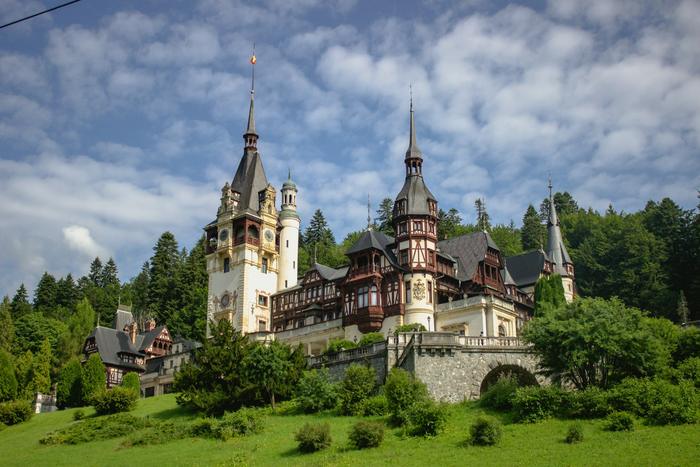
Bulgaria is the compact one — a Black Sea beach coast, some of Europe’s cheapest skiing (Bansko, Borovets), and the UNESCO Rila Monastery and mountains inland, with Sofia and Plovdiv as the city anchors, now priced in euros. Romania is the bigger, wilder one: Transylvania’s castles (Bran) and Saxon towns, the Carpathian mountains and their celebrated driving roads, the painted monasteries of the north, and Bucharest — a country that takes longer and rewards roaming, still running on the leu.

The operational detail — Bulgaria’s euro adoption and Schengen status; Romania’s currency and seasonal mountain passes — lives on the two guides: Bulgaria, know before you go and Romania, know before you go. This page is the head-to-head.

The real difference

A beach-and-ski week, or a castle road trip

The trade: Bulgaria offers a compact coast-and-mountains country; Romania offers castles, Transylvania and bigger landscapes.

Bulgaria wins on compactness, the coast and cheap skiing. You can see a lot in a short trip — Sofia, Rila, and either beaches or a budget ski week — and it’s among the cheapest countries in the EU, with the simplicity of the euro now. It’s the easy, do-it-in-a-week choice.

Romania wins on castles, variety and road-trip landscapes. Transylvania’s castles and Saxon towns, the Carpathian driving roads and the painted monasteries give it more distinctive sights and scenery, if across a bigger country that needs more time (and the famous mountain roads only open in summer). Choose the compact coast-and-ski country, or the castle road trip.

Who suits which

Who each actually suits

Both are cheap and in Schengen — but one leans compact coast-and-ski, the other castles and road trips.

If you want…BulgariaRomania
A Black Sea beach holidayWins. The coast resortsA short coast, not the point
Castles and TransylvaniaMonasteries, not castlesWins. Bran and the Saxon towns
Cheap skiingWins. Bansko, BorovetsSmaller ski scene
A big road-trip countryCompactWins. Carpathian roads
A short, see-it-all weekWins. CompactWants more time
The euro’s simplicityWins. On the euro since 2026Still the leu

Doing both

Danube neighbours you can pair

They share a border — a longer trip can take in both.

Bulgaria and Romania share a long Danube border and connect by road and rail, so a longer Black Sea or Balkans trip can pair them — Bucharest and Transylvania with Sofia and the Bulgarian coast or mountains. Each deserves the better part of a week, so a combined trip wants about two weeks. Each also compares with its other neighbours (see Poland vs Romania, Romania vs Serbia and Bulgaria vs Greece).

What we leave out

What we deliberately leave out

Exact prices beyond the structural comparison — Bulgaria’s coast-and-ski rates and Romania’s touring costs both move with season — so the figures here are the shape of the difference, not a quote; the country guides carry the live detail. The entry mechanics (both now in Schengen) and the currency difference (euro vs leu) are covered on the guides rather than restated here.

Bulgaria or Romania, month by month

Which of the two is the better bet for each month of the year, scored on how well the season suits each place.

Which to choose

Choose Bulgaria if:

  • A beach coast or cheap skiing is part of the plan.
  • You want a compact country you can see in a week.
  • Monasteries, mountains and the simplicity of the euro appeal.

Choose Romania if:

  • Castles, Transylvania and Carpathian road trips are the draw.
  • You want more variety and a bigger country to roam.
  • Dracula myth, Saxon towns and painted monasteries top the list.

Common questions

Is Bulgaria or Romania better for a first visit?
It depends on the trip you want. Bulgaria is the easier compact choice — a smaller country where you can combine Sofia, the Rila Monastery, and either the Black Sea coast or a cheap ski week inside a week or so. Romania is the better choice if you’re drawn to castles, Transylvania and a road trip — it’s bigger and takes longer, but rewards it with more variety. For a short, easy first trip, Bulgaria; for a richer touring holiday, Romania.
Which has the bigger signature sights?
Romania has the more famous headliners — Bran Castle (the “Dracula” castle), the fortified Saxon churches and painted monasteries, and the dramatic Transfăgărășan and Transalpina mountain roads. Bulgaria’s standouts are its Rila Monastery, the Black Sea resorts and the ski towns of Bansko and Borovets. Romania wins on castle-and-landscape icons; Bulgaria on beaches, monasteries and value skiing.
Do they use the same money now?
No — and this is a live 2026 difference. Bulgaria adopted the euro on 1 January 2026, so you pay in euros there now. Romania still uses its own currency, the leu (it has not set a firm euro date). Both are inexpensive and increasingly card-friendly, but you’ll change or spend leu in Romania and euros in Bulgaria. The country guides carry the detail: Bulgaria and Romania.
Are they both in Schengen now?
Yes — both became full Schengen members on 1 January 2025, so there are no routine border checks between them and the rest of Schengen, and your days in either now count against the shared 90-in-180 allowance. The EU’s biometric EES applies in both; ETIAS is expected in 2027, not required in 2026. So entry mechanics are now the same for both; the difference is the currency above.
Can I combine them?
Yes — they share a long Danube border and connect by road and rail, so a longer Balkans or Black Sea trip can pair them (Bucharest and Transylvania with Sofia and the Bulgarian coast or mountains). Each is worth the better part of a week, so a combined trip wants two weeks or so. Each also compares with its other neighbours — Romania with Poland and Serbia, Bulgaria with Greece.

Still undecided

Take the quiz

Three matches. Often answers comparison questions for you.

Start the quiz