Austria vs Germany

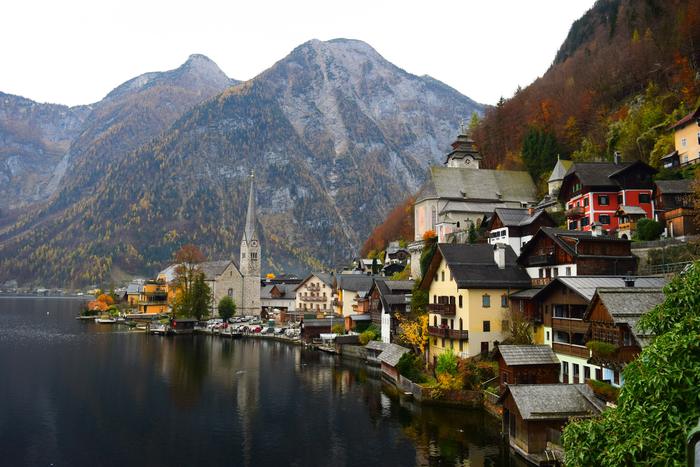
Two German-speaking neighbours, one compact and Alpine, one big and varied. Austria is the mountains-and-music one — Vienna’s imperial grandeur, Salzburg, and world-class Alps for skiing and summer hiking. Germany is the big all-rounder — Berlin’s edge, Munich and Bavaria, the Rhine and Black Forest, castles, history and beer culture, across a country that rewards a longer trip. One is a focused Alpine-and-imperial experience; the other a sprawling land of cities, history and landscapes.

Western Europe

Austria

The Alps done properly — skiing, hiking, and Vienna for the culture.

Best time to visit
  1. January: peak
  2. February: peak
  3. March: fine
  4. April: fine
  5. May: peak
  6. June: peak
  7. July: peak
  8. August: fine
  9. September: peak
  10. October: fine
  11. November: avoid
  12. December: peak
Peak Fine Avoid
Western Europe

Germany

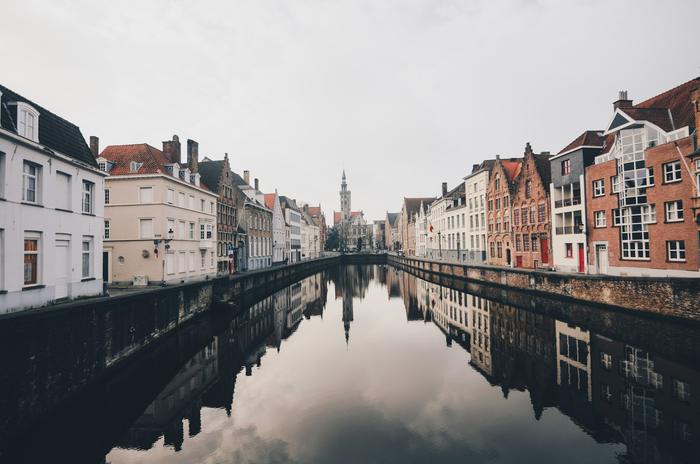
Serious cities, river valleys, and the Alps in the south.

Best time to visit
  1. January: fine
  2. February: avoid
  3. March: fine
  4. April: fine
  5. May: peak
  6. June: peak
  7. July: peak
  8. August: fine
  9. September: peak
  10. October: fine
  11. November: avoid
  12. December: peak
Peak Fine Avoid

Read our full guides about Austria and Germany.

Side by side

Emphasised where they differ. Muted rows are much the same either way.

Austria Germany
Best time May–July, September, December–February May–July, September, December
Climate mild mild
Budget Moderate — good value for Western Europe; ski resorts cost most Moderate — good value for Western Europe; cities cost most
Trip length 1–2 wks 1–3 wks
Visa Schengen — visa-free for most Western passports (90 days). Schengen — visa-free for most Western passports (90 days).
Currency EUR (€) EUR (€)
Language German. English widely spoken in cities and resorts. German. English widely spoken in cities.
Tap water Tap water safe and excellent — much of it is alpine spring water. Tap water safe and good.
Safety Very safe. Very safe.

General guidance — visas, safety, and health change, so check your government's travel advisory and the official sources before you go.

The split

Compact Alps-and-music, or a big varied country

Both are German-speaking neighbours — but one is a focused Alpine-and-imperial country, the other a big land of cities, history and beer.

Compact vs bigthe scaleA focused Alpine trip, or a sprawling varied country
Alps vs citiesthe drawWorld-class mountains and Vienna, or Berlin, Bavaria and the Rhine
Focused vs variedthe tripMountains-and-music, or history, cities and landscapes

Austria is the mountains-and-music one — Vienna’s imperial grandeur, Salzburg, and world-class Alps for skiing and summer hiking. Germany is the big all-rounder: Berlin’s edge, Munich and Bavaria, the Rhine and Black Forest, castles, history and beer culture, across a country that rewards a longer trip.

The operational detail — each country’s ski-and-city seasons and logistics — lives on the two guides: Austria, know before you go and Germany, know before you go. This page is the head-to-head.

The real difference

Focused Alps, or sprawling variety

The trade: Austria offers a focused Alpine-and-imperial experience; Germany offers a big, varied country of cities and history.

Austria wins on the Alps and music. As a specialist Alpine country with Vienna and Salzburg’s classical-and-imperial heritage, it’s the focused choice for mountains and high culture.

Germany wins on scale, history and variety. A wealth of distinct cities, vast history and landscapes from the Alps to the Baltic give it far more to explore. Choose the compact Alpine-and-imperial trip, or the sprawling varied one.

Who suits which

Who each actually suits

Both are German-speaking neighbours — but one leans Alps and music, the other big-country variety.

If you want…AustriaGermany
World-class Alpine skiing/hikingWins. A specialistBavaria has a slice
A spread of great citiesVienna, SalzburgWins. Berlin, Munich and more
Classical music and imperial historyWins. Vienna, SalzburgRich too, broader
Deep 20th-century historySomeWins. Berlin and beyond
Beer cultureGoodWins. Bavaria and the Oktoberfest
A focused, compact tripWins. Alpine-and-imperialA big country

Doing both

Neighbours linked by rail

Munich to Salzburg is barely over an hour — easy to pair.

Austria and Germany are neighbours with excellent rail links (Munich to Salzburg is barely over an hour), so a trip can pair Bavaria with Vienna and the Austrian Alps. Each also compares with its neighbours (see Austria vs Switzerland, Austria vs Ireland, Belgium vs Germany and Denmark vs Germany).

What we leave out

What we deliberately leave out

Exact prices beyond the structural comparison — Austria’s ski-resort costs and Germany’s city premiums both move with season — so the figures here are the shape of the difference, not a quote; the country guides carry the live detail. The shared entry mechanics (both Schengen and eurozone) are covered on the guides rather than restated here.

Austria or Germany, month by month

Which of the two is the better bet for each month of the year, scored on how well the season suits each place.

Which to choose

Choose Austria if:

  • The Alps, skiing or hiking, and imperial Vienna are the draw.
  • You want a focused mountains-and-music trip.
  • Alpine scenery over big-country variety.

Choose Germany if:

  • Great cities, history, castles and beer top the list.
  • You want a big, varied country to explore over a longer trip.
  • Berlin, Bavaria and the Rhine over a compact Alpine trip.

Common questions

Is Austria or Germany better for the Alps?
Austria, as a specialist — it’s a premier Alpine country, with world-class skiing (Tyrol, Salzburgerland) and summer hiking throughout. Germany has its own fine slice of Alps in Bavaria (around Garmisch and the Zugspitze), but mountains are one part of a much bigger, more varied country. For an Alpine holiday, Austria; for mountains among wider variety, Germany.
Which has the better cities?
Germany for range — Berlin (edgy, historic, creative), Munich, Hamburg, Cologne and more give it a wealth of distinct cities. Vienna is one of Europe’s grandest capitals (imperial palaces, opera, coffee houses), with Salzburg and Innsbruck alongside, but Austria is a smaller country. For a spread of great cities, Germany; for imperial grandeur and music, Vienna.
Which has more history and variety?
Germany, clearly — its history is vast and central (medieval towns, castles, the 20th-century story, the Berlin Wall), and its landscapes range from the Alps and Black Forest to the Rhine and the Baltic. Austria’s appeal is more focused — the Alps, imperial Vienna and classical music. For history and variety, Germany; for a concentrated Alpine-and-imperial trip, Austria.
Do the entry and money rules differ?
No — they’re identical. Both are in the EU, the Schengen area and the eurozone, so the same 90-in-180 visa-free allowance applies, the EU’s biometric EES is in operation, ETIAS is expected in 2027, and you pay in euros in both. They’re also well linked by rail (Munich–Salzburg–Vienna). The guides carry the detail: Austria and Germany.
Can I combine them?
Very easily — they’re neighbours with excellent rail links (Munich to Salzburg is barely over an hour), so a trip can pair Bavaria with Vienna and the Austrian Alps. Each also compares with its neighbours — Austria with Switzerland, Norway and Ireland, Germany with Belgium and Denmark.

Still undecided

Take the quiz

Three matches. Often answers comparison questions for you.

Start the quiz