Canada vs United States

Neighbours that share a continent and a love of the open road, but not a centre of gravity. Canada is wilderness-first — the Rockies, endless lakes and coast, with livable cities as the supporting cast. The United States is a dozen trips in one: the great cities, the Southwest’s canyons, California’s coast, and the widest spread of national parks anywhere, on a scale that forces you to pick a region.

North America

Canada

Wilderness on a continental scale — Rockies, coast, and the cities between.

Best time to visit
  1. January: fine
  2. February: fine
  3. March: fine
  4. April: fine
  5. May: peak
  6. June: peak
  7. July: peak
  8. August: peak
  9. September: peak
  10. October: fine
  11. November: avoid
  12. December: fine
Peak Fine Avoid
North America

United States

A continent pretending to be a country — cities, deserts, and the best national parks anywhere.

Best time to visit
  1. January: fine
  2. February: fine
  3. March: fine
  4. April: peak
  5. May: peak
  6. June: peak
  7. July: fine
  8. August: fine
  9. September: peak
  10. October: peak
  11. November: fine
  12. December: fine
Peak Fine Avoid

Read our full guides about Canada and United States.

Side by side

Emphasised where they differ. Muted rows are much the same either way.

Canada United States
Best time May–September April–June, September, October
Climate cold mild
Budget Park-town hotels and car hire are the big costs — Swiss-resort level, booked months ahead Costs have climbed — hotels, ~20% tips and sales-tax-at-the-register all stack up
Trip length 2–4 wks 2–5 wks
Visa eTA required for most visa-exempt air travelers. Apply online before travel. ESTA visa waiver for most Western passports (90 days). Apply before travel.
Currency CAD ($). Roughly 1.4 CAD ≈ 1 USD. USD ($)
Language English, and French in Québec. English.
Tap water Tap water safe. Tap water safe.
Safety Very safe. Bears and remote distances are the real hazards. Generally safe; varies sharply by city and neighborhood.

General guidance — visas, safety, and health change, so check your government's travel advisory and the official sources before you go.

The split

Wilderness-first, or a dozen trips

Road-trip neighbours — one is focused on the wild, the other a continent of range.

Focused vs vast rangewhat each is really forThe Rockies and lakes, or cities-desert-coast-parks
Cooler vs warm-to-coldthe climate spanA northern feel, or warm south to cold north
Wilderness vs cities toothe balanceCities as a bonus, or marquee cities in their own right

Canada is wilderness-first: the Rockies, endless lakes and coast, with livable cities (Vancouver, Montréal, Toronto) as the supporting cast rather than the headline. The United States is a dozen trips in one: the great cities, the Southwest’s canyons, California’s coast and the widest spread of national parks anywhere, on a scale that forces you to choose a region. A focused outdoors trip, or sheer continental range.

The operational detail — Canada’s eTA and Parks Canada reservation systems, the US’s ESTA, park surcharge and timed-entry rules — lives on the two guides: Canada, know before you go and United States, know before you go. This page is the head-to-head.

Who suits which

Who each actually suits

Wilderness-first or maximum-range — a close neighbourly call that still splits.

If you want…CanadaUnited States
Concentrated, jaw-dropping RockiesWins clearly. Banff, JasperGreat parks, more scattered
The widest range of tripsWilderness-focusedWins clearly. Cities-desert-coast-parks
Marquee world citiesLivable, secondaryWins. NYC and more
A quieter, cooler feelWins. Calmer and northernBusier, bigger
Warm-weather varietyShort summerWins. Warm south year-round
Lower park fees for foreignersWins. No foreigner surcharge$100 at 11 top parks

Doing both

An easy cross-border road trip

Neighbours — a natural two-in-one.

They combine as naturally as any big-country pair: Vancouver with the Pacific Northwest, the Canadian Rockies with Montana’s Glacier, eastern Canada with New York and New England, or both sides of Niagara. Each needs its own entry document — the US an ESTA (~$40), Canada an eTA (CAD $7), both from the official sites — and the land crossing is its own step, but a cross-border loop is one of the easiest big combinations. Both are car-dependent, high-tipping and tax-at-register.

What we leave out

What we deliberately leave out

Exact prices and the moving pieces — Canada’s park-shuttle and lodging costs, the US’s park surcharge, timed-entry systems and ESTA fee — change within a season (and year to year), so the figures here are the shape of the gap, not a quote; the country guides carry the live detail.

Canada or United States, month by month

Which of the two is the better bet for each month of the year, scored on how well the season suits each place.

Which to choose

Choose Canada if:

  • You want wilderness first — the Rockies, lakes, coast, with cities as a bonus.
  • A focused outdoors trip beats a sprawling city-and-desert circuit.
  • Cooler-climate scenery and a quieter feel appeal.

Choose United States if:

  • You want range — big cities, the Southwest, California, the most parks anywhere.
  • A varied, region-by-region continent to keep returning to draws you.
  • Warmth, scale and marquee cities matter as much as wilderness.

Common questions

Should I combine Canada and the United States?
Easily — they’re neighbours, and the pairings are natural: Vancouver with Seattle and the Pacific Northwest, the Rockies with Montana and Glacier, Toronto/Montréal with New York and New England, even the two sides of Niagara. Note the entry formalities differ — the US needs an ESTA (~$40) and Canada an eTA (CAD $7), each from its official site — and crossing the land border is its own step. A cross-border road trip is one of the easiest big-country combinations going. See the Canada and United States guides.
Which has the better national parks?
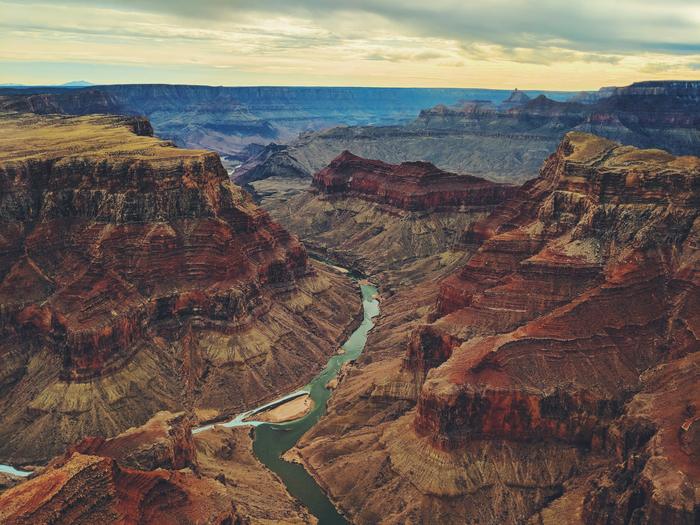
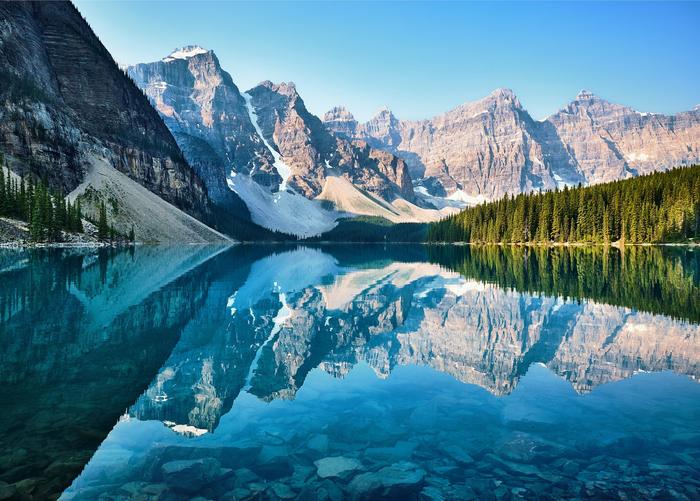
Both are world-class, differently. Canada’s Rockies — Banff, Jasper, the Icefields Parkway, Lake Louise and Moraine Lake — are a concentrated, jaw-dropping cluster. The US has more range and sheer number: the Grand Canyon, Yosemite, Zion, Yellowstone and dozens more across wildly different landscapes. A stunning concentrated set, or an unmatched spread — though note the US now adds a $100 foreigner surcharge at its 11 busiest parks.
Which is more varied?
The United States, clearly — it’s a dozen trips in one: world cities, desert canyon country, a long coast, and the parks, warm south to cold north. Canada is more focused on wilderness, with its cities livable but secondary and a cooler climate overall. Sheer range, or a wilderness-first trip with urban extras.
Are the practicalities similar?
Largely — both are car-dependent with thin intercity transit, both expect high tipping (15–20%+, with card-terminal “tip creep”), and both add sales tax at the register rather than on the sticker. Park-town lodging and car hire are the big costs in each and book out months ahead. The differences are at the edges: entry documents, the metric-vs-imperial switch, and Canada’s generally quieter feel.

Still undecided

Take the quiz

Three matches. Often answers comparison questions for you.

Start the quiz