Italy
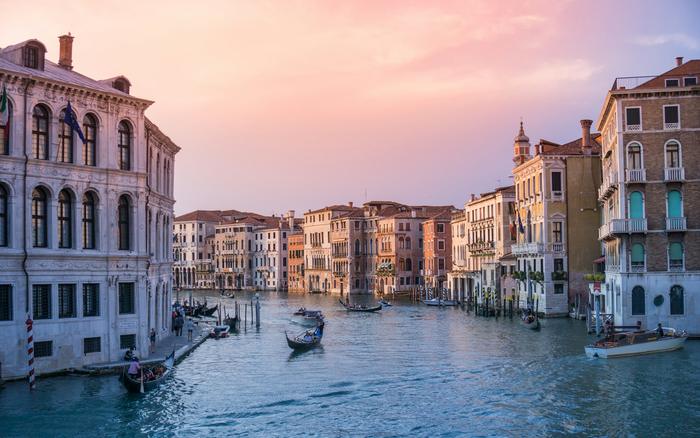
The benchmark for food, history, and beauty.
- January: fine
- February: fine
- March: fine
- April: peak
- May: peak
- June: peak
- July: fine
- August: avoid
- September: peak
- October: peak
- November: fine
- December: fine
Two of southern Europe’s favourites, at different intensities. Italy is dense and monumental — Rome, Florence, Venice, the art and food and endless layers of history, popular and pricier. Portugal is the compact, relaxed, better-value Atlantic country — Lisbon, Porto, the Algarve and the Douro — with fewer crowds and a lower bill.
The benchmark for food, history, and beauty.
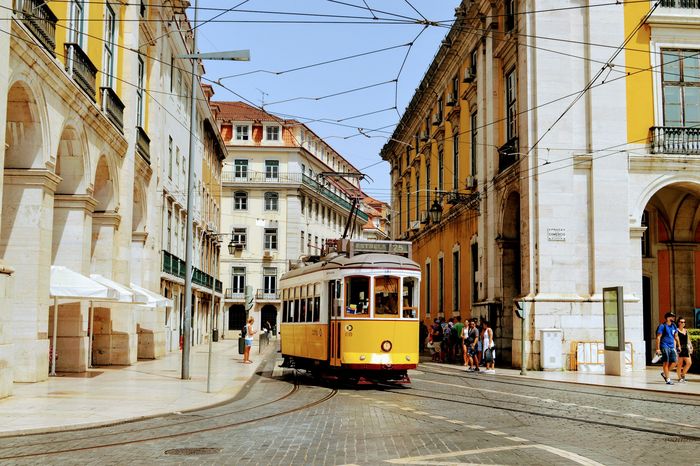
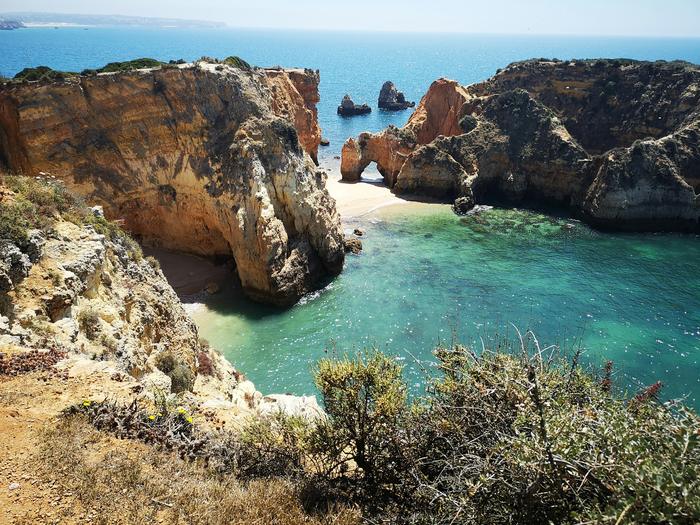
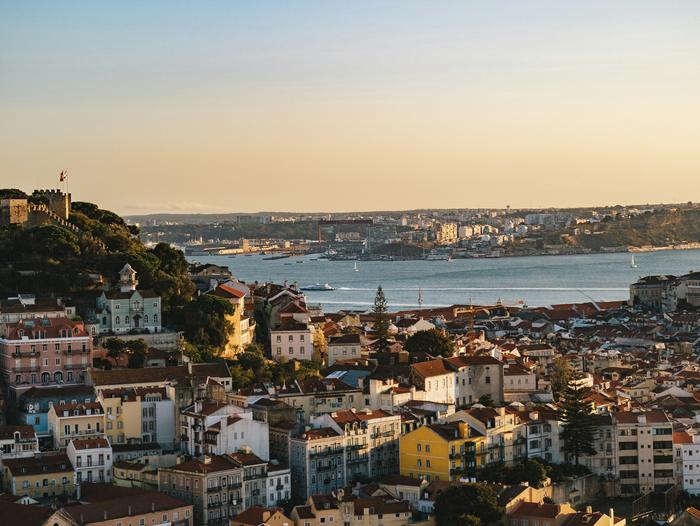
Europe’s sunny western edge — Lisbon’s hills, Porto’s port, Algarve cliffs, and the best value in the west.
Read our full guides about Italy and Portugal.
Emphasised where they differ. Muted rows are much the same either way.
| Italy | Portugal | |
|---|---|---|
| Best time | April–June, September, October | April–October |
| Climate | mild | mild |
| Budget | Pricey in the big-ticket cities, cheaper in the south; crowds push peak costs up | Cheaper — one of Western Europe’s better-value countries |
| Trip length | 1–4 wks | 1–2 wks |
| Visa | Schengen — visa-free for most Western passports (90 days). | Portugal (Schengen) — visa-free for most Western passports (90 days). Verify before travel. |
| Currency | EUR (€) | EUR (€). |
| Language | Italian. English in cities and tourism, less in the south. | Portuguese; English widely spoken in tourism. |
| Tap water | Tap water safe and good. | Tap water is safe. |
| Safety | Very safe. Pickpocketing in Rome, Naples, Florence. | Very safe; watch for pickpockets on Lisbon’s trams and in tourist crowds. |
General guidance — visas, safety, and health change, so check your government's travel advisory and the official sources before you go.
The split
Both are southern-European favourites — but one is dense and popular, the other relaxed and good value.
Italy is dense and monumental: Rome, Florence and Venice, the art, the ruins and the food — the greatest concentration of European culture, popular, and pricier for it (with real crowds at the big sights). Portugal is the compact, relaxed, better-value country: Lisbon, Porto, the Douro and the Algarve, with fewer crowds and a lower bill. The monumental hit, or the easy, good-value escape.
The operational detail for each — Italy’s ZTL fines and city taxes, Portugal’s tolls and tourist taxes — lives on the two guides: Italy, know before you go and Portugal, know before you go. This page is the head-to-head.
Who suits which
Monuments-and-crowds or ease-and-value — so these rarely invert.
| If you want… | Italy | Portugal |
|---|---|---|
| The great European monuments | Wins clearly. Rome, Florence, Venice | Lovely cities, lower-key |
| A relaxed, compact loop | Dense and busy | Wins clearly. Easy and calm |
| The lower bill | Pricier in the big cities | Wins. Cheaper across the board |
| World-class art and history | Wins. Unmatched density | Present, but lighter |
| Fewer crowds | Among Europe’s most touristed | Wins. Far quieter |
| Atlantic coast and port wine | Mediterranean and grander | Wins. The Douro and the Algarve |
Doing both
Opposite ends — connect by a flight.
Italy and Portugal bracket southern Europe with no easy direct link, so combining them means a flight through a hub, and each comfortably fills its own trip — they’re better treated as an either/or. Both are in Schengen, so any combined time draws on the same 90/180 allowance, and both peak in the warm shoulder seasons. The decision is really monuments-and-crowds versus a relaxed, better-value Atlantic loop.
What we leave out
Exact prices beyond the structural comparison — both are eurozone countries where rates move within a season, so the figures here are the shape of the gap, not a quote; the country guides carry the live detail, including Italy’s city taxes and ZTL rules and Portugal’s toll mechanics and tourist taxes.
Which of the two is the better bet for each month of the year, scored on how well the season suits each place.
The ski and alpine benchmark — every other mountain range is measured against this.
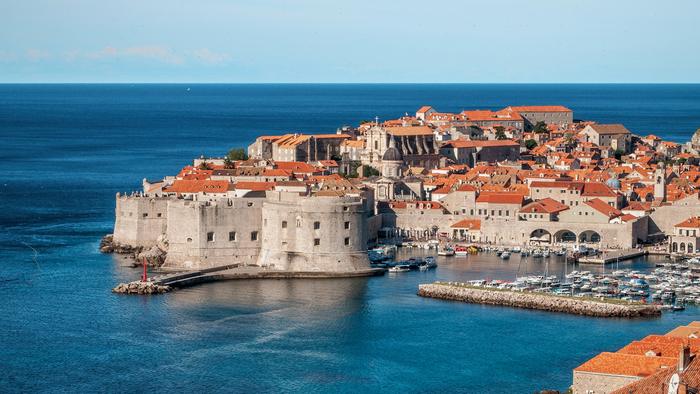
Dubrovnik, the Adriatic coast, ancient cities. Compact and beautiful.
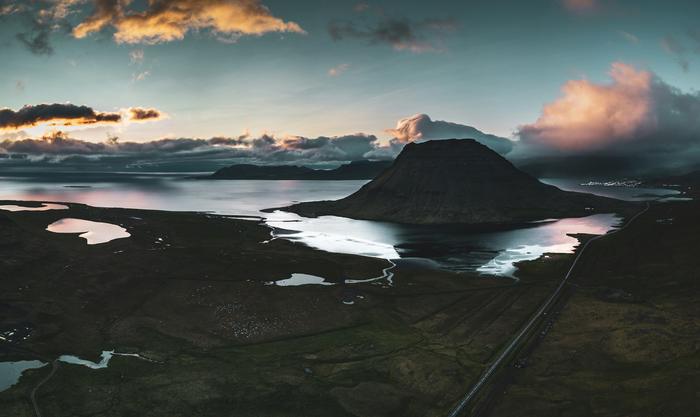
Geysers, glaciers, northern lights, hot springs.
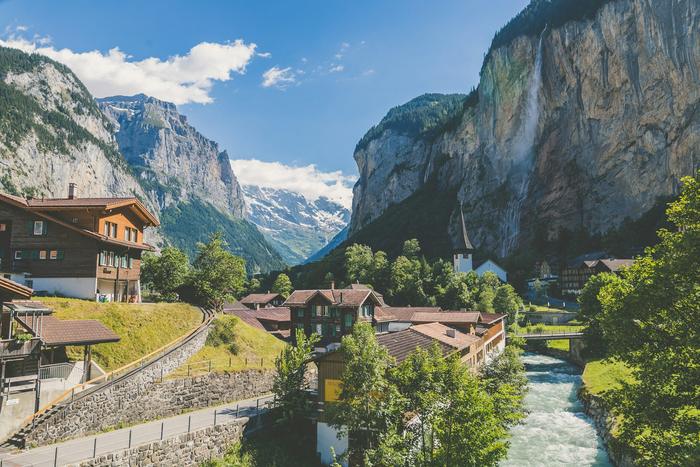
The most concentrated mountain scenery in Europe — and you'll pay for it.
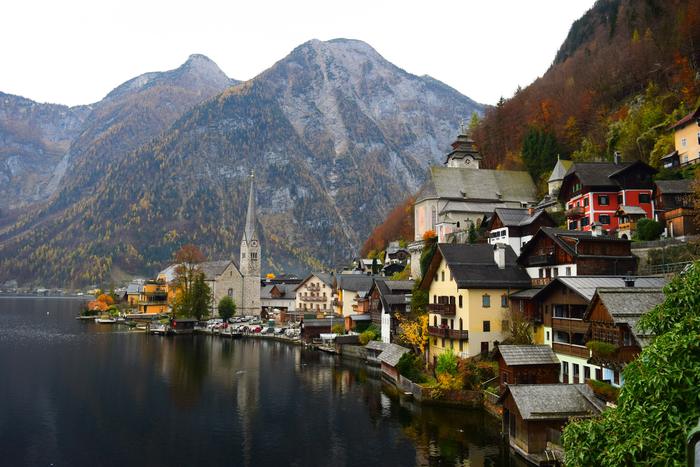
The Alps done properly — skiing, hiking, and Vienna for the culture.
A long weekend in Copenhagen — design, cycling, and new-Nordic food.
Serious cities, river valleys, and the Alps in the south.
Budapest is the best-value great city in Europe.
Still undecided
Three matches. Often answers comparison questions for you.
Start the quiz