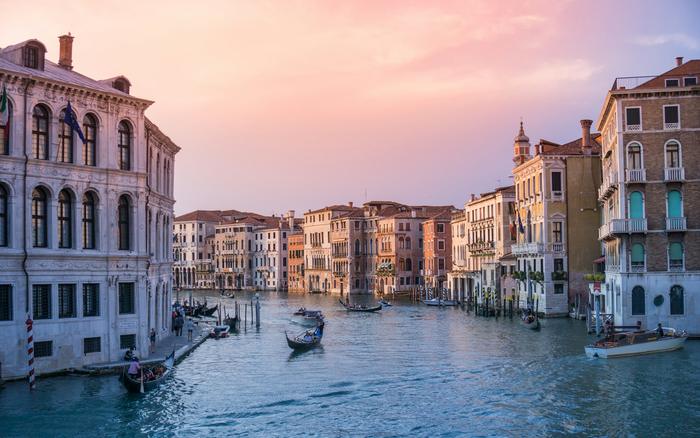
Italy vs United Kingdom

Two heavyweight European trips with opposite climates and characters. Italy is the sun-and-art one — Renaissance cities, Roman ruins, world-defining food and a Mediterranean warmth, from the Alps to Sicily. The United Kingdom is the cool, green one — a dense weave of heritage, castles, great cities and varied countryside, in the English language, under famously changeable skies. One is la dolce vita; the other is history and landscape in the northern Atlantic.

Western Europe

Italy

The benchmark for food, history, and beauty.

Best time to visit
  1. January: fine
  2. February: fine
  3. March: fine
  4. April: peak
  5. May: peak
  6. June: peak
  7. July: fine
  8. August: avoid
  9. September: peak
  10. October: peak
  11. November: fine
  12. December: fine
Peak Fine Avoid
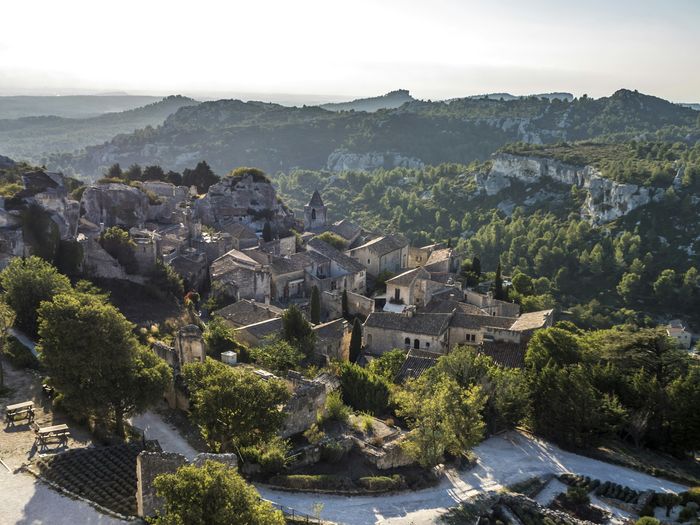
Western Europe

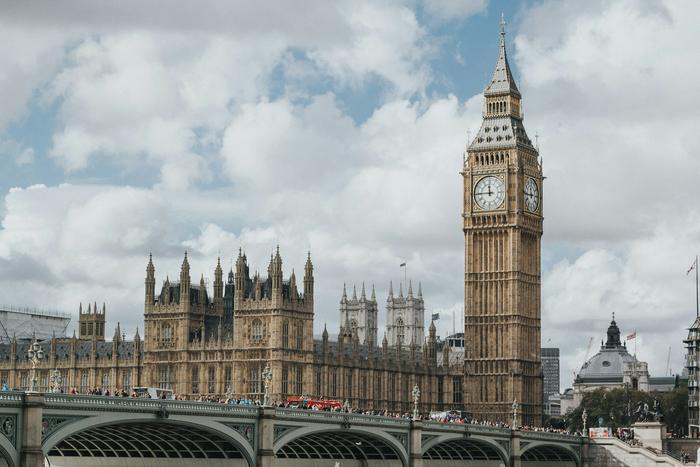
United Kingdom

London, then the parts most visitors skip — Scotland, Wales, and the coast.

Best time to visit
  1. January: avoid
  2. February: avoid
  3. March: fine
  4. April: fine
  5. May: peak
  6. June: peak
  7. July: peak
  8. August: peak
  9. September: peak
  10. October: fine
  11. November: avoid
  12. December: fine
Peak Fine Avoid

Read our full guides about Italy and United Kingdom.

Side by side

Emphasised where they differ. Muted rows are much the same either way.

Italy United Kingdom
Best time April–June, September, October May–September
Climate mild mild
Budget Moderate-to-pricey — the north and the big-name cities cost most Expensive, London above all — one of Europe’s pricier trips
Trip length 1–4 wks 1–3 wks
Visa Schengen — visa-free for most Western passports (90 days). Visa-free for most Western passports (up to 6 months). An ETA may apply — verify before travel.
Currency EUR (€) GBP (£)
Language Italian. English in cities and tourism, less in the south. English.
Tap water Tap water safe and good. Tap water safe.
Safety Very safe. Pickpocketing in Rome, Naples, Florence. Very safe. Standard city precautions.

General guidance — visas, safety, and health change, so check your government's travel advisory and the official sources before you go.

The split

Mediterranean sun and art, or northern heritage

Both are first-rank European trips — but one is warm, art-and-food Italy, the other the cool, heritage-dense UK.

Sun vs coolthe climateMediterranean warmth, or changeable northern skies
Art vs heritagewhat each is forRenaissance cities and Roman ruins, or castles and countryside
Italian vs Englishthe day-to-dayA little language, or none at all

Italy is the sun-and-art one — Renaissance Florence, Roman and Venetian grandeur, the food that defines how much of the world eats, and a Mediterranean warmth running from the Alpine lakes down to Sicily. The UK is the cool, green one: an extraordinary density of heritage and castles, great cities from London to Edinburgh, and strikingly varied countryside — all in English, under weather that changes by the hour.

The operational detail — Italy’s Schengen entry, timed tickets and regional train network; the UK’s ETA, left-hand driving and rail fares — lives on the two guides: Italy, know before you go and the UK, know before you go. This page is the head-to-head.

The real difference

Warmth, food and art, or heritage and ease

The trade: Italy offers sun, cuisine and world art; the UK offers heritage, countryside and English-language ease.

Italy wins on warmth, food and art. For Mediterranean sun, the greatest concentration of art and ancient ruins anywhere, and a cuisine that’s reason enough to go — much of it affordable in the south and smaller towns — Italy is a sensory trip that few places rival.

The UK wins on heritage and frictionlessness. Its density of castles, historic cities and dramatically varied countryside is remarkable, and for English speakers it’s the lowest-friction major trip going — no language barrier, just a lot of history and scenery. It costs more and won’t promise sun, but delivers a different, cooler kind of richness. Choose warmth and art, or heritage and ease.

Who suits which

Who each actually suits

Both are top-tier trips — but one leans sun, food and art, the other heritage and countryside.

If you want…ItalyUnited Kingdom
Mediterranean sun and coastWins. Warm, from lakes to SicilyCool and changeable
World art and ancient ruinsWins. Unmatched densityGreat museums, different focus
Food as a reason to travelWins. Everywhere, affordableGood, but you seek it out
Castles and heritagePlenty of historyWins. Castle country
Travelling in EnglishCommon in tourist areasWins. No barrier at all
Lower costs overallWins. Cheaper south and townsExpensive, London most of all

Doing both

Two trips, two climates

Different ends of Europe, two entry systems — pick the mood you want.

There’s no natural single trip here — opposite climates, no land link, and two separate entry systems (Italy’s Schengen process, the UK’s ETA) — so doing both means a flight and two distinct holidays. Most people choose the one that fits the trip they’re after: Mediterranean warmth and art, or cool northern heritage. If you’re weighing more of the region, Italy also compares with its neighbours (see Greece vs Italy).

What we leave out

What we deliberately leave out

Exact prices beyond the structural comparison — Italian and UK costs both swing with region, city and season — so the figures here are the shape of the difference, not a quote; the country guides carry the live detail. The entry mechanics differ sharply (Italy’s Schengen/EES process versus the UK’s ETA) and are covered on the guides rather than restated here.

Italy or United Kingdom, month by month

Which of the two is the better bet for each month of the year, scored on how well the season suits each place.

Which to choose

Choose Italy if:

  • Food, art and Mediterranean sun are the whole point.
  • Renaissance cities and Roman ruins top the list.
  • You want warmth, the coast and la dolce vita.

Choose United Kingdom if:

  • Heritage, castles and varied countryside pull harder.
  • You value travelling in English with zero language friction.
  • Great cities and dramatic scenery over guaranteed sun.

Common questions

Is Italy or the UK more expensive?
The UK, generally — London in particular is one of Europe’s priciest cities for accommodation, transport and attractions. Italy spans a wider range: the north and the marquee cities (Venice, Florence, the Amalfi Coast) are expensive, but the south and smaller towns are markedly cheaper. For a budget-conscious trip, Italy gives you more ways to spend less; the UK runs dear almost everywhere, and dearest in the capital.
Which is better for food?
Italy, by common consent — its regional cooking is a destination in itself, and eating well is cheap and everywhere. The UK’s food scene has transformed and its cities now dine very well, but it’s a place you seek out good food rather than stumble into it, and at higher prices. If the table is central to your trip, Italy is the easy pick; the UK rewards those who know where to look.
Do the entry rules differ?
Yes, and it’s worth getting right. Italy is in the Schengen area, so the EU’s biometric entry system now applies and the ETIAS authorisation is coming (expected 2027). The UK sits outside all of that and runs its own ETA — now required of most non-visa visitors, including Europeans, at £20, applied for via the official app. So an Italy-and-UK trip means dealing with two separate systems. Don’t confuse the EU’s ETIAS with the UK’s ETA — the country guides spell out each.
Which is easier for an English speaker?
The UK, obviously — it’s an English-speaking country, so there’s zero language friction, which some travellers value highly for a relaxed trip. Italy is very welcoming and English is common in tourist areas, but you’ll meet more day-to-day Italian, which many see as part of the charm. If frictionless communication is a priority, the UK; if a little language and a lot of sun appeal, Italy.
Can I combine them?
They’re not a natural single trip — different ends of Europe, different climates, and two separate entry systems — so combining means a flight and two distinct holidays. Most people pick the one that matches the mood they want: Mediterranean warmth and art, or cool northern heritage and countryside. If you’re weighing other European options, Italy also compares with its Mediterranean neighbours (see Greece vs Italy).

Still undecided

Take the quiz

Three matches. Often answers comparison questions for you.

Start the quiz