Portugal
Europe’s sunny western edge — Lisbon’s hills, Porto’s port, Algarve cliffs, and the best value in the west.
Portugal squeezes an unusual amount into a small, affordable country: two of Europe's most likeable cities, a wine valley, a dramatic surf coast, and the Algarve's cliffs and coves — all reachable in a week, in mild weather, for noticeably less than Spain, France, or Italy. Add some of the friendliest people and best seafood on the continent and it's easy to see why it went from overlooked to everyone's favourite.
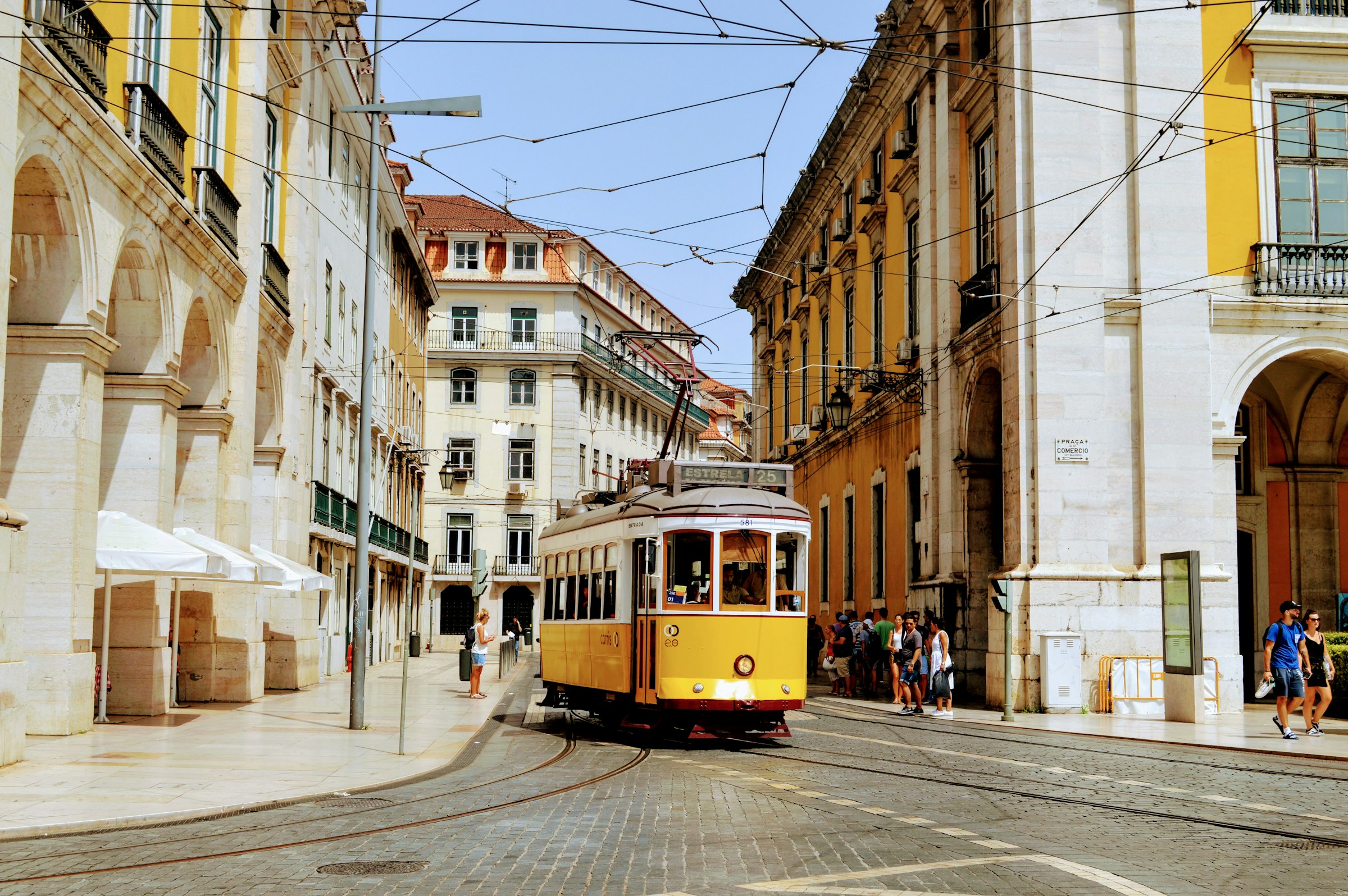
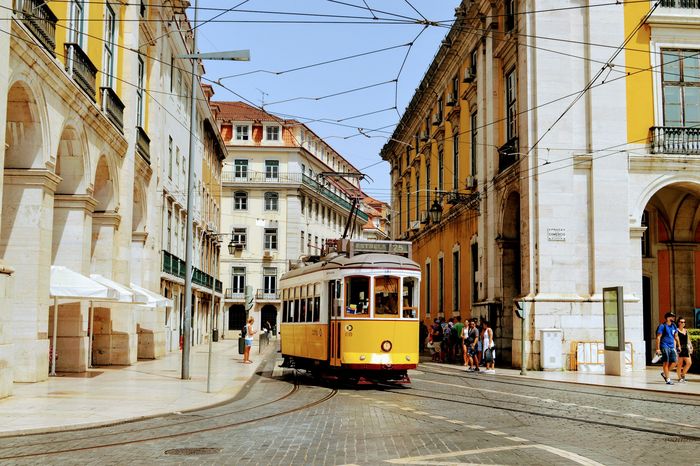
The classic run pairs the two cities. Lisbon spills over seven hills above the Tagus — tiled façades, rattling trams, viewpoints, and the mournful sound of fado — with the fairytale palaces of Sintra a short train ride away. Porto, in the north, is smaller and grittier-handsome, stacked above the Douro, where the port lodges line the river and boats run up into the terraced wine valley behind. South, the Algarve delivers the beaches — golden cliffs, hidden coves, and grottoes around Lagos — while the wilder Atlantic coast from Ericeira to Nazaré (home of the giant waves) is Europe's surf capital. Everywhere the food is simple and superb: grilled fish, pastéis de nata, and cheap, excellent wine.
The honest part: Portugal's popularity has caught up with it. Lisbon and the Algarve are busy and pricier than they were, summer brings crowds and heat, and the capital's steep hills and cobbles are hard going for some. It's also stretched thin as a single trip if you try to do everything — the country rewards picking two or three areas over racing the length of it. But come outside peak summer, base yourself in Lisbon and Porto with a few days on the coast, and it remains one of the warmest, easiest, best-value trips in Western Europe.
Highlights
-
Lisbon
A city of seven hills above the Tagus — trams, tiled façades, miradouros, and fado in the Alfama.
-
Porto & the Douro Valley
Portugal’s handsome second city and the terraced river valley behind it where port wine is made.
-
The Algarve
Golden cliffs, hidden coves, and sea grottoes along the sunny south coast around Lagos.
-
Sintra
A hillside of fairytale palaces and gardens in the forested hills above Lisbon.
-
The surf coast
Ericeira, Peniche, and Nazaré — home of the giant waves — make this Europe’s surf capital.
-
Food & wine
Grilled fish, pastéis de nata, port and vinho verde — simple, superb, and cheap.
Practical info
- Visa
- Portugal (Schengen) — visa-free for most Western passports (90 days). Verify before travel.
- Currency
- EUR (€).
- Language
- Portuguese; English widely spoken in tourism.
- Safety
- Very safe; watch for pickpockets on Lisbon’s trams and in tourist crowds.
- Getting around
- Fast trains link Lisbon and Porto; a car helps for the Douro, Alentejo, and the coast.
- Tap water
- Tap water is safe.
- Plug type
- Type C Type F 230V
- Money
- Cards widely accepted; carry cash for small cafés and markets.
General guidance — visas, safety, and health change, so check your government's travel advisory and the official sources before you go.
Common questions
- Do you need a visa for Portugal?
- No — Portugal is in the Schengen Area and uses the euro, so US, UK, Canadian and Australian visitors enter visa-free for up to 90 days in any 180. Two border systems are changing: the biometric Entry/Exit System (EES) has been fully operational since April 2026 (your fingerprints and photo are taken on first entry to the zone), and ETIAS, a €20 pre-travel authorisation, is expected sometime in 2027 — no firm date has been set, so don’t trust any source that gives one.
- What’s the deal with Portugal’s motorway tolls?
- This is the classic rental-car trap. Many Portuguese motorways have no toll booths at all — overhead gantries read a transponder or your number plate automatically. Rental firms fit a Via Verde device that auto-bills your card (plus a small daily service fee), but confirm it’s active when you pick the car up. If you bring a foreign-plated car you must pre-register (EasyToll at a border kiosk, a prepaid TollCard, or Via Verde Visitors) or risk fines. One bit of good news: since January 2025 the Algarve’s A22 and the A23, A24 and A25 are toll-free.
- When is the best time to visit Portugal?
- The shoulder seasons — April–June and September–October — are the sweet spot: warm, far less crowded than high summer, and in autumn the Douro wine harvest is on. July and August are hot and busy; the Algarve’s beach weather stretches into October with the sea still around 20°C. One thing to note inland: the wildfire season runs roughly July–October in the rural north and centre (2025 was a severe year), well away from the coastal resorts but worth a glance at the forecast if you’re touring the interior.
- How much is the tourist tax in Portugal?
- It’s a small nightly charge that varies by city and isn’t in the room rate: €4 a night in Lisbon (doubled from €2 in 2024, capped at 7 nights, under-13s exempt), €3 in Porto (a rise to €4 is proposed but not yet in force), €2 in Sintra, and €1–2 in several Algarve municipalities. It’s collected per person per night at your accommodation.
- Is Portugal cheaper than Spain?
- Yes, noticeably — Portugal is one of Western Europe’s better-value countries, cheaper than Spain, France or the UK day to day, and cheaper still inland. A pastel de nata is €1.10–1.50, a weekday lunch menu €7–12, a mid-range hotel about €90–150. See our full comparison.
- Can you drink the tap water, and is Portugal safe?
- Yes on both. Tap water is safe to drink nationwide and meets EU standards. Portugal is very safe — 7th on the 2025 Global Peace Index, with Lisbon among Europe’s safest capitals. The one real nuisance is pickpocketing on crowded tourist transit, above all Lisbon’s Tram 28, plus the Santa Justa lift queue, the Time Out Market and Cais do Sodré; and the drug “touts” in Bairro Alto are selling fakes — ignore them. Normal city precautions are plenty.
Entry & borders
Visa-free, with new biometric borders
Entry is easy — but the border tech is mid-change across all of Schengen.
Portugal is a Schengen country on the euro, so most Western visitors enter visa-free for 90 days in any 180. The newly live EES registers your biometrics on first entry to the Schengen zone — expect that at your first EU airport, not specifically at the Portugal border. ETIAS, the €20 authorisation most non-EU visitors will need, is expected during 2027 with no confirmed date yet, and under-18s and over-70s are exempt from the fee.
A 2026 change in the nationality law lengthened the residency road to citizenship (to ten years for most non-EU nationals, seven for EU and lusophone citizens) — but that’s a concern for people moving to Portugal, not for tourists, whose 90-day visa-free entry is unchanged.
Where to go
A compact mainland — and two islands far out to sea
The whole mainland fits a week; the islands are separate flights, not a day trip.
The classic first trip is a line down the west: Porto and the Douro Valley in the green, wetter north; Coimbra, Fátima, Óbidos and Nazaré across the Centro; Lisbon with Sintra, Cascais and Belém in the mild middle; the historic Alentejo interior around Évora; and the sunny, dry Algarve coast in the south (Faro, Lagos, Sagres and the Benagil caves). Trains and coaches link them; a week does two or three regions properly, not all five.
The Atlantic islands are a different trip. Madeira (Funchal, the levada walks, mild year-round) lies about 1,000 km south-west, and the Azores (São Miguel, whale-watching, volcanic crater lakes) some 1,400 km out into the ocean — both are reached by plane, not ferry, so treat each as its own holiday rather than an add-on to the mainland.
When to go
Shoulder seasons win — and the interior burns in summer
The coast is a long season; the calendar is really about crowds, heat and inland fire.
26 m the record wave surfed at Nazaré
Crimson is what to plan around — summer is hot and dearest on the coast, and the July–October wildfire season touches the rural interior (not the beach resorts), bringing inland smoke and road closures on the worst days.
April–June and September–October are the sweet spots: warm, far quieter than high summer, and cheaper. Summer is hot and packed, especially the Algarve, though the southern beach season stretches comfortably into October. The climate splits north–south — Porto green and wetter, Lisbon mild, the Algarve dry and sunny — so pack for the region, not the country.
The one seasonal hazard is inland fire. The wildfire season runs July to October in the rural north and centre, and recent years have been severe (2025 burned roughly 284,000 hectares, about double 2024). It doesn’t touch the coastal cities or resorts, but it can bring smoke and road closures to the interior on the worst days — check the forecast if you’re touring the Centro or the Douro in high summer.
Getting around
Good trains, a famous toll trap, no high-speed line yet
The one thing to get right before you rent a car: how the tolls work.
The national operator CP links the cities well — Lisbon to Porto in about 2h40 on the Alfa Pendular. Don’t be misled by talk of a high-speed line: it’s under construction and not expected until around 2030 (the first Porto–Soure phase targets 2028), so it’s not an option for your trip. Lisbon and Porto both have cheap, easy metros with the airport on the line, and Rede Expressos and FlixBus coaches fill the intercity gaps.
| Journey | Option | Fare |
|---|---|---|
| Lisbon – Porto | Alfa Pendular, ~2h40 | €35.70 (2nd class) |
| Lisbon – Porto | Intercidades, ~3h | €28.05 |
| Lisbon airport – centre | Metro, Red line | €1.90 |
| Porto airport – centre | Metro, Line E (zone 4) | €2.30 |
CP fares reset 1 Jan 2026; promo tickets run from about €21.50 (Alfa Pendular) or €17 (Intercidades) if you book ahead. The Lisboa Card (24h €31) bundles transit with free or discounted entries.
The electronic tolls are the rental-car trap. Many motorways have no booths — gantries scan automatically. A rental firm fits a Via Verde transponder that auto-bills your card (plus a small daily fee); confirm it’s active at pickup. A foreign-plated car must pre-register (EasyToll at a border kiosk, a prepaid TollCard, or Via Verde Visitors) or risk fines. Good news since 1 January 2025: the Algarve’s A22 and the A23, A24 and A25 are now toll-free.
Sights & tickets
Sintra needs a slot; Benagil needs a boat
The headline sights now ration access — and several prices jumped after recent restorations.
Sintra’s Pena Palace needs a timed-entry ticket for the interior — pick a date and slot online, days ahead in summer, and arrive in your window or lose it. Sintra town clogs with traffic, so go early and take the shuttle or the 434 bus rather than driving in. Beyond Sintra, the staples are straightforward: Lisbon’s Belém (the monastery and the tower), the iconic Tram 28, Porto and the Douro, and fado in Alfama or Coimbra — and the original pastéis de nata are at Pastéis de Belém.
| Sight | Adult ticket | Note |
|---|---|---|
| Sintra — Pena Palace (park + palace) | €20 | Timed entry mandatory; ignore older €14 figures |
| Sintra — Quinta da Regaleira | €15 | Self-guided; the well and tunnels |
| Lisbon — Jerónimos Monastery | €18 | Church free; cloisters ticketed, timed entry |
| Lisbon — Belém Tower | €15 | Reopened May 2026, timed entry + daily cap |
| Porto — Livraria Lello | €8 | Redeemable against a book |
| Porto — Clérigos Tower | €6 | 225 steps; Lello combo €13 |
Read off the official and operator listings in October 2026. Jerónimos and the Belém Tower rose sharply after restorations (from about €10–12 and €8). A Port-cellar tour-and-tasting across the river in Vila Nova de Gaia runs about €20–27.
The Algarve’s Benagil sea cave is now access-controlled. Since August 2025 you can’t swim to it, land on the inner beach, or take an unguided kayak — entry is by licensed boat tour or guided kayak/SUP only, enforced by maritime police with heavy fines. Book a tour rather than turning up with an inflatable.
Taxes & crowds
Tourist taxes, short-lets and the crowds
Lisbon is wrestling with its own popularity — a couple of costs and rules follow from that.
Lisbon’s crowding is real — Alfama, the trams, Belém and the Sintra day-trip are the pinch points, and the Time Out Market has become almost a byword for the crush. The nightly tax above is the visible cost of that popularity. The 2023 clampdown on short-term lets (Alojamento Local) was largely reversed by a late-2024 law, so licensing is set municipally now — Lisbon and Porto still cap new lets in their saturated central zones, but the national freeze is gone.
| City | Tourist tax / night | Note |
|---|---|---|
| Lisbon | €4 | Doubled from €2 in Sept 2024; capped at 7 nights; under-13s free |
| Porto | €3 | A rise to €4 is proposed but not yet enacted |
| Sintra | €2 | Capped at 3 nights |
| Algarve (Faro, Albufeira…) | €1–2 | Some municipalities only; often higher in summer |
Charged per person per night on top of the room rate and collected at the accommodation. Not every town levies one, and the islands and some Algarve councils vary.
What it costs
Western Europe’s better-value corner
The quiet headline: Portugal is cheaper than its neighbours, and cheaper still inland.
€7–12 a weekday lunch menu — well under Spain, France or the UK
Cards are near-universal on the domestic Multibanco network, and contactless works almost everywhere — but the local MB WAY app needs a Portuguese bank account, so it’s not for short-trip visitors. Carry a little cash for small cafés and rural markets. Tipping is modest and not expected: round up, or 5–10% for good restaurant service, and nothing for a counter coffee.
Good to know
Safe, with a pickpocket caveat
The risks here are small and specific — and one of them is just a nuisance.
Portugal is very safe, so the real risks are small: pickpocketing on crowded tourist transit (Tram 28 above all, plus trams 15/24/25, the Santa Justa lift, the Time Out Market, Cais do Sodré, and Porto’s São Bento) is the main one. Tap water is safe to drink everywhere, plugs are European Type F at 230V, and the emergency number is 112. One language note: Portuguese is not Spanish, and locals appreciate a few words of their own — and rather dislike being addressed in Spanish. Weighing Portugal against its neighbour? See Portugal vs Spain, measured.
- Boarding Tram 28 in the Alfama crushSkipa loose bag or a back pocket — this is the city’s pickpocket hotspotGoa zipped bag held in front; the multilingual warning signs aboard aren’t decoration
- Queuing for the Santa Justa lift or in the Time Out MarketSkipgetting boxed in while distracted by the view or the stallsGothe free Carmo terrace next door for the same outlook, valuables zipped away
- A man murmurs “hashish, cocaine” in Bairro Alto at nightSkipengaging — the “drugs” are fake (oregano and worse)Gowalking on; it’s a pester, not a threat
Portugal is very safe, so the one real nuisance is pickpocketing on crowded tourist transit — Lisbon’s Tram 28 above all, plus trams 15/24/25, the Santa Justa lift, the Time Out Market and Cais do Sodré, and Porto’s São Bento station. Keep bags zipped and phones away in those specific crushes and you’ve handled the main risk; the tap water is safe to drink nationwide.
Explore more of Portugal
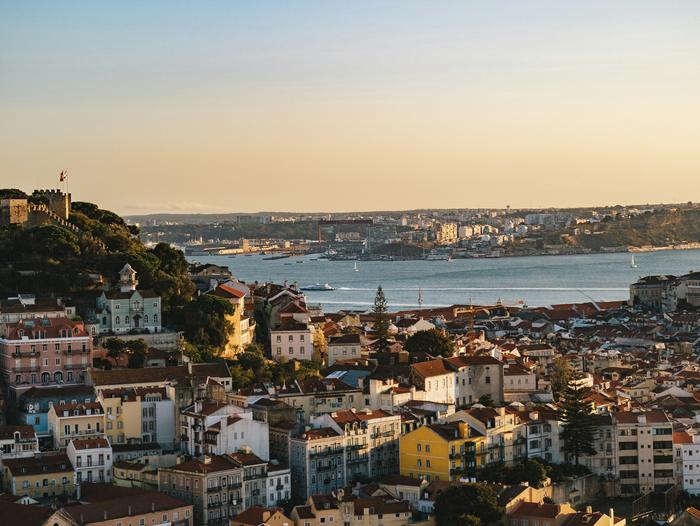
Lisbon, Portugal
The best value city in Western Europe.
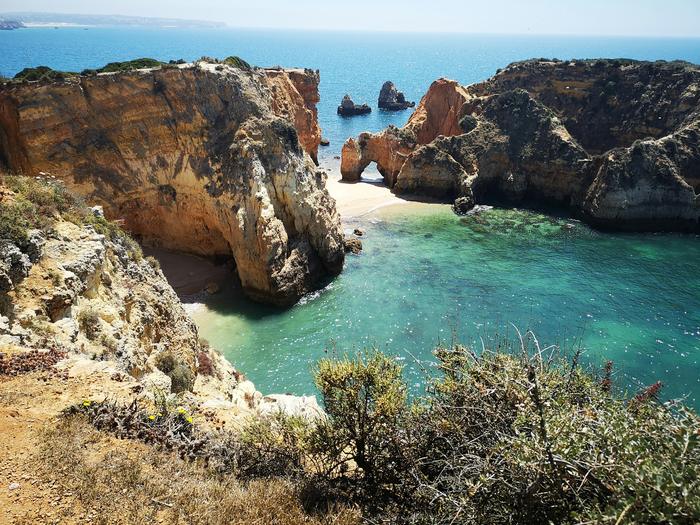
Southern Portugal
Atlantic beaches, excellent food and wine, slow pace.
Azores
Green volcanic islands in the mid-Atlantic, half-empty and gloriously weird.
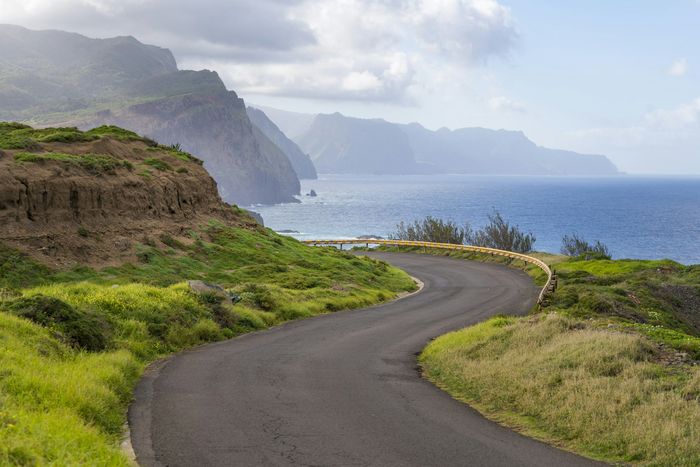
Madeira
A steep, green volcanic island in the Atlantic — spring-like all year and built for walkers.
Compare Portugal



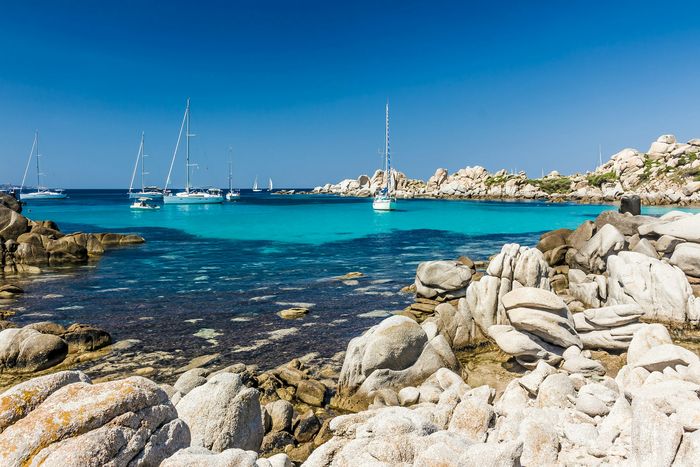
If you like Portugal, also consider

Japan
Extraordinary food, culture, and cities. Nothing quite prepares you for it.
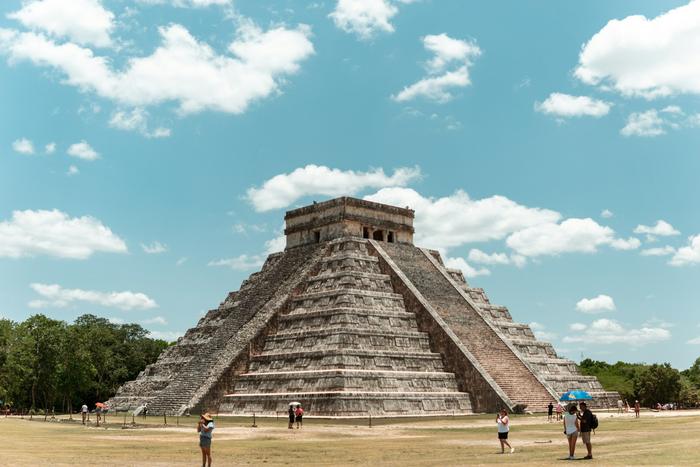
Mexico
Mexico City is world-class. Add the coast, ruins, and food culture.
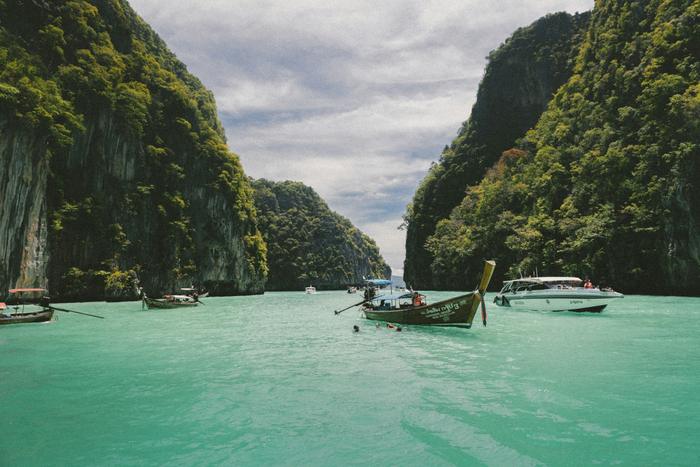
Thailand
The complete package for warm-climate travel.
Not sure where to go
Take the 5-minute quiz
Answer a few honest questions and get matched to destinations that actually fit how you travel.
Start the quiz