Estonia vs Slovenia

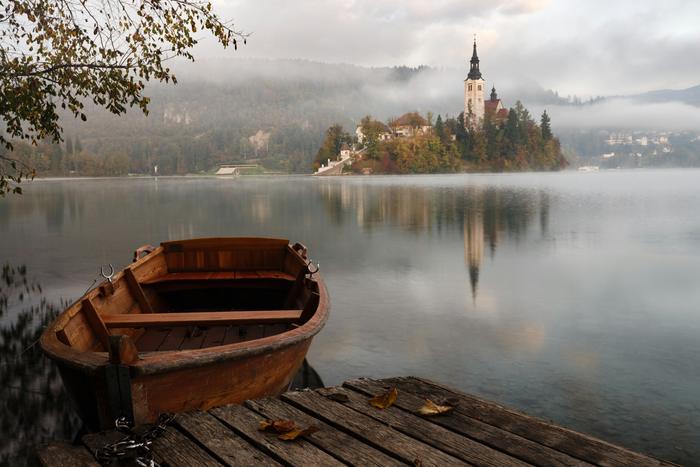
Two compact, affordable, underrated small EU countries — but opposite in terrain. Estonia is flat, medieval and digital: Tallinn’s intact old town, a frictionless e-society, quiet Baltic islands and bogs, really a summer trip. Slovenia is Alpine and outdoorsy: Lake Bled, the Julian Alps, the turquoise Soča Valley, a green capital and a short Adriatic coast, all within a few hours’ drive.

Northern Europe

Estonia

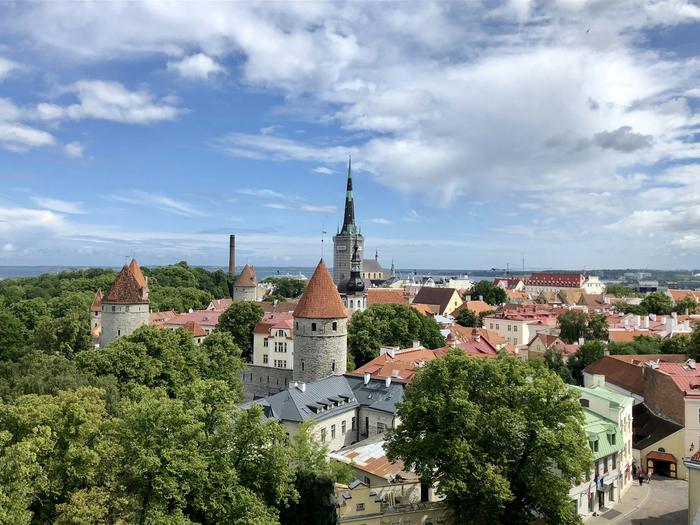
A medieval old town wired to one of the most digital states on earth.

Best time to visit
  1. January: avoid
  2. February: avoid
  3. March: avoid
  4. April: fine
  5. May: peak
  6. June: peak
  7. July: peak
  8. August: peak
  9. September: fine
  10. October: fine
  11. November: avoid
  12. December: avoid
Peak Fine Avoid
Central Europe

Slovenia

Alps, coast, and a capital you can cross on foot — all in one small country.

Best time to visit
  1. January: fine
  2. February: fine
  3. March: fine
  4. April: fine
  5. May: peak
  6. June: peak
  7. July: fine
  8. August: fine
  9. September: peak
  10. October: fine
  11. November: avoid
  12. December: fine
Peak Fine Avoid

Read our full guides about Estonia and Slovenia.

Side by side

Emphasised where they differ. Muted rows are much the same either way.

Estonia Slovenia
Best time May–August May, June, September
Climate cold mild
Budget Cheaper than its Nordic neighbours without feeling budget — reasonable for Northern Europe Mid-priced Central Europe — good value, with Bled the one pricey spot in summer
Trip length 1–2 wks 1–2 wks
Visa Schengen rules apply: 90 days visa-free for most Western passports. Verify before travel. Schengen area; visa-free for most Western passports (90 days). Verify before travel.
Currency EUR (€). EUR (€).
Language Estonian. English near-universal among the young; Russian common. Slovene. English widely spoken.
Tap water Tap water safe to drink. Tap water safe and excellent.
Safety Very safe, with low crime and easy solo travel. Very safe, with low crime even in the capital.

General guidance — visas, safety, and health change, so check your government's travel advisory and the official sources before you go.

The split

Flat and medieval, or Alpine and outdoorsy

Two underrated small EU countries — one is Baltic flatland, the other Alpine and varied.

Flat vs Alpinethe terrainBogs, islands and old town, or lakes, mountains and a coast
City vs outdoorswhat each is really forAn intact medieval core, or a nature sampler
Baltic vs Central Europewhere each isA short summer in the north, or a drive-across Alpine country

Estonia is flat, medieval and digital: Tallinn’s intact old town, a frictionless e-society, quiet Baltic islands and boardwalk bogs — gentle, and really a summer trip. Slovenia is Alpine and outdoorsy: Lake Bled, the Julian Alps, the turquoise Soča Valley, a green capital and a sliver of Adriatic coast, all a few hours apart. A medieval city break, or a compact mountains-and-lakes sampler.

The operational detail — Estonia’s Tallinn fares and summer-only rhythm, Slovenia’s e-vignette and timed sights — lives on the two guides: Estonia, know before you go and Slovenia, know before you go. This page is the head-to-head.

Who suits which

Who each actually suits

Flat-and-medieval or Alpine-and-outdoorsy — so these rarely invert.

If you want…EstoniaSlovenia
An intact medieval old townWins clearly. TallinnLjubljana is small
Mountains, lakes and gorgesFlatWins clearly. Bled, the Alps, the Soča
A digital-first, frictionless tripWins. The e-societyEasy, but not the point
An outdoorsy, active weekGentle bogs and forestWins. Hiking, rafting, gorges
A bit of coastBoth. Baltic islandsBoth. Piran
Good valueTie. Cheaper than the NordicsTie. Mid-priced

Doing both

An either/or across the EU

Opposite ends — pick one.

These two sit at opposite ends of the EU — the Baltic versus the Alps-and-Adriatic — with no convenient overland link, so combining them means a flight, and each fills its own compact week; in practice an either/or. Both are in Schengen and use the euro. Choose by terrain and timing: a flat, medieval Baltic summer, or an Alpine, outdoorsy trip best in the warm shoulder seasons.

What we leave out

What we deliberately leave out

Exact prices and the moving pieces — Estonia’s transit and ferry fares, Slovenia’s vignette and ticket prices — change within a season, so the figures here are the shape of the gap, not a quote; the guides carry the live detail, including the EES/ETIAS border changes that apply to both.

Estonia or Slovenia, month by month

Which of the two is the better bet for each month of the year, scored on how well the season suits each place.

Which to choose

Choose Estonia if:

  • You want a flat, medieval, digital city trip — Tallinn, islands, bogs.
  • A frictionless e-society and a quiet Baltic summer appeal.
  • An intact old town matters more than mountains.

Choose Slovenia if:

  • You want the outdoors — a lake, the Alps, gorges and a bit of coast.
  • A compact, drive-across, mountains-and-lakes country draws you.
  • Nature and activity matter more than a medieval core.

Common questions

Which has the better scenery, Estonia or Slovenia?
Different kinds, and Slovenia wins on drama. Slovenia is Alpine and outdoorsy — Lake Bled, the Julian Alps and Triglav, the turquoise Soča Valley, Vintgar Gorge — with a short Adriatic coast at Piran. Estonia is flat and gentle — bogs, pine forest, low Baltic islands — lovely under summer light but muted next to mountains. Mountains and lakes, or quiet northern flatland. See the Estonia and Slovenia guides.
Which has the better city?
Estonia, for a city break — Tallinn’s genuinely intact medieval old town (UNESCO-listed, not rebuilt) is a stronger urban draw than Slovenia’s charming but small capital, Ljubljana. If a historic old town is the anchor of the trip, Estonia; if the capital is really a base for the outdoors, Slovenia.
Which is better value?
Both are good value, differently. Estonia is cheaper than its Nordic neighbours without feeling budget; Slovenia is mid-priced Central Europe — reasonable, though Bled spikes in peak summer. Neither is expensive by Western-European standards, so cost isn’t really the decider here — terrain is.
Can I combine them?
There’s no convenient overland link — they’re at opposite ends of the EU (the Baltic versus the Alps-and-Adriatic) — so combining them means a flight, and each fills its own compact week, making this an either/or. Both are in Schengen and use the euro. Decide by terrain and season: a flat, medieval Baltic summer, or an Alpine, outdoorsy trip best in late spring and early autumn.

Still undecided

Take the quiz

Three matches. Often answers comparison questions for you.

Start the quiz