Estonia vs Finland

Neighbours across the Gulf of Finland, a two-hour ferry apart, with a clear price-and-character gap. Estonia is the cheaper, compact one — Tallinn’s intact medieval old town, a digital-first ease, and quiet Baltic islands. Finland is the pricier Nordic country next door: Helsinki’s design and islands, a lake-and-sauna interior, and the aurora and reindeer of Lapland far to the north.

Northern Europe

Estonia

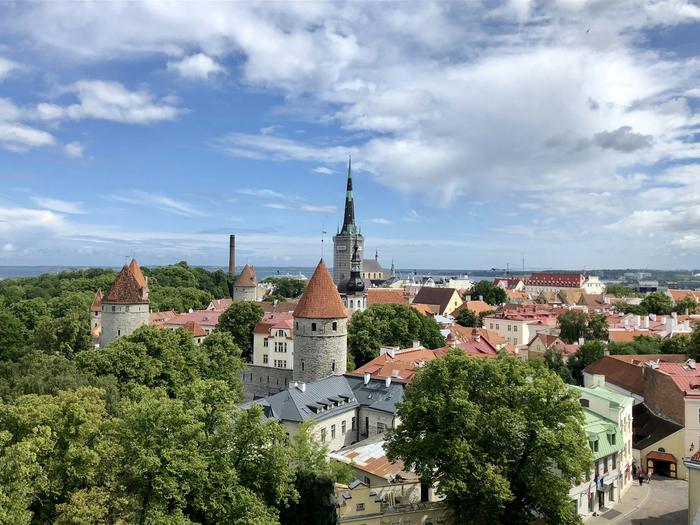
A medieval old town wired to one of the most digital states on earth.

Best time to visit
  1. January: avoid
  2. February: avoid
  3. March: avoid
  4. April: fine
  5. May: peak
  6. June: peak
  7. July: peak
  8. August: peak
  9. September: fine
  10. October: fine
  11. November: avoid
  12. December: avoid
Peak Fine Avoid
Northern Europe

Finland

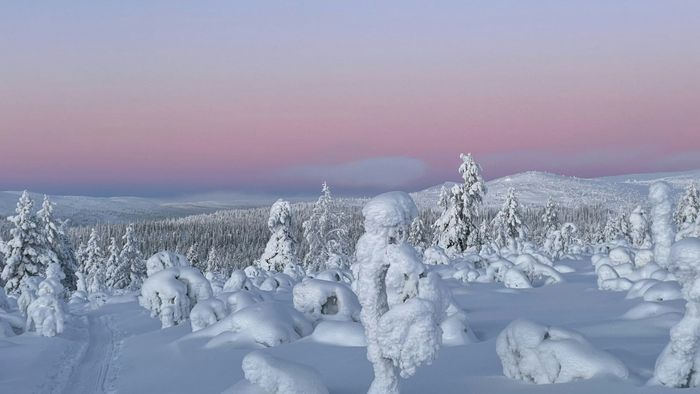
The winter trip — aurora, huskies, and snow — with saunas the whole year round.

Best time to visit
  1. January: peak
  2. February: peak
  3. March: peak
  4. April: fine
  5. May: fine
  6. June: peak
  7. July: peak
  8. August: peak
  9. September: fine
  10. October: avoid
  11. November: fine
  12. December: peak
Peak Fine Avoid

Read our full guides about Estonia and Finland.

Side by side

Emphasised where they differ. Muted rows are much the same either way.

Estonia Finland
Best time May–August June–August, December–March
Climate cold cold
Budget Cheaper than its Nordic neighbours without feeling budget — reasonable by Northern European standards Pricey — full Nordic prices, especially for dining, drinks and Lapland
Trip length 1–2 wks 1–2 wks
Visa Schengen rules apply: 90 days visa-free for most Western passports. Verify before travel. Schengen — visa-free for most Western passports (90 days).
Currency EUR (€). EUR (€).
Language Estonian. English near-universal among the young; Russian common. Finnish and Swedish. English near-universal.
Tap water Tap water safe to drink. Tap water excellent.
Safety Very safe, with low crime and easy solo travel. Very safe. Winter cold is the main hazard.

General guidance — visas, safety, and health change, so check your government's travel advisory and the official sources before you go.

The split

A cheap medieval capital, or the Nordic set

A ferry apart, but a clear gap — one is compact and cheaper, the other bigger and Nordic-priced.

Cheaper vs Nordic-pricedthe moneyAffordable Tallinn, or full Nordic prices
Compact vs bigthe scaleA medieval city and islands, or lakes and Lapland
City vs countrywhat each is really forA frictionless old town, or design, wilderness and the Arctic

Estonia is the cheaper, compact one: Tallinn’s intact medieval old town, a digital-first ease and quiet Baltic islands, all comfortably a week. Finland is the pricier Nordic country: Helsinki’s design and archipelago, a lake-and-sauna interior, and the aurora, snow and reindeer of Lapland far to the north. An affordable medieval city break, or the full Nordic set with an Arctic north.

The operational detail — Estonia’s Tallinn fares and Saaremaa ferry, Finland’s Lapland seasons and higher prices — lives on the two guides: Estonia, know before you go and Finland, know before you go. This page is the head-to-head.

Who suits which

Who each actually suits

Cheap-and-compact or Nordic-and-big — so these rarely invert.

If you want…EstoniaFinland
A medieval old townWins clearly. Intact TallinnHelsinki is modern
Lapland, aurora, the ArcticNot hereWins clearly. The far north
The lower billWins. Cheaper than its neighboursFull Nordic prices
Design and the Nordic feelBaltic, not NordicWins. Helsinki design, saunas
A short, compact tripWins. A week covers itRewards a bigger trip
Lakes and wildernessGentle bogs and forestWins. A vast lakeland

Doing both

The two-hour ferry pairing

A short crossing — a natural two-in-one.

They combine as naturally as any cross-border pair in Europe: the Helsinki–Tallinn ferry is about two hours, frequent and easy, so you can base in one and dip into the other, or split a trip between them. Both are in Schengen and use the euro, so combined time draws on the same 90/180 allowance. Go in summer for the pair; add a Finnish winter leg only if Lapland and the aurora are the point.

What we leave out

What we deliberately leave out

Exact prices and the moving pieces — Estonia’s transit and ferry fares, Finland’s Lapland-season and dining costs — change within a season, so the figures here are the shape of the gap, not a quote; the guides carry the live detail, including the EES/ETIAS border changes that apply to both.

Estonia or Finland, month by month

Which of the two is the better bet for each month of the year, scored on how well the season suits each place.

Which to choose

Choose Estonia if:

  • You want a compact, affordable medieval city — Tallinn’s old town, plus islands.
  • Lower Nordic-adjacent prices and a short trip appeal.
  • A frictionless digital-first city break is enough.

Choose Finland if:

  • You want the Nordic full set — design, lakes, saunas, and Lapland’s aurora.
  • A bigger country with wilderness and the Arctic draws you.
  • You’ll pay Nordic prices for the design and the north.

Common questions

Should I combine Estonia and Finland?
Very naturally — the Helsinki–Tallinn ferry takes about two hours, with frequent daily sailings (Tallink, Viking, Eckerö), so the two pair as easily as any cross-border trip in Europe. A classic move is a few days in one and a day trip (or a few more days) in the other. Both are in Schengen and use the euro, so combined time counts toward the same 90/180 allowance. See the Estonia and Finland guides.
Which is cheaper?
Estonia, clearly — it’s noticeably cheaper than its Nordic neighbours without feeling like a budget option, while Finland carries full Nordic prices, especially for eating, drinking and anything in Lapland. Many travellers base in Tallinn precisely because it undercuts Helsinki. For value, Estonia; Finland’s cost buys the Nordic experience and the north.
Which has more to see beyond the capital?
Finland, by scale — beyond Helsinki it has a vast lake-and-forest interior, the sauna culture, and above all Lapland for the northern lights, reindeer and (in season) Santa and snow. Estonia beyond Tallinn is gentler and smaller — the island of Saaremaa, bogs and forest — a week’s worth, not a fortnight’s. A big country with an Arctic north, or a compact medieval one.
When should I go?
Both are summer countries for a general trip — long days, open everything, the Baltic at its best (and White Nights). Finland adds a distinct winter season for Lapland: the aurora, snow and husky-and-reindeer activities, roughly December–March. Estonia’s winter is dark, grey and partly shuttered, with less to do. Summer for either; winter specifically for Finnish Lapland.

Still undecided

Take the quiz

Three matches. Often answers comparison questions for you.

Start the quiz