Corsica vs Croatia

Two summer island trips that compete for the same slot on the calendar. Corsica is vertical and self-contained — one rugged French island you hike and drive. Croatia is horizontal and dispersed — a long coast and a thousand islands you sail between, stitched by walled stone towns.

Southern Europe

Corsica

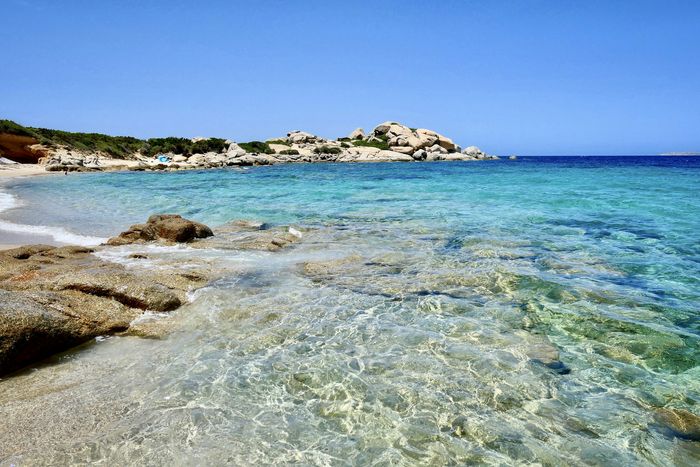
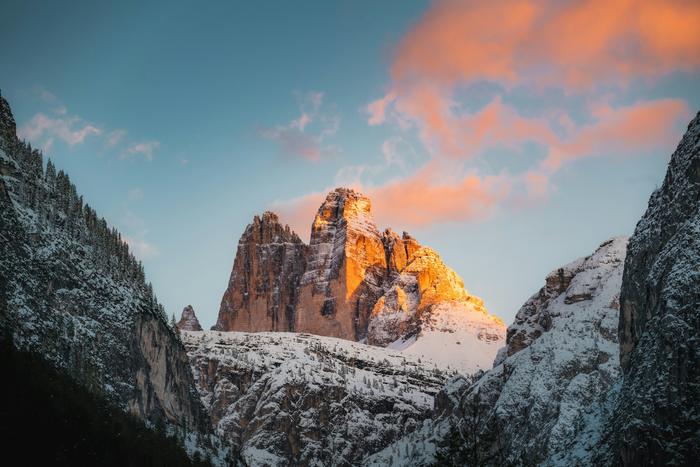
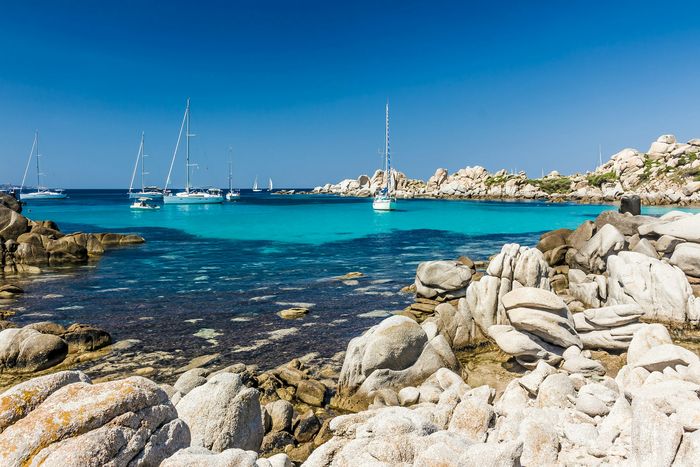
A mountain range in the sea — France’s wildest island, where the Alps meet Caribbean-clear water.

Best time to visit
  1. January: avoid
  2. February: avoid
  3. March: fine
  4. April: fine
  5. May: peak
  6. June: peak
  7. July: fine
  8. August: fine
  9. September: peak
  10. October: fine
  11. November: avoid
  12. December: avoid
Peak Fine Avoid
Eastern Europe

Croatia

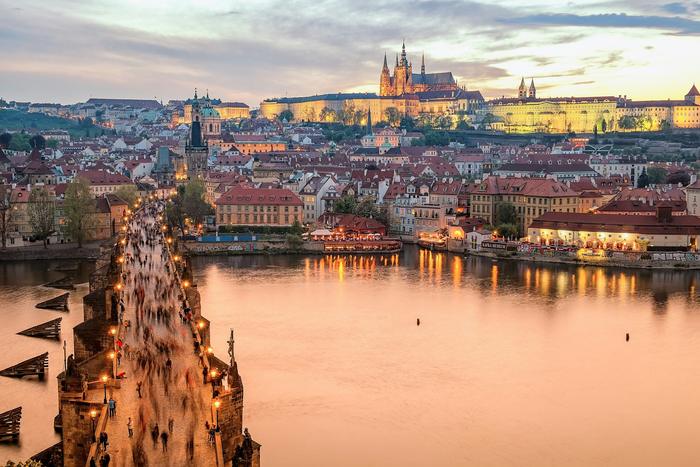
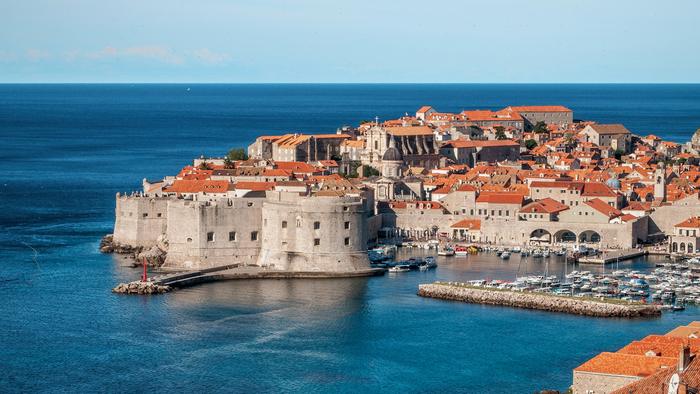
Dubrovnik, the Adriatic coast, ancient cities. Compact and beautiful.

Best time to visit
  1. January: avoid
  2. February: avoid
  3. March: fine
  4. April: fine
  5. May: peak
  6. June: peak
  7. July: fine
  8. August: avoid
  9. September: peak
  10. October: peak
  11. November: avoid
  12. December: avoid
Peak Fine Avoid

Read our full guides about Corsica and Croatia.

Side by side

Emphasised where they differ. Muted rows are much the same either way.

Corsica Croatia
Best time May, June, September May, June, September, October
Climate warm mild
Budget Pricier — French prices plus an island premium; a thin, camping-led budget tier Cheaper — a broader budget tier (apartments, sobe, hostels) stretches further
Trip length 1–2 wks 1–3 wks
Visa Schengen — visa-free for most Western passports (90 days). Schengen — visa-free for most Western passports (90 days).
Currency EUR (€) EUR (€)
Language French (and Corsican); English patchy outside main resorts. Croatian. English widely spoken in tourism.
Tap water Tap water safe and good. Tap water safe.
Safety Very safe; the hazards are the mountain roads and the sea, not crime. Very safe.

General guidance — visas, safety, and health change, so check your government's travel advisory and the official sources before you go.

The split

One wild island, or a coast and its islands

Both are summer Mediterranean trips — but one is vertical, the other horizontal.

Vertical vs horizontalthe shape of eachOne mountain island you drive, or a coast and archipelago you sail
Car vs ferryhow the trip actually worksIn Corsica the car is the trip; in Croatia the ferry timetable is
Both euro, both Schengena convergence, not a contrastCroatia joined both on 1 Jan 2023 — the kuna is gone

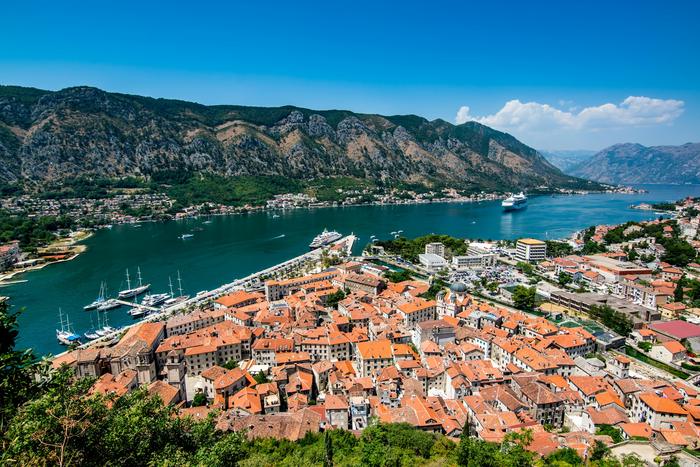
Corsica is one rugged, mountainous island, self-contained: the GR20 spine, French-Corsican food, fewer but wilder beaches reached by boot or boat, and a trip you make by car on slow hairpin roads. Croatia is a long coast plus a thousand-odd islands: Dalmatian walled towns, Roman and Venetian stone, and ferry-and-catamaran island-hopping from Split and Dubrovnik. Corsica is vertical and inward; Croatia is horizontal and dispersed.

The operational detail for each — Corsica’s GR20 season and ferry links, Croatia’s island timetables and Dubrovnik’s crowd rules — lives on the two guides: Corsica, know before you go and Croatia, know before you go. This page is the head-to-head.

Who suits which

Who each actually suits

They answer different holidays — so these rarely invert.

If you want…CorsicaCroatia
Serious hiking and wild high countryWins clearly. The GR20 and one big mountain islandGood coastal walks, but hiking is a side dish
Town-hopping and walled old citiesTowns are few — the land is the drawWins clearly. Dubrovnik, Split, Korčula
Easy island-hopping by boatBeaches by boat, but no hopping circuitWins. Ferries and catamarans between islands
A car-light tripThe car is essential hereWins. The coast works largely car-light
To stretch a budgetFrench prices, thin budget tierWins. A broader floor stretches further
Empty, wild beachesWins. Fewer but wilder, boot-or-boat covesLovely, but busier and more developed

Doing both

An either/or, not a loop

These bracket Italy and don’t touch — so pick one.

This is the rare pair you shouldn’t try to combine casually. Corsica sits off the French and Italian coast on the Tyrrhenian side; Croatia is across the Adriatic on the far side of Italy. They share no sea and there’s no direct ferry — connecting them means a flight with a stop (Bastia or Ajaccio to Split is roughly 4–5 hours via a hub) or a tedious multi-leg haul across Italy. They’re better understood as rivals for the same summer slot, which is exactly why comparing them is useful. If you genuinely want both, route it as two legs through Italy — Corsica with Tuscany, then across the Adriatic to Croatia — and remember both legs draw on the same Schengen 90/180 clock. Both reward June and September and punish August.

What we leave out

What we deliberately leave out

Exact prices beyond the structural comparison — both are eurozone islands where lodging and ferry rates move within a season, so the figures here are the shape of the gap, not a quote; the country guides carry the live detail. Two season-bound items in particular: the GR20’s snow-gated window and Croatia’s off-season ferry reductions both change year to year, so check those before locking a date around a trek or an island circuit.

Corsica or Croatia, month by month

Which of the two is the better bet for each month of the year, scored on how well the season suits each place.

Which to choose

Choose Corsica if:

  • You want one wild, mountainous island — the GR20, dramatic coves, French-Corsican food — and are happy to drive it.
  • Fewer-but-wilder beaches and empty high country appeal more than town-hopping.
  • You’d rather a self-contained trip you control by car than one timed to a ferry schedule.

Choose Croatia if:

  • You want a coast and an archipelago — Dalmatian walled towns, a thousand islands, ferry island-hopping.
  • Your budget stretches further here, with a broader range of apartments, rooms and hostels.
  • Roman and Venetian heritage — Dubrovnik’s walls, Split’s Diocletian’s Palace, Korčula — is the draw.

Common questions

Is Corsica or Croatia cheaper?
Croatia — moderately, not dramatically. Both are mid-to-upper Mediterranean rather than budget destinations, but Corsica carries French prices plus an island premium, and its budget tier is thin and camping-dependent with no real hostel culture. Croatia has the broader floor: apartments, private rooms (sobe) and more hostels stretch a budget further. Call it “Croatia stretches a budget further,” not “half the price.”
Do Corsica and Croatia use the euro?
Both do. Corsica is part of France, so euro and Schengen already; Croatia adopted the euro and joined Schengen on 1 January 2023 (the kuna is gone — ignore any guide that still quotes it). For a visitor the two are now border-regime-identical, and days in each count toward the same Schengen 90/180 allowance.
Do you need a car in Corsica and Croatia?
In Corsica, effectively yes — rail is a single scenic narrow-gauge line, buses are sparse and seasonal, and the mountain roads are slow and hairpin, so the car is the trip. In Croatia you can do a classic island-hopping holiday largely car-light, riding Jadrolinija and Krilo ferries and catamarans between the islands; a car helps for the mainland and interior but isn’t required for the coast.
Which has better hiking, Corsica or Croatia?
Corsica, decisively — the GR20 is routinely called Europe’s toughest marked long-distance trail, and the island is one big mountain rising from the sea. Croatia has good coastal and island walking and national parks (Paklenica, Plitvice), but hiking is a side dish there, not the main event. For serious trekking, Corsica.
Can you visit both Corsica and Croatia in one trip?
It’s awkward — they bracket Italy, share no sea and have no direct ferry, so connecting means a flight with a stop (Bastia or Ajaccio to Split, roughly 4–5 hours via a European hub) or a multi-leg overland-and-ferry slog across Italy. Treat them as an either/or for the same summer slot rather than a natural combined loop; if you insist on both, route it as two legs through Italy and mind the shared Schengen clock.
Still undecided

Take the quiz

Three matches. Often answers comparison questions for you.

Start the quiz