Corsica vs Mallorca

Two Western-Mediterranean islands that feel nothing alike. Corsica is wild and mountainous — Europe’s hardest long trek, no fast road anywhere, unbooked beaches and no real budget tier. Mallorca is compact, polished and superbly connected — turquoise coves and a UNESCO mountain range a short flight from everywhere, wrestling openly with its own popularity.

Southern Europe

Corsica

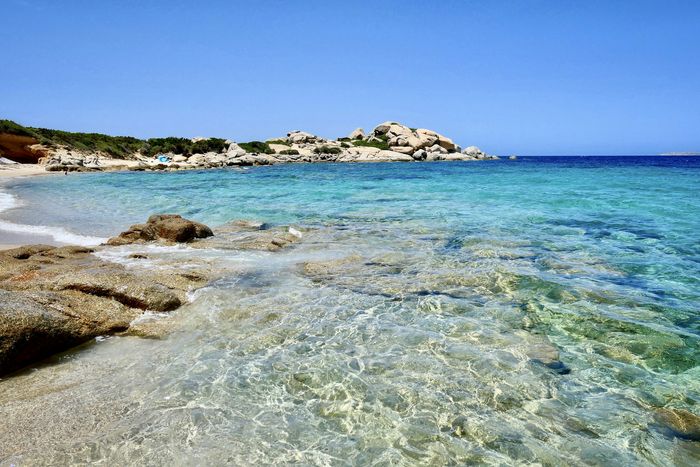
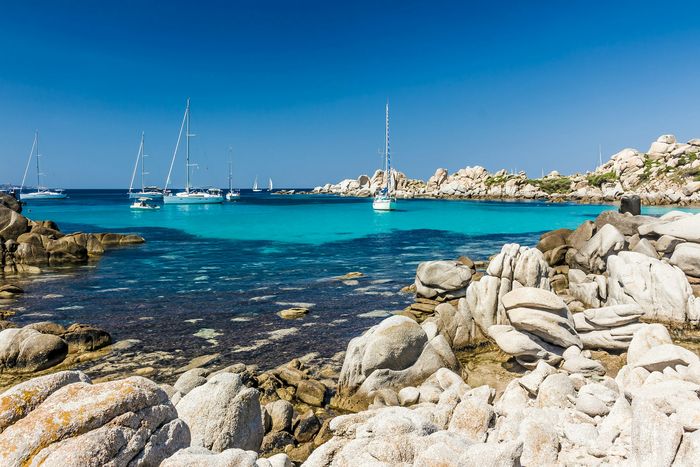
A mountain range in the sea — France’s wildest island, where the Alps meet Caribbean-clear water.

Best time to visit
  1. January: avoid
  2. February: avoid
  3. March: fine
  4. April: fine
  5. May: peak
  6. June: peak
  7. July: fine
  8. August: fine
  9. September: peak
  10. October: fine
  11. November: avoid
  12. December: avoid
Peak Fine Avoid
Southern Europe

Mallorca

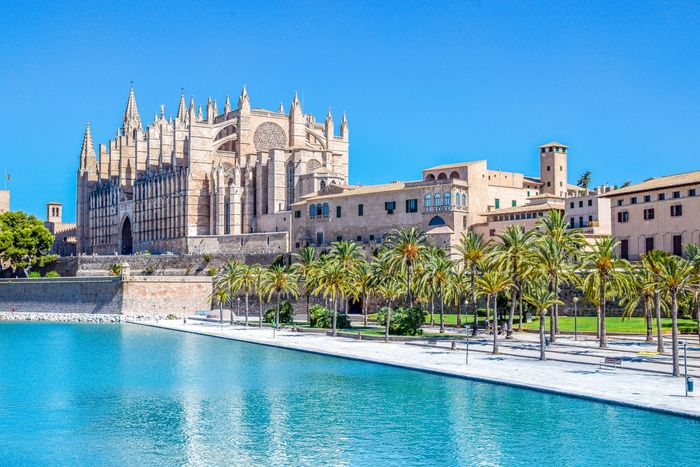
Far more than package beaches — turquoise coves, a UNESCO mountain range, and one of the Med’s best cities.

Best time to visit
  1. January: avoid
  2. February: fine
  3. March: fine
  4. April: peak
  5. May: peak
  6. June: peak
  7. July: fine
  8. August: fine
  9. September: peak
  10. October: peak
  11. November: fine
  12. December: avoid
Peak Fine Avoid

Read our full guides about Corsica and Mallorca.

Side by side

Emphasised where they differ. Muted rows are much the same either way.

Corsica Mallorca
Best time May, June, September April–June, September, October
Climate warm warm
Budget Mid-range up — no true budget tier, and the coast peaks hard in summer Pricier than most of the Med — though inland and the shoulder cut it
Trip length 1–2 wks 1–1 wks
Visa Schengen — visa-free for most Western passports (90 days). Schengen — visa-free for most Western passports (90 days).
Currency EUR (€) EUR (€)
Language French (and Corsican); English patchy outside main resorts. Spanish and Catalan (Mallorquí); English widely spoken.
Tap water Tap water safe and good. Tap water safe.
Safety Very safe; the hazards are the mountain roads and the sea, not crime. Very safe; watch for pickpockets in busy tourist spots in Palma.

General guidance — visas, safety, and health change, so check your government's travel advisory and the official sources before you go.

The split

Wild and mountainous, or polished and connected

Both are Western-Med islands — but one is rugged and hard to cross, the other compact and superbly linked.

Wild vs polishedthe character of eachRugged mountain island, or a smooth resort one
Car vs car-freehow you get aroundNo fast road on Corsica; Palma works without a car
Seasonal vs year-roundhow easy to reachCorsica’s flights are summer-only; Mallorca always on

Corsica is the wild one: a mountainous island with the GR20 across its spine, no fast road anywhere, no railway south of Ajaccio, and mostly seasonal international flights — but also uncapped, unbooked beaches and dramatic landscape few Med islands match. Mallorca is the polished one: compact, with one of Europe’s busiest airports, turquoise calas, a UNESCO mountain range and a real city in Palma, all low-friction and year-round — at the cost of crowds, higher prices and an open argument with overtourism.

The operational detail for each — Corsica’s seasonal flights and GR20 booking, Mallorca’s ecotax and Formentor shuttle — lives on the two guides: Corsica, know before you go and Mallorca, know before you go. This page is the head-to-head.

Effort vs ease

One you work for; one you don’t

The gap isn’t scenery — it’s how hard you have to work for the island.

Corsica asks for effort and repays it. You sort seasonal flights first, drive slow mountain roads where distances mislead — 130 km from Ajaccio to Bonifacio is a two-to-three-hour drive — and you reach the wild beaches down rough tracks or by boat. In return you get Europe’s great trek, high passes and coves without caps or crowds in the way they are elsewhere. Mallorca asks for almost nothing. Cheap flights land all year, Palma works car-free, and the island is small enough to base once and day-trip — the friction is the congestion and parking at the famous calas and on the Sa Calobra and Formentor roads, plus the summer heat and prices.

So the trade is ruggedness against convenience. Corsica is the island for people who want mountains, wildness and don’t mind the drive; Mallorca is for people who want turquoise water and a real city with minimal planning.

Who suits which

Who each actually suits

These rarely invert — one’s built for wildness, the other for ease.

If you want…CorsicaMallorca
Serious mountains and hikingWins clearly. The GR20 and a high interiorThe Tramuntana — real, but gentler
A short, easy, well-connected tripSeasonal flights, slow roadsWins clearly. Busy airport, compact island
Wild, uncapped beachesWins. No caps or fees, but you work to reach themStunning but tiny, crowded calas
A car-free, low-effort holidayYou genuinely need a carWins. Palma works without one
A real city as well as coastAjaccio and Bastia are modestWins. Palma is a genuine city
Fewer crowds and less polishWins. Wilder and quieterBusy, polished, wrestling with overtourism

Doing both

Two trips, not one

Opposite corners of the Western Med — and Corsica already has a closer partner.

Corsica and Mallorca sit at opposite ends of the Western Mediterranean with no easy direct hop, and each fills its own holiday, so pairing them is a long connection for two trips that don’t complement each other. Corsica’s natural partner is Sardinia, 50 minutes away by ferry — see Corsica vs Sardinia. Pick Corsica or Mallorca on its own terms: a rugged, mountainous island, or a polished, connected one.

What we leave out

What we deliberately leave out

Exact prices beyond the structural comparison — flights, lodging and car hire move within a season, so the figures here are the shape of the difference, not a quote; the country guides carry the live detail. Two things change year to year in particular: Corsica’s seasonal flight windows and GR20 season, and Mallorca’s tourist-tax rates and summer traffic measures. Check both before you travel.

Corsica or Mallorca, month by month

Which of the two is the better bet for each month of the year, scored on how well the season suits each place.

Which to choose

Choose Corsica if:

  • You want mountains with the coast — the GR20, high passes, wild coves you don’t have to book.
  • A rugged, less-polished island is the appeal, and you’ll drive slow roads to reach it.
  • You’re after hiking and dramatic landscape as much as beach days.

Choose Mallorca if:

  • You want turquoise coves and a short, easy flight — Mallorca is compact and superbly connected.
  • A polished, low-friction island with a real city (Palma) suits you better than a rugged one.
  • You want the option of a car-free, city-based trip, not a mandatory hire car.

Common questions

Is Corsica or Mallorca easier to get to and get around?
Mallorca, on both counts. Its airport is one of Europe’s busiest and connects everywhere cheaply year-round, and while a car helps for the calas, Palma itself works car-free. Corsica is harder: most international flights are seasonal (roughly late June to mid-September, otherwise you connect through mainland France), there’s no fast road on the island — nothing averages better than about 62 km/h — and no railway south of Ajaccio, so you drive slow mountain roads.
Is Corsica or Mallorca cheaper?
Neither is a bargain, and they’re close. Corsica has no true budget tier of the kind you find elsewhere — mid-range up, peaking hard on the coast in July–August. Mallorca is pricier than most of the Med thanks to northern-European and luxury demand, but a genuine budget tier survives inland and in the shoulder season. Mallorca has the cheaper floor if you avoid the resort coast in peak; Corsica rarely gets cheap at all.
Which has better beaches, Corsica or Mallorca?
Both are excellent and different. Corsica’s south-east — Palombaggia, Santa Giulia, Rondinara — is white sand and turquoise, uncapped and unbooked, but reached by slow roads and filling car parks. Mallorca’s signature is the tiny turquoise calas, stunning but minute and crowded, with parking the constant battle. Corsica for wilder, bigger beaches you work to reach; Mallorca for postcard coves close to everything.
Is Corsica or Mallorca better for hiking?
Corsica, decisively — it holds the GR20, widely rated the hardest and finest long-distance trek in Europe, plus a mountainous interior that’s a core reason to go. Mallorca has real walking too, on the UNESCO Serra de Tramuntana and its GR221 dry-stone route, but it’s a gentler proposition. For serious mountains, Corsica.
Should I do both Corsica and Mallorca in one trip?
Rarely worth it — they sit at opposite corners of the Western Med with no easy direct hop, and each fills its own holiday. Corsica’s natural pairing is Sardinia, 50 minutes away by ferry. Treat Corsica and Mallorca as separate decisions: a rugged, mountainous island, or a polished, connected one.
Still undecided

Take the quiz

Three matches. Often answers comparison questions for you.

Start the quiz