Corsica vs Sicily

Two big Mediterranean islands, one French and one Italian, each wild in its own way. Corsica is the rugged French one — soaring mountains that plunge to the sea, the famous GR20 trek, hidden coves and hilltop villages, dramatic and outdoorsy. Sicily is the historic Italian one — Greek temples and Baroque towns, Mount Etna, an extraordinary food scene and layers of civilisations. One is mountains-meet-beaches adventure; the other history-food-and-volcano.

Southern Europe

Corsica

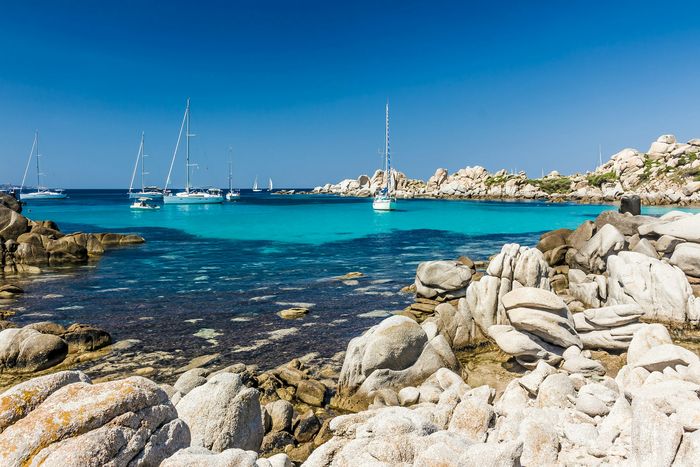
A mountain range in the sea — France’s wildest island, where the Alps meet Caribbean-clear water.

Best time to visit
  1. January: avoid
  2. February: avoid
  3. March: fine
  4. April: fine
  5. May: peak
  6. June: peak
  7. July: fine
  8. August: fine
  9. September: peak
  10. October: fine
  11. November: avoid
  12. December: avoid
Peak Fine Avoid
Southern Europe

Sicily

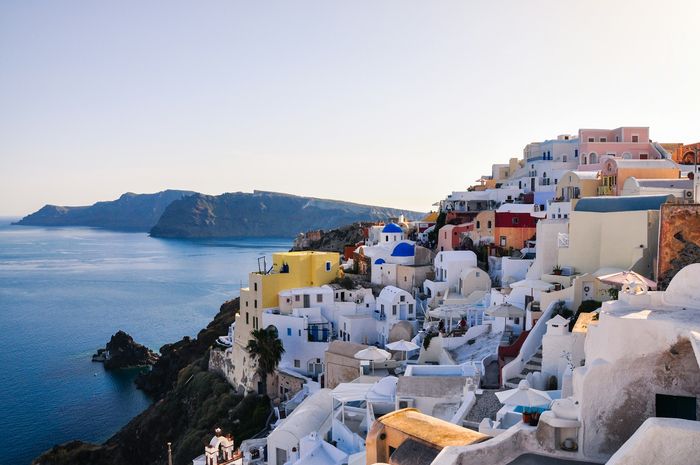
Italy at its most layered and intense — Greek temples, Baroque towns, street food, and a live volcano.

Best time to visit
  1. January: fine
  2. February: fine
  3. March: fine
  4. April: peak
  5. May: peak
  6. June: peak
  7. July: fine
  8. August: fine
  9. September: peak
  10. October: peak
  11. November: fine
  12. December: fine
Peak Fine Avoid

Read our full guides about Corsica and Sicily.

Side by side

Emphasised where they differ. Muted rows are much the same either way.

Corsica Sicily
Best time May, June, September April–June, September, October
Climate warm warm
Budget Moderate to pricey — a French island; peak summer costs most Good value for Italy — cheaper than the mainland tourist cities
Trip length 1–2 wks 1–2 wks
Visa Schengen — visa-free for most Western passports (90 days). Schengen — visa-free for most Western passports (90 days).
Currency EUR (€) EUR (€)
Language French (and Corsican); English patchy outside main resorts. Italian; English patchy outside tourist areas.
Tap water Tap water safe and good. Tap water safe and good.
Safety Very safe; the hazards are the mountain roads and the sea, not crime. Generally safe, but Palermo and Catania have real petty theft — watch bags and cars.

General guidance — visas, safety, and health change, so check your government's travel advisory and the official sources before you go.

The split

Rugged French island, or historic Italian one

Two big Mediterranean islands — one is rugged French mountains-meet-beaches, the other historic Italian temples-food-and-Etna.

Mountains vs historythe drawAlpine peaks and the GR20, or temples, towns and a volcano
French vs Italianthe flavourA wild, outdoorsy French island, or layered-civilisations Italy
Adventure vs culturethe tripHiking and coves, or history-and-food

Corsica is the rugged French one — soaring mountains that plunge to the sea, the famous GR20 trek, hidden coves and hilltop villages, dramatic and outdoorsy. Sicily is the historic Italian one: Greek temples and Baroque towns, Mount Etna, an extraordinary food scene and layers of civilisations.

The operational detail — car-hire, ferries and seasons on each (Corsica’s ferry timetables being the more seasonal piece) — lives on the two guides: Corsica, know before you go and Sicily, know before you go. This page is the head-to-head.

The real difference

Mountains-and-coves, or history-and-food

The trade: Corsica offers dramatic mountains, coves and hiking; Sicily offers layered history, great food and a volcano.

Corsica wins on scenery and the outdoors. Its alpine interior plunging to turquoise coves, and the GR20, make it a wild, outdoorsy island with some of the Mediterranean’s most dramatic coast-and-mountain scenery.

Sicily wins on history, food and variety. The Greek temples, Baroque towns and Etna, plus one of Italy’s great cuisines, give it more cultural intensity. Choose Corsican mountains-and-coves, or Sicilian history-and-food.

Who suits which

Who each actually suits

Both are big Mediterranean islands — but one leans rugged outdoors, the other history and food.

If you want…CorsicaSicily
Dramatic mountains and hikingWins. The GR20 and peaksEtna, but history-led
Layered history and templesDistinct culture, lighterWins. Greek-Roman-Baroque
A great food-and-wine sceneGood Corsican foodWins. A destination cuisine
Hidden mountain-backed covesWins. Turquoise and wildLovely beaches too
A live volcanoMountains, not volcanoesWins. Mount Etna
ValueA pricier French islandWins. Cheaper than mainland Italy

Doing both

Different countries — pick one

Not close; usually separate island trips.

Corsica (France) and Sicily (Italy) are in different countries and not close, so they’re separate trips — you’d fly or take long ferries between them, and most people choose one. Each compares more naturally with its neighbours (see Corsica vs Sardinia, Corsica vs Mallorca, Greece vs Sicily and Sardinia vs Sicily).

What we leave out

What we deliberately leave out

Exact prices beyond the structural comparison — Corsica’s French-island costs and Sicily’s good value both move with season — so the figures here are the shape of the difference, not a quote; the country guides carry the live detail. The shared entry mechanics (both Schengen and eurozone) and each island’s car-and-ferry logistics are covered on the guides rather than restated here.

Corsica or Sicily, month by month

Which of the two is the better bet for each month of the year, scored on how well the season suits each place.

Which to choose

Choose Corsica if:

  • Dramatic mountains-meet-sea scenery and hiking are the draw.
  • You want wild coves, peaks and the GR20 over big history.
  • An outdoorsy French island over a history-and-food one.

Choose Sicily if:

  • Greek temples, Baroque towns, Etna and the food top the list.
  • You want layered history and one of Italy’s great cuisines.
  • Culture and a volcano over mountain-and-beach adventure.

Common questions

Is Corsica or Sicily better for scenery and the outdoors?
Corsica, for raw mountain-and-sea drama — its interior is genuinely alpine, soaring straight from turquoise coves, and it has the famous GR20, one of Europe’s toughest and most spectacular treks. Sicily has fine landscapes too (and Etna), but it’s a history-and-food island first. For hiking and dramatic coast-and-mountains, Corsica; for culture with a volcano, Sicily.
Which has the better history and food?
Sicily, clearly — an extraordinary layering of civilisations (Greek temples, Roman mosaics, Norman cathedrals, Baroque towns) and one of Italy’s great cuisines (arancini, pasta alla Norma, cannoli, Etna wines). Corsica has its own distinct French-Italian culture and good food (charcuterie, chestnut dishes, local wine), but history and cuisine are Sicily’s strong suit. For both, Sicily.
Which has the better beaches?
Both are excellent. Corsica has stunning, often hidden coves and turquoise water backed by mountains (Palombaggia, the Lavezzi islands). Sicily has lovely beaches too (San Vito lo Capo, the southeast) among its cities and sights. For dramatic mountain-backed coves, Corsica; for beaches within a richer mix, Sicily.
Do the entry and money rules differ?
No — they’re the same. Both are islands of EU countries in the Schengen area and the eurozone (Corsica is French, Sicily Italian), so the same 90-in-180 visa-free allowance applies, the EU’s biometric EES is in operation, ETIAS is expected in 2027, and you pay in euros on both. A hire car is the way to explore either. The guides carry the detail: Corsica and Sicily.
Can I combine them?
They’re in different countries and not close, so they’re separate trips — you’d fly (or take long ferries) between them, and most people choose one. The decision is Corsican mountains-and-coves versus Sicilian history-and-food. Each compares more naturally with its neighbours (see Corsica vs Sardinia, Corsica vs Mallorca, Greece vs Sicily and Sardinia vs Sicily).

Still undecided

Take the quiz

Three matches. Often answers comparison questions for you.

Start the quiz