Uruguay
The calm, safe, well-off corner of South America — beef, wine, and empty Atlantic beaches.
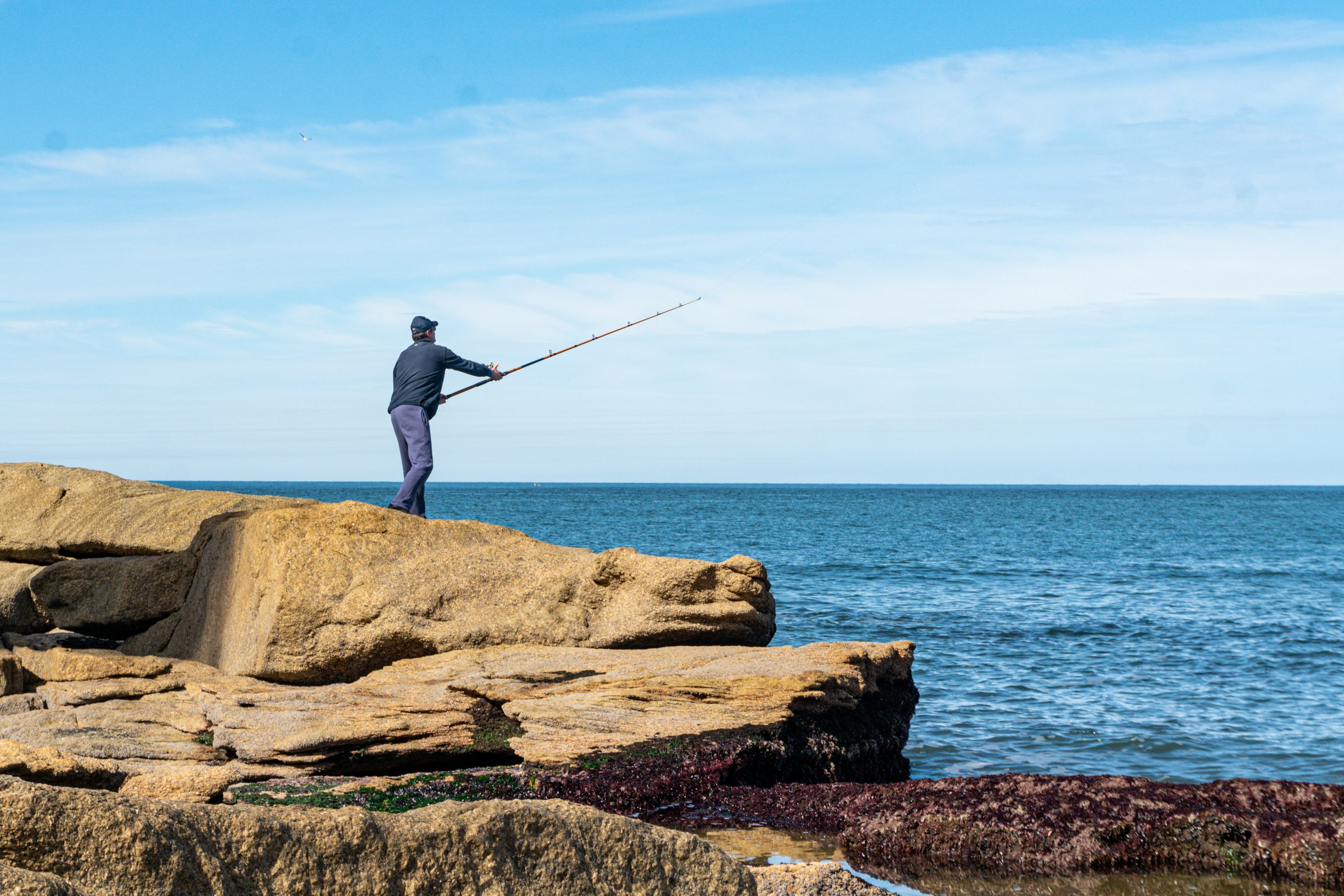
Uruguay is the quiet one next door. A small, flat, temperate coast where the pace is slow and the priorities are simple: grill the beef over wood, pour the tannat, walk the beach. It has none of the drama of its neighbours and doesn't pretend to — this is a place you come to unwind, not to tick off sights. Most people fold it into a Buenos Aires trip, a short ferry across the river.
The pleasure here is texture, not spectacle. Montevideo is an easygoing capital built around the rambla, a waterfront promenade that runs for kilometres, and the Mercado del Puerto, where the grills smoke all afternoon. East along the coast the beaches empty out — chic little José Ignacio, glossy Punta del Este, off-grid Cabo Polonio in the dunes. Across the river sits Colonia del Sacramento, a cobbled colonial town you can walk end to end. Inland, Carmelo pours tannat. It pairs naturally with Buenos Aires, an hour or so away by ferry.
The honest part: it's expensive for the region — genuinely pricey by South American standards — and it's sleepy in a way that can tip into dull. The beaches only really wake up December to February, and even then Punta del Este gets crowded and steep in high season. There are no big-ticket sights, no must-sees, nothing to build a trip around. What you get instead is the trade-off: safety, calm, and quality of life. It's the unhurried, polished counterpoint to its louder neighbours, and that's the whole point.
Highlights
-
Punta del Este
The glamorous summer beach resort, home to "La Mano" — the giant hand sculpture rising from the sand.
-
José Ignacio
A chic, low-key beach village down the coast — the quieter, cooler alternative to Punta.
-
Colonia del Sacramento
A cobbled UNESCO colonial town on the river, an easy ferry from Buenos Aires.
-
Montevideo
The rambla waterfront and the smoking grills of the Mercado del Puerto.
-
Cabo Polonio
Off-grid dunes with a sea lion colony and no electricity — reached on foot or by 4x4.
-
Carmelo
Uruguay's wine country, where the tannat comes from.
Practical info
- Visa
- Visa-free for most Western passports (90 days). Verify before travel.
- Currency
- UYU (Uruguayan Peso); USD widely accepted in Punta del Este.
- Language
- Spanish; English is limited.
- Safety
- One of the safest countries in the Americas; normal city caution in Montevideo.
- Getting around
- Good buses between towns; a car helps for exploring the coast.
- Tap water
- Tap water safe to drink.
- Plug type
- Type C Type F Type L 220V
- Money
- Cards widely accepted.
General guidance — visas, safety, and health change, so check your government's travel advisory and the official sources before you go.
Common questions
- When is the best time to visit Uruguay?
- Uruguay is at its best in December–March. It's best to avoid June, July.
- How many days do you need in Uruguay?
- Most trips run about 1 week, depending on how much ground you want to cover.
- Is Uruguay expensive?
- Plan for budget – mid-range daily spend, depending on how you travel.
- Is Uruguay safe for travelers?
- One of the safest countries in the Americas; normal city caution in Montevideo.
- Do you need a visa for Uruguay?
- Visa-free for most Western passports (90 days). Verify before travel.
Compare Uruguay with
If you like Uruguay, also consider
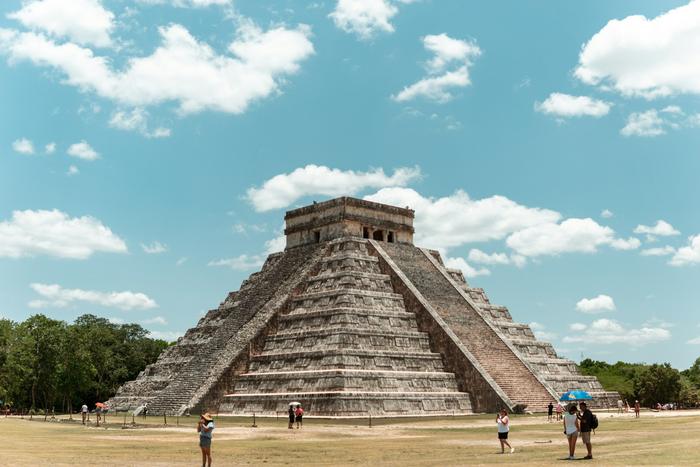
Mexico
Mexico City is world-class. Add the coast, ruins, and food culture.
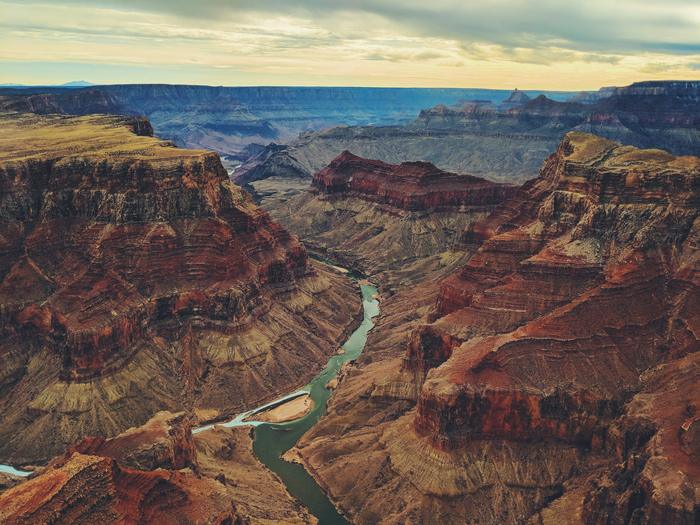
United States
A continent pretending to be a country — cities, deserts, and the best national parks anywhere.
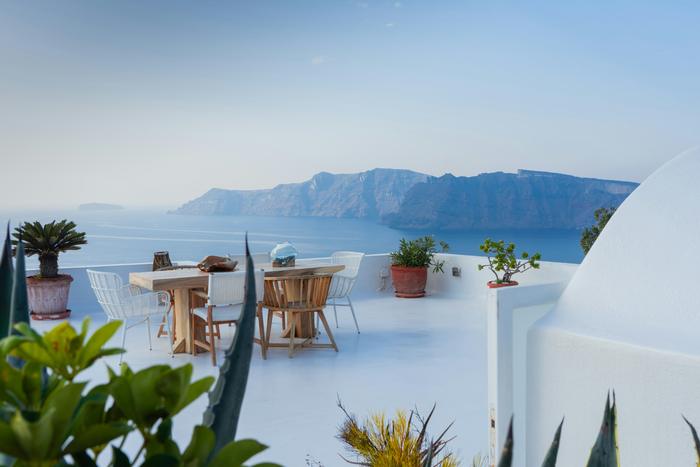
Greece
Ruins in the morning, a swim by noon, taverna until dark.
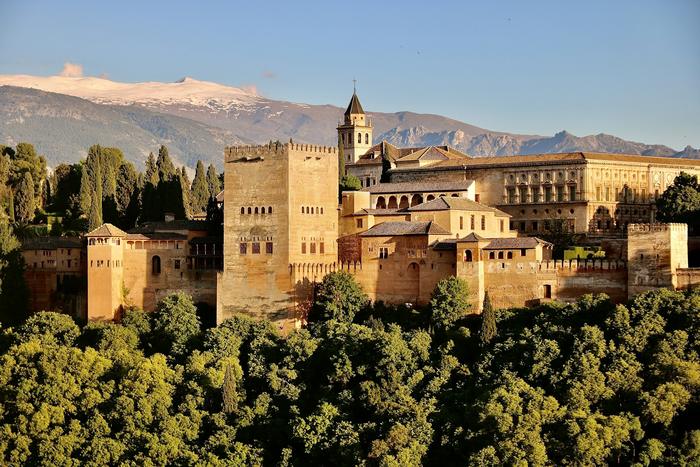
Spain
Food, beaches, and three or four cities that each justify the trip.
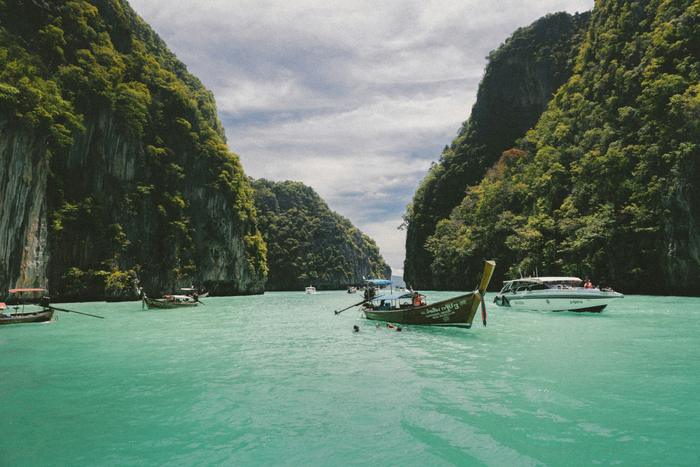
Thailand
The complete package for warm-climate travel.
Not sure where to go
Take the 5-minute quiz
Answer a few honest questions and get matched to destinations that actually fit how you travel.
Start the quiz