Ecuador
Andes, Amazon, Galápagos, and colonial Quito — packed into a small country.
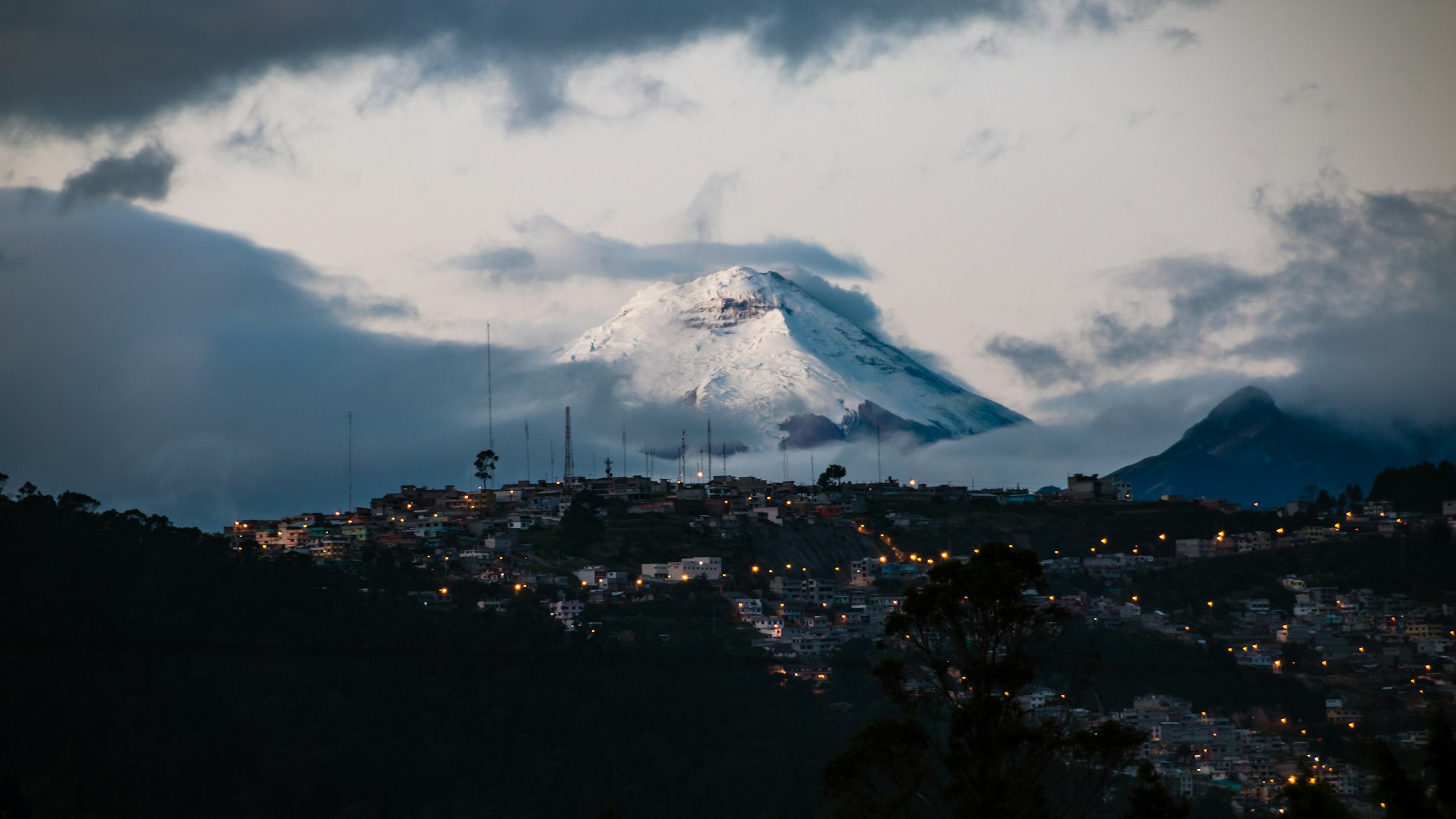
Ecuador's pitch is range over a short drive. The Andes run down the middle, with Quito's well-preserved colonial center, volcano country around Cotopaxi, and the market town of Otavalo within a few hours. Drop east and you're in the Amazon basin; fly west and you reach the Galápagos. Few countries fit this much variety into so little ground.
A typical loop bases in Quito for the old town and acclimatization, then runs the Avenue of the Volcanoes — Cotopaxi, Quilotoa's crater lake, the hot springs and adventure base of Baños — before deciding between an Amazon lodge or the long splurge to the Galápagos. Buses are cheap and frequent on the mainland, food and lodging cost little, and the country is compact enough that you cover a lot without long-haul travel. The Galápagos is the one line item that breaks the budget.
The honest part: sitting on the equator, Ecuador doesn't do four seasons — it does a wetter stretch and a drier one, and the highlands can deliver sun, cloud, and cold rain in a single afternoon regardless of month, so pack for all of it. English is limited and a little Spanish goes a long way. Quito and Guayaquil need normal city caution after dark, and the altitude — Quito sits near 2,850 meters — will slow you the first day or two. But the payoff is rare: snow-capped volcanoes, rainforest, and one of the world's great wildlife archipelagos, all reachable from one airport.
Highlights
-
Quito
One of the best-preserved colonial centers in the Americas. Acclimatize here.
-
Galápagos
The splurge — wildlife with no fear of people. Cruise or island-based, both work.
-
Cotopaxi & the Avenue of the Volcanoes
Andean peaks, paramo, and the Quilotoa crater lake.
-
Baños
Adventure hub on the Amazon edge — waterfalls, rafting, hot springs.
-
Amazon (Yasuni or Cuyabeno)
Jungle lodge reached by river — caiman, monkeys, and birdlife.
Practical info
- Visa
- Visa-free for most Western passports (90 days). Verify before travel.
- Currency
- USD (US dollar).
- Language
- Spanish. Limited English.
- Safety
- Use normal city caution in Quito and Guayaquil; the highlands and Galápagos are calmer. Altitude is a real factor.
- Getting around
- Cheap, frequent buses on the mainland; domestic flights to the Galápagos and the Amazon.
- Tap water
- Tap water not reliably safe; drink filtered or bottled.
- Plug type
- Type A Type B 120V
- Money
- Dollarized, so no exchange hassle; carry small cash, cards mostly in cities.
General guidance — visas, safety, and health change, so check your government's travel advisory and the official sources before you go.
Common questions
- When is the best time to visit Ecuador?
- There’s no single answer — Ecuador is four worlds at once. The Andean highlands (Quito, Cotopaxi, Cuenca) are clearest and best for hiking June–September. The Amazon is hot and humid year-round. The Pacific coast is sunniest and warmest December–May. And the Galápagos has its own two seasons (see below). Pick your months by the region you’re centring the trip on.
- How much is the Galápagos park fee now?
- Foreign adults pay a USD 200 national-park entrance fee (USD 100 for under-12s) — it doubled from USD 100 on 1 August 2024, after 26 years unchanged — plus a separate USD 20 Transit Control Card. The park fee is paid in cash on arrival at the island airport, so bring it; the control card (INGALA) is bought at the Quito or Guayaquil airport counter before you check in.
- What’s the difference between the two Galápagos seasons?
- The warm/wet season (December–May) brings sunnier skies, warm calm seas and the best snorkelling visibility, plus sea-lion pups. The dry “garúa” season (June–November) is cooler and overcast with choppier seas, but the cold, nutrient-rich currents bring peak marine life — whale sharks off the northern islands, migrating whales and intense seabird activity. Choose by whether you prioritise comfort and calm water or wildlife density.
- Do you need a cruise to see the Galápagos?
- No. A liveaboard cruise reaches the most remote islands and gives the widest wildlife coverage, but it’s pricier and means seasickness risk on smaller boats. Land-based island-hopping — hotels on Santa Cruz, San Cristóbal and Isabela with day boat tours — is cheaper and more flexible, though some remote sites stay off-limits. It’s a budget-versus-breadth choice.
- Is Ecuador safe to visit right now?
- It depends sharply on where. Narco-gang violence pushed coastal and port areas into the highest advisory tiers — parts of Guayaquil, Esmeraldas and several coastal provinces — and a rolling state of emergency with curfews was in force through 2026. But the mainstream circuit — Quito, Cotopaxi, Baños, Cuenca and the Galápagos — sits outside the top warnings. This is the one thing to re-check against your own government’s current advisory before booking, because it moves.
- What currency does Ecuador use?
- The US dollar — Ecuador has been officially dollarised since 2000, so dollar-holders need no exchange. Cards work in cities and larger venues, but carry cash for remote Amazon and highland areas and for the cash-only Galápagos airport fees.
When to go
Four worlds, four calendars
Ecuador packs Andes, Amazon, coast and Galápagos into one small country — and none of them shares a season.
The coast and the warm Galápagos season straddle New Year, so their bars (shown Jan–May) actually run Dec–May. The crimson bar catches people out: the Galápagos "garúa" season looks worse on paper — cooler, misty, choppier seas — but the cold currents make it the peak for whale sharks and big marine life. Highlands and islands pull in opposite directions, so you choose a region first and let it pick your months.
The highlands (Quito, the Avenue of the Volcanoes, Cuenca) are driest and clearest June–September, best for hiking and volcano views; the wetter months still see clear mornings with predictable afternoon showers. The Amazon is hot and humid all year. The Pacific coast flips the usual logic: December–May is the hot, sunny beach season, while June–November turns grey and cool — but that cooler stretch is when humpback whales pass Puerto López. The Galápagos runs on its own two seasons entirely (see below).
- you want to hike the volcanoesSkipthe wet Oct–May highland months for summit attemptsGoJune–September, when the Andes are clearest and driest
- you’re chasing Galápagos marine lifeSkipassuming the sunny Dec–May season is "best" for everythingGoJune–November garúa season — choppier, but whale sharks and whales
- you want beaches and whales bothSkiptrying to pair the coast’s hot season with whale seasonGoJune–September: cooler coast, but humpbacks off Puerto López
Getting in
Dollars in your pocket, 90 days on the stamp
Entry is easy and the money is familiar — the thing to actually plan is the Amazon jab.
Most Western visitors get 90 days visa-free, and because Ecuador is dollarised there’s nothing to exchange — you arrive already holding the currency. A yellow-fever certificate is not required for entry, but vaccination is recommended if you’re heading into the Amazon (the eastern lowland provinces), so sort that well before you fly. Bring cash: it’s essential for remote highland and jungle areas and for the cash-only Galápagos park fee.
The Galápagos
Two seasons, two big fees
The islands run on their own weather and their own paperwork — and they cost more than everything else combined.
The Galápagos has its own two seasons: the warm, wet months (December–May) with calm seas and the best snorkelling, and the dry “garúa” season (June–November) — cooler, mistier, choppier, but the peak for whale sharks, whales and seabirds. On top of the airfare you pay two charges: the USD 200 national-park fee (USD 100 under-12, doubled in August 2024, cash on arrival) and the USD 20 Transit Control Card, bought at the mainland airport before you check in.
| Season | Weather & sea | What it’s best for |
|---|---|---|
| Warm / wet (Dec–May) | Sunnier, warmer, calmer seas | Snorkelling clarity, sea-lion pups, comfort |
| Dry “garúa” (Jun–Nov) | Cooler, misty, choppier seas | Peak marine life — whale sharks, whales, seabirds |
Both fees are on top of the airfare, and all flights leave only from Quito or Guayaquil. Cruise operators usually require you to book the island flights through them to match the itinerary, so settle the cruise-versus-land-based question first.
Budget the Galápagos as airfare plus two compulsory fees that tours and flights don’t include: the US$200 national-park entry fee (doubled in 2024), paid on arrival at the islands, and the separate transit-control card bought before you fly out from Quito or Guayaquil. Both are paid in cash — and since Ecuador is dollarised you already hold the currency, so carry enough US dollars to cover them rather than relying on an ATM once you land on the islands.
Getting around
Buses below, flights to the islands
The mainland runs on a cheap, extensive bus network; the Galápagos is reached only by air.
Overland, Ecuador’s long-distance buses are the cheap, comprehensive backbone, with Quito and Guayaquil an hour apart by air. The Galápagos is reached only by flights from those two cities to Baltra (for Santa Cruz, via a bus-and-water-taxi hop across the Itabaca Channel) or San Cristóbal — and once there you’re either on a cruise or island-hopping by passenger speedboat and small plane between Santa Cruz, San Cristóbal and Isabela.
| Route | How | Note |
|---|---|---|
| Quito – Guayaquil | Flight ~1h, or long-distance bus | The two main airports and gateways |
| Quito/Guayaquil – Galápagos | Flight to Baltra or San Cristóbal | Baltra serves Santa Cruz via a channel crossing |
| Across the mainland | Cheap, comprehensive long-distance buses | The backbone; slow but everywhere |
| Between Galápagos islands | Public speedboat ~2–2½h, or small plane | Santa Cruz is the hub for island-hopping |
Quito (the high-altitude capital, gateway to the Andes and Amazon) and Guayaquil (the warmer coastal hub) are the two main airports. Security concerns cluster around Guayaquil and the coast, so check current advisories when routing through. Checked October 2026.
Where to go
Colonial cities, volcanoes, rainforest, wildlife
The classic circuit is highlands-plus-islands — the Amazon and coast are add-ons by temperament.
0° 0′ 0″ the equator — Mitad del Mundo, outside Quito
Quito’s old town was inscribed in 1978 among the very first UNESCO World Heritage Sites — the first capital city listed, and the best-preserved colonial centre in the Americas — and it’s the base for the Avenue of the Volcanoes (Cotopaxi, reopened to climbers in 2024 after its 2022–23 eruptive spell; the Quilotoa crater lake) and the adventure-and-hot-springs town of Baños. Cuenca is the refined, UNESCO-listed (1999) southern city.
The Amazon splits between biodiverse Yasuní and the canoe-and-flooded-forest Cuyabeno reserve, both reached via community and jungle lodges; the coast around Montañita is the surf-and-nightlife strip, with Puerto López the base for whales and Isla de la Plata (the budget "other Galápagos"). And the Galápagos is the headline: giant tortoises, marine iguanas, blue-footed boobies and snorkelling with turtles and sea lions.
Food & drink
Ceviche, roast pork, and world-class cacao
Coastal seafood, hearty highland plates — and a chocolate pedigree most people don’t know Ecuador has.
Fino de aroma Ecuador’s prized fine-flavour cacao
On the coast it’s seafood: tangy ceviche (often shrimp, served with plantain chips or popcorn) and encebollado, the onion-dressed fish soup that doubles as the national hangover cure. The highlands turn hearty — hornado (market roast pork) with llapingachos (cheesy potato cakes), locro de papa, and the traditional cuy (roast guinea pig). And the quiet star is cacao: Ecuador grows some of the world’s finest aromatic beans, so seek out single-origin chocolate.
| Dish | What it is | Where / note |
|---|---|---|
| Ceviche | Citrus-marinated shrimp or fish, tomatoey | Coastal; served with chifles or popcorn |
| Encebollado | Fish soup with yuca and pickled onion | A national dish and famous hangover cure |
| Hornado | Whole roast pork from the market grill | Highland staple, with llapingachos and mote |
| Llapingachos | Griddled cheese-stuffed potato patties | With peanut sauce, egg, chorizo |
| Cuy | Roast guinea pig | The traditional Andean-highland delicacy |
| Locro de papa | Thick potato-and-cheese soup with avocado | The comforting highland warmer |
Coastal cooking leans on seafood and plantain; the highlands on pork, potato and corn. And don’t miss the cacao — Ecuador is a renowned source of fine "fino de aroma" chocolate.
Safety
Check the advisories before you book
Ecuador’s security deteriorated sharply from 2023 — and it’s geographically concentrated, which matters for routing.
Narco-gang violence has pushed coastal and port cities and the northern border into the highest travel-advisory tiers — parts of Guayaquil (notably south of Portete de Tarqui Avenue), Esmeraldas and several coastal provinces, and the 20 km zone along the Colombian border — and a rolling state of emergency with overnight curfews was in force through 2026, which can disrupt roads and airport access on short notice. The mainstream tourist circuit — Quito, Cotopaxi, Baños, Cuenca and the Galápagos — sits outside the top warnings, but this is the one thing to re-check against your own government’s current advisory before you book, because it moves.
As of late 2026 the US rated Ecuador Level 2 overall, with Level 3–4 pockets on the coast and border; the UK FCDO advised against all-but-essential travel to the named coastal provinces and the Colombian border zone. Both the advisory tiers and the state-of-emergency decrees change frequently — treat any figure here as a prompt to check the live page, not a fixed fact.
Good to know
Altitude, dollars, and cash in the hills
The quieter practicalities that still shape the first few days.
Quito sits at 2,850m, one of the world’s highest capitals, so altitude (“soroche”) is real — spend a night or two acclimatising before going higher to Cotopaxi or Quilotoa, hydrate, and ascend gradually. The country is dollarised, so there’s no exchange hassle, but carry cash for remote Amazon and highland villages and the cash-only island fees. The indigenous Kichwa heritage is strong in the highlands — the Otavalo craft market is the renowned showcase. Tipping runs around 10% where no service charge is added.
Tap water isn’t reliably potable — stick to bottled or filtered. The nationwide emergency number is 911, run through the integrated ECU-911 service. Spanish is the official language, with Kichwa and other indigenous tongues spoken in the highlands.
Compare Ecuador
If you like Ecuador, also consider
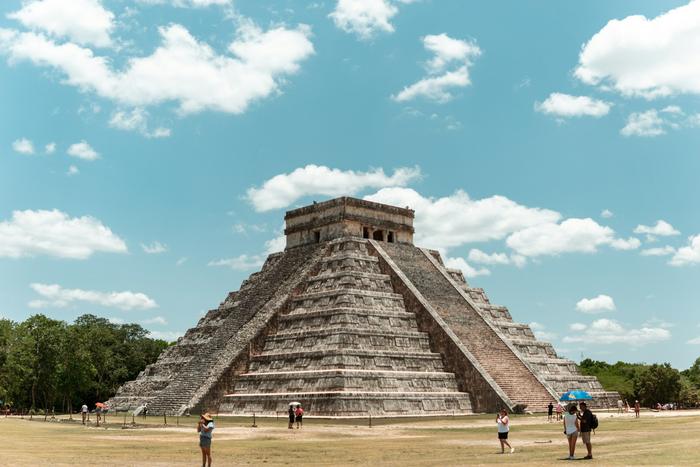
Mexico
Mexico City is world-class. Add the coast, ruins, and food culture.
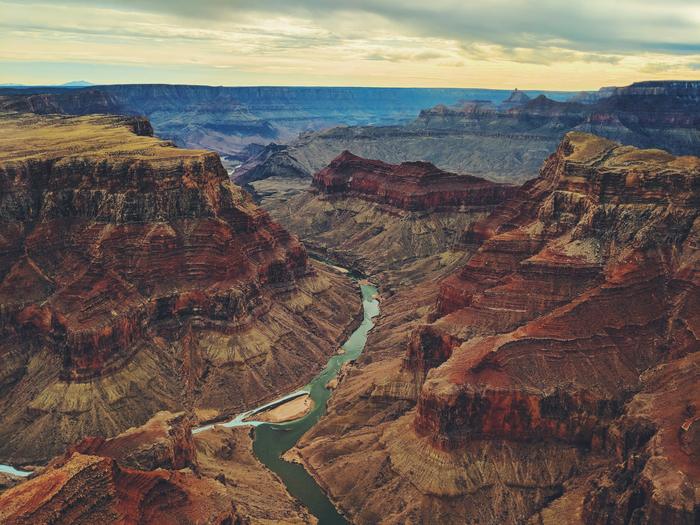
United States
A continent pretending to be a country — cities, deserts, and the best national parks anywhere.
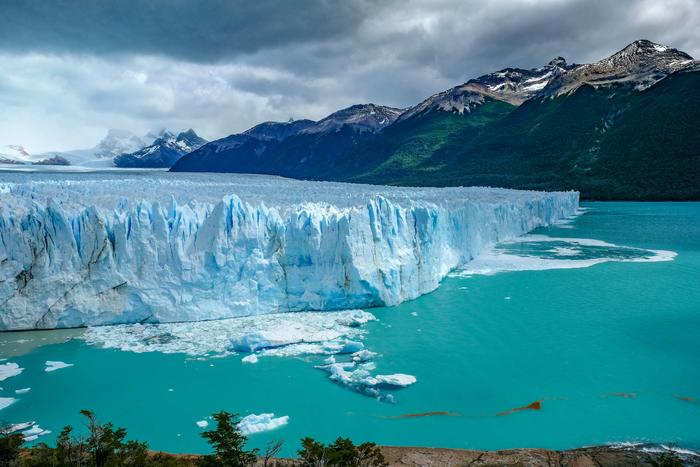
Argentina
Buenos Aires has the best steakhouses and nightlife in South America.
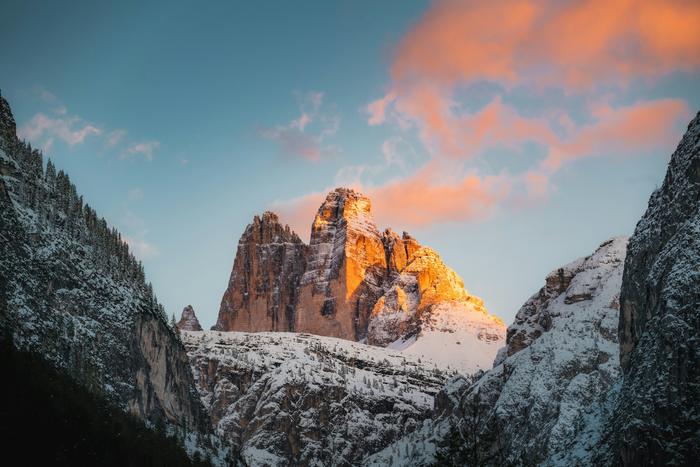
The Alps
The ski and alpine benchmark — every other mountain range is measured against this.
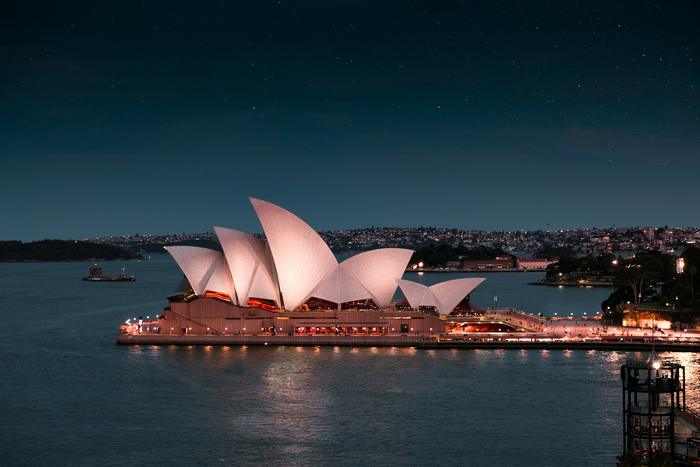
Australia
Vast, varied, relaxed. Reef, Sydney, and proper wilderness in one.
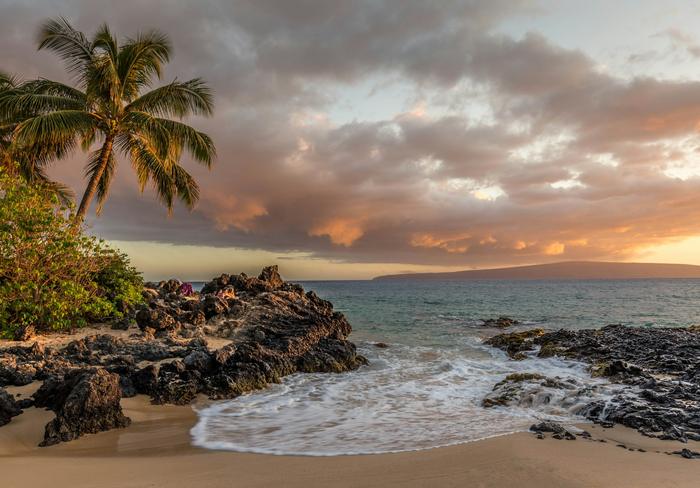
Hawaii
A handful of islands where the landscapes and the ocean genuinely earn the flight.
Not sure where to go
Take the 5-minute quiz
Answer a few honest questions and get matched to destinations that actually fit how you travel.
Start the quiz