Bulgaria
Frescoed monasteries, Roman old towns, and empty mountains at prices Europe forgot.
Bulgaria is the Europe you thought had disappeared: painted monasteries in forested valleys, Roman theatres still staging plays, and a Black Sea coast where a beer costs less than a bus ticket back home. Sofia is a workaday capital, but the country's real pull is out in the hills — Rila, Pirin, and the medieval hilltop of Veliko Tarnovo — where crowds are thin and costs are the lowest in the EU. Learn to sound out Cyrillic and rent a car, and it opens right up.
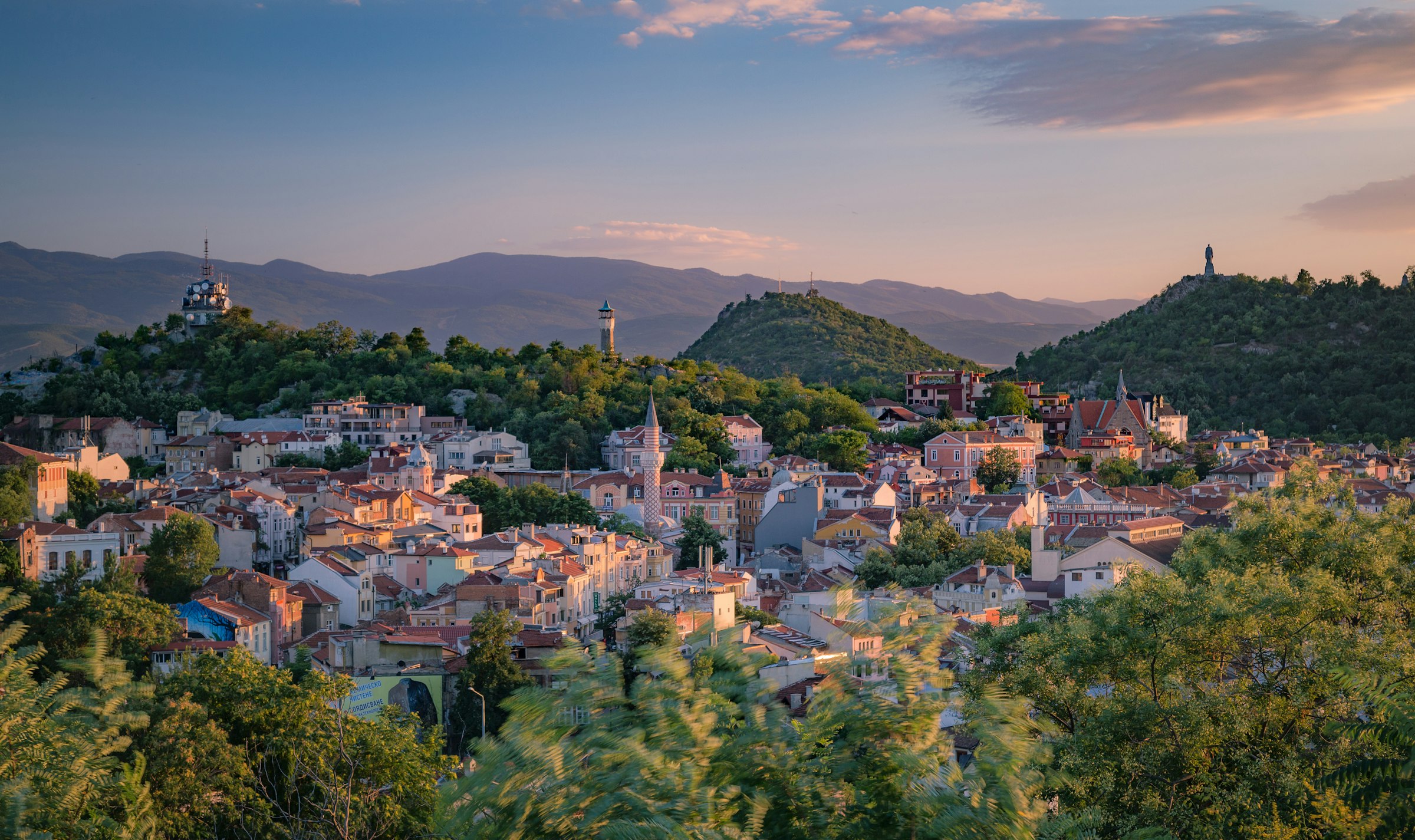
The texture is the draw here: frescoed monasteries tucked into forested valleys, Roman-era old towns like Plovdiv's, and the whole spine of the Rila and Pirin mountains — trailheads for the Seven Rila Lakes, ski runs above Bansko, and villages where lunch and a room barely dent your budget. String it together with a rental car, a bit of patience with the Cyrillic alphabet, and a couple of weeks, and you get a slice of Europe at prices long gone from Prague or Vienna, with the Black Sea coast's old towns of Nesebar and Sozopol thrown in.
The honest part: infrastructure is patchy, the trains are slow, and the Cyrillic alphabet plus a real language barrier will slow you down away from the cities and the young. Skip the mega-resort strips — Sunny Beach and its neighbours are tacky package hell, and nothing about them says Bulgaria. But that's the whole trade-off: put up with the rough edges and you get genuine history, mountains, and monasteries with almost no crowds, at rock-bottom cost. Few places in Europe still offer that.
Highlights
-
Rila Monastery
The frescoed icon of the country — striped arches and a painted church in a mountain fold.
-
Plovdiv
One of Europe's oldest cities: a Roman theatre still in use and a cobbled Old Town of painted houses.
-
Veliko Tarnovo
The medieval hilltop capital, its fortress stacked above a river gorge.
-
Black Sea coast
Skip the mega-resorts for the old stone towns of Nesebar and Sozopol.
-
Bansko & the mountains
Ski gateway in winter; in summer, the Seven Rila Lakes hike and the Pirin peaks.
-
Sofia
A workaday capital with Roman ruins under its streets and mountains at its back.
Practical info
- Visa
- EU member and in the Schengen Area; visa-free for most Western passports.
- Currency
- EUR (€) — Bulgaria adopted the euro in 2026, replacing the Lev.
- Language
- Bulgarian, written in Cyrillic script; English mainly among younger people and in cities.
- Safety
- Very safe; the main annoyance is taxi drivers overcharging.
- Getting around
- Buses beat the slow trains; a rental car helps for the monasteries and mountains.
- Tap water
- Tap water safe in cities.
- Plug type
- Type C Type F 230V
- Money
- Cards widely accepted; carry cash for villages.
General guidance — visas, safety, and health change, so check your government's travel advisory and the official sources before you go.
Common questions
- When is the best time to visit Bulgaria?
- Bulgaria is at its best in May, June, September. It's best to avoid April, November.
- How many days do you need in Bulgaria?
- Most trips run 1–2 weeks, depending on how much ground you want to cover.
- Is Bulgaria expensive?
- Plan for backpacker – budget daily spend, depending on how you travel.
- Is Bulgaria safe for travelers?
- Very safe; the main annoyance is taxi drivers overcharging.
- Do you need a visa for Bulgaria?
- EU member and in the Schengen Area; visa-free for most Western passports.
Compare Bulgaria with
If you like Bulgaria, also consider
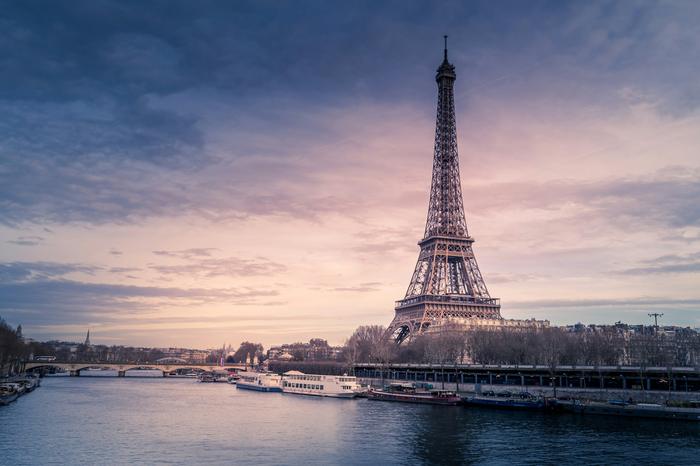
France
Paris is only the opening act — wine country, the Alps, and two coastlines.
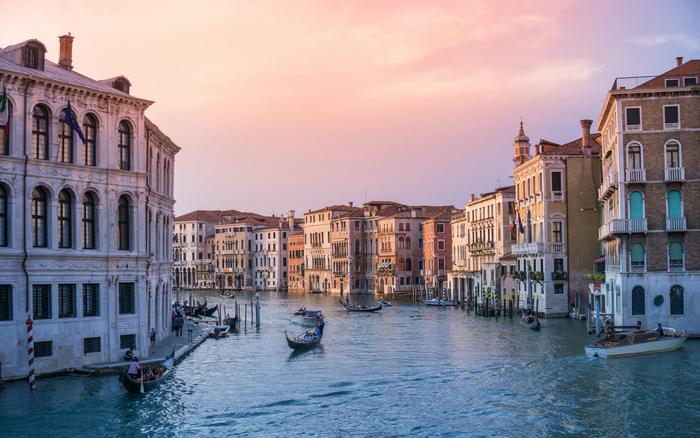
Italy
The benchmark for food, history, and beauty.
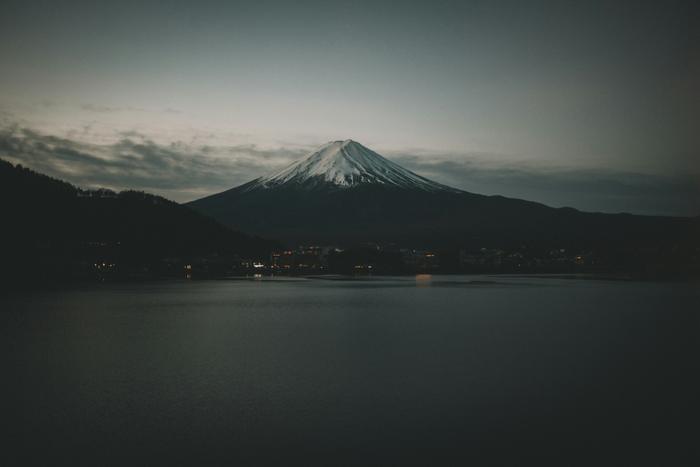
Japan
Extraordinary food, culture, and cities. Nothing quite prepares you for it.
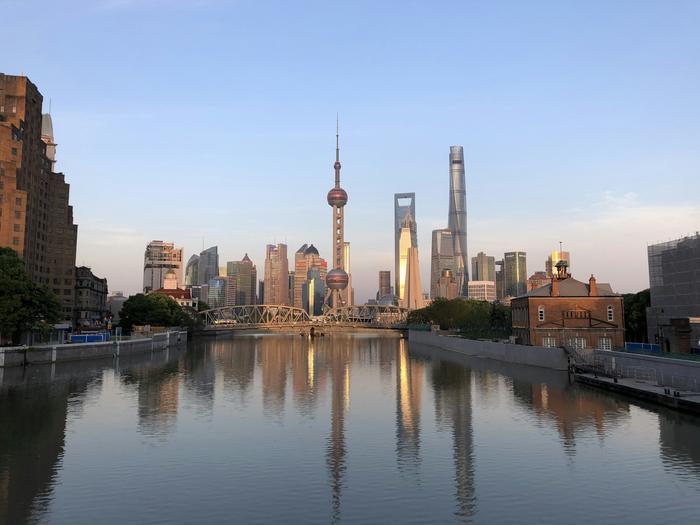
China
Ancient history and hypermodern cities at a scale that's hard to grasp until you're there.
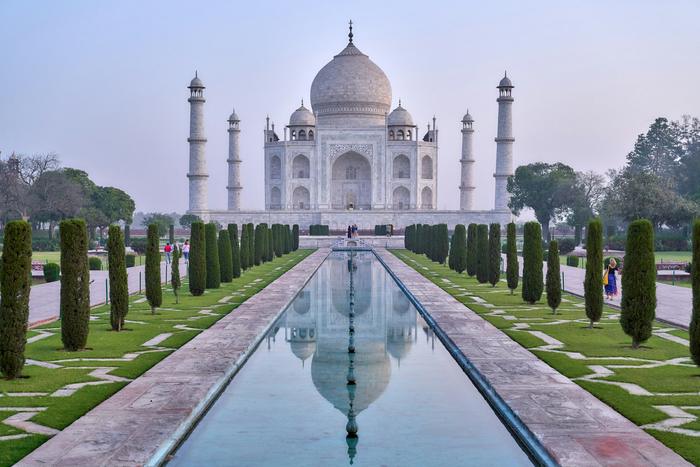
India
Overwhelming, beautiful, and utterly unlike anywhere else.
Not sure where to go
Take the 5-minute quiz
Answer a few honest questions and get matched to destinations that actually fit how you travel.
Start the quiz