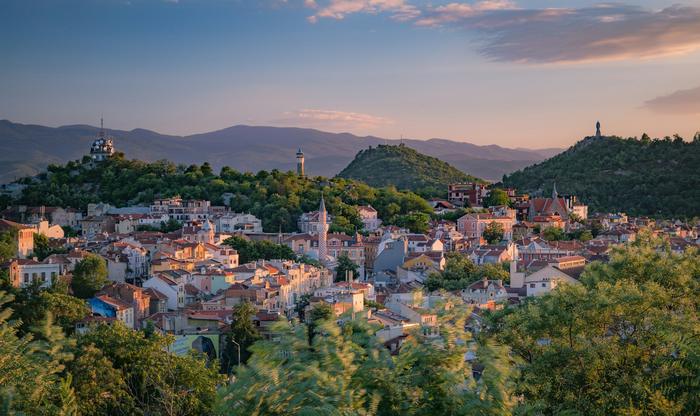
Bulgaria vs Georgia (Caucasus)

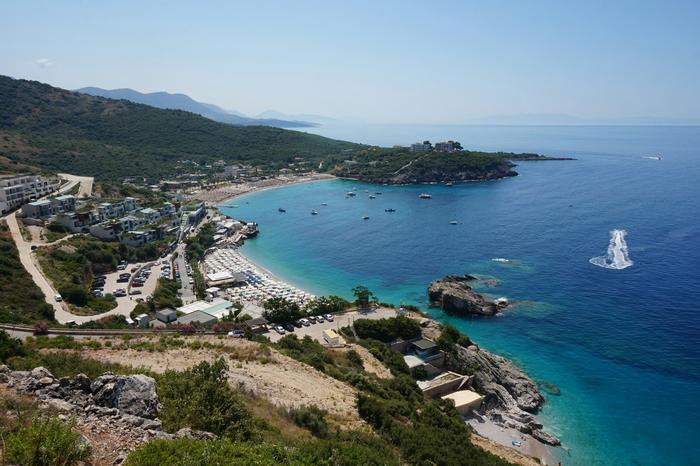
Two of Europe’s best-value, under-the-radar countries, on different seas. Bulgaria is the Black Sea one — a beach coast, some of Europe’s cheapest skiing, UNESCO monasteries and mountains, now in the EU, Schengen and the eurozone. Georgia is the Caucasus one — the birthplace of wine, the dramatic high Caucasus mountains, atmospheric Tbilisi and legendary hospitality, still off most radars and rock-bottom cheap. One is a familiar, now-euro EU country; the other an emerging, further-flung discovery.

Eastern Europe

Bulgaria

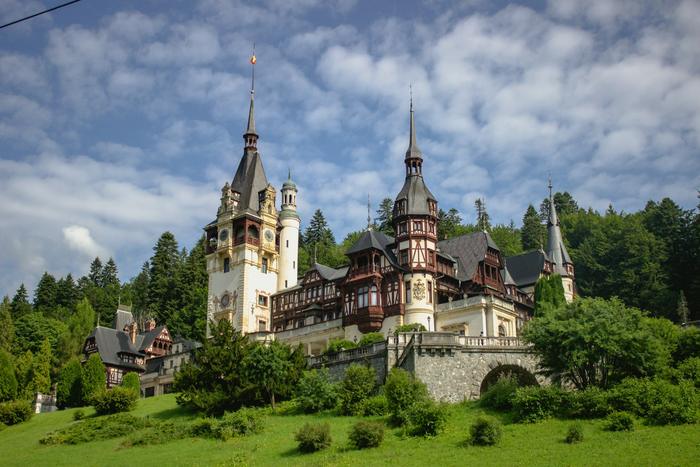
Frescoed monasteries, Roman old towns, and empty mountains at prices Europe forgot.

Best time to visit
  1. January: fine
  2. February: fine
  3. March: fine
  4. April: avoid
  5. May: peak
  6. June: peak
  7. July: fine
  8. August: fine
  9. September: peak
  10. October: fine
  11. November: avoid
  12. December: fine
Peak Fine Avoid

Caucasus

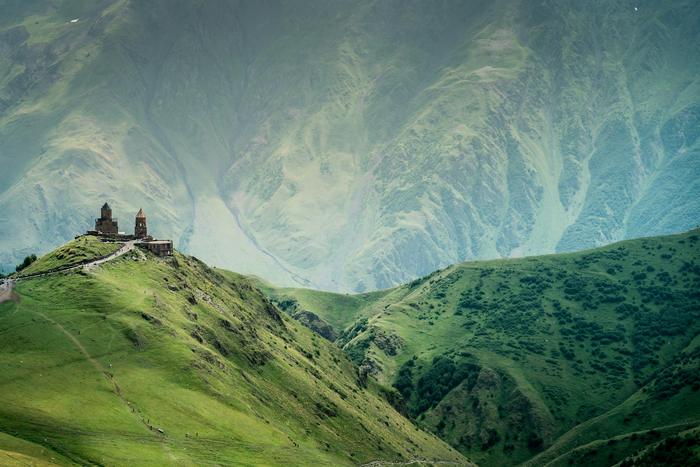
Georgia (Caucasus)

Extraordinary food, wine, hospitality, mountains, and old cities — all cheap.

Best time to visit
  1. January: avoid
  2. February: avoid
  3. March: fine
  4. April: peak
  5. May: peak
  6. June: peak
  7. July: peak
  8. August: peak
  9. September: peak
  10. October: peak
  11. November: fine
  12. December: avoid
Peak Fine Avoid

Read our full guides about Bulgaria and Georgia (Caucasus).

Side by side

Emphasised where they differ. Muted rows are much the same either way.

Bulgaria Georgia (Caucasus)
Best time May, June, September April–October
Climate mild mild
Budget Very cheap — among the EU’s best value; now on the euro Very cheap too — one of the best-value destinations anywhere
Trip length 1–2 wks 1–4 wks
Visa EU member and in the Schengen Area; visa-free for most Western passports. Visa-free for most nationalities — up to one year. Verify before travel.
Currency EUR (€) — Bulgaria adopted the euro in 2026, replacing the Lev. GEL (Lari). Roughly 2.7 GEL ≈ 1 USD.
Language Bulgarian, written in Cyrillic script; English mainly among younger people and in cities. Georgian. Russian widely understood. English growing in Tbilisi.
Tap water Tap water safe in cities. Tap water in Tbilisi is safe; bottled in mountain villages.
Safety Very safe; the main annoyance is taxi drivers overcharging. Very safe. Avoid the Russian-occupied regions of Abkhazia and South Ossetia.

General guidance — visas, safety, and health change, so check your government's travel advisory and the official sources before you go.

The split

A Black Sea EU country, or a Caucasus discovery

Both are cheap and under the radar — but one is a familiar, now-euro EU Black Sea country, the other an emerging Caucasus gem.

EU vs emergingthe profileIn the EU, Schengen and the euro, or a further-flung discovery
Coast/ski vs Caucasusthe drawBlack Sea and skiing, or high mountains and wine
Familiar vs adventurethe feelEasy European travel, or an emerging-destination buzz

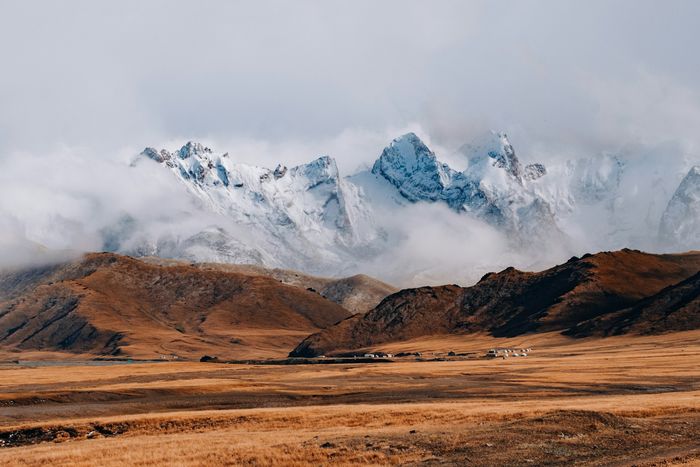
Bulgaria is the Black Sea one — a beach coast, some of Europe’s cheapest skiing, UNESCO monasteries and mountains, now in the EU, Schengen and the eurozone. Georgia is the Caucasus one: the birthplace of wine, the dramatic high Caucasus, atmospheric Tbilisi and legendary hospitality, still off most radars and rock-bottom cheap.

The operational detail — Bulgaria’s euro adoption and Schengen status; Georgia’s mandatory-insurance rule and the Tbilisi political picture — lives on the two guides: Bulgaria, know before you go and Georgia, know before you go. This page is the head-to-head.

The real difference

Familiar EU value, or an emerging adventure

The trade: Bulgaria offers coast, skiing and EU ease; Georgia offers wine, mountains and an emerging-discovery feel.

Bulgaria wins on EU ease and the coast/ski mix. A cheap Black Sea coast, genuinely good budget skiing, and monasteries, in a familiar EU/Schengen country now on the euro — easy and low-cost.

Georgia wins on wine, mountains and discovery. World-first wine heritage, the spectacular Caucasus and warm hospitality, still uncrowded and very cheap — a rewarding trip for travellers who like to get ahead of the curve. Choose the familiar Black Sea country, or the Caucasus discovery.

Who suits which

Who each actually suits

Both are cheap and under the radar — but one leans familiar EU coast-and-ski, the other emerging Caucasus adventure.

If you want…BulgariaGeorgia
A Black Sea beach holidayWins. The coast resortsBlack Sea coast too, lighter
Dramatic high mountainsRila, PirinWins. The Caucasus
Budget skiingWins. Bansko, BorovetsGudauri, smaller scene
Wine heritageDecent winesWins. Birthplace of wine
Familiar EU/Schengen easeWins. In the euro nowOutside the EU
An emerging-destination feelWell-trodden coastWins. Still emerging

Doing both

Across the Black Sea — usually separate

Not neighbours; most people choose one.

Bulgaria and Georgia sit on opposite sides of the Black Sea (with Turkey between), so they’re separate trips linked by a short flight, and most people choose one. Each compares more naturally with its own neighbours (see Bulgaria vs Romania, Bulgaria vs Greece, Georgia vs Turkey and Albania vs Georgia).

What we leave out

What we deliberately leave out

Exact prices beyond the structural comparison — both are very cheap and move with season — so the figures here are the shape of the difference, not a quote; the country guides carry the live detail. The entry mechanics (Bulgaria’s Schengen/euro status vs Georgia’s visa-free-but-insurance-required rules) are covered on the guides rather than restated here.

Bulgaria or Georgia (Caucasus), month by month

Which of the two is the better bet for each month of the year, scored on how well the season suits each place.

Which to choose

Choose Bulgaria if:

  • A Black Sea coast, cheap skiing and monasteries are the draw.
  • You want an EU/Schengen country now on the euro.
  • Familiar European ease over a further-flung discovery.

Choose Georgia (Caucasus) if:

  • Wine, the Caucasus mountains and warm hospitality top the list.
  • You want somewhere emerging and off the beaten track.
  • A Caucasus adventure over a Black Sea beach-and-ski trip.

Common questions

Is Bulgaria or Georgia better value?
Both are exceptional value — among the cheapest destinations in and around Europe. Georgia may edge it for rock-bottom prices and the sense of an emerging, uncrowded gem, while Bulgaria offers EU-level infrastructure at low cost (and the convenience of the euro since 2026). Neither will strain a budget; the choice is really about character.
Which has the bigger draws?
Different ones. Bulgaria offers a Black Sea coast, budget skiing (Bansko, Borovets) and the UNESCO Rila Monastery. Georgia offers the high Caucasus (Kazbegi, Svaneti), a wine heritage going back 8,000 years, and atmospheric Tbilisi. For coast and skiing, Bulgaria; for dramatic mountains and wine culture, Georgia.
Which is easier to reach and travel?
Bulgaria is more familiar and straightforward — an EU/Schengen country with good infrastructure and easy flights. Georgia is further afield (on the edge of Europe and Asia), still emerging, and more of an adventure, though very welcoming and increasingly well-connected. For easy, familiar travel, Bulgaria; for an emerging-destination feel, Georgia.
Do the entry and currency rules differ?
Yes. Bulgaria is in the EU and full Schengen (since 2025), so days count against the shared 90/180 and the EU’s EES applies; it adopted the euro on 1 January 2026. Georgia is outside the EU/Schengen, offering long visa-free stays that don’t touch your Schengen allowance, uses its own currency (the lari), and has a mandatory travel-insurance requirement. The guides carry the detail: Bulgaria and Georgia.
Can I combine them?
They’re not neighbours (they sit on opposite sides of the Black Sea, with Turkey between), so they’re separate trips linked by a short flight — most people choose one. Each compares more naturally with its own neighbours — Bulgaria with Romania and Greece, Georgia with Turkey and Albania.

Still undecided

Take the quiz

Three matches. Often answers comparison questions for you.

Start the quiz