Bosnia & Herzegovina
East meets West in one small, absurdly cheap country layered with living history.
Bosnia is where the Ottoman and Austro-Hungarian worlds collide in the space of a single street. You can do a short, cheap loop of Sarajevo and Mostar in a few days and feel the whole of Balkan history stacked up around you — minarets and coffee houses, imperial facades, and the scars of the 1990s all in one frame. Turquoise rivers, waterfalls, and grilled ćevapi fill in the rest.
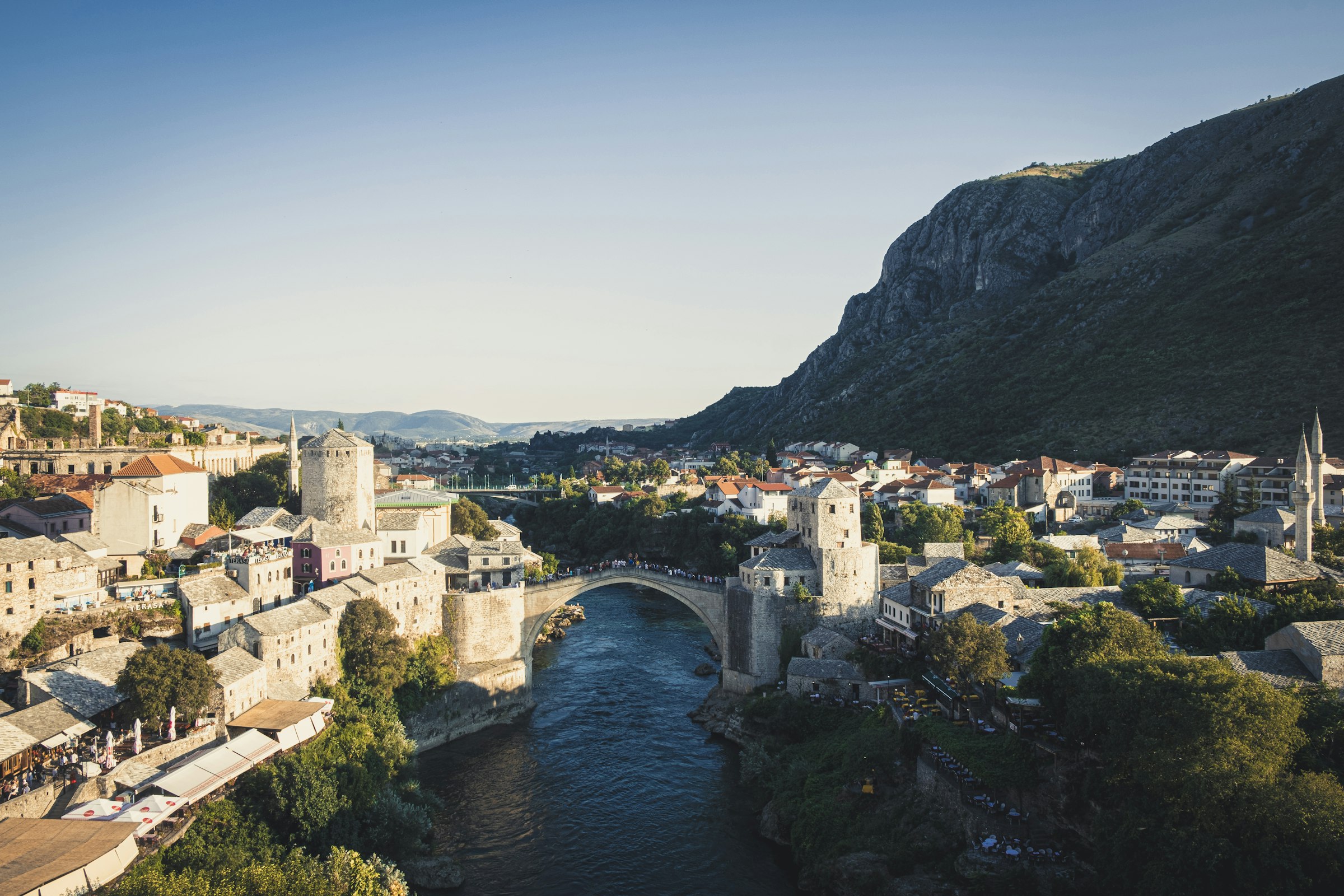
The heart of a trip here is a short, cheap loop of Sarajevo and Mostar, and the pleasure is how much it layers. Sarajevo puts an Ottoman bazaar of coppersmiths and coffee houses right up against grand Austro-Hungarian avenues, then throws in the raw memory of the longest siege in modern European history. An hour or two south, Mostar's rebuilt Stari Most arcs over the impossibly turquoise Neretva, and the countryside around it hides Kravice's wide waterfalls and the dervish tekke tucked under a cliff spring at Blagaj. It is East and West colliding in one small country, and you can drink strong Bosnian coffee and eat a plate of ćevapi for less than the price of a sandwich back home.
The honest part: the 1990s war is still visibly present. You will pass shell-scarred buildings, hillside cemeteries, and reminders of a complicated ethnic politics that never fully settled. Transport is slow — buses link the towns but the mountain roads wind, and a car helps — and nothing here is slick or polished. What you get in return is extraordinary value, layered living history, and genuinely warm hospitality, all with a fraction of neighbouring Croatia's crowds and prices. If you want that trade, few places in Europe reward it as richly.
Highlights
-
Mostar
The rebuilt Stari Most bridge arcing over the turquoise Neretva. Watch the divers.
-
Sarajevo
Ottoman bazaar meets Austro-Hungarian avenues, plus raw 1990s-siege history.
-
Kravice Waterfalls
A wide fan of falls into a green pool — swim in summer.
-
Blagaj
A whitewashed dervish tekke set under a cliff where a river bursts from the rock.
-
Una National Park
Rafting and emerald cascades in the far northwest.
Practical info
- Visa
- Visa-free for most Western passports (90 days). Verify before travel.
- Currency
- BAM (Convertible Mark), pegged to the euro; euros are often accepted.
- Language
- Bosnian/Croatian/Serbian (Latin and Cyrillic scripts). English among younger people and in tourism.
- Safety
- Very safe today; be mindful that landmine-clearance signs still exist off marked paths in a few rural areas.
- Getting around
- Buses connect the towns, but the mountainous roads are slow — a car helps.
- Tap water
- Tap water safe.
- Plug type
- Type C Type F 230V
- Money
- Cash still king outside the cities; some cards accepted.
General guidance — visas, safety, and health change, so check your government's travel advisory and the official sources before you go.
Common questions
- When is the best time to visit Bosnia & Herzegovina?
- Bosnia & Herzegovina is at its best in May, June, August, September. It's best to avoid February, November.
- How many days do you need in Bosnia & Herzegovina?
- Most trips run about 1 week, depending on how much ground you want to cover.
- Is Bosnia & Herzegovina expensive?
- Plan for backpacker – budget daily spend, depending on how you travel.
- Is Bosnia & Herzegovina safe for travelers?
- Very safe today; be mindful that landmine-clearance signs still exist off marked paths in a few rural areas.
- Do you need a visa for Bosnia & Herzegovina?
- Visa-free for most Western passports (90 days). Verify before travel.
Compare Bosnia & Herzegovina with
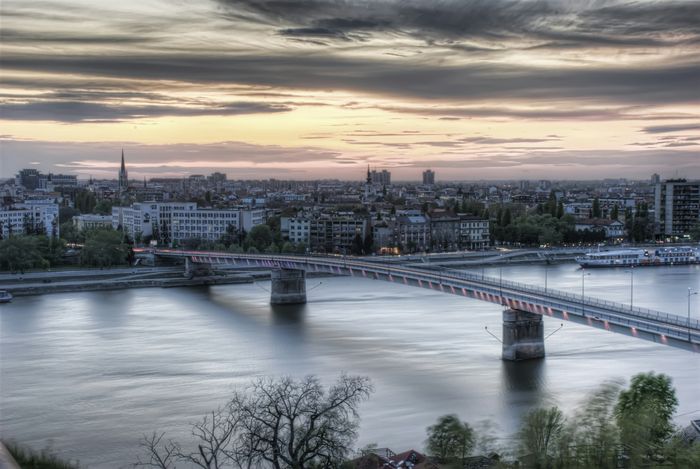
If you like Bosnia & Herzegovina, also consider
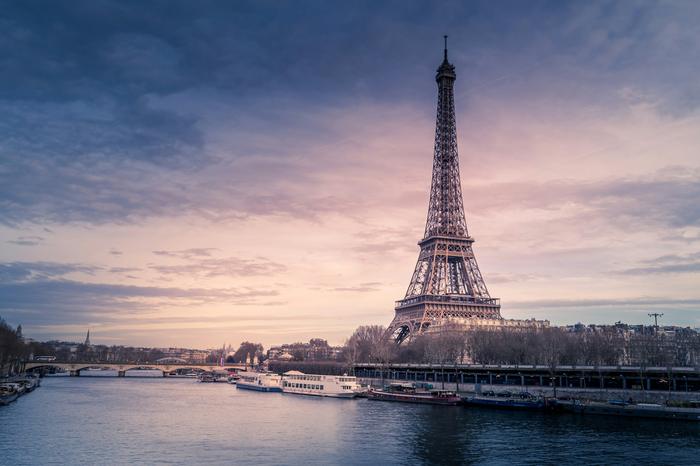
France
Paris is only the opening act — wine country, the Alps, and two coastlines.
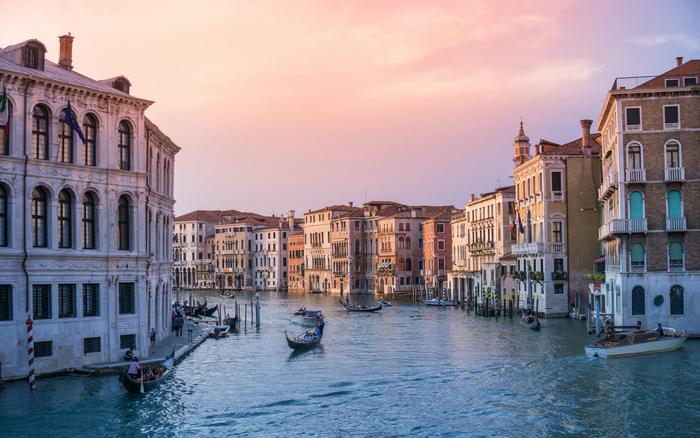
Italy
The benchmark for food, history, and beauty.
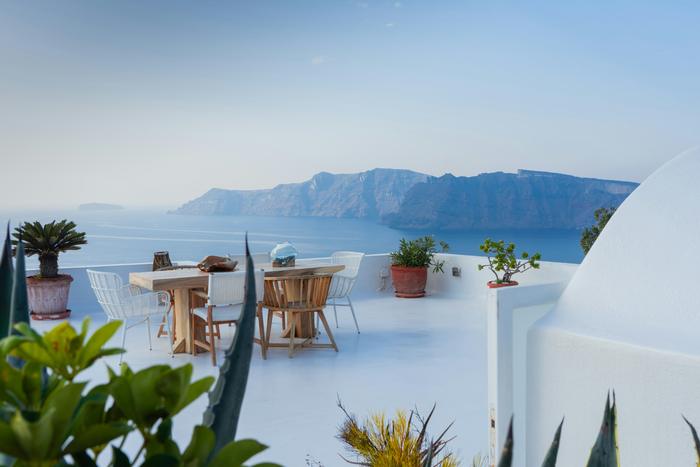
Greece
Ruins in the morning, a swim by noon, taverna until dark.
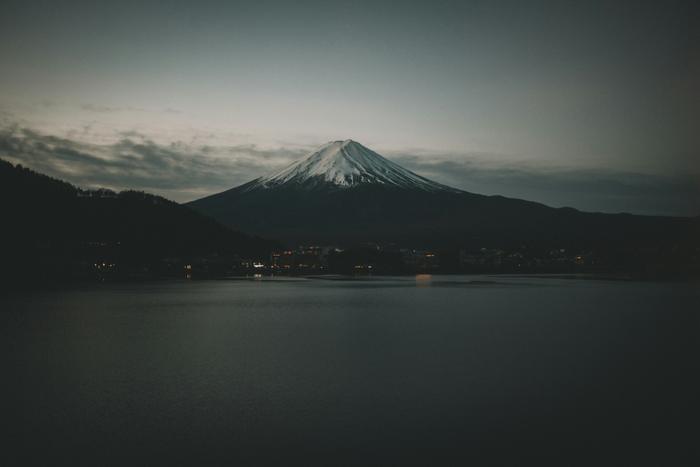
Japan
Extraordinary food, culture, and cities. Nothing quite prepares you for it.
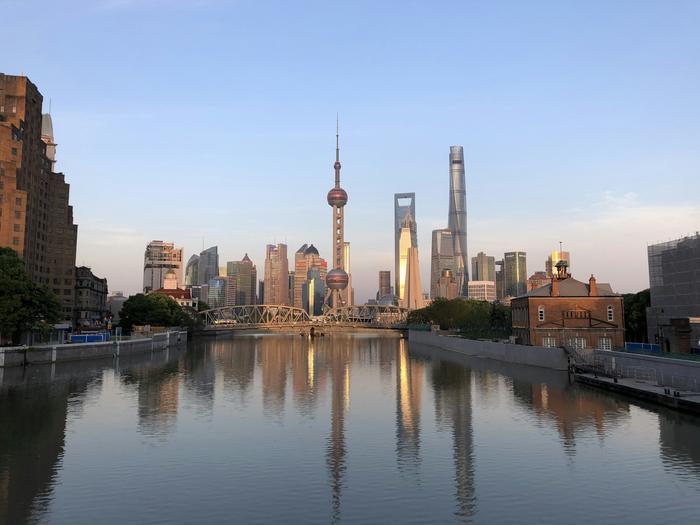
China
Ancient history and hypermodern cities at a scale that's hard to grasp until you're there.
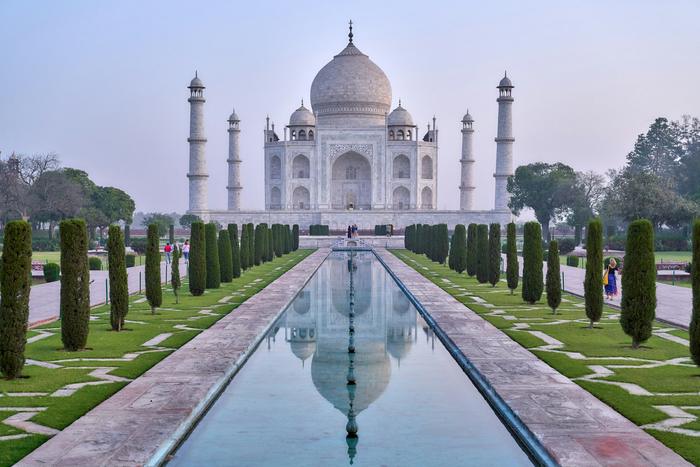
India
Overwhelming, beautiful, and utterly unlike anywhere else.
Not sure where to go
Take the 5-minute quiz
Answer a few honest questions and get matched to destinations that actually fit how you travel.
Start the quiz