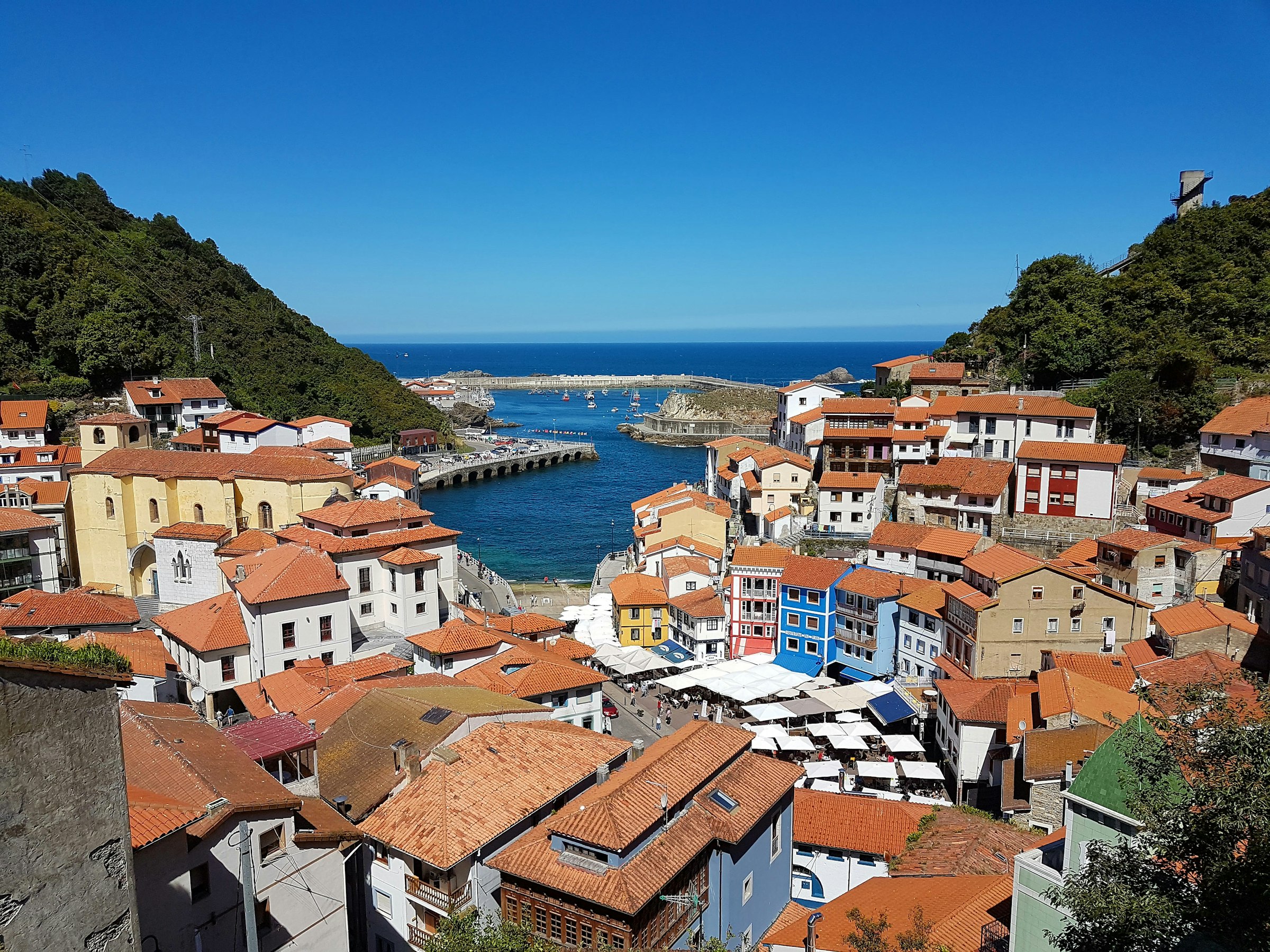
Azores
Green volcanic islands in the mid-Atlantic, half-empty and gloriously weird.
The Azores are a nine-island Portuguese archipelago marooned between Lisbon and North America, and they trade on nature over everything else. You hike the rims of flooded craters, drive lanes walled with hydrangeas, soak in geothermal hot springs, and go out on the water to watch whales and dolphins. It is green, volcanic, and low-key, and it is cheap-ish to reach — a short hop from Lisbon or a direct flight from the US East Coast.
Most people base on São Miguel, the big island, and never run out: the twin crater lakes of Sete Cidades (one blue, one green), the steaming caldera at Furnas where lunch is buried in the volcanic ground to cook, and the huge silent bowl of Lagoa do Fogo. From there you island-hop — over to Pico to climb Portugal's highest peak at dawn and drink wine grown in black-lava vineyards, or Faial for its blue-hydrangea hedges and yacht-harbour town. The rhythm is slow: rent a car per island, drive between miradouros, walk a levada or a crater trail, then find a hot spring at the end of the day.
The honest part is the weather, which is genuinely fickle and wet — the local line about four seasons in a day is not a joke, and a booked whale trip or crater viewpoint can vanish into cloud and drizzle. There are almost no sandy beaches, the nightlife barely exists, and if you want a tan-and-cocktails holiday you will be miserable here. This is a place for walking boots and a rain shell, not a party. The trade-off is dramatic, uncrowded volcanic scenery, whales offshore from spring to autumn, and a kind of geothermal strangeness you will not find anywhere else in Europe.
Highlights
-
Sete Cidades
Twin crater lakes, one blue and one green, best seen from the Vista do Rei rim at first light.
-
Furnas
A steaming valley of hot springs where cozido stew is slow-cooked underground in the volcanic soil.
-
Lagoa do Fogo
A vast, protected crater lake with a steep hike down to an empty shore.
-
Whale & dolphin watching
Boat trips from São Miguel and Pico, best April to October, with a real shot at big whales.
-
Pico
Climb Portugal's highest peak, then drink wine from the UNESCO-listed black-lava vineyards below.
-
Hydrangea roads
Come in summer and the island lanes are hedged in walls of blue and pink hydrangeas.
Practical info
- Visa
- Portugal (Schengen) — visa-free for most Western passports (90 days). Verify before travel.
- Currency
- EUR (€).
- Language
- Portuguese; English widely spoken in tourism.
- Safety
- Very safe; ordinary precautions only.
- Getting around
- Rent a car per island; inter-island flights and ferries connect the archipelago.
- Tap water
- Tap water is safe.
- Plug type
- Type C Type F 230V
- Money
- Cards widely accepted.
General guidance — visas, safety, and health change, so check your government's travel advisory and the official sources before you go.
Common questions
- Which island should I pick?
- Start with São Miguel — the biggest, the best flight links, and the crater lakes and Furnas geothermal valley on one island. Add Pico, Faial or Terceira if you have a week. Don’t try to do all nine: Flores sits 500+ km west of São Miguel, so chasing the whole archipelago burns the trip on airports. See the islands section.
- Can I climb Pico without a guide?
- Yes — no guide is legally required — but you must register at the Casa da Montanha, carry the issued GPS tracker, and pay the fee (€15 to the crater, €25 up the final Piquinho cone). A guide is sensible for the night/sunrise climb. The ladder is in the Pico section.
- How do I get between the islands?
- Fly SATA / Azores Airlines between the three groups (20–40 minutes), and use the Atlânticoline ferries within the central triangle — Faial to Pico is ~30 minutes, year-round. The long inter-group ferries are slow, summer-only and weather-dependent, so fly between groups.
- When’s the best time to go?
- June to September — warmest and driest — with the hydrangeas in bloom June–August. Blue and fin whales pass April–June; sperm whales and dolphins are resident year-round. Expect changeable, “four-seasons-in-a-day” weather in any month.
- Can I fly direct from the US?
- Yes — Boston to Ponta Delgada is a year-round nonstop (~4.5 hours) on Azores Airlines, with New York seasonal (~5–5.5 hours). From Europe it’s ~2h15 from Lisbon. It’s euro, Schengen, and EES is now live at Ponta Delgada.
- Is the whale watching worth it?
- Genuinely — São Miguel sighting rates top 95% thanks to the land-based vigia lookout system inherited from the old shore-whalers. Tours run ~3 hours for about €60–70. More in the whales section.
Entry & flights
Euro, Schengen, and a short hop from both sides
One of the few places you can reach nonstop from both Lisbon and Boston — and it’s straightforward EU entry.
The Azores are a full part of Portugal and the EU — euro, Schengen, the same 90-days-in-180 for US, UK and Canadian passports as the mainland, and the EES biometric system now operating at Ponta Delgada. There’s no special arrival form.
The unusual thing is the geography: sitting mid-Atlantic, the islands are a short hop from two continents — about 2h15 from Lisbon and a year-round ~4.5-hour nonstop from Boston. That dual reach, opened up when the routes were liberalised in 2015, is what turned a quiet archipelago into a weekend-break destination for both Europe and the US East Coast.
Fares into Ponta Delgada (PDL) on São Miguel are the cheapest and most frequent; the other islands are reached by connecting on SATA/Azores Airlines. If you’re coming from North America, the Boston nonstop often beats routing through Lisbon on both time and price.
Which island
Pick a group, don’t chase all nine
Nine islands spread over 600 km — the mistake is island-hopping the whole archipelago.
- Your first (or only) Azores tripSkipspreading across several islandsGoSão Miguel — crater lakes, Furnas, whales, all in one base
- You want the big mountain and a lively harbourSkipthe long western ferriesGoPico + Faial — a 30-minute hop apart
- History and a quieter weekSkipthe São Miguel crowds in AugustGoTerceira — UNESCO Angra, and the island triangle beyond
| Link | Mode | Time |
|---|---|---|
| Between the three island groups | SATA / Azores Airlines flight | 20–40 min |
| Faial ↔ Pico (Blue Line) | Atlânticoline ferry | ~30 min, year-round |
| Central triangle — Faial, Pico, São Jorge | Atlânticoline ferry | frequent in season |
| All five central islands | Atlânticoline White Line | summer only (Jun–Oct) |
From Atlânticoline and SATA schedules in October 2026. The long-distance inter-group ferries are slow, summer-only and weather-dependent — the operator itself has said they aren’t sustainable — so treat flying as the way to cross groups.
The central islands — Faial, Pico, São Jorge — are the one place ferries genuinely work, the “triangle” crossable in minutes. Everywhere else, build the trip around one or two islands and fly if you add a group; the archipelago’s 600 km spread punishes ambition.
Climbing Pico
Portugal’s highest peak, permit and tracker
Mount Pico is 2,351 m and gated — you register, you’re tracked, and the mountain picks the weather.
| How far you go | What it is | Fee |
|---|---|---|
| Furna Abrigo | The part-way shelter | €5 |
| The crater rim | The standard summit plateau | €15 |
| Piquinho (Pico Pequeno) | The final cone — the true top | €25 |
| Overnight at the crater | Camp for sunrise | +€10 |
From the Pico mountain service, 2026; Azores residents climb free. A GPS tracker is compulsory and issued at registration; an optional €30 liability waiver caps a lost-tracker charge that otherwise runs €270–300. A guide isn’t required but is wise for the night climb.
It’s a serious climb, not a walk — steep, loose lava, no clear path, 7–9 hours round trip in daylight and 10–12 for a sunrise attempt. The single biggest variable is the weather: the Casa da Montanha can close the mountain at short notice, so keep the climb flexible within your stay rather than pinning it to one fixed day.
Whale watching
Among the best on earth
Deep water right offshore plus a lookout network makes this close to a sure thing.
>95% whale-watching sighting rate off São Miguel
The Azores sit over deep Atlantic canyons that concentrate prey, so the whales come close — and the vigia lookout system, a direct inheritance from the islands’ whaling past, turns that into one of the most reliable whale encounters anywhere. Half-day RIB or catamaran trips run about three hours out of Ponta Delgada and Madalena/Lajes on Pico, for roughly €60–70.
If there’s one paid excursion to prioritise over the beaches you don’t really have here, it’s this — the sighting odds are high enough that it’s worth building a spare morning into the itinerary in case the sea’s too rough on your first choice of day.
For the blue and fin whales — the headline giants — you have to come in the April–June window; outside it the trips still deliver sperm whales and dolphins, just not the biggest animals. Book with an operator that runs the vigia system rather than searching blind.
Furnas & geothermal
Lunch cooked in the ground
São Miguel’s geothermal valley is the island’s set-piece — a stew buried in volcanic soil and an iron-red thermal pool.
38–40°C the Terra Nostra thermal pool
The signature Furnas experience is the cozido das Furnas — a meat-and-vegetable stew buried by the caldeira lake and slow-cooked for five to six hours in the volcanic ground, the pots lowered before dawn. You eat it at a Furnas restaurant, and it has to be ordered about 24 hours ahead. Up to sixty restaurants cook their pots in the earth each day.
Pair it with a soak in the Terra Nostra thermal pool and a walk round the caldeiras — the lakeside vents of bubbling mud and steam. Furnas is the one spot on São Miguel that makes the island’s volcanic engine tangible rather than scenic.
Two bookings save the day: reserve the cozido 24 hours out through a Furnas restaurant, and pack a dark swimsuit for Terra Nostra — the iron water really does stain a pale one for good. The free caldeiras need neither, just sensible shoes.
When to go
Four seasons in a day, best in summer
A mild, maritime climate that changes hourly — time it to summer and the hydrangeas.
Sperm whales and dolphins are resident year-round, so there is no closed season for the water. The weather is changeable whenever you come — “four seasons in a day” is the local truth, not a line.
The Azores run mild and oceanic, roughly 14°C in winter to 25°C in summer, with the wettest, greyest months October to March (December the soggiest). The reliable window is June to September — warmest, driest, everything open — with June and September the quieter ends of it.
Time it right and you get the hydrangeas, the signature blue hedgerows that line the roads from June into August, and the spring blue-whale migration if you can come a little earlier. Whenever you arrive, pack for sun, cloud and showers in the same afternoon — the changeability is exactly what keeps the islands so green.
Getting there
Fly in, then hire a car
The approach is easy from both continents; within the islands it’s a car, not a bus.
Getting to the Azores is the easy part — a short hop from Lisbon or Boston into Ponta Delgada, then a quick SATA connection if you’re headed for another island. Getting around is where planning pays: each island wants its own hire car, because the crater lakes, trailheads and coastal viewpoints are scattered and the bus network is thin.
Budget a car for every island you land on, and remember that moving between groups is a flight — only the central triangle of Faial, Pico and São Jorge is genuinely ferry-linked. Plan the islands as separate mini-trips rather than one driving loop.
| From | To | Time |
|---|---|---|
| Lisbon | Ponta Delgada | ~2h15 |
| Boston | Ponta Delgada | ~4h30, year-round |
| New York | Ponta Delgada | ~5–5.5h, seasonal |
| Ponta Delgada | Other islands | 20–40 min (SATA) |
Schedules from Azores Airlines/SATA in October 2026. Toronto is year-round, Montreal seasonal; summer adds direct Porto–Boston/NYC. It’s euro and Schengen, with EES live at Ponta Delgada.
Bring an International Driving Permit and a credit card in the driver’s own name — the car-hire desks on the smaller islands can be strict about both, and a debit card or a mismatched name is the usual reason a booking falls over on arrival.
Money & costs
Cheaper than the mainland hotspots
Good value for Europe — the money goes on flights and cars, not rooms.
For Europe, the Azores are good value — noticeably cheaper than mainland Portugal’s tourist hotspots on rooms and food. The costs that add up are the inter-island flights, a hire car on every island you visit (the sights are scattered and the buses thin), and the handful of paid experiences — the whale tour, the Pico fees, Terra Nostra.
São Miguel levies a small tourist tax of €2 a night, capped at three nights; it’s a footnote, not a budget item. Everything structural about cost here points the same way: spend on the activities and the logistics, not the lodging.
The quiet saver is to base on one island and do it properly rather than collecting several — each new island means another flight and another car rental, which is where an Azores budget actually balloons. One week, one or two islands, is both cheaper and better.
Compare Azores
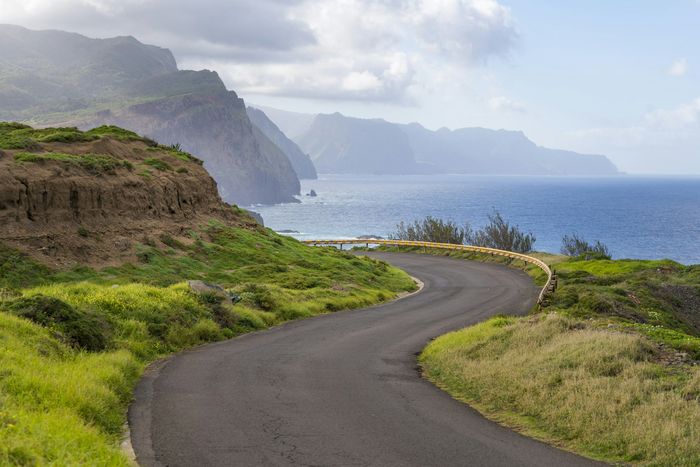
If you like Azores, also consider

France
Paris is only the opening act — wine country, the Alps, and two coastlines.
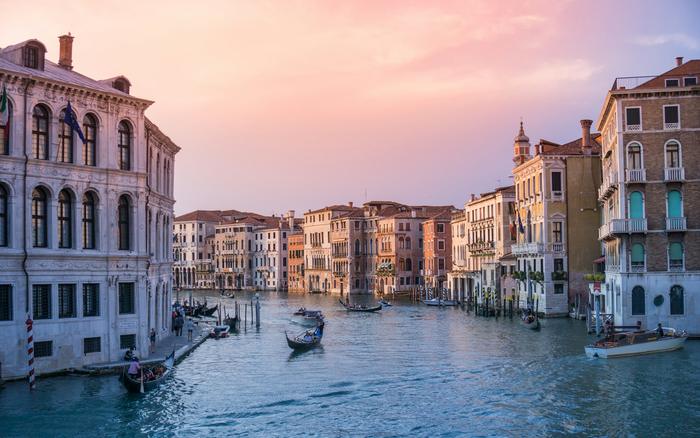
Italy
The benchmark for food, history, and beauty.

Greece
Ruins in the morning, a swim by noon, taverna until dark.
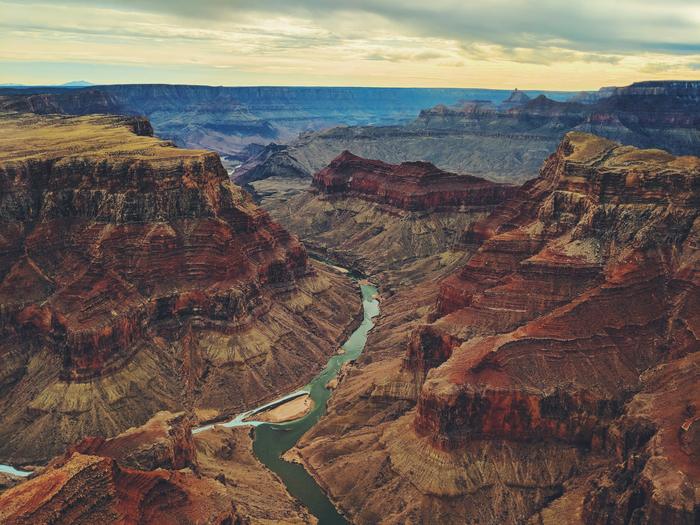
United States
A continent pretending to be a country — cities, deserts, and the best national parks anywhere.
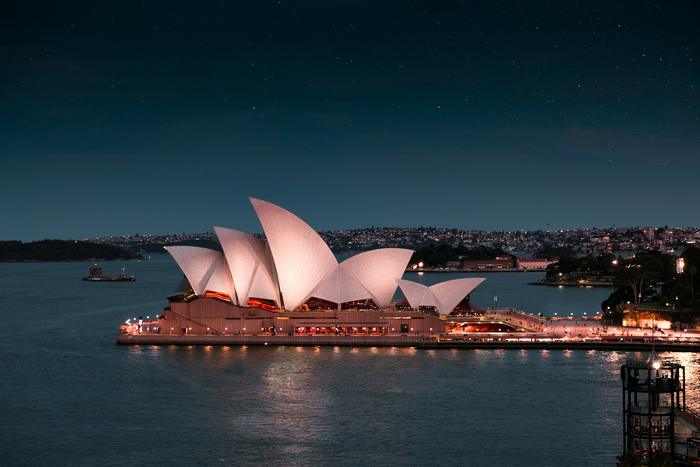
Australia
Vast, varied, relaxed. Reef, Sydney, and proper wilderness in one.
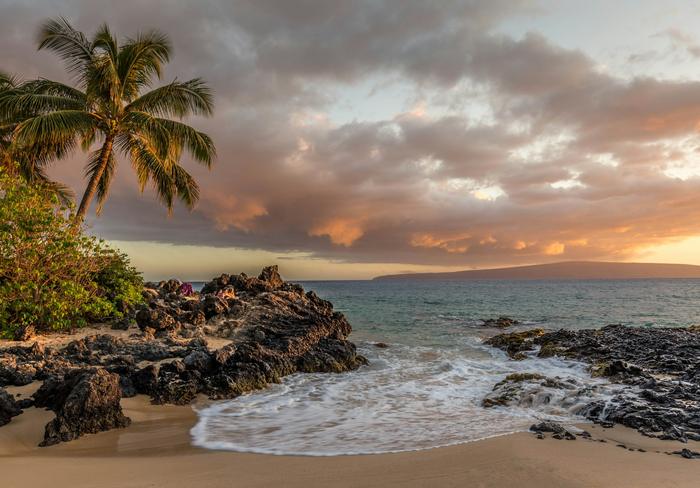
Hawaii
A handful of islands where the landscapes and the ocean genuinely earn the flight.
Not sure where to go
Take the 5-minute quiz
Answer a few honest questions and get matched to destinations that actually fit how you travel.
Start the quiz