Albania
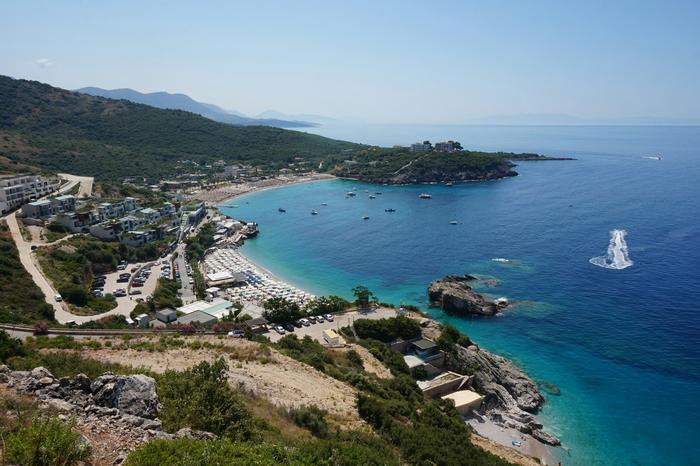
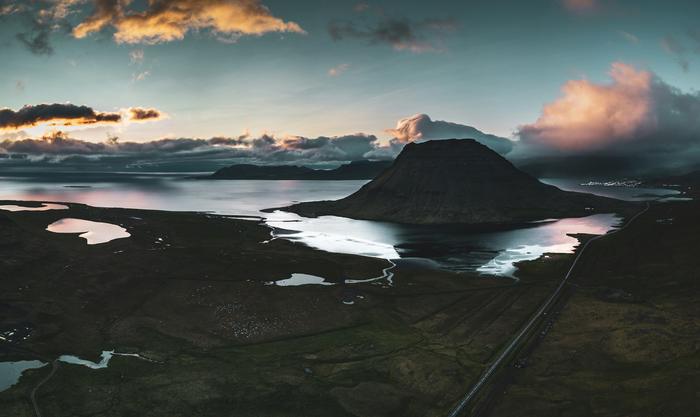
The cheapest stretch of Mediterranean coast left in Europe — for now.
- January: avoid
- February: avoid
- March: fine
- April: fine
- May: peak
- June: peak
- July: fine
- August: fine
- September: peak
- October: fine
- November: avoid
- December: avoid
Both are cheap, warm-hearted and on every "next big thing" list, but they pull in different directions. Albania is a Mediterranean beach country with Balkan heritage — an easy, affordable alternative to Croatia or Greece, a short hop from the rest of Europe. Georgia is a Caucasus world of wine, mountains and distinctive food that feels genuinely far from home, and rewards the longer stay its famous one-year visa allows.
The cheapest stretch of Mediterranean coast left in Europe — for now.
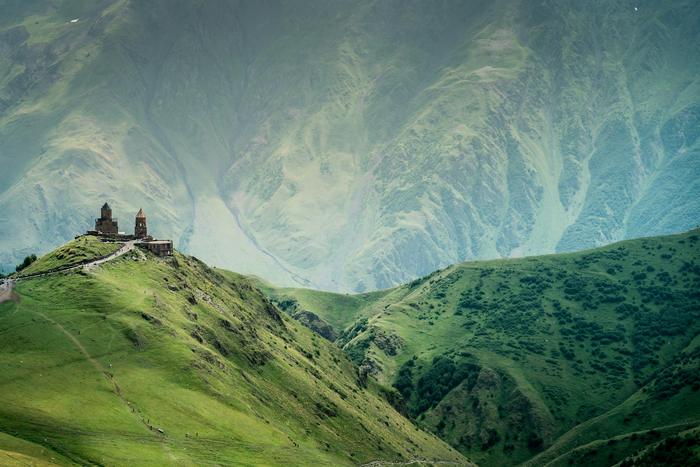
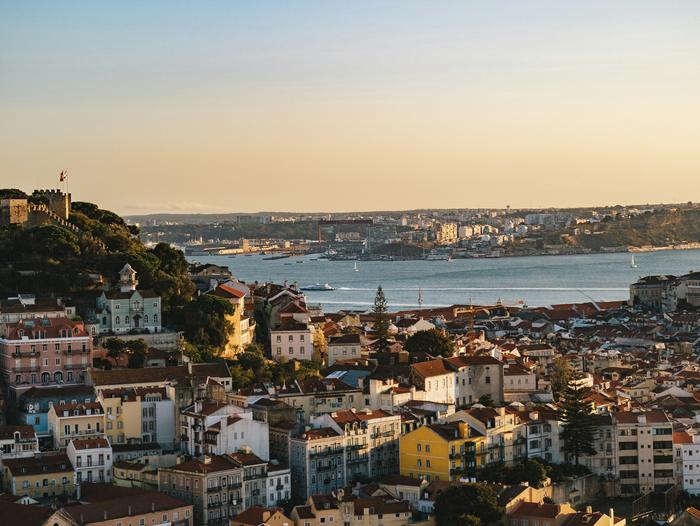
Extraordinary food, wine, hospitality, mountains, and old cities — all cheap.
Read our full guides about Albania and Georgia (Caucasus).
Emphasised where they differ. Muted rows are much the same either way.
| Albania | Georgia (Caucasus) | |
|---|---|---|
| Best time | May, June, September | April–October |
| Climate | warm | mild |
| Budget | Cheap — one of the Mediterranean’s best-value coasts | Cheap, with excellent food and wine for the money |
| Trip length | 1–2 wks | 1–4 wks |
| Visa | Visa-free for most Western passports (up to 90 days). Not in the EU. Verify before travel. | Visa-free for most nationalities — up to one year. Verify before travel. |
| Currency | ALL (Albanian Lek). | GEL (Lari). Roughly 2.7 GEL ≈ 1 USD. |
| Language | Albanian. English among the young; Italian common. | Georgian. Russian widely understood. English growing in Tbilisi. |
| Tap water | Stick to bottled water; tap is not reliably safe to drink. | Tap water in Tbilisi is safe; bottled in mountain villages. |
| Safety | Safer than its old reputation; main hazards are the roads and driving. | Very safe. Avoid the Russian-occupied regions of Abkhazia and South Ossetia. |
General guidance — visas, safety, and health change, so check your government's travel advisory and the official sources before you go.
The split
Both cheap and rising — but one is a beach-and-heritage hop from Europe, the other a further, more distinctive Caucasus trip.
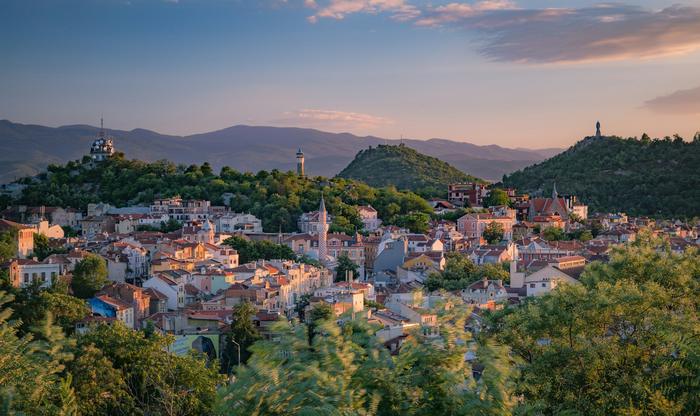
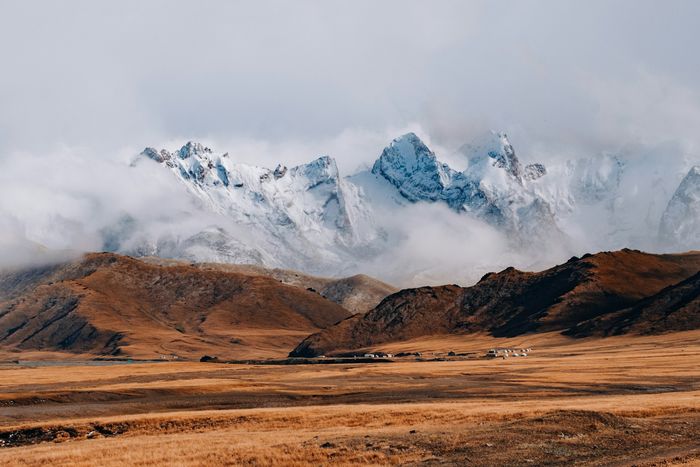
Albania is a Mediterranean beach country with Balkan bones — the turquoise Ionian "Riviera", Ottoman-era towns like Berat and Gjirokastër, and the Accursed Mountains inland — all cheap and an easy, short flight from the rest of Europe. Georgia is a Caucasus world apart: Tbilisi’s old town and sulfur baths, the High Caucasus, the Black Sea at Batumi, and a wine-and-food culture that feels genuinely different, reached on a longer journey and built for long stays by its famous one-year visa.
The operational detail — Albania’s coastal season and easy entry, Georgia’s 2026 insurance rule, one-year visa-free policy and the Tbilisi protest situation — lives on the two guides: Albania, know before you go and Georgia, know before you go. This page is the head-to-head.
The real difference
The trade: Albania is accessible beaches and value; Georgia is mountains, wine and a more exotic sense of place.
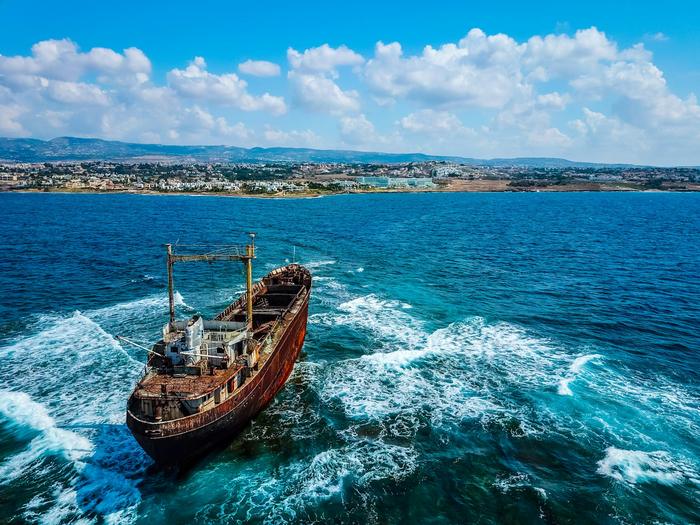
Albania wins on beaches and access. For a Mediterranean summer at Balkan prices, a short hop from Europe, with a coast that recalls Croatia before the crowds, it’s hard to beat — and it combines coast, heritage towns and mountains in one small, easy country. If the goal is sun, sea and value without a long haul, Albania is the pick.
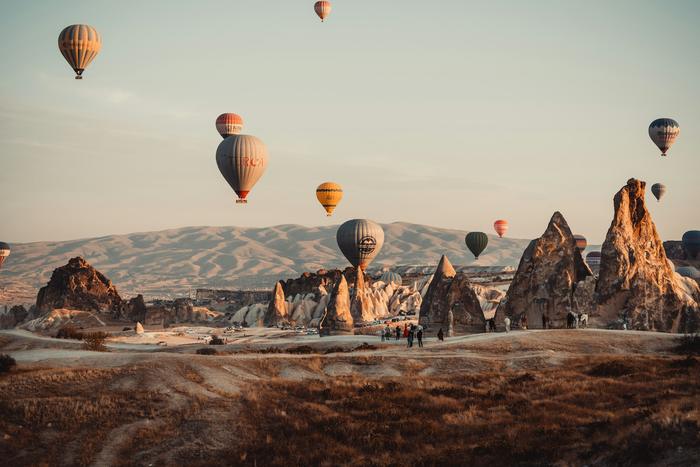
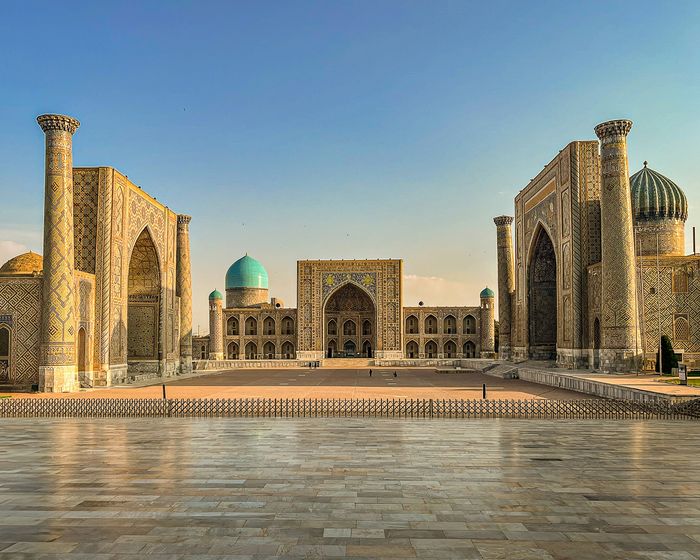
Georgia wins on distinctiveness. The Caucasus feels further from home in every sense — the alphabet, the food, the wine traditions, the scale of the mountains — and for travellers chasing somewhere that feels genuinely unlike Western Europe, that’s the draw. It asks more (a longer journey, bigger distances, a live political backdrop in the capital) and gives back a stronger sense of elsewhere, plus the option to stay a very long time.
Who suits which
Both cheap and welcoming — but one leans beaches and ease, the other mountains, wine and distance.
| If you want… | Albania | Georgia |
|---|---|---|
| A Mediterranean beach holiday | Wins. The Ionian Riviera | Pebbly Black Sea, secondary |
| Dramatic high mountains | Good — the Accursed Mountains | Wins. The High Caucasus |
| Food and wine as a reason to go | Excellent value | Wins. The cradle of wine |
| Easy, short access from Europe | Wins. A cheap quick hop | A longer journey |
| A long, slow stay | Standard short-stay terms | Wins. One year visa-free |
| Somewhere that feels different | Familiar Mediterranean | Wins. A world apart |
Doing both
Balkans and Caucasus are far apart — treat them as separate journeys.
There’s no natural way to join them: Albania sits in the Balkans and Georgia in the Caucasus, with no easy direct link, so combining them means a long connection for little reason. Pick by appetite — an easy Mediterranean beach-and-heritage break, or a further, more distinctive Caucasus journey. Each compares more usefully with its own neighbours: Albania against the Balkans (see Albania vs Bosnia), Georgia against Turkey and the wider Caucasus.
What we leave out
Exact prices beyond the structural comparison — both are cheap, but coastal-season rates in Albania and Georgia’s rising costs move within a year — so the figures here are the shape of the difference, not a quote; the country guides carry the live detail. Georgia’s volatile pieces (the 2026 insurance requirement and the Tbilisi protests) are covered on its guide, not restated here.
Which of the two is the better bet for each month of the year, scored on how well the season suits each place.
Paris is only the opening act — wine country, the Alps, and two coastlines.
The benchmark for food, history, and beauty.
Food, beaches, and three or four cities that each justify the trip.
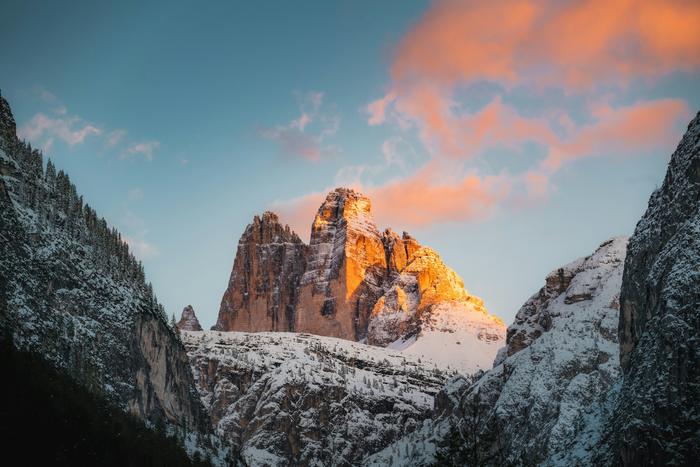
The ski and alpine benchmark — every other mountain range is measured against this.
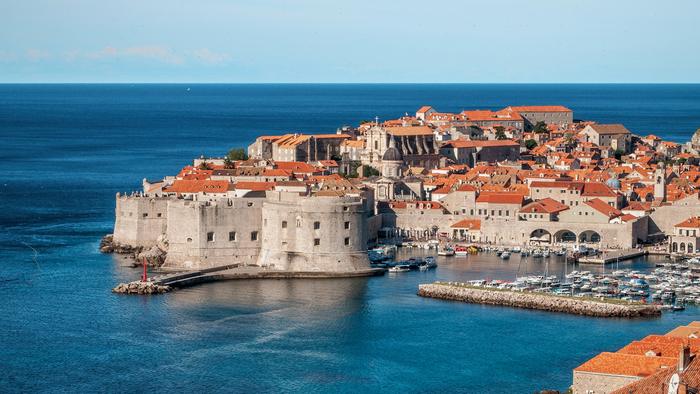
Dubrovnik, the Adriatic coast, ancient cities. Compact and beautiful.
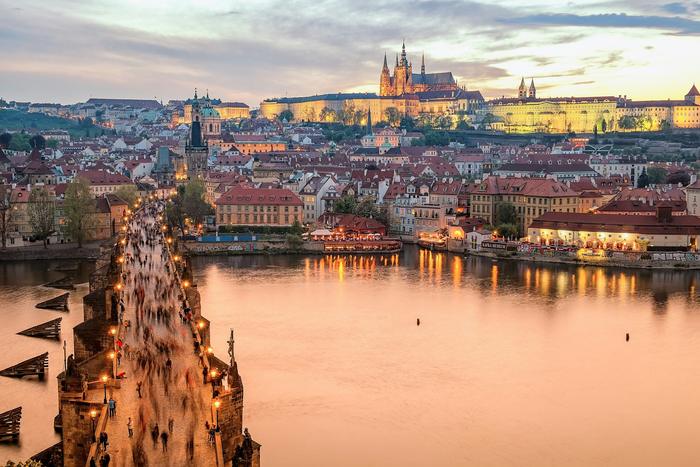
Prague earns the crowds. The rest of the country is the bonus.
Geysers, glaciers, northern lights, hot springs.
The best value city in Western Europe.
Still undecided
Three matches. Often answers comparison questions for you.
Start the quiz