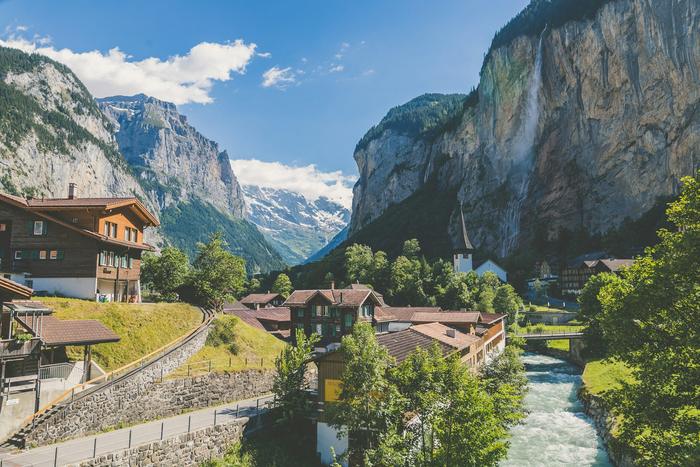
Faroe Islands vs Norway

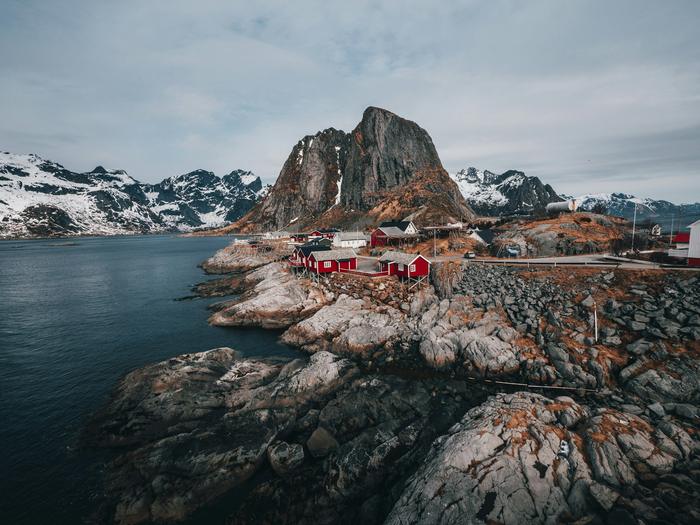
Two dramatic Nordic trips of different scope. The Faroes are compact and raw: a small, treeless cliff-archipelago of grass-roofed hamlets and waterfalls off the edge, intensely atmospheric but singular in register, and doable on a short break. Norway is a grand, varied country: the great fjords, mountains and forests, cultured cities, the Arctic north and the Lofoten islands, with far more to do over a longer trip. A concentrated raw archipelago, or a grand, varied fjordland.

Northern Europe

Faroe Islands

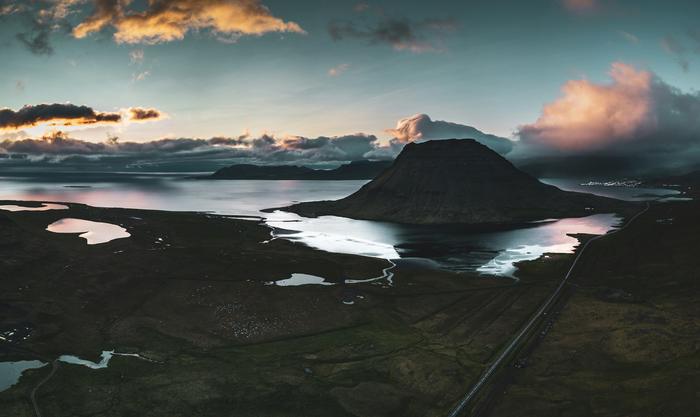
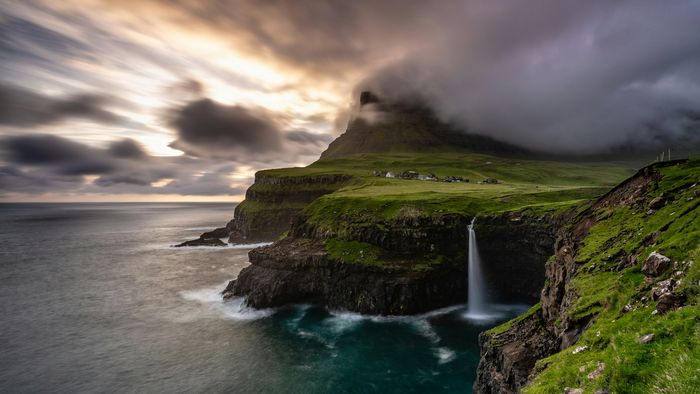
Eighteen green, cliff-walled islands in the North Atlantic — grass-roofed hamlets, waterfalls off the edge of the world.

Best time to visit
  1. January: avoid
  2. February: avoid
  3. March: fine
  4. April: fine
  5. May: peak
  6. June: peak
  7. July: peak
  8. August: peak
  9. September: fine
  10. October: fine
  11. November: avoid
  12. December: avoid
Peak Fine Avoid
Northern Europe

Norway

Fjords, northern lights, midnight sun — utterly unlike anywhere else.

Best time to visit
  1. January: fine
  2. February: peak
  3. March: peak
  4. April: fine
  5. May: peak
  6. June: peak
  7. July: peak
  8. August: peak
  9. September: fine
  10. October: avoid
  11. November: avoid
  12. December: fine
Peak Fine Avoid

Read our full guides about Faroe Islands and Norway.

Side by side

Emphasised where they differ. Muted rows are much the same either way.

Faroe Islands Norway
Best time May–August February, March, May–August
Climate cold cold
Budget High, Scandinavian — but compact and self-drivable, so a short trip stays contained High, Scandinavian — and a bigger country, so a fuller trip costs more over more days
Trip length 1–1 wks 1–3 wks
Visa Not in the Schengen Area, but visa-free for most Western passports (check requirements). Verify before travel. Schengen — visa-free for most Western passports (90 days).
Currency Danish Krone (DKK); Faroese notes also circulate. NOK (Krone). Roughly 11 NOK ≈ 1 USD.
Language Faroese and Danish; English widely spoken. Norwegian. English universal.
Tap water Tap water is safe. Tap water excellent — sometimes better than bottled.
Safety Very safe; the hazards are weather, cliffs, and narrow roads, not crime. Very safe. Weather is the only real risk.

General guidance — visas, safety, and health change, so check your government's travel advisory and the official sources before you go.

The split

Compact and raw, or grand and varied

Two Nordic trips — one small, raw and concentrated, the other grand, varied and fjord-filled.

Compact vs grandthe scopeA short, focused break, or a long, varied trip
Cliffs vs fjordsthe landscapeTreeless ocean cliffs, or deep green fjords
Singular vs variedthe registerOne intense note, or cities, coast and Arctic

The Faroes are compact and raw: a small, treeless cliff-archipelago of grass-roofed hamlets and waterfalls off the edge, intensely atmospheric but singular, and doable on a short break. Norway is a grand, varied country: the great fjords, mountains and forests, cultured cities, the Arctic north and the Lofoten islands — far more to do over a longer trip. A sharp, concentrated archipelago, or a grand fjordland.

Operational detail — the Faroes’ hike fees, sustainability fee and tunnel tolls; Norway’s fjord-season logistics, transport and costs — lives on the two guides: Faroe Islands, know before you go and Norway, know before you go. This page is the head-to-head.

Who suits which

Who each actually suits

Compact-and-raw or grand-and-varied — so these never invert.

If you want…Faroe IslandsNorway
A short, intense breakWins clearly. Compact and quickRewards a longer trip
Range and varietySingular registerWins clearly. Fjords, cities, Arctic
Raw ocean cliff-dramaWins. Treeless and rawSofter, forested
The great fjordsNarrow soundsWins. The signature
Cities and cultureSmall TórshavnWins. Bergen, Oslo
An under-visited feelWins. Few touristsBusier honeypots

Doing both

A dedicated leg apart

The Faroes need their own flight or ferry — usually a choice.

Pairing them means a dedicated leg — the Faroes are reached by their own flights or the Smyril Line ferry, not folded into a Norway road trip. Mind the entry quirk: the Faroes are outside Schengen (no EES/ETIAS), Norway is in it. Both are summer-best. Choose the Faroes for a compact, raw, atmospheric archipelago, Norway for the grand fjords and a varied, longer trip.

What we leave out

What we deliberately leave out

Exact prices and the moving pieces — the Faroes’ per-site hike fees (reshaped in 2026); Norway’s fjord-transport and seasonal costs — change within a season, so the figures here are the shape of the gap, not a quote; the country guides carry the live detail.

Faroe Islands or Norway, month by month

Which of the two is the better bet for each month of the year, scored on how well the season suits each place.

Which to choose

Choose Faroe Islands if:

  • You want raw, intense cliff-and-ocean drama on a compact short break.
  • A small, atmospheric, under-visited archipelago appeals.
  • Concentrated-and-raw beats grand-and-varied.

Choose Norway if:

  • You want the great fjords, mountains, cities and real variety.
  • A grand country for a longer, fuller trip is the draw.
  • Range and grandeur beat a compact archipelago.

Common questions

How do the Faroe Islands and Norway compare?
By scope. The Faroes are compact and raw — a small, treeless cliff-archipelago of grass-roofed hamlets and waterfalls, intense but singular, doable on a short break. Norway is a grand, varied country — the great fjords, mountains and forests, cultured cities, the Arctic north and Lofoten — with far more to do over a longer trip. A concentrated archipelago, or a grand fjordland. See the Faroe Islands and Norway guides.
Aren’t the fjords and cliffs similar?
They share drama but differ in kind. The Faroes are about sea cliffs, grass and fog — raw, treeless, oceanic. Norway’s signature is the fjord — long, deep inlets between forested mountains, softer and grander — plus glaciers, the Arctic and islands. Oceanic cliff-drama, or deep green fjord-grandeur.
Which has more to do, and which is the quicker trip?
Norway has far more range — fjord cruises, mountain railways, cities (Bergen, Oslo), Arctic Tromsø, Lofoten — enough for a long, varied holiday. The Faroes are smaller and more focused, perfect for a short, intense break of hiking and driving, but you’ll see the highlights in under a week. A big, varied country, or a sharp, compact archipelago.
Can I combine them?
Possible but not seamless — the Faroes are reached by their own flights or the Smyril Line ferry, so pairing means a dedicated leg. Note the entry quirk: the Faroes are outside Schengen (no EES/ETIAS), while Norway is in it. Both are summer-best. Decide on a compact raw archipelago, or a grand varied fjord country.

Still undecided

Take the quiz

Three matches. Often answers comparison questions for you.

Start the quiz