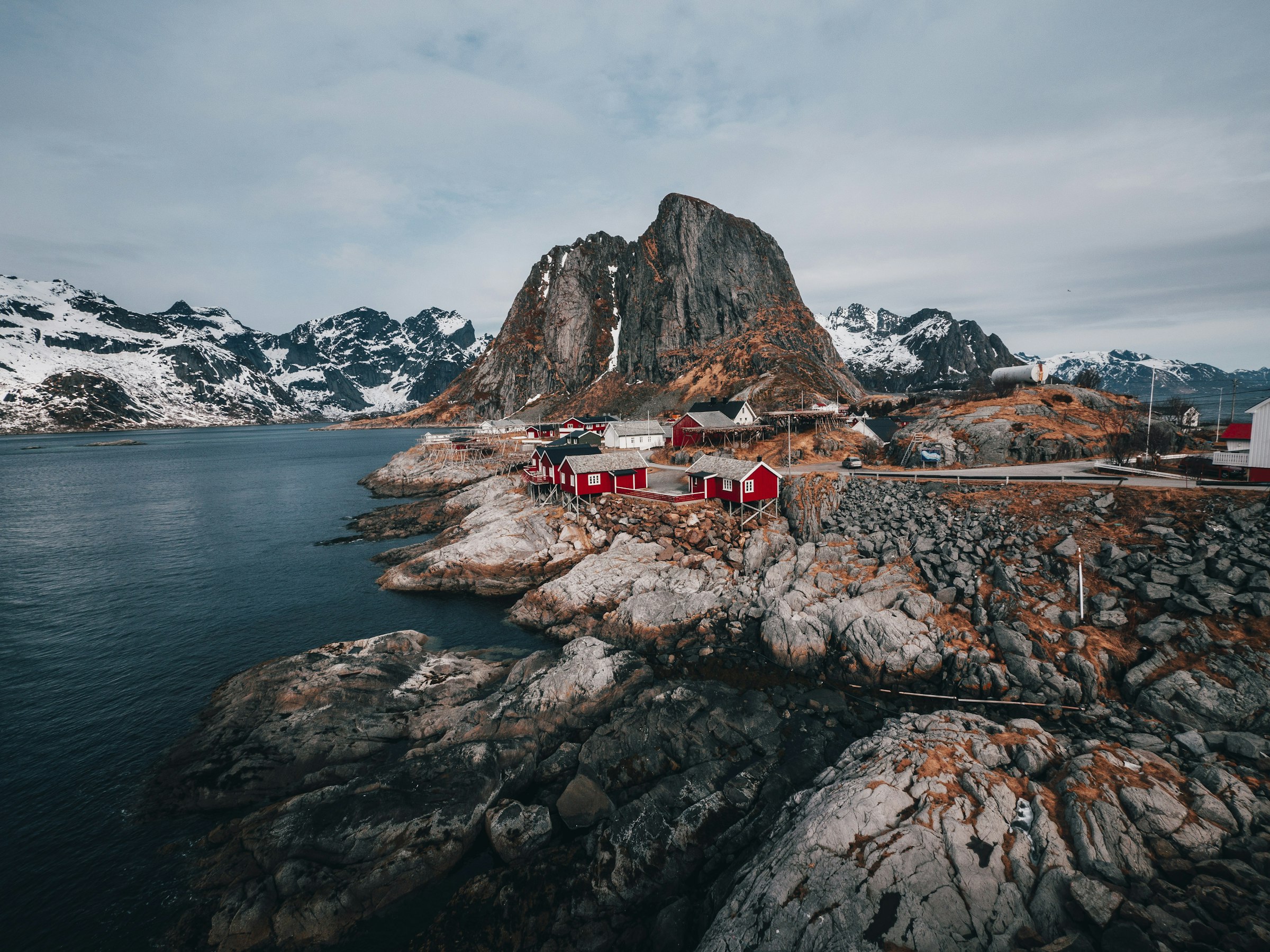
Norway
Fjords, northern lights, midnight sun — utterly unlike anywhere else.
Norway is the trip you save for. It is genuinely expensive — but the western fjords and the Lofoten Islands deliver landscapes that nothing else matches. Summer means midnight sun and 24-hour hiking; winter means aurora and skiing without the alpine crowds.
Most first trips split between Bergen and the fjords — the Flåm railway, a ferry up the Nærøyfjord, drives over hairpin mountain passes — or fly north to Lofoten for fishing-village cabins and ridge hikes that rise straight out of the sea. In summer the days barely end, so you hike at 10pm because you can. Managing the budget becomes its own activity: supermarket picnics, cabin kitchens, and accepting that every restaurant meal costs more than you expect.
The honest part: the prices are not a rumor — a casual dinner and two beers can cost what a good restaurant meal does elsewhere, and there is no workaround beyond cooking for yourself. Grey, wet spells roll in even in July, Trolltunga and Preikestolen are queues in high season, and an aurora trip can deliver a week of solid cloud. Budget travelers and food-first travelers should look south. Everyone else gets landscapes with genuinely no substitute.
Highlights
-
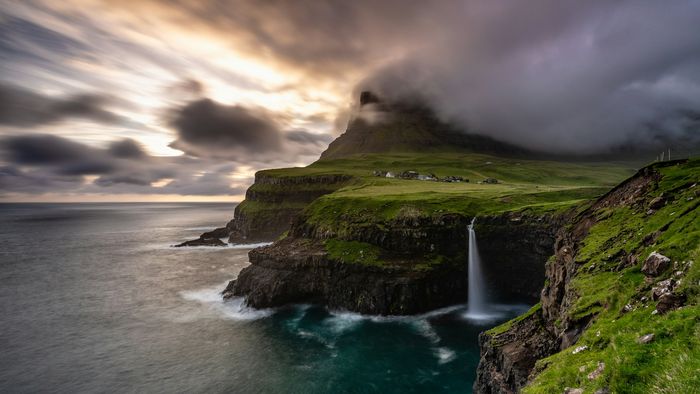
Lofoten Islands
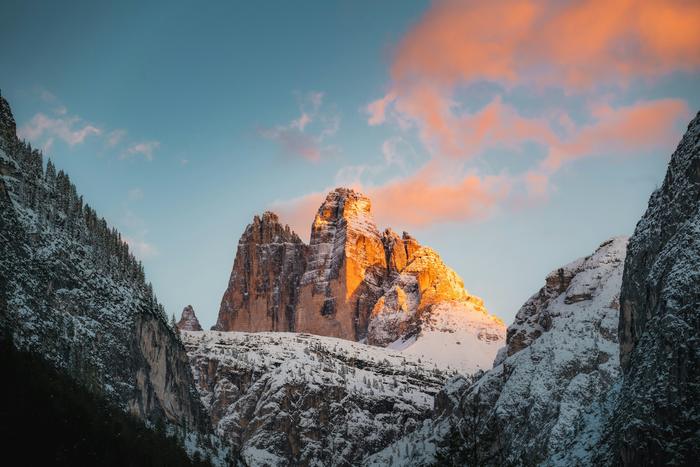
Sharp peaks rising directly from the Arctic Ocean.
-
Western fjords (Geiranger, Aurland)
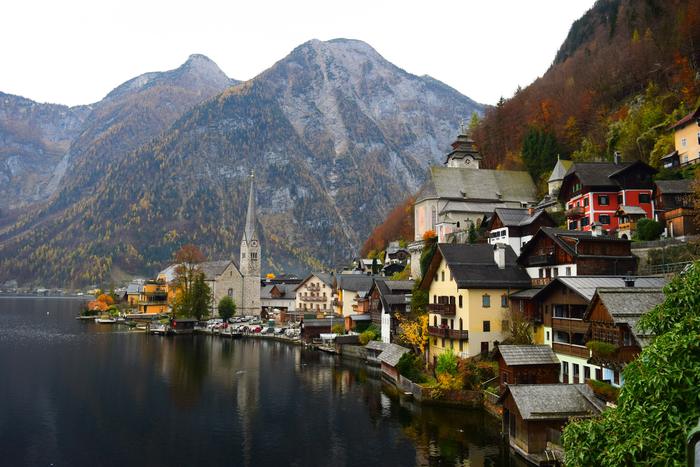
The classic fjord drives and ferry rides.
-
Tromsø
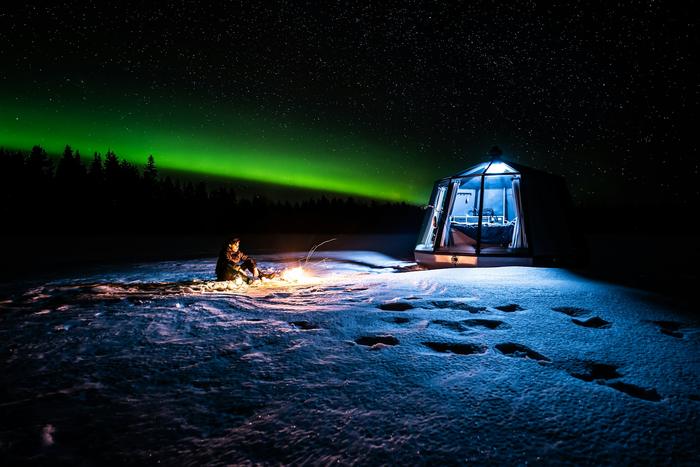
Aurora-watching base in winter, hiking base in summer.
-
Bergen & the Hurtigruten
Atmospheric port city plus the coastal voyage north.
Practical info
- Visa
- Schengen — visa-free for most Western passports (90 days).
- Currency
- NOK (Krone). Roughly 11 NOK ≈ 1 USD.
- Language
- Norwegian. English universal.
- Safety
- Very safe. Weather is the only real risk.
- Getting around
- Hire car or trains. Hurtigruten and ferries for the coast.
- Tap water
- Tap water excellent — sometimes better than bottled.
- Plug type
- Type C Type F 230V
- Money
- Cashless society. Cards everywhere.
General guidance — visas, safety, and health change, so check your government's travel advisory and the official sources before you go.
Common questions
- When is the best time to visit Norway?
- Summer (June–August) for the fjords, midnight sun and open mountain roads — the busy, pricey peak — and winter (November–March) for the northern lights in the Arctic north around Tromsø. The key split: the fjords are a summer product, while winter is for the Arctic (lights, skiing), not fjord road-trips, since the scenic mountain passes close. May brings peak waterfalls from snowmelt; September, autumn colour and thinner crowds.
- What is “Norway in a Nutshell”?
- The classic self-guided Oslo–Bergen combo (from about 2,700 NOK): the scenic Bergen Railway, the steep Flåm Railway down to the fjord, and a cruise through the narrow Nærøyfjord, linked by a bus. It’s the efficient way to see the marquee fjord scenery without a car, doable in a day but better over two or three.
- Why is Norway so expensive?
- It’s Iceland-tier: a draught beer runs 100–130 NOK (about €10), a mid-range dinner for two 600–900 NOK, and hotels, fuel, tolls and fjord ferries all add up. Alcohol above supermarket strength is sold only at state Vinmonopolet shops (closed Sundays), which is why bar prices shock. The budget move is to self-cater from discount chains like Rema 1000 and Kiwi.
- Do you need a car in Norway?
- Not for the Norway-in-a-Nutshell route or city-to-city rail, which are superb. A car helps for the Lofoten Islands, the Atlantic Road, the far north and remote fjord villages — but note the country is long and slow, fjord ferries and mountains break up the drives, and the scenic mountain roads close in winter. For distance, Norwegians fly (Widerøe serves the small airports).
- Is Norway or Iceland the better trip?
- Norway for grander, greener fjord scenery and more variety — the two UNESCO fjords, the Lofoten Islands, scenic railways — if you have the time, because it’s big and slow to cover. Iceland for a compact, otherworldly week you can loop by road. Both are equally, eye-wateringly expensive. See our full comparison.
The fjords
The scenery is spread out — and the transport is the sight
Norway isn’t a loop like Iceland; it’s a long country where the trains, boats and roads are the experience.
The headline is the fjords — the two UNESCO ones, Geirangerfjord in the north and Nærøyfjord, the world’s narrowest, off the vast Sognefjord — and the way you see them is itself the attraction. “Norway in a Nutshell” strings together the scenic Bergen Railway, the steep Flåm Railway and a Nærøyfjord cruise into an efficient Oslo–Bergen run without a car. Bergen, with its UNESCO Bryggen wharf, is the fjord gateway; the Hurtigruten and Havila coastal ships make the classic Bergen–north voyage; and the marquee hikes — Preikestolen’s Pulpit Rock from Stavanger, the tougher Trolltunga — are day-long mountain efforts. It’s bigger and slower than Iceland, so it’s rail, coast and flights, not one road.
When to go
The fjords are summer; winter is the Arctic
The single core planning fact: a winter fjord road-trip doesn’t work — the passes are shut.
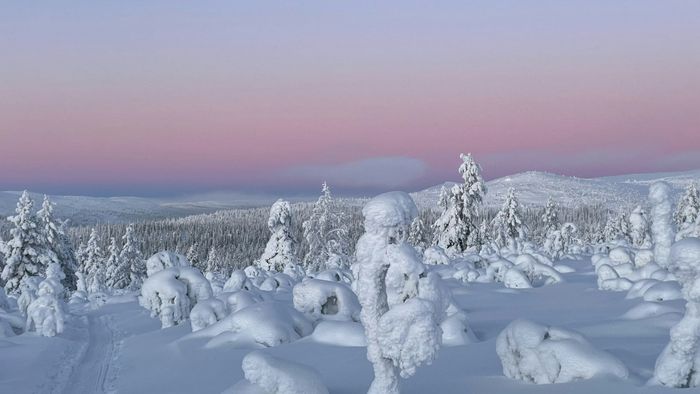
The best fjord window is May to September: the waterfalls peak with the late-spring snowmelt, and the scenic mountain roads (Trollstigen and most of the National Scenic Routes) are only open roughly mid-May to October or November. Build a winter trip around fjord driving and you’ll hit closed passes; build it around Tromsø and the Arctic north — northern lights, skiing — and it works. The lights are far-north-only and never guaranteed (you need dark skies and solar activity), running roughly late September to early April. And pack for rain regardless: Bergen is the rainiest city in Europe, wet on some 240 days a year.
The cost
Iceland-tier, and the alcohol makes it worse
Plan the budget before the itinerary — the sticker shock is the number-one complaint.
Norway sits in the same top tier as Iceland: a mid-range dinner for two runs 600–900 NOK, a hotel 1,400–2,300, and fuel, road tolls (billed automatically to foreign plates via AutoPASS) and frequent fjord car-ferries all stack up. Alcohol is the sharpest edge — anything above supermarket-strength beer is sold only at state Vinmonopolet shops, heavily taxed and closed Sundays, which is why a bar beer is around €10. The standard budget move is to self-cater from the discount chains. It’s worth knowing the country is nearly cashless (the Vipps app is everywhere, but international cards work fine).
Good to know
Right to roam, great English, live EU borders
The practical footnotes — including a genuinely unusual legal perk.
Norway is Schengen and EEA but not the EU, visa-free 90 days, with the EU’s biometric Entry/Exit System now in force (fingerprint-and-photo on arrival); ETIAS is still to come. The currency is the krone (not the euro), English is near-universal and excellent, plugs are European Type C/F, and the tap water is superb. The unusual perk is allemannsretten, the right to roam: you can walk, ski and wild-camp freely on uncultivated land without asking, provided you stay at least 150 metres from any house and move on after a couple of nights — a legal expression of the Norwegian friluftsliv, open-air-life culture. The country is very safe; the real hazards are the weather and the big exposed hikes, which people routinely underestimate.
Sources
Where this comes from
The detail above was read off primary sources on — operator timetables, municipal ordinances, regional tourism boards, national statistics offices and first-hand traveller reports, rather than other travel articles. Researched and maintained by Dmitrii Romashchin — how we research.
Compare Norway with
If you like Norway, also consider
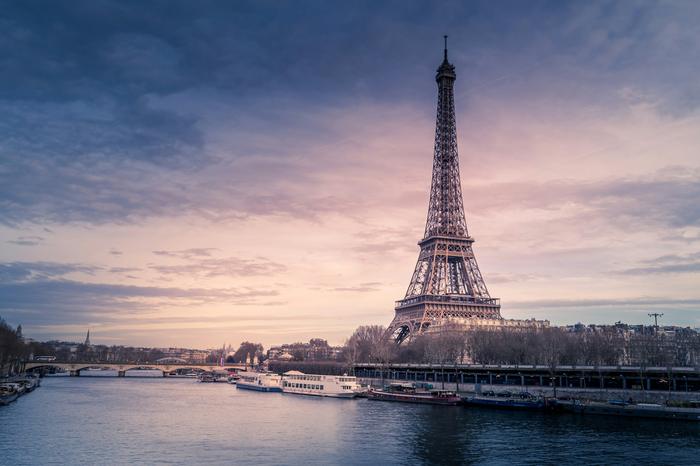
France
Paris is only the opening act — wine country, the Alps, and two coastlines.
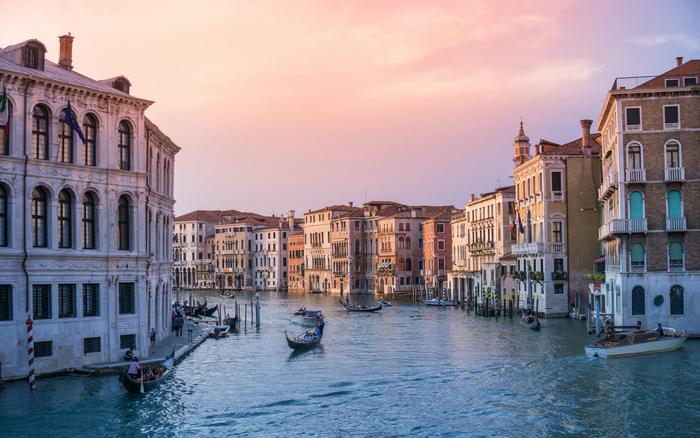
Italy
The benchmark for food, history, and beauty.
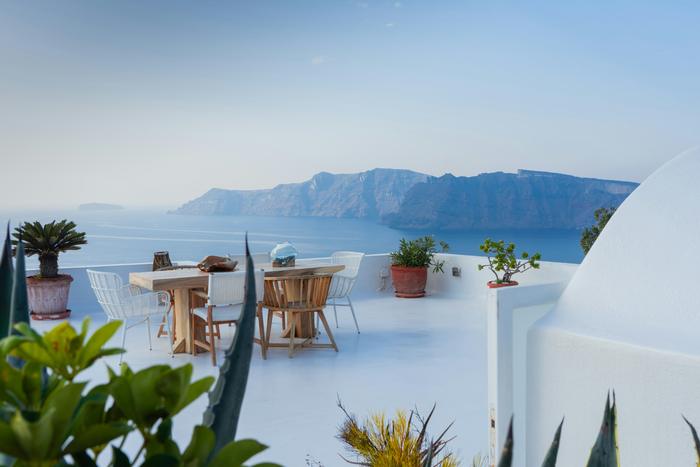
Greece
Ruins in the morning, a swim by noon, taverna until dark.
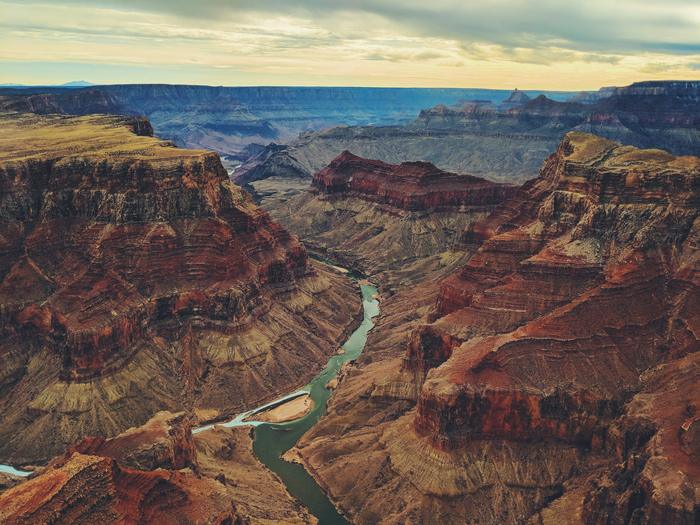
United States
A continent pretending to be a country — cities, deserts, and the best national parks anywhere.
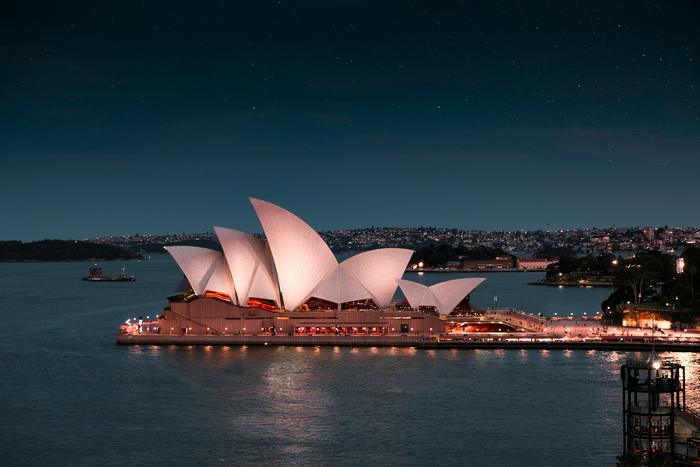
Australia
Vast, varied, relaxed. Reef, Sydney, and proper wilderness in one.
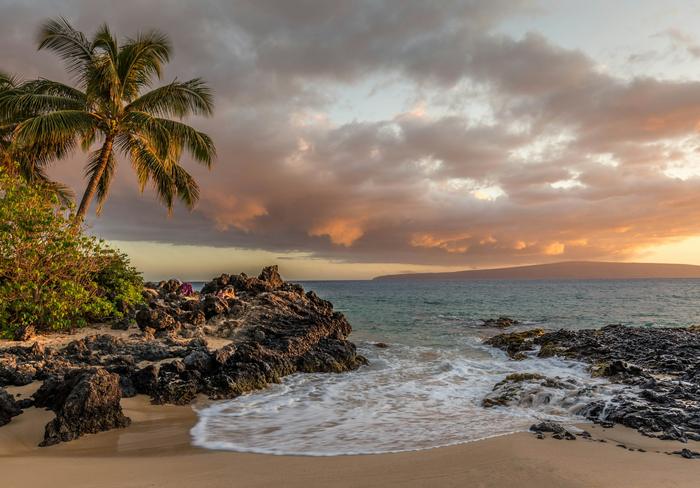
Hawaii
A handful of islands where the landscapes and the ocean genuinely earn the flight.
Not sure where to go
Take the 5-minute quiz
Answer a few honest questions and get matched to destinations that actually fit how you travel.
Start the quiz