Faroe Islands
Eighteen green, cliff-walled islands in the North Atlantic — grass-roofed hamlets, waterfalls off the edge of the world.
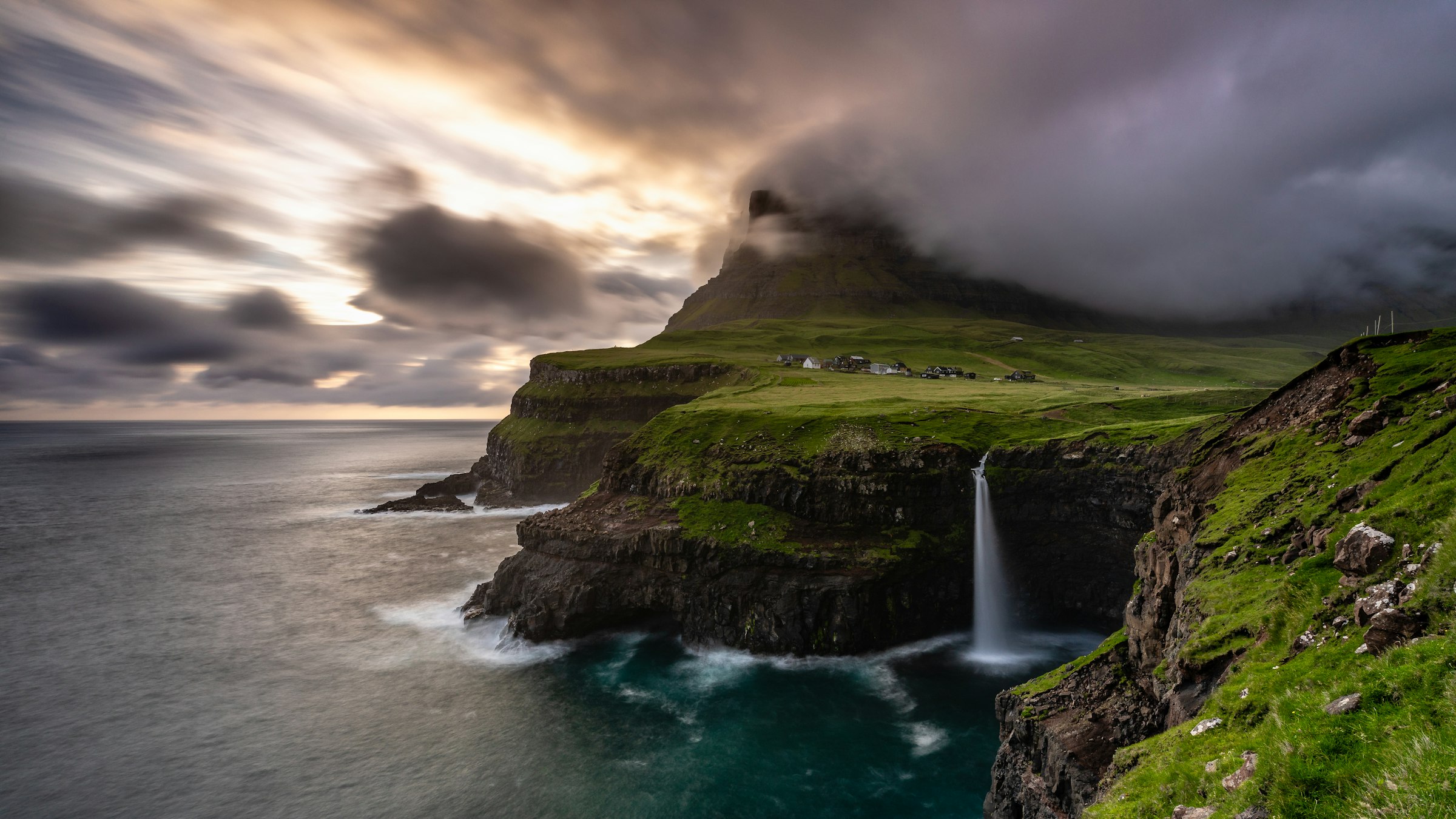
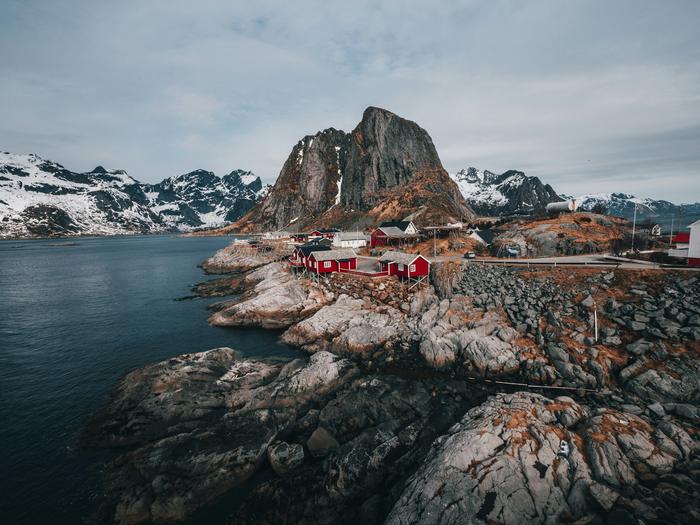
The Faroe Islands are a scatter of eighteen steep, treeless, impossibly green islands halfway between Iceland and Norway, tied together by tunnels and ferries and grazed by more sheep than people. They trade entirely on landscape: sea cliffs, waterfalls that pour straight into the ocean, grass-roofed villages, and a moody, ever-shifting light. It's one of Europe's last genuinely wild, uncrowded corners — and small enough to see a lot of in a few days.
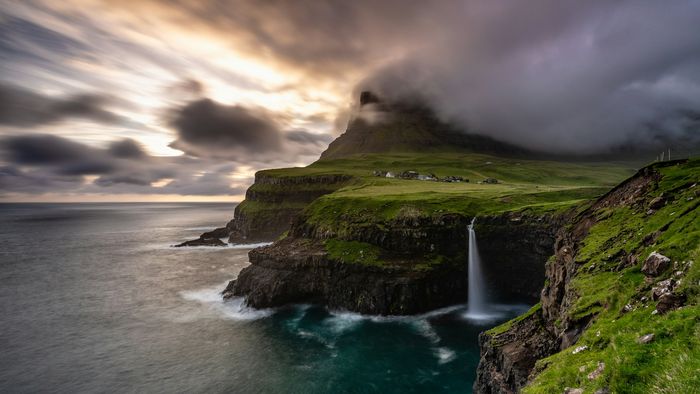
This is a driving-and-hiking trip, and the distances are short — sub-sea tunnels link the main islands, so you can base in the tiny capital, Tórshavn, and reach most of it on day trips. The set-pieces are almost absurdly photogenic: the Múlafossur waterfall tumbling off a cliff beside the hamlet of Gásadalur; the optical illusion of Sørvágsvatn, a lake that appears to hang high above the crashing ocean; the black-sand, grass-roofed village of Saksun in its natural amphitheatre; and the walk out to the Kallur lighthouse on Kalsoy. In summer the sea cliffs teem with puffins. Between the sights it's just green, empty, sheep-dotted road and sudden weather.
The honest part: the weather is the whole gamble. The Faroes are wet, windy, and famously changeable — fog can swallow a viewpoint for a day, and 'four seasons in an hour' is the norm, so you need flexibility and good waterproofs, not a fixed shot-list. There are essentially no beaches, minimal nightlife, and few conventional 'attractions' beyond the landscape itself; some hikes now charge access fees across private farmland. Prices are Scandinavian. But for dramatic, empty, end-of-the-world scenery a short flight from Europe, almost nowhere delivers more per square mile.
Highlights
-
Múlafossur waterfall
A waterfall pouring straight off a cliff into the Atlantic beside the tiny village of Gásadalur — the Faroes’ signature shot.
-
Sørvágsvatn
The lake that seems to float high above the ocean — an optical illusion you walk to along the cliffs.
-
Saksun
A handful of black-tarred, grass-roofed houses in a natural amphitheatre above a tidal lagoon.
-
Kallur lighthouse, Kalsoy
A ferry and a hike to a lighthouse on a knife-edge headland — the most dramatic walk in the islands.
-
Tórshavn
One of the world’s smallest capitals: a turf-roofed old quarter, harbour, and a couple of surprisingly good restaurants.
-
Puffins & birdcliffs
Summer sea cliffs, especially on Mykines, crowded with puffins and seabirds.
Practical info
- Visa
- Not in the Schengen Area, but visa-free for most Western passports (check requirements). Verify before travel.
- Currency
- Danish Krone (DKK); Faroese notes also circulate.
- Language
- Faroese and Danish; English widely spoken.
- Safety
- Very safe; the hazards are weather, cliffs, and narrow roads, not crime.
- Getting around
- Rent a car — tunnels and ferries link the islands; some trailheads charge access fees.
- Tap water
- Tap water is safe.
- Plug type
- Type C Type F Type K 230V
- Money
- Cards accepted everywhere, even remote villages.
General guidance — visas, safety, and health change, so check your government's travel advisory and the official sources before you go.
Common questions
- When is the best time to visit Faroe Islands?
- Faroe Islands is at its best in May–August. It's best to avoid January, February, November.
- How many days do you need in Faroe Islands?
- Most trips run about 1 week, depending on how much ground you want to cover.
- Is Faroe Islands expensive?
- Plan for mid-range daily spend, depending on how you travel.
- Is Faroe Islands safe for travelers?
- Very safe; the hazards are weather, cliffs, and narrow roads, not crime.
- Do you need a visa for Faroe Islands?
- Not in the Schengen Area, but visa-free for most Western passports (check requirements). Verify before travel.
Compare Faroe Islands with
If you like Faroe Islands, also consider
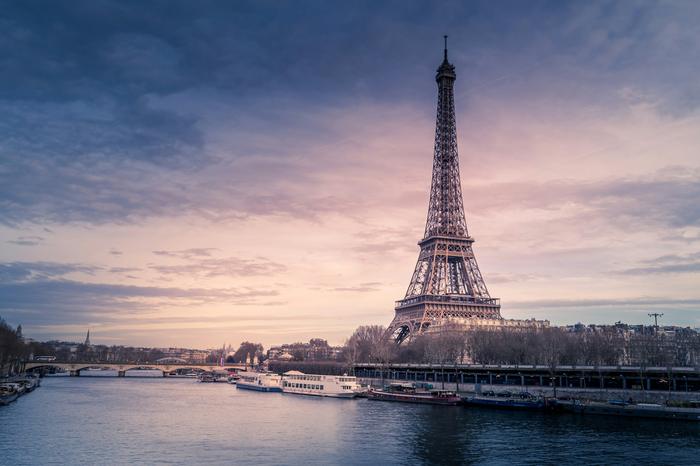
France
Paris is only the opening act — wine country, the Alps, and two coastlines.
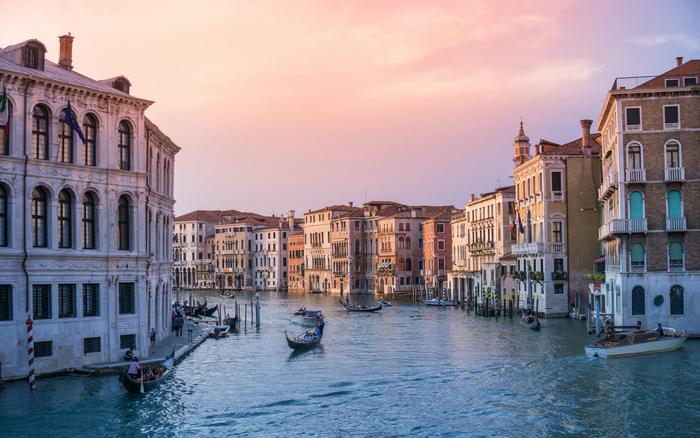
Italy
The benchmark for food, history, and beauty.
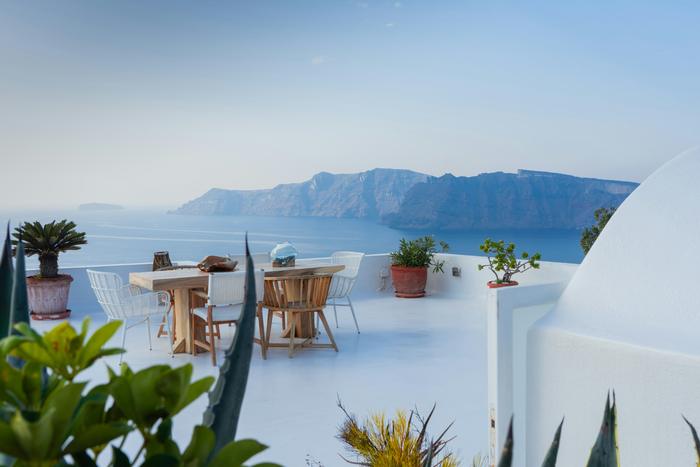
Greece
Ruins in the morning, a swim by noon, taverna until dark.
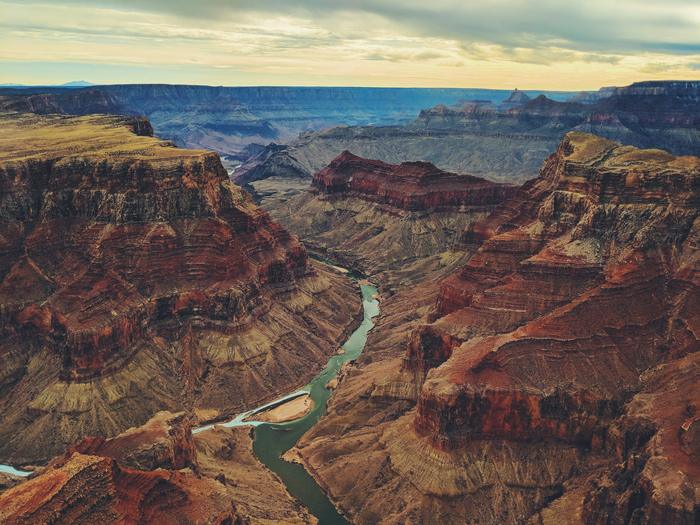
United States
A continent pretending to be a country — cities, deserts, and the best national parks anywhere.
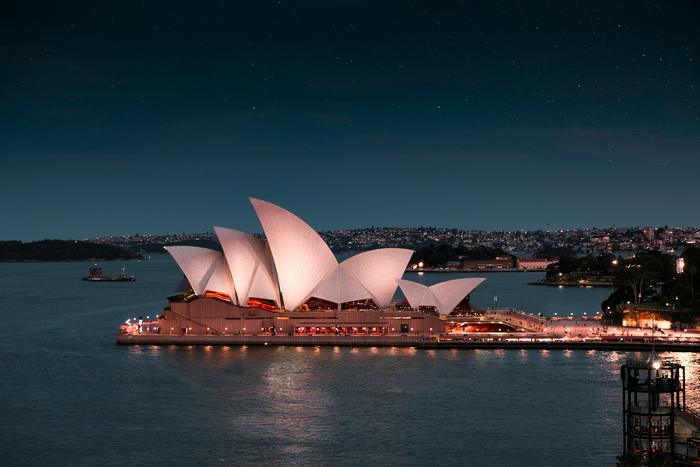
Australia
Vast, varied, relaxed. Reef, Sydney, and proper wilderness in one.
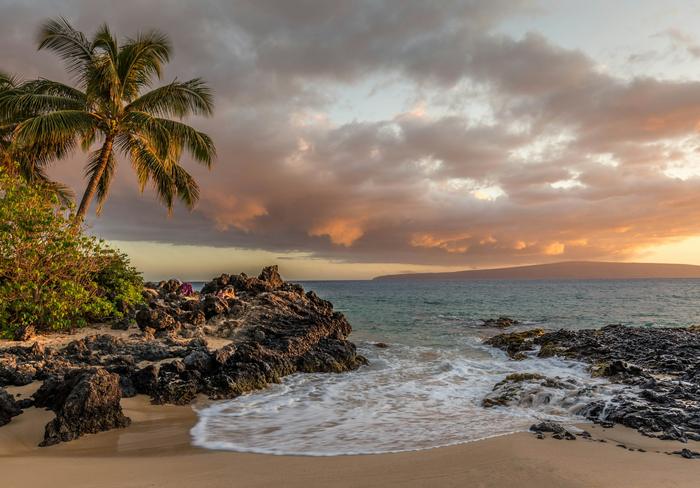
Hawaii
A handful of islands where the landscapes and the ocean genuinely earn the flight.
Not sure where to go
Take the 5-minute quiz
Answer a few honest questions and get matched to destinations that actually fit how you travel.
Start the quiz