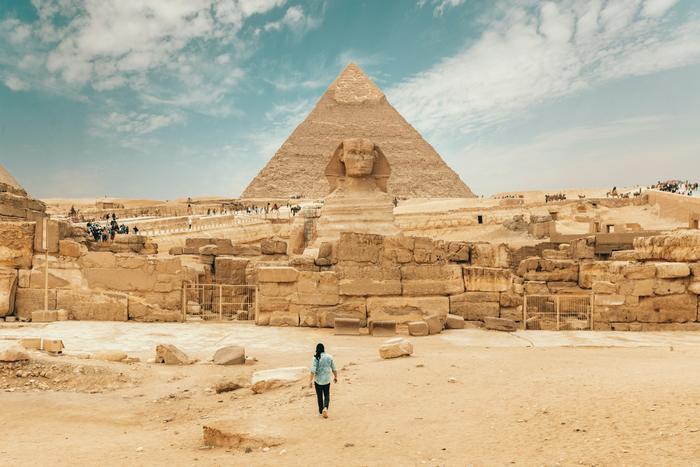
Egypt
The pyramids and Luxor — unmatched ancient sites.
- January: peak
- February: peak
- March: peak
- April: fine
- May: fine
- June: avoid
- July: avoid
- August: avoid
- September: fine
- October: peak
- November: peak
- December: peak
Two North African heavyweights, each a classic in its own right. Egypt is the ancient-civilisation trip — the Pyramids, the new Grand Egyptian Museum, the temples of the Nile and world-class Red Sea diving, a bucket-list epic. Morocco is the sensory crossroads — the labyrinthine medinas of Marrakech and Fez, the High Atlas mountains and real Sahara dunes, an immersive, bargain-hard experience. One is monumental ancient history; the other living medinas, mountains and desert.
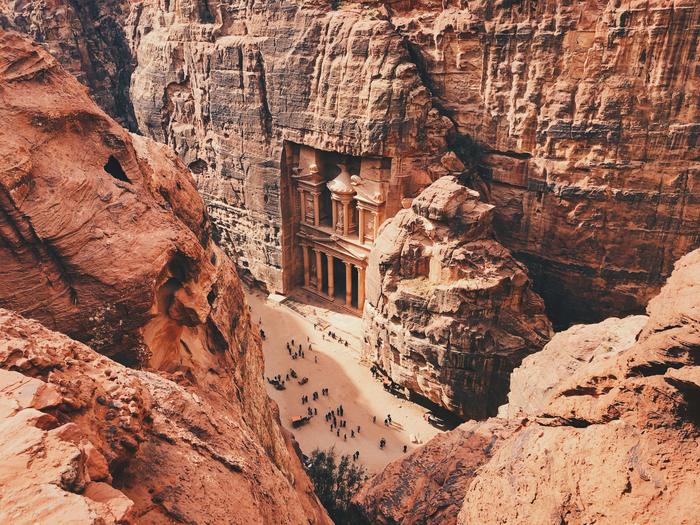
The pyramids and Luxor — unmatched ancient sites.
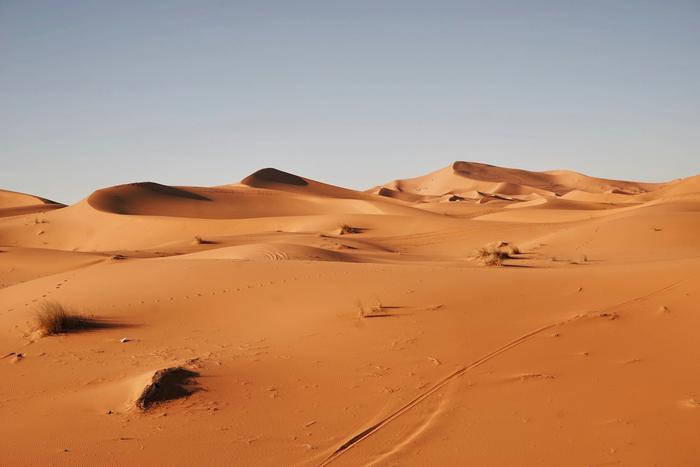
Medinas, desert, mountains, and coast — sensory and varied.
Read our full guides about Egypt and Morocco.
Emphasised where they differ. Muted rows are much the same either way.
| Egypt | Morocco | |
|---|---|---|
| Best time | October–March | March–May, October, November |
| Climate | warm | warm |
| Budget | Cheaper than it was since the 2024 float — but site fees stack up | Cheap — good value (plan cash around the closed dirham) |
| Trip length | 1–3 wks | 1–4 wks |
| Visa | E-visa or visa-on-arrival for most nationalities (30 days). | Visa-free for most Western passports (90 days). Verify before travel. |
| Currency | EGP (Egyptian Pound). Roughly 49 EGP ≈ 1 USD. | MAD (Dirham). Roughly 10 MAD ≈ 1 USD. |
| Language | Arabic. English in tourism but limited otherwise. | Arabic and Berber. French widely spoken; English limited. |
| Tap water | Tap water not safe. | Tap water not recommended outside major hotels. |
| Safety | Tourist routes are safe with police presence. Hassle/baksheesh is constant. | Generally safe. Aggressive vendors and scams in tourist areas — firm "no" works. |
General guidance — visas, safety, and health change, so check your government's travel advisory and the official sources before you go.
The split
Both are North African classics — but one is a bucket-list ancient-civilisation epic, the other a sensory medinas-Atlas-and-Sahara immersion.
Egypt is the ancient-civilisation trip — the Pyramids, the Grand Egyptian Museum, the temples of the Nile and world-class Red Sea diving, a bucket-list epic. Morocco is the sensory crossroads: the labyrinthine medinas of Marrakech and Fez, the High Atlas and real Sahara dunes, an immersive, bargain-hard experience.
The operational detail — Egypt’s visa, the GEM, the Nile logistics and the Sinai safety line; Morocco’s closed dirham, Ramadan rhythms and earthquake recovery — lives on the two guides: Egypt, know before you go and Morocco, know before you go. This page is the head-to-head.
The real difference
The trade: Egypt offers the greatest ancient sights and top diving; Morocco offers medinas, mountains and desert immersion.
Egypt wins on ancient wonder. Nothing in Morocco — or almost anywhere — competes with the Pyramids, the Nile temples and the Tutankhamun treasure, and the Red Sea adds world-class diving. It’s the trip of a lifetime, if a more linear one with hassle at the big sites.
Morocco wins on variety and immersion. The medinas, the Atlas and the Sahara make it a richer, more sensory journey, cheap once you’re in — accepting the faux-guide hustle and closed-currency logistics. Choose monumental antiquity, or living immersion.
Who suits which
Both are North African classics — but one leans ancient monuments, the other medinas and desert.
| If you want… | Egypt | Morocco |
|---|---|---|
| The greatest ancient sights | Wins. Pyramids, Nile, GEM | Atmospheric, not monumental |
| Labyrinthine medinas and souks | Khan el-Khalili | Wins. Fez, Marrakech |
| World-class diving | Wins. The Red Sea | Atlantic surf, not reefs |
| Mountains (the Atlas) | Deserts, not mountains | Wins. High Atlas |
| A sensory, varied immersion | More linear | Wins. A crossroads |
| A Sahara experience | Western Desert, far | Wins. Merzouga dunes |
Doing both
Libya and Algeria sit between; usually one or the other.
Egypt and Morocco don’t share a practical land route (Libya and Algeria lie between), so combining them means flying, and most people choose one — an ancient-Egypt epic or a Morocco immersion. Each also compares with the region (see Egypt vs Tunisia, Morocco vs Turkey and Morocco vs Tunisia).
What we leave out
Exact prices beyond the structural comparison — Egypt’s site fees and the EGP rate, Morocco’s cheap-but-closed-dirham costs — all move, so the figures here are the shape of the difference, not a quote; the country guides carry the live detail. Each country’s volatile specifics (Egypt’s GEM pricing and security alerts, Morocco’s currency, Ramadan and earthquake recovery) are covered on its guide rather than restated here.
Which of the two is the better bet for each month of the year, scored on how well the season suits each place.
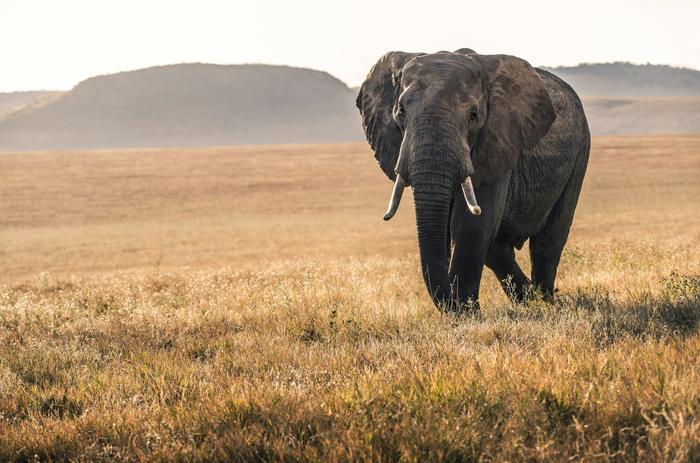
The original safari, plus an Indian Ocean coast to land on afterward.
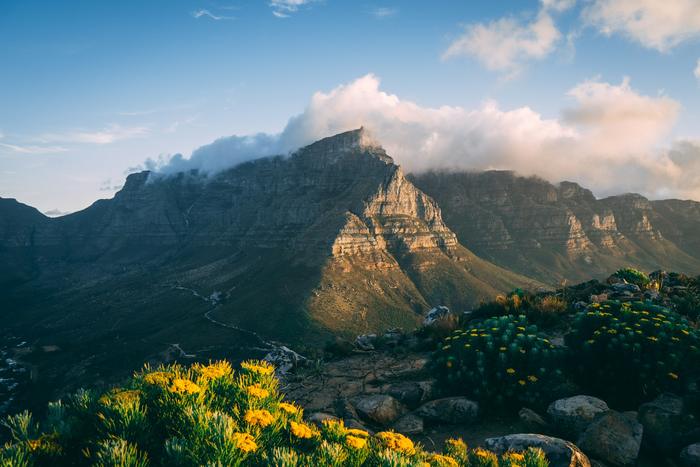
Cape Town, safari, and wine country in one self-drive trip.
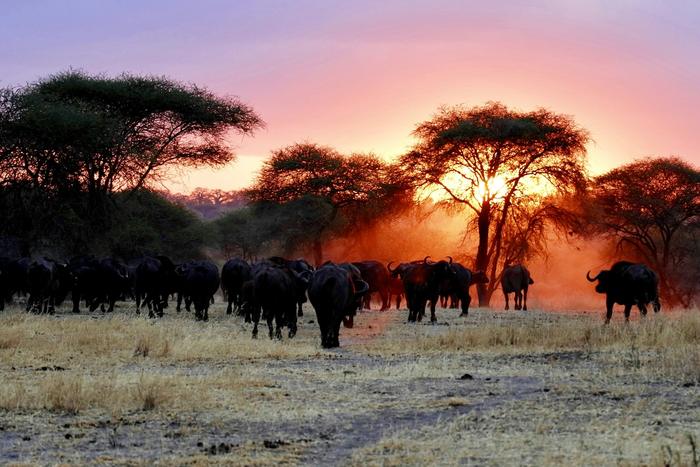
Serengeti, a volcanic crater full of animals, Kilimanjaro, and Zanzibar — in one country.
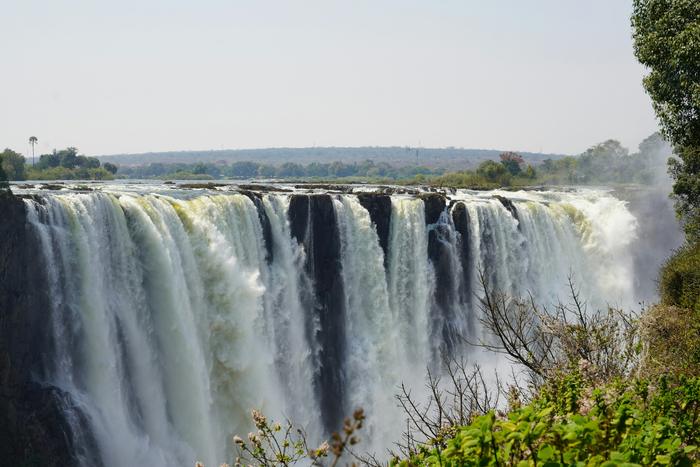
The largest sheet of falling water on Earth, with a town on either side.
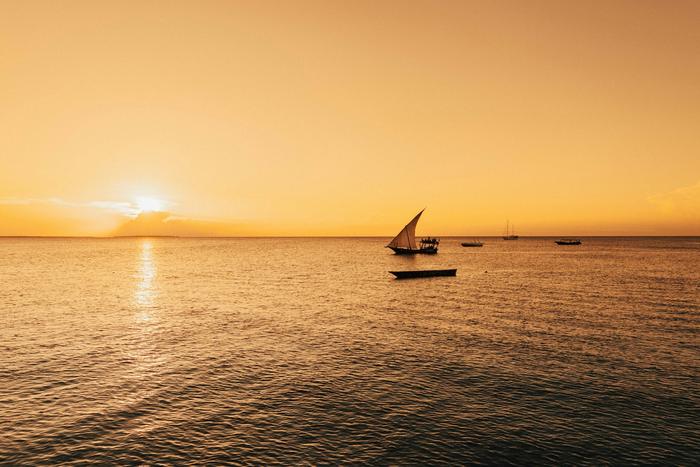
The classic wind-down after a Tanzanian safari — beaches, spice, and a Swahili trading city.
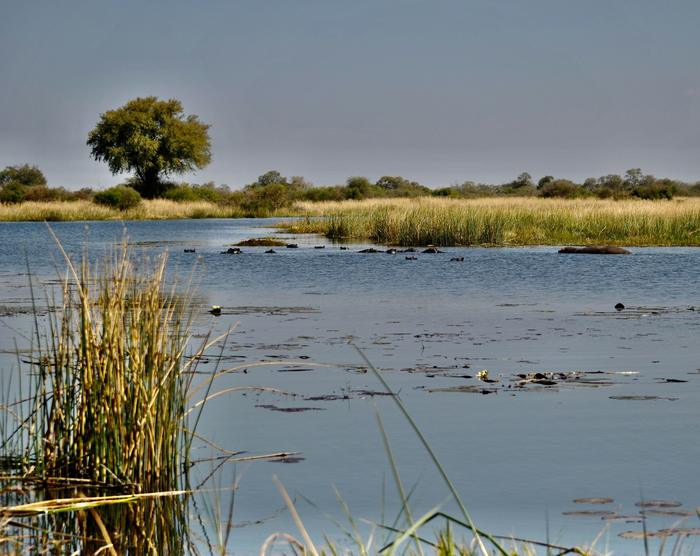
The most exclusive safari in Africa, built around a flooded desert.
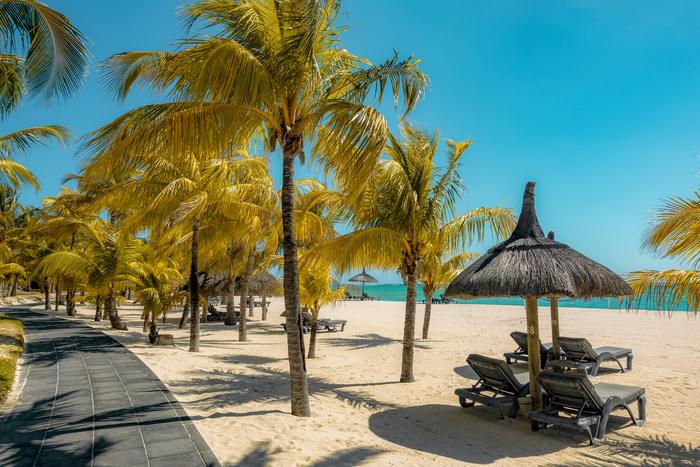
A resort island that actually has an interior worth leaving the beach for.
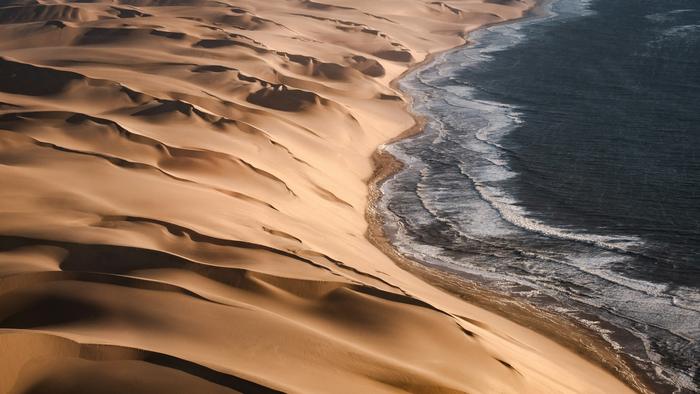
A self-drive epic through some of the emptiest country on Earth.
Still undecided
Three matches. Often answers comparison questions for you.
Start the quiz