Morocco vs Tunisia

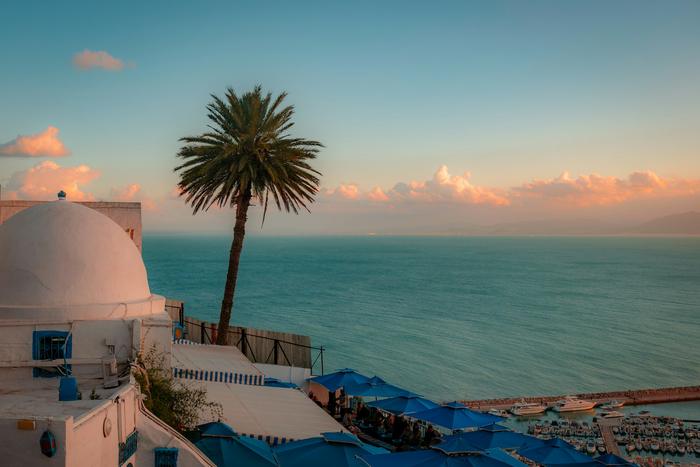
Two North African neighbours, one bigger and one more compact. Morocco is the fuller trip — the labyrinthine medinas of Marrakech and Fez, the High Atlas mountains, real Sahara dunes, and a sensory, bargain-hard intensity. Tunisia is the shorter, cheaper break — Carthage and Roman ruins, the blue-and-white village of Sidi Bou Saïd, resort beaches and a slice of Sahara, all in a small country you can see in a week. One is a varied, immersive North African journey; the other an easy, affordable Mediterranean-and-desert sampler.

North Africa

Morocco

Medinas, desert, mountains, and coast — sensory and varied.

Best time to visit
  1. January: fine
  2. February: fine
  3. March: peak
  4. April: peak
  5. May: peak
  6. June: fine
  7. July: avoid
  8. August: avoid
  9. September: fine
  10. October: peak
  11. November: peak
  12. December: fine
Peak Fine Avoid
North Africa

Tunisia

Rome-grade ruins, real Sahara, and blue-and-white coast — a cheap hop from Europe.

Best time to visit
  1. January: fine
  2. February: fine
  3. March: fine
  4. April: peak
  5. May: peak
  6. June: peak
  7. July: fine
  8. August: fine
  9. September: peak
  10. October: peak
  11. November: fine
  12. December: fine
Peak Fine Avoid
Read our full guides about Morocco and Tunisia.

Side by side

Emphasised where they differ. Muted rows are much the same either way.

Morocco Tunisia
Best time March–May, October, November April–June, September, October
Climate warm warm
Budget Cheap — good value (plan cash around the closed dirham) Very good value — a short, affordable break (mind the closed dinar)
Trip length 1–4 wks 1–2 wks
Visa Visa-free for most Western passports (90 days). Verify before travel. Visa-free for most Western passports (90 days). Verify before travel.
Currency MAD (Dirham). Roughly 10 MAD ≈ 1 USD. TND (Tunisian Dinar).
Language Arabic and Berber. French widely spoken; English limited. Arabic and French; little English spoken.
Tap water Tap water not recommended outside major hotels. Drink bottled water.
Safety Generally safe. Aggressive vendors and scams in tourist areas — firm "no" works. Tourist areas and the main sights are fine with normal caution, but check government advisories and avoid the remote southern and western border regions near Libya and Algeria.

General guidance — visas, safety, and health change, so check your government's travel advisory and the official sources before you go.

The split

A fuller journey, or a compact break

Both are North African crossroads — but one is a bigger, varied medinas-Atlas-Sahara trip, the other a compact, cheaper coast-and-ruins break.

Bigger vs compactthe scaleA rich two-week journey, or an easy week
Medinas vs Romethe historySouks, Sahara and the Atlas, or Carthage and Roman ruins
Immersion vs easethe tripIntense and varied, or low-effort and affordable

Morocco is the fuller trip — the medinas of Marrakech and Fez, the High Atlas, Chefchaouen, the Atlantic coast and real Sahara dunes, a sensory, bargain-hard intensity. Tunisia is the shorter, cheaper break: Carthage and Roman ruins, Sidi Bou Saïd, resort beaches and a slice of Sahara, all in a small country you can see in a week.

The operational detail — each country’s closed currency, Ramadan rhythms and advisory geography; Morocco’s earthquake recovery; Tunisia’s state of emergency — lives on the two guides: Morocco, know before you go and Tunisia, know before you go. This page is the head-to-head.

The real difference

Varied immersion, or an easy sampler

The trade: Morocco offers medinas, mountains and desert depth; Tunisia offers an affordable, low-effort coast-and-ruins break.

Morocco wins on variety and immersion. The medinas, the Atlas and the Sahara make it a richer, more sensory journey worth two weeks — accepting the faux-guide hassle, the closed-currency logistics and longer distances.

Tunisia wins on ease, value and simplicity. A short, cheap week combining genuinely good Roman ruins with resort beaches and a desert taste, in a relaxed corridor — far less effort than Morocco, if without the depth. Choose the fuller journey, or the easy break.

Who suits which

Who each actually suits

Both are North African — but one leans variety and immersion, the other cheap, easy brevity.

If you want…MoroccoTunisia
Labyrinthine medinas and souksWins. Fez, MarrakechTunis medina, smaller
Roman ruinsVolubilisWins. Carthage, El Djem, Dougga
Mountains (the Atlas)Wins. High AtlasLow hills
A short, cheap, easy weekA bigger tripWins. Compact and affordable
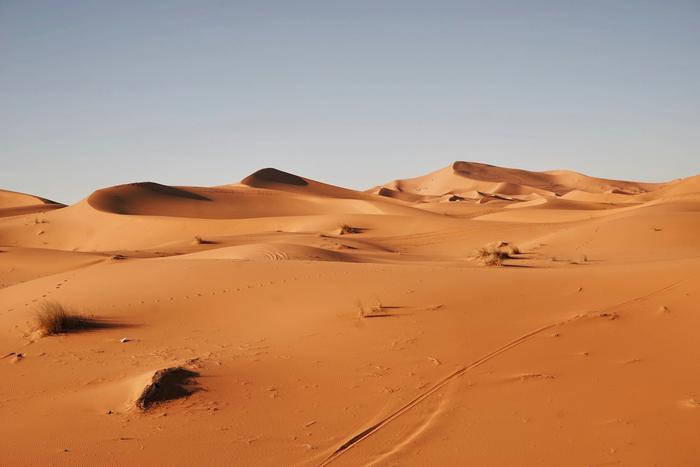
Sahara depthWins. Merzouga dunesAccessible desert taste
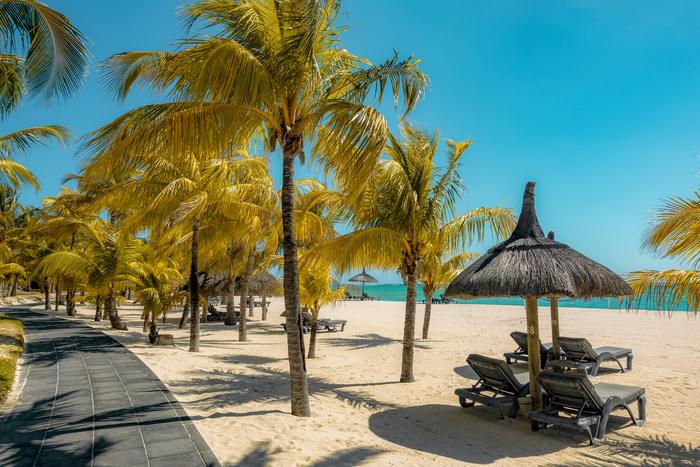
Resort beachesAtlantic surfWins. Hammamet, Djerba

Doing both

No tourist land route — pick one

Algeria sits between, with a closed border.

Morocco and Tunisia don’t share a practical tourist land route (Algeria lies between, with a closed border), so combining them means flying, and most people choose one — a fuller Morocco journey or an easy Tunisia break. Each also compares with the region (see Morocco vs Turkey and Egypt vs Tunisia).

What we leave out

What we deliberately leave out

Exact prices beyond the structural comparison — both are cheap, with closed-currency logistics, and move with season — so the figures here are the shape of the difference, not a quote; the country guides carry the live detail. Each country’s currency rules, Ramadan timing and advisory zones are covered on its guide rather than restated here.

Morocco or Tunisia, month by month

Which of the two is the better bet for each month of the year, scored on how well the season suits each place.

Which to choose

Choose Morocco if:

  • Medinas, the Atlas and the Sahara on a fuller trip are the draw.
  • You want an intense, varied North African immersion.
  • Mountains and desert depth over a compact beach break.

Choose Tunisia if:

  • A short, cheap, easy Mediterranean-and-ruins break is the goal.
  • Roman ruins and resort beaches over medinas and mountains.
  • Low effort and a taste of the Sahara over a big journey.

Common questions

Is Morocco or Tunisia more varied?
Morocco, clearly — it packs imperial medinas (Marrakech, Fez), the High Atlas mountains, the blue town of Chefchaouen, the Atlantic coast and real Sahara dunes into one country, enough for a rich two-week trip. Tunisia is more compact — Carthage and Roman ruins, Sidi Bou Saïd, resort beaches and a desert taste — a satisfying week rather than a sprawling journey. For variety and depth, Morocco; for an easy, focused break, Tunisia.
Which has the better history and sights?
Different strengths. Tunisia has the Roman headliners — Carthage, the El Djem amphitheatre, Dougga — superbly preserved. Morocco’s draws are more atmospheric and Islamic-Berber — the medinas and souks, the Sahara, Aït Benhaddou, the Hassan II Mosque. For Roman ruins, Tunisia; for medina atmosphere and desert, Morocco.
Which is cheaper and easier?
Both are good value, with closed currencies to plan around. Tunisia is the cheaper, lower-effort short break — compact, with beaches and ruins close together. Morocco is still inexpensive but a bigger trip, with the faux-guide hustle and longer distances (the Sahara is a multi-day tour). For an easy, cheap week, Tunisia; for a fuller, more rewarding journey, Morocco.
What about money and safety?
Both use closed currencies (the Moroccan dirham and Tunisian dinar) you can’t buy abroad and must reconvert before leaving, keeping receipts. Both are generally safe in their tourist areas, with warnings reserved for specific border/desert zones (Morocco: the closed Algeria border and parts of Western Sahara; Tunisia: the Algeria/Libya frontiers and interior mountains, plus a standing state of emergency). The guides carry the current detail: Morocco and Tunisia.
Can I combine them?
They don’t share a practical tourist land route (Algeria sits between, with a closed border), so combining them means flying, and most people choose one. The decision is a fuller Morocco journey versus an easy Tunisia break. Each also compares with the region — Morocco with Turkey, Tunisia with Egypt.

Still undecided

Take the quiz

Three matches. Often answers comparison questions for you.

Start the quiz