
Mauritius
A resort island that actually has an interior worth leaving the beach for.
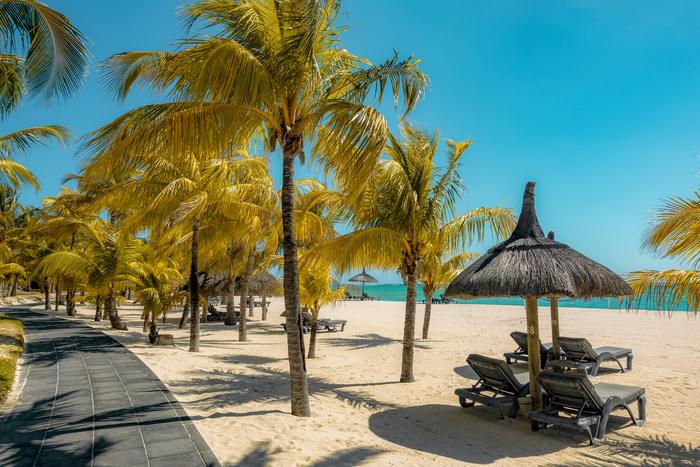
Mauritius is sold as a honeymoon beach but works best when you treat the lagoon as the base camp and not the whole trip. Rent a car and the island opens up: a mountain national park, a town market that smells of cumin and frangipani, coloured earth in the hills, and a food culture that mixes Indian, Creole, French, and Chinese on the same plate. The beaches are genuinely good; the interior is the surprise.
A week here splits neatly. Half of it goes to the water — a resort or villa on the calm north or west coast, snorkelling the lagoon, a catamaran day out to the islets. The other half is a road trip: south to the Le Morne peninsula under its sheer basalt mountain, into Black River Gorges for waterfalls and forest, up to the seven coloured earths at Chamarel, and into Port Louis to eat dholl puri at the central market for the price of a coffee back home. Food is where this island quietly outperforms its rivals.
The honest part: Mauritius is resort-heavy and priced like it, and the lagoon-front strips can feel sealed off from the actual country. It also rains more than the brochures admit — the central plateau is wet much of the year and the summer months bring real downpours and the occasional cyclone. Service can be slow, and without a car you will be stuck in your resort. If you want only a lounger and a buffet, you are overpaying for the interior you will never see. Hire the car.
Highlights
-
Le Morne
A basalt peninsula over a turquoise lagoon — and the island’s best kitesurfing.
-
Black River Gorges
The interior national park: waterfalls, forest, and viewpoints over the south.
-
Chamarel
The seven-coloured earths and a waterfall, plus rum distilleries nearby.
-
Port Louis market
Street food and spice in the capital — the cheapest, best eating on the island.
Practical info
- Visa
- Visa-free for most Western passports (up to 90 days). Verify before travel.
- Currency
- MUR (Mauritian Rupee).
- Language
- Creole, French, and English.
- Safety
- Very safe; standard precautions for valuables on the beach.
- Getting around
- Hire a car to see the interior; resort transfers and taxis otherwise.
- Tap water
- Tap water generally safe; many prefer bottled.
- Plug type
- Type C Type G 230V
- Money
- Cards widely accepted; carry cash for markets and street food.
General guidance — visas, safety, and health change, so check your government's travel advisory and the official sources before you go.
Common questions
- What do I need to enter Mauritius, and is there a tourist tax now?
- Entry is easy — visa-free for up to 90 days for US, UK, EU, Canadian and Australian passports, with a passport valid six months and a blank page. But two things are newer. First, you must complete the free online “All-in-One” Travel Digital Form (immigration + health + customs) within 72 hours before arrival — it generates a QR code, and airlines can deny boarding without it. Second — and this is the big change — Mauritius introduced a tourist fee of €3 per person per night on 1 October 2025, payable by each traveller aged 12+ staying in hotels, guesthouses and tourist residences, collected by the accommodation. (Under-12s, Mauritius residents and the island of Rodrigues are exempt.) It’s small, but budget for it.
- Do I really need to hire a car?
- If you want to see the interior that makes Mauritius more than a beach — yes, effectively. You can stay resort-bound and rely on transfers, taxis and tours, but the island’s best surprises — the Black River Gorges national park, the coloured earths and waterfall at Chamarel, the basalt peninsula of Le Morne, and the street food of Port Louis market — are dispersed and far easier with your own car. Driving is on the left; most agencies want drivers to be at least 23. Taxis are unmetered in practice, so agree the fare before you ride, or use the Yugo or MauriRide apps for fixed pricing. The commuter Metro Express light rail serves the urban central belt (Port Louis–Curepipe), not the resort coast, so it’s of little use to most tourists.
- When should I go, and how bad is the rain?
- The best months are the cool, dry austral winter, May to October. The summer (November–April) is hotter and much wetter, and it’s the cyclone season (peak January–March), with direct hits every few years and heavy rain and storms more often. Note too that the central plateau is wet much of the year — far more than the coast — so the “it rains more than the brochures admit” reputation is mostly about the interior and the summer. For a dependable beach-and-interior trip, aim at the May–October window.
- Which sights cost money, and which are free?
- Most of the island’s landscape is free to access: Black River Gorges National Park (no entry fee, no booking), Le Morne’s beach and mountain, Port Louis central market, Île aux Cerfs (you pay only for the boat transfer and activities), and Blue Bay Marine Park (free to snorkel; pay only for a boat or gear). The main paid sight is Chamarel’s Seven Coloured Earths geopark, now about Rs 800 for a non-resident adult — a figure that has roughly tripled from the old ~Rs 250–300 many guides still quote — with the ticket covering the coloured dunes, both Chamarel waterfall viewpoints and a tortoise park. So the island itself is cheap to explore; it’s the resorts and dining that carry the cost.
- Is Mauritius safe?
- Very — it’s one of the safer countries in the region, crime is mostly non-violent, and the UK advises no restriction on travel. The ordinary cautions apply: don’t leave valuables on the beach, agree taxi fares first, and respect the sea (rips and reef). One current-events note: there was brief community unrest with short overnight curfews in mid-October 2026 after a police shooting, since lifted — so glance at your government’s current advisory before you travel, but an ordinary beach-and-interior trip is trouble-free.
- Is there more to Mauritius than the beach?
- Yes — that’s the whole argument of this page. Behind the lagoon are a mountain national park, the coloured earths of Chamarel, the UNESCO peninsula of Le Morne, the sacred Hindu lake of Grand Bassin, the giant water-lilies of Pamplemousses garden, and a Creole-Indian-Chinese-French food culture that is the island’s quiet highlight. Treat the beach as base camp and spend half the trip on the road, and Mauritius becomes a far richer place than the honeymoon-brochure version.
Entry & fees
Visa-free, with a form and a new fee
Entry is simple, but there’s now a pre-arrival form and a small per-night tourist fee to budget for.
The visa side is painless — 90 days visa-free for the main Western passports, on a passport valid six months — but two formalities are easy to miss. You must file the free online All-in-One Travel Digital Form (combining immigration, health and customs) within 72 hours before arrival; it produces a QR code and airlines can refuse boarding without it.
And since 1 October 2025 there’s a €3-per-person, per-night tourist fee, charged to travellers aged 12 and over at hotels, guesthouses and tourist residences and collected by the accommodation (under-12s, Mauritius residents and the sister island of Rodrigues are exempt). It’s modest, but it’s new — a policy of the government that took office in November 2024, and confirmed unchanged for 2026 — so factor it into longer stays.
When to go
Come in the dry winter, leave the beach
Treat the lagoon as base camp, not the whole trip — the interior is the surprise, best in the dry winter.
The cool, dry austral winter (May–October) is the reliable window for both beach and interior. The crimson bars catch people out: summer (Nov–Apr) is hot, wet and carries cyclone risk peaking Jan–March (the bar is shown Jan–Apr); and the central plateau is far wetter than the coast all year — the rain the brochures skip. Come in winter and the beach-plus-interior combination is dependable.
Mauritius is sold as a honeymoon beach, and the beaches are genuinely good, but it works best when you treat the lagoon as base camp and get out into the island: a mountain national park, the coloured earths of Chamarel, the basalt drama of Le Morne, and a food culture that layers Indian, Creole, French and Chinese — the market dholl puri in Port Louis is the cheapest, best eating on the island. A week splits neatly into half water, half road trip.
Time it to the cool, dry winter (May–October). The summer (November–April) is hotter and wetter and carries cyclone risk (peak January–March), and the central plateau stays wet much of the year regardless — the rain the brochures don’t mention is mostly up there. Come in winter and the beach-plus-interior combination is reliable.
- you want a reliable beach-and-interior weekSkipthe November–April wet, cyclone-prone summerGothe May–October dry austral winter
- you’re budgeting for Chamarel on old figuresSkipthe ~Rs 250–300 many guides still quoteGoplanning for ~Rs 800 — the price roughly tripled
- you’re tempted to stay resort-boundSkipseeing only the lagoon stripGoa hire car for Black River Gorges, Chamarel and Le Morne — the real island
Getting around
Hire a car, agree taxi fares
Without a car you’re stuck in the resort — the island rewards driving, on the left.
The practical reality is that without a car you’ll be confined to your resort, and the interior that justifies the trip stays unseen. Hire a car (driving is on the left), and you can reach Black River Gorges, Chamarel, Le Morne and Port Louis on your own schedule. If you’d rather not drive, taxis work but are unmetered in practice, so settle the price before setting off — or use the Yugo or MauriRide apps for fixed fares.
The Metro Express light rail runs a commuter corridor through the central towns (Port Louis to Curepipe) and does not reach the resort coast, so it’s of little use to a beach-based visitor beyond getting into the capital. Resort transfers cover airport runs if you book them.
| Way | Use it for | Note |
|---|---|---|
| Hire car | Black River Gorges, Chamarel, Le Morne | Drive on the left; agencies want drivers 23+ |
| Taxi | Door-to-door without driving | Unmetered in practice — agree the fare up front |
| Yugo / MauriRide app | Fixed-price rides | The app alternative to haggling a taxi |
| Metro Express | The Port Louis–Curepipe urban belt | Does not reach the resort coast |
Resort transfers cover airport runs if you book them (~Rs 1,200–2,000). There is no public transport along the resort coast, so independent exploring really does mean a hire car. Checked October 2026.
Hire a car, or you’ll never leave the resort. Mauritius’s interior — Black River Gorges, Chamarel’s coloured earths, Le Morne, Port Louis — is what lifts the trip beyond the lagoon, and without your own wheels (driving is on the left) you’re effectively confined to the hotel strip and expensive taxis. If you do take taxis, agree the fare before you get in — there are no meters.
Sights & tickets
Free landscape, one paid geopark
Most of the island costs nothing to enter — the notable ticket is Chamarel, now dearer than the old guides say.
The landscape is mostly free: Black River Gorges National Park (waterfalls, viewpoints and endemic birds like the Mauritius kestrel and pink pigeon, no fee or booking), Le Morne’s UNESCO peninsula and its kitesurfing beach, the street-food Port Louis central market, Île aux Cerfs (pay only for the boat and watersports), and Blue Bay Marine Park (free snorkelling; pay only for a glass-bottom boat). That’s the real Mauritius, and it’s cheap to reach once you have the car.
The one headline paid sight is Chamarel’s Seven Coloured Earths geopark — now about Rs 800 for a non-resident adult, roughly triple the ~Rs 250–300 that outdated guides quote — with the single ticket covering the coloured dunes, both Chamarel waterfall viewpoints and a giant-tortoise enclosure. Rum distilleries nearby make an easy add-on. Beyond that, the spend is on the water (resorts, catamaran days) rather than entry gates.
The Chamarel price is the single most common budgeting slip: a great many guidebooks and blog posts still quote ~Rs 250–300, but the gate now charges around Rs 800 for a non-resident adult (Rs 400 for a child). It’s still worth it, but go in knowing the real figure — and that the ticket bundles the waterfall viewpoints and tortoise park, not just the coloured earths.
Where to go
A coast for every mood, and an interior behind it
The lagoon ring divides into distinct coasts — and the mountainous middle is the part people miss.
The coast has a character for each mood: the north around Grand Baie is the lively, developed strip; the east (Belle Mare, Île aux Cerfs) is calm and upscale; the south-west — Le Morne and Chamarel — is the scenic heart of mountains and coloured earths; the south-east around Blue Bay is quieter snorkelling water. Behind them is the part people skip: the forested interior, with Black River Gorges, the sacred Hindu lake of Grand Bassin, and the giant water-lilies of the Pamplemousses botanical garden near the capital. And far to the east lies rustic Rodrigues, a slower island trip in its own right.
| Area | What it’s for | Good to know |
|---|---|---|
| The north (Grand Baie) | Lively resorts, nightlife, Trou aux Biches | The busiest, most developed coast |
| The east (Belle Mare) | Luxury resorts, Île aux Cerfs lagoon island | Calm and upscale |
| The south-west (Le Morne, Chamarel) | Mountains, coloured earths, kitesurfing | The scenic heart |
| The south-east (Blue Bay) | Marine-park snorkelling, quieter beaches | Off the Wakashio-spill area, now normal |
| Port Louis & the interior | The capital market, Pamplemousses garden, Grand Bassin | Culture and free nature |
| Rodrigues | The rustic, Creole sister island | ~560 km east — a trip of its own |
Food & drink
Four cuisines on one small island
Indian, Creole, Chinese and French traditions fused into a street-food culture that’s the island’s best bargain.
The street-food star dholl puri — the split-pea flatbread
Mauritian food is the island’s quiet masterpiece: four culinary traditions — Indian, Creole, Chinese and French — fused over two centuries. The street-food star is dholl puri (see the figure); the Creole home kitchen turns on rougaille tomato stew; snacks mean gateaux piments chilli fritters; the Chinese influence gives mine frite fried noodles; and the Indo-Muslim community brings a superb biryani. Eat at the market and the roadside, not just the resort — it’s cheaper and far better — and wash it down with local rum and a Phoenix beer.
| Dish / drink | What it is | Note |
|---|---|---|
| Dholl puri | Split-pea flatbread with curry and chutney | The island’s iconic street food |
| Rougaille | Creole tomato-and-spice stew | The home-cooking base, with fish or sausage |
| Gateaux piments | Split-pea chilli fritters | The everyday snack |
| Mine frite | Chinese-style fried noodles | The fusion staple |
| Biryani | Spiced layered rice | Indo-Muslim, the festive dish |
| Street seafood | Grilled fish, octopus curry | Coastal and excellent |
Drink local rum (Chamarel, Green Island) and a cold Phoenix, the national beer; the tea and vanilla from the plateau make good souvenirs. The cheapest, best eating is the market stall, not the resort buffet.
Culture
A plural island, and the séga
One of the world’s most mixed societies — and a Creole music and dance at its heart.
2014 séga — Mauritius’s UNESCO music and dance
Mauritius is one of the most plural societies on earth: Indo-Mauritians (Hindu and Muslim) are the majority, alongside Creole (African-descended), Sino-Mauritian and Franco-Mauritian communities, and Hindu temples, mosques, churches and pagodas sit side by side. The everyday language is Mauritian Creole (Kreol), spoken by most as a mother tongue, with English the main administrative language and French widely used — so you’ll be understood easily. The cultural signature is the séga (see the figure), and the island’s harmony across so many faiths and origins is itself part of what makes it special.
Good to know
Safe, card-friendly, pay in rupees
The practical footnotes — a safe, easy island where local-currency payment gives the best rate.
The currency is the Mauritian rupee (MUR); cards are widely accepted in hotels, supermarkets and shops, and ATMs are everywhere, but carry cash for the market and small vendors — and paying or withdrawing in local rupees beats the poorer airport and hotel exchange rates. Mauritius is very safe, crime mostly petty; the only routine caution is valuables left on the beach. Tap water is generally safe, though many prefer bottled.
Two footnotes to check at the time: there was brief community unrest with short overnight curfews in mid-October 2026 after a police shooting (since lifted), so glance at your government’s current advisory; and the 2020 Wakashio oil spill left some lingering damage in the Blue Bay / Pointe d’Esny wetlands in the south-east, though the cleanup is long done and tourism and snorkelling there run normally. Neither affects a standard trip.
Compare Mauritius
If you like Mauritius, also consider
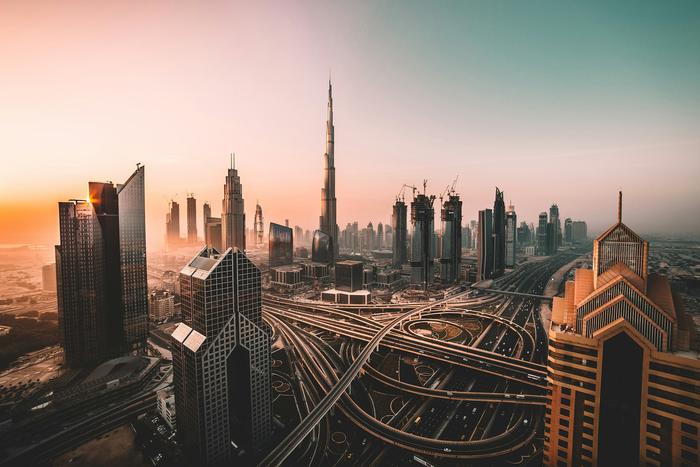
United Arab Emirates
Dubai and Abu Dhabi: superlatives, desert, and a stopover worth a few days of its own.

Greece
Ruins in the morning, a swim by noon, taverna until dark.
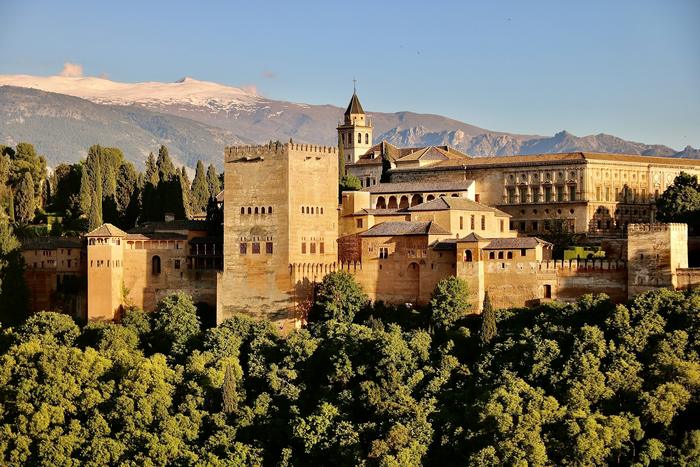
Spain
Food, beaches, and three or four cities that each justify the trip.
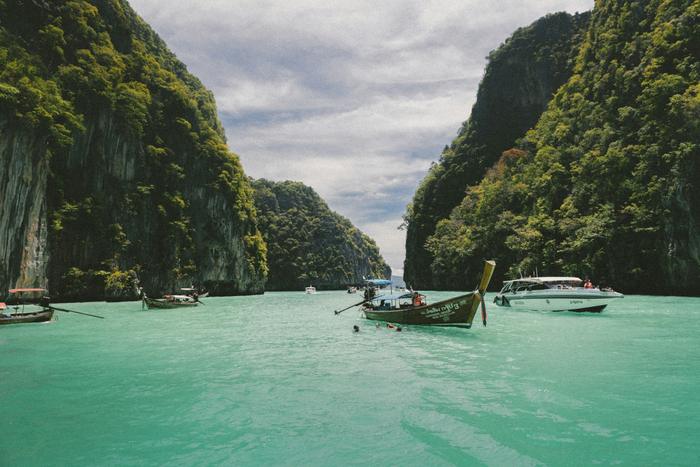
Thailand
The complete package for warm-climate travel.
Not sure where to go
Take the 5-minute quiz
Answer a few honest questions and get matched to destinations that actually fit how you travel.
Start the quiz